Table of Contents >> Show >> Hide
- Why the ER feels like controlled chaos
- The life-saving procedures that define a night shift
- 1. Airway emergencies: when breathing becomes the whole story
- 2. Cardiac arrest: organized urgency in its purest form
- 3. Heart attack care: when “time is muscle” is not just a slogan
- 4. Stroke alerts: the race against disappearing brain tissue
- 5. Sepsis: the emergency that can hide in plain sight
- 6. Trauma: fast decisions with incomplete information
- 7. Overdoses and behavioral crises: when the emergency is medical and emotional
- The hidden work patients rarely see
- What makes ER doctors good in the middle of the storm
- The emotional aftermath of an adrenaline-fueled night
- Why this work fascinates patients and the public
- Extended reflection: what an ER doctor’s night actually feels like
- Conclusion
- SEO Tags
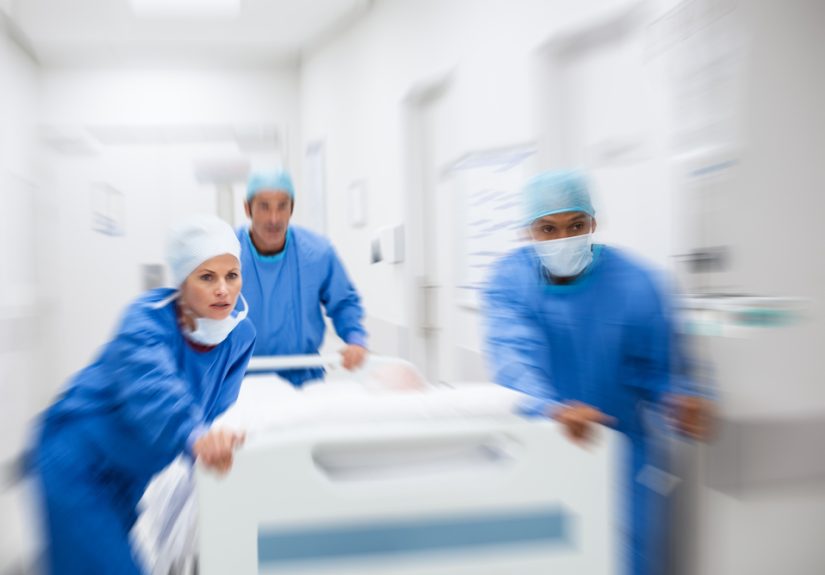
At 2:13 a.m., the emergency room is doing what it does best: refusing to be predictable. One bay holds a patient with crushing chest pain. Another has a confused older adult with possible sepsis. Down the hall, EMS rolls in with a stroke alert. In triage, a child with a fever looks miserable but stable, while a man with a hand wrapped in a dish towel insists his cut is “probably nothing,” which is usually the kind of sentence that makes everyone mildly suspicious.
This is the strange magic of the ER at night. It is part medicine, part logistics, part emotional triathlon. An ER doctor is not just diagnosing illness or injury. They are constantly sorting urgency from noise, danger from drama, and the truly time-sensitive from the merely very loud. It can look chaotic from the outside, but underneath the noise there is structure, training, and a very specific kind of controlled speed.
That is what makes an ER doctor’s night so adrenaline-fueled. The work is not exciting because it is flashy. It is intense because minutes matter, the stakes change without warning, and the next patient through the door can shift the whole department from routine to all-hands-on-deck in a heartbeat.
Why the ER feels like controlled chaos
Emergency medicine exists at the intersection of uncertainty and urgency. Patients do not arrive with neat labels. They show up with symptoms, fear, incomplete histories, and timing that is almost never convenient. A person with indigestion may actually be having a heart attack. Someone who looks sleepy may be slipping into an overdose. A patient who says, “I just feel off,” may be in the early stages of a life-threatening infection.
That is why the ER runs on triage rather than first-come, first-served logic. The goal is simple: identify who needs help right now, who can wait, and who may look fine until one vital sign says otherwise. This system can be frustrating for patients who have been waiting for hours with a painful but stable issue, yet it is the reason a person with a stroke can leapfrog the line. In the ER, fairness is measured in medical urgency, not in who got there first.
And nights add extra layers. Staffing can be tighter. Inpatient beds may be scarce. Some patients delay care until symptoms are impossible to ignore. Others arrive after accidents, overdoses, psychiatric crises, or complications that unfold after regular clinics close. The ER becomes the hospital’s front door, safety net, pressure valve, and occasionally its most overworked air traffic control tower.
The life-saving procedures that define a night shift
1. Airway emergencies: when breathing becomes the whole story
There are moments in emergency medicine when the room gets very quiet, very fast. A failing airway is one of them. A patient may arrive with severe trauma, respiratory failure, an allergic reaction, or decreased consciousness. If they cannot protect their airway or breathe effectively, the ER team moves quickly to stabilize oxygenation and, when necessary, perform endotracheal intubation.
This is not a Hollywood moment with dramatic speeches and suspiciously perfect hair. It is a skilled, high-pressure procedure involving medication decisions, equipment setup, backup planning, and coordinated teamwork. The ER doctor must think ahead: What is causing the airway problem? Is this a straightforward intubation or a difficult one? What if the first attempt fails? In emergency medicine, backup plans are not pessimism. They are professionalism wearing running shoes.
2. Cardiac arrest: organized urgency in its purest form
When a patient arrives in cardiac arrest, the ER snaps into a rehearsed rhythm. CPR, defibrillation if indicated, airway support, medications, rhythm checks, and a relentless hunt for reversible causes all happen in a tightly coordinated sequence. This is one of the clearest examples of why emergency medicine is a team sport. No single clinician “saves” a patient alone. Survival depends on synchronized action.
For an ER doctor, these cases are mentally demanding because each second has to serve a purpose. There is no room for vague thinking. You are reading the monitor, listening to the team, watching the clock, calculating drug timing, considering ultrasound findings, and deciding whether the arrest is driven by a heart problem, bleeding, clot, overdose, or another emergency. It is medicine at full sprint.
3. Heart attack care: when “time is muscle” is not just a slogan
Chest pain is one of the ER’s classic plot twists. Sometimes it is reflux, anxiety, or muscle strain. Sometimes it is a ST-elevation myocardial infarction, the kind of heart attack that needs rapid reperfusion treatment. That is why ER doctors are trained to treat chest pain like a mystery that could become a disaster if they act too slowly.
The work starts early: rapid evaluation, vital signs, an ECG, lab testing, medication decisions, and coordination with cardiology when a true emergency is identified. The best ER nights are not the quiet ones. They are the ones where the system works fast enough that the patient reaches definitive care before heart muscle is lost. It is not glamorous. It is just extremely important.
4. Stroke alerts: the race against disappearing brain tissue
Stroke care has one of the clearest rules in emergency medicine: do not dawdle. A patient with facial droop, weakness, trouble speaking, or sudden confusion can lose brain function quickly, and some treatments are highly time-dependent. That makes the ER doctor part diagnostician, part quarterback. The team needs a focused neurologic exam, exact timing of symptom onset if possible, urgent imaging, and rapid coordination with stroke specialists.
What makes stroke cases especially stressful is that every minute counts, but the details can be messy. Maybe the patient woke up with symptoms. Maybe family members disagree about when they were last normal. Maybe the symptoms are improving. Maybe they are not. The ER doctor has to move fast without becoming careless, which is a trick easier described than performed.
5. Sepsis: the emergency that can hide in plain sight
Sepsis does not always arrive waving a giant red flag. Sometimes it looks like weakness, fever, confusion, rapid breathing, low blood pressure, or just a patient who seems dramatically worse than their original complaint suggests. The danger lies in how quickly infection can spiral into organ dysfunction and shock.
That is why experienced ER doctors develop a sixth sense for the patient who seems “not right.” Early recognition matters. So do fluids, antibiotics, lab work, and close reassessment. In an overnight department where rooms are full and alarms are singing their little electronic opera, recognizing sepsis can be the difference between a rough illness and a catastrophic one.
6. Trauma: fast decisions with incomplete information
Trauma cases force the ER to prioritize life threats before details. A car crash, fall, stabbing, or industrial injury can present with bleeding, airway compromise, chest injury, abdominal injury, fractures, or brain trauma. The evaluation is systematic for a reason: first deal with what can kill the patient immediately, then uncover the rest.
The public often imagines trauma as nonstop action, and sometimes it is. But it is also a discipline of pattern recognition. Does this mechanism suggest internal injury? Is the patient compensating well right now but about to crash? Does this need immediate surgery, blood products, imaging, or transfer to a higher-level trauma center? The adrenaline is real, but so is the method.
7. Overdoses and behavioral crises: when the emergency is medical and emotional
Some of the most unpredictable moments on a night shift involve overdoses, intoxication, agitation, suicidality, or severe psychiatric distress. These cases can change rapidly because the risk is not only medical deterioration but also impulsivity, violence, self-harm, or confusion. The ER doctor has to balance safety with compassion, and that is harder than it sounds at 3 a.m. when four other critical patients also need attention.
Overdose care may involve airway support, monitoring, reversal agents such as naloxone for opioid toxicity, and careful observation. Behavioral health emergencies require a different skill set: de-escalation, assessment of risk, ruling out medical causes of altered behavior, and connecting patients to the right crisis resources. There is nothing “soft” about that work. It is essential emergency medicine, even if it does not come with dramatic monitor beeps.
The hidden work patients rarely see
The most intense parts of an ER shift are not always the procedures. Often, they are the decisions that happen in between them. An ER doctor is constantly reprioritizing: this patient needs imaging now, that one needs reassessment, another can probably go home safely, and someone else may look stable but is quietly heading in the wrong direction.
There is also the communication load. ER doctors explain bad news, calm panicked families, coordinate with nurses, consultants, EMS crews, respiratory therapists, lab staff, and hospitalists, and somehow still find a way to document everything in a chart that will later read far calmer than the actual scene ever felt. The chart says “patient re-evaluated.” Reality says “I re-evaluated the patient while holding cold coffee and mentally reorganizing six simultaneous problems.”
Then there is crowding, which can turn a difficult night into a punishing one. When admitted patients remain in the ER because no inpatient beds are available, the department becomes both emergency room and holding unit. That slows throughput, stretches staff, and increases the challenge of delivering truly rapid care. So when people imagine ER chaos, it is worth remembering that much of it is structural, not personal. The clinicians are not disorganized. They are often managing a system under strain.
What makes ER doctors good in the middle of the storm
It is tempting to think the best ER doctors are the ones who thrive on adrenaline alone. In reality, adrenaline is just the fuel. Judgment is the engine. Strong emergency physicians stay calm enough to think clearly, skeptical enough to avoid easy mistakes, and flexible enough to change course when new information appears.
They know when to act immediately and when to pause for one more critical question. They know that common things are common, but rare disasters still happen. They understand that emergency care is not about solving every problem forever; it is about identifying the dangerous problem now, stabilizing it, and deciding the safest next step.
That may mean sending one patient straight to the cath lab, another to the ICU, another to the operating room, and another home with reassurance and strict return precautions. The skill lies in knowing which story belongs to which patient, often before the full plot has revealed itself.
The emotional aftermath of an adrenaline-fueled night
By dawn, the waiting room may be thinning, but the emotional residue of the shift is not. ER doctors leave with unfinished thoughts. Did that patient get to surgery in time? Will the septic patient turn the corner? Did the family understand what happened? Could anything have been done faster, sooner, better?
That is one of the stranger truths about emergency medicine. The shift can be loud, but what lingers afterward is often quiet. A successful resuscitation may sit beside a heartbreaking loss. Relief can share space with frustration. Humor helps, because emergency departments would probably implode without it, but the emotional weight is real.
And still, many ER doctors return night after night because the work matters in a uniquely immediate way. Few specialties stand closer to the cliff edge between ordinary life and crisis. Fewer still get the chance to pull people back from it in real time.
Why this work fascinates patients and the public
People are drawn to stories about the ER because it is one of the last places in modern life where nearly anything can happen in the span of an hour. It is the hospital’s most human setting: messy, tense, emotional, funny, frightening, exhausting, and unexpectedly tender. The ER doctor’s night is not a string of action scenes. It is a collision of medicine, timing, teamwork, and uncertainty.
That is the real adrenaline rush. Not the drama for drama’s sake, but the knowledge that a fast exam, an ECG, a tube placed correctly, an antibiotic started on time, a calm word to a terrified patient, or a hard decision made without delay can change the ending of someone’s worst night.
And that is why the ER remains both unpredictable and indispensable. Behind every swinging set of ambulance bay doors is a department built to handle chaos without surrendering to it. Or, at least, to look reasonably composed while sprinting directly through it.
Extended reflection: what an ER doctor’s night actually feels like
Imagine a single overnight shift as a series of clocks, all ticking at different speeds. One clock belongs to the patient with chest pain whose ECG needs to happen now. Another belongs to the possible stroke, where every lost minute may mean lost function. Another belongs to the septic patient who looked merely sick an hour ago and now looks fragile in a way that makes everyone stand a little closer to the bedside. The ER doctor is not watching one clock. They are managing a whole wall of them at once.
What makes that experience uniquely intense is the constant switching. A doctor may move from placing an airway in one room to explaining a reassuring workup in another, then pivot immediately into a trauma evaluation while a psychiatric emergency unfolds nearby. The mind has to change gears without grinding them. One moment calls for procedural precision. The next calls for diplomacy, empathy, or detective work.
There is also the sensory side of the job that rarely makes it into tidy descriptions. The overhead pages. The monitor alarms. The sound of a stretcher wheel that definitely needs maintenance but somehow never gets fixed. The fluorescent lights that do not care that it is 4 a.m. The half-finished coffee that has gone from hot to cold to suspiciously room temperature. The ER is a place where fatigue and vigilance have to coexist, which feels a bit like trying to nap during a fireworks show.
Then there are the patients who linger in memory. The frightened parent holding a feverish child. The older patient who apologizes for “being a bother” while clearly needing real help. The overdose reversal that ends not with applause but with a complicated conversation about what comes next. The family gathering in a hallway because they know something serious is happening before anyone has even said the words out loud. Emergency medicine is technical, yes, but it is also a front-row seat to human vulnerability.
And despite the pressure, there are moments of grace that keep the work from becoming purely brutal. A difficult IV finally goes in. A patient who arrived gasping can breathe more comfortably. A stroke pathway clicks into motion exactly as designed. A trauma team works so smoothly it almost looks choreographed. Someone who feared the worst learns they can go home. Those moments do not erase the hard parts, but they matter. They are the tiny victories that keep a night shift from feeling like one long collision with disaster.
By the end of the shift, the ER doctor is carrying more than physical fatigue. They are carrying fragments of stories, bursts of urgency, near-misses, good saves, sad outcomes, and the strange satisfaction of knowing that even in the middle of chaos, the work had shape and purpose. That is the truth of an adrenaline-fueled ER night: it is exhausting, messy, and often unpredictable, but it is also where training, teamwork, and fast thinking can make an immediate difference when people need it most.
Conclusion
An ER doctor’s night is not just about dramatic procedures or heart-pounding emergencies. It is about rapid judgment, relentless triage, teamwork under pressure, and the ability to bring order to a department where anything can happen next. From stroke alerts and cardiac arrests to overdoses, trauma, sepsis, and psychiatric crises, the emergency room runs on urgency with a backbone of skill. The chaos is real, but so is the structure that keeps patients moving toward safer outcomes. That tension is what makes emergency medicine so compelling: it is fast, human, messy, and deeply consequential all at once.