Table of Contents >> Show >> Hide
- 1. All in the Family Turned the Living Room Into a Political Battlefield
- 2. Maude Brought Feminism, Politics, and Female Rage Into Prime Time
- 3. Soap Was So Scandalous People Protested Before It Even Aired
- 4. Roseanne Made the American Sitcom Family Look Tired, Broke, and Real
- 5. South Park Proved Cable Comedy Could Be Crude, Smart, and Completely Unafraid
- What These Groundbreaking Sitcoms Have in Common
- The Viewing Experience: What It Felt Like When Sitcoms Suddenly Got Dangerous
- Conclusion
Television used to be the cozy roommate of American culture. It sat in the corner, wore sensible shoes, and tried very hard not to offend your aunt, your pastor, your local sponsor, or the neighbor who still thought Elvis was too suggestive. Then a handful of sitcoms arrived and cheerfully kicked over the coffee table. Suddenly, comedy was talking about race, sex, class, feminism, hypocrisy, religion, and the kind of family tension that could make a casserole go cold.
That is what made these controversial sitcoms so important. They were not merely trying to get gasps for fun. They were using humor to poke at the nerves of the culture. In some cases, audiences were furious before the first full episode even finished. In others, critics and advocacy groups immediately decided television civilization had collapsed by approximately 8:32 p.m. Yet many of these groundbreaking sitcoms went on to reshape what the medium could say, what families could look like, and how comedy could function as social commentary instead of background wallpaper.
Below are five sitcoms that were considered highly controversial when they premiered, along with the reasons they rattled viewers, upset gatekeepers, and changed TV history in the process.
1. All in the Family Turned the Living Room Into a Political Battlefield
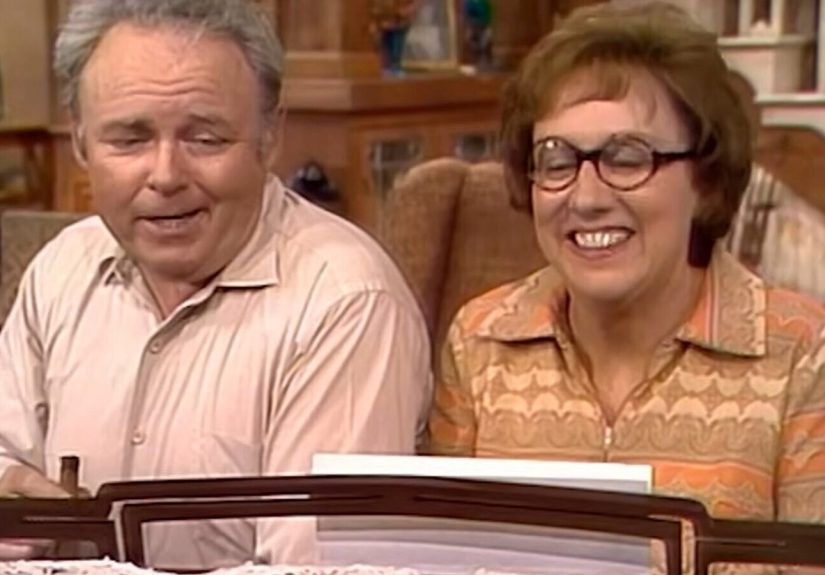
When All in the Family premiered in 1971, it did not behave like a polite sitcom. It did not tiptoe around difficult subjects. It stomped right into them wearing Archie Bunker’s work boots. At a time when many television comedies still preferred safe misunderstandings and tidy endings, this show dealt with racism, generational conflict, the Vietnam War, changing gender roles, and the ugly language people actually used behind closed doors.
That alone made it shocking. But the real reason it became one of the most controversial TV premieres of its era was that it placed bigotry at the center of the comedy without pretending bigotry did not exist. Archie was loud, ignorant, stubborn, and often hilariously wrong. Viewers laughed, but they were also being asked to confront the tension between what was funny and what was uncomfortably familiar.
Why it upset people so quickly
The show broke sitcom convention almost immediately. It included degrading racial and ethnic slurs, open arguments about politics and sex, and a family dynamic built on ideological combat rather than sugary harmony. Even little things felt rebellious: the sound of a flushing toilet and a more candid depiction of married life made old-school network television clutch its pearls.
For some viewers, All in the Family felt like a truth-telling revolution. For others, it felt like America’s family room had been hijacked by a shouting match. That split reaction is exactly why the show mattered. It proved a sitcom could be funny, topical, and deeply unsettling all at once.
2. Maude Brought Feminism, Politics, and Female Rage Into Prime Time
If All in the Family kicked open the door, Maude strutted through it in a fabulous outfit and said something cutting before anyone could object. Premiering in 1972, the series centered on Maude Findlay, a middle-aged, politically outspoken, liberal woman who was not interested in being television’s idea of “pleasant.” She was opinionated, sharp, emotional, contradictory, and gloriously unwilling to shrink herself for anyone’s comfort.
That alone made the show controversial. Sitcom women had often been written as patient peacemakers, supportive wives, or charming eccentrics. Maude was a battering ram in jewelry. She argued loudly, held strong political views, challenged male authority, and treated social issues as dinner-table material instead of forbidden topics.
Why the series felt radical
Maude represented a kind of woman many viewers had seen in real life but not often in a starring sitcom role. She was older, outspoken, remarried, imperfect, and fully in charge of her own voice. The show later became famous for its abortion storyline, but even at the beginning its tone signaled that this was not a sitcom interested in behaving.
Critics and viewers who disliked second-wave feminism saw Maude as a threat disguised as a comedy. Supporters saw something else: a show finally letting women be loud, political, messy, and intellectually central. That tension gave the sitcom its bite. It was not controversial because it was mean for the sake of being mean. It was controversial because it presented a woman who refused to apologize for taking up space.
3. Soap Was So Scandalous People Protested Before It Even Aired
Few sitcoms can brag that they sparked outrage before audiences had properly met the characters, but Soap pulled off that trick in 1977. A parody of daytime dramas, the series used serial-style cliffhangers and outrageous plotlines to satirize both soap operas and middle-class morality. That sounds almost charming now. Back then, it was treated like network television had decided to set itself on fire for attention.
The controversy around Soap began months before its premiere. Religious groups organized campaigns against it, advertisers got nervous, affiliates worried, and ABC felt pressured enough to place a viewer-discretion disclaimer ahead of the early episodes. That is not the kind of move networks make when they are feeling relaxed.
What made Soap such a lightning rod
The show dealt with sex, adultery, religion, infidelity, and social hypocrisy with a tone that was knowingly mischievous. It also featured one of prime time television’s earliest openly gay recurring characters in Billy Crystal’s Jodie Dallas, which added yet another flashpoint at a moment when representation itself was treated as controversial.
The remarkable thing about Soap is that much of the panic around it sounded bigger than the show itself. Critics talked as if television had been invaded by moral anarchy, while plenty of viewers simply found it daring and funny. That mismatch between public panic and actual on-screen material is part of what makes Soap such an important case study in television history. It showed how the mere suggestion of taboo subjects could produce national uproar.
4. Roseanne Made the American Sitcom Family Look Tired, Broke, and Real
When Roseanne premiered in 1988, it did not arrive with the polished glow of a fantasy household. The Conners were not glamorous. They were loud, overworked, underpaid, sarcastic, and permanently one bad bill away from disaster. For many viewers, that realism felt refreshing. For others, it felt like an insult to the comforting image of family sitcom life they were used to seeing.
The series was controversial because it took several established television myths and whacked them with a frying pan. The mother was not delicate or endlessly cheerful. The family was not affluent. The home was not aspirational. The jokes were rougher, the frustrations were sharper, and the emotional texture felt closer to what many working-class households actually experienced.
Why audiences had such strong reactions
Roseanne Conner was blunt, abrasive, and funny in a way that did not ask permission. That was a cultural jolt. The show’s perspective on wages, domestic stress, parenting, and female authority challenged tidy “family values” packaging. Later, the series continued pushing standards with storylines involving sexuality, reproductive issues, and gay and lesbian characters. But even at debut, the message was clear: this sitcom was not interested in pretending American family life was neat.
That honesty made Roseanne a landmark. It also made it divisive. Some viewers saw the show as too harsh or too angry. Others saw their own lives on screen for the first time. In terms of controversial sitcom premieres, Roseanne stands out because its rebellion was not built on shock for shock’s sake. It was built on realism, and realism can be surprisingly disruptive.
5. South Park Proved Cable Comedy Could Be Crude, Smart, and Completely Unafraid
By the time South Park debuted in 1997, television had already weathered decades of controversy. Then four foul-mouthed animated kids from Colorado showed up and made previous panic look almost quaint. The show was vulgar, fast, gleefully offensive, and impossible to ignore. Parents were alarmed, critics were split, and children immediately learned phrases they absolutely should not have repeated at school the next morning.
What made South Park especially controversial when it premiered was that it seemed to come from a new comedic ecosystem. It was not just challenging content standards. It was mocking the idea that standards should be handled gently at all. The animation looked crude on purpose. The jokes were deliberately tasteless. The satire came wrapped in chaos.
Why it hit such a nerve
At first glance, it looked like a simple gross-out cartoon. But underneath the profanity and absurdity was a show ready to mock politics, religion, celebrity culture, moral panics, and media hypocrisy. That blend made it hard to categorize. Was it juvenile nonsense or sharp social satire? The answer, annoyingly for its critics, was both.
South Park was controversial because it represented a new era of sitcom rebellion. Earlier shows fought to bring hard conversations into the mainstream. South Park fought like a show that assumed the mainstream was already ridiculous and deserved to be roasted relentlessly. It was messy, aggressive, and often outrageous, but it also reflected the late-1990s media environment perfectly: fast, cynical, noisy, and allergic to reverence.
What These Groundbreaking Sitcoms Have in Common
These five controversial sitcoms were very different in tone. All in the Family used generational conflict. Maude weaponized feminist wit. Soap teased taboos with serial absurdity. Roseanne made realism feel rebellious. South Park arrived with a flamethrower and a smirk. Yet they all shared one important trait: they understood that comedy is often most powerful when it makes people uncomfortable for a reason.
They also revealed a recurring pattern in television history. The shows that are first called vulgar, dangerous, or inappropriate are often the same ones later praised as groundbreaking. That does not mean every controversial comedy is secretly brilliant. Sometimes a mess is just a mess. But in these cases, the controversy was attached to genuine cultural change. These sitcom premieres did not simply shock viewers. They helped redraw the boundaries of what mainstream comedy could dare to say.
The Viewing Experience: What It Felt Like When Sitcoms Suddenly Got Dangerous
Part of what makes these controversial sitcoms so fascinating is not just the content itself, but the experience of encountering them in their original cultural moment. Today, viewers live inside an endless buffet of content. If one show feels too bold, too crude, too political, or too strange, you can simply click away and find ten thousand alternatives. But when these sitcoms premiered, television was still a much more concentrated cultural space. People watched many of the same things at the same time. That meant controversy landed harder.
Imagine the experience of being a viewer in 1971 and seeing All in the Family after years of comparatively sanitized sitcoms. It must have felt like a family argument had somehow wandered into network programming. Or picture audiences meeting Maude, who did not smile sweetly and soften her opinions for comfort. She sounded like someone’s very real aunt at Thanksgiving, except with better timing and even less patience.
Then came Soap, which created the peculiar spectacle of people objecting to a comedy before fully seeing it. That tells you something important about the television climate of the era: controversy was not only about what appeared on screen, but about what people feared might appear on screen. The imagination of offended viewers sometimes did as much work as the writers.
By the late 1980s, Roseanne offered a different kind of audience experience. Its power came from recognition. For working-class viewers, it could feel thrilling to see a sitcom family that looked financially stressed, emotionally frayed, and still capable of being hilarious. For others, that same realism felt jarring, even confrontational, because it stripped away the fantasy coating that had long protected the genre.
South Park, meanwhile, delivered the experience of culture whiplash. It was the kind of premiere that made adults ask, “Is this allowed?” while younger viewers instantly sensed they were looking at something forbidden and therefore irresistible. It captured the buzz of a new media era in which controversy itself became part of the entertainment package.
What ties all these viewing experiences together is the sense of surprise. These sitcoms did not merely ask audiences to laugh. They asked audiences to renegotiate what a sitcom was for. Was it supposed to comfort? To provoke? To reflect society? To mock it? To expose hypocrisy? The answer kept changing because these shows kept changing the rules.
And that may be the deepest reason they remain memorable. People do not always remember the safest premieres. They remember the ones that made the room go oddly quiet before the laughter started. They remember the episodes that sparked arguments at work, at school, and around the dinner table. They remember the feeling that television, for one strange moment, had stopped acting like furniture and started acting like culture.
Conclusion
The history of controversial TV shows is really the history of television growing a spine. The sitcoms on this list did not become famous simply because they offended people. They lasted because they paired controversy with perspective, character, and timing. They challenged assumptions about race, class, gender, sexuality, family, and what subjects were supposedly too risky for comedy.
That is why these five sitcom premieres still matter. They remind us that some of the most important moments in comedy begin with discomfort. The audience gasps, the critics grumble, the sponsors get nervous, and then, before anyone quite realizes it, the medium has changed. Funny how often television history begins with someone saying, “You can’t put that on TV.”