Table of Contents >> Show >> Hide
- Why Food Trends Keep Changing (and Why You Should Care)
- Trend 1: Global Flavor Goes Hyper-Specific (Passport Optional)
- Trend 2: Dumplings, Pocket Foods, and “Handheld Everything”
- Trend 3: Texture Is the New “Flavor Enhancer”
- Trend 4: Functional Beverages (Your Drink Has a Résumé Now)
- Trend 5: Protein Gets “Strategic” (Welcome to the GLP-1 Era)
- Trend 6: Fermentation, Pickles, and the “Gut-Health” Flavor Boom
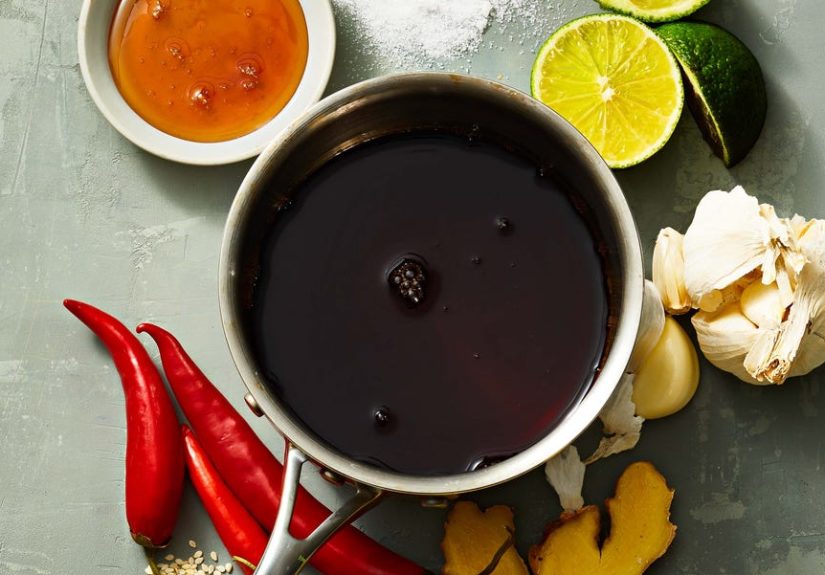
- Trend 7: Sweet Heat and the Condiment Renaissance
- Trend 8: Sustainability That Tastes Good (Not Like Homework)
- Trend 9: Comfort, Nostalgia, and “Small Joy” Eating
- Trend 10: Tech, Personalization, and “Health Targets” (Blood Sugar, Hormones, Mood)
- How to Try Food Trends Without Wrecking Your Budget (or Your Pantry)
- Which Food Trends Will Last?
- Experiences With Food Trends: 7 Real-Life Ways to Taste the Moment (About )
- SEO Tags
Food trends aren’t just “what’s new on TikTok” (though, yes, TikTok has opinions). They’re a live
scoreboard of what people want right now: comfort, energy, value, flavor that travels, and choices
that feel a little kinder to bodies and the planet. The fun part? Trends show up everywhereyour
grocery cart, your coffee order, your favorite fast-casual bowl, and that suspiciously trendy condiment
you suddenly own three versions of.
This guide breaks down the biggest food trends shaping U.S. menus and shopping habitsplus
practical ways to try them without turning your pantry into a “limited-time-only” museum exhibit.
Expect real examples, a bit of playful side-eye, and a clear takeaway: the best trends are the ones
you can actually eat on a random Tuesday.
Why Food Trends Keep Changing (and Why You Should Care)
Food trends are basically the intersection of five forces: health priorities, price pressure,
global culture, social media, and sustainability. When those forces shift, your plate shifts.
A few examples:
- Wellness evolves: People still want “healthier,” but now it’s more specificblood sugar support, gut health, stress support, and protein for satiety.
- Value gets smarter: “Cheap” isn’t the goalworth it is. Smaller portions, better ingredients, and flexible menu formats are part of that.
- Global flavor is mainstream: Regional cuisines and ingredients are easier to find than ever, from grocery aisles to neighborhood takeout.
- Convenience must feel premium: Ready-to-eat can still be exciting if it delivers texture, freshness, and big flavor.
- Planet-friendly becomes practical: Less waste, smarter packaging, regenerative sourcing, and upcycled ingredients are moving from niche to normal.
Trend 1: Global Flavor Goes Hyper-Specific (Passport Optional)
“Global flavors” used to mean a vague sprinkle of “Asian-inspired.” Now it’s more detailed and more confident:
Korean, Vietnamese, Filipino, Caribbean, West African, regional Mexican, and beyondoften with authentic
ingredients and cooking styles. The mainstream U.S. palate is also more comfortable with heat, tang, funk,
and fermented umami.
What this looks like in real life
- Snack aisle travel: mango sticky rice chips, chili crunch nut mixes, chamoy candy, seaweed snacks, za’atar labneh dips.
- Menu “hot spots”: bowls, noodles, dumplings, bánh mì-inspired sandwiches, and region-forward sauces (think pikliz-style heat, miso glazes, gochujang-forward marinades).
- Fusion that actually works: global flavors in familiar formatspopcorn, chips, frozen dumplings, and ready meals.
Why it’s happening: More access to ingredients, more cultural curiosity, and more “I saw it online and now I need it”
energy. Global comfort foods also hit the sweet spot: adventurous enough to feel new, familiar enough to feel cozy.
Trend 2: Dumplings, Pocket Foods, and “Handheld Everything”
Dumplings and pocket foods are having a moment because they’re endlessly adaptable: different cuisines, different
fillings, different cooking styles, and a built-in portion-control vibe. They show up frozen, fresh, shelf-stable,
and restaurant-madebasically a format that travels as well as the flavors inside.
Try it at home
- Keep frozen soup dumplings or potstickers for “I have 12 minutes and zero patience.”
- Upgrade with a sauce flight: chili crunch, black vinegar, miso-ginger, or hot honey (yes, it works).
- Use pocket-food logic for leftovers: wrap fillings in tortillas, lettuce cups, or rice paper.
Trend 3: Texture Is the New “Flavor Enhancer”
Crunch is no longer just a toppingit’s a strategy. People want food that feels exciting, especially when so much
eating happens on autopilot. Texture delivers satisfaction fast: crispy, bubbly, chewy, popping, crackly, creamy-with-a-crunch.
Where texture is showing up
- Crunch upgrades: chili crunch oils, crispy onions, seed blends, toasted grains, “crunch” salad kits, freeze-dried fruit, crunchy mushroom snacks.
- Drinks with mouthfeel: boba, popping pearls, foams, and layered iced beverages.
- Sweet texture moments: mochi, crispy cookie bits, “crunchy” dessert toppings, and snackable freeze-dried treats.
Pro tip: If a meal feels “meh,” don’t start overadd texture. A crunchy element can make a basic bowl feel like a plan.
Trend 4: Functional Beverages (Your Drink Has a Résumé Now)
In the U.S., beverages are increasingly expected to do something: boost energy, support digestion, help you feel calm,
or at least make you feel like you made a responsible choice before noon. Cold brew remains a staple, while matcha,
kombucha/fermented drinks, fiber-forward “wellness drinks,” and creative spritz-style beverages keep expanding.
What’s in the cup
- Matcha everywhere: lattes, desserts, foams, and even cocktail-adjacent spins (the trend is loud right now).
- Gut-forward sips: kombucha, fermented tonics, and drinks positioned around digestive support.
- “With or without” alcohol: more places offer the same drink build as either boozy or alcohol-freeno separate “sad mocktail corner.”
- Supplements and add-ins: fiber, vitamins, botanicals, and functional mushrooms (sometimes positioned as alcohol alternatives).
Reality check: A beverage can support your routine, but it can’t replace sleep. (If it could, we’d all be drinking
“8 Hours of Rest, Sparkling, Lemon.”)
Trend 5: Protein Gets “Strategic” (Welcome to the GLP-1 Era)
Protein is trending hardernot just for fitness, but for everyday appetite management and satiety. This has accelerated
alongside shifting consumer behavior tied to GLP-1 weight-loss medications, which are influencing how some people
shop, portion, and prioritize nutrients. Brands and restaurants are responding with more protein-forward meals,
smaller portions, and “high-protein” positioning that feels less like gym culture and more like practical eating.
Where protein is showing up
- Protein snacks: cottage cheese, skyr-style yogurt, protein oats, smoked salmon snack packs, egg bites, bone broth, and ready-to-drink protein options.
- Convenience proteins: sous-vide, pre-cooked, pre-portioned proteins (animal and plant-based) that save prep time.
- Menu engineering: bowls and plates that lead with protein and add vegetables and grains for balance.
How to spot the “good” version of this trend: Protein paired with fiber (beans, greens, whole grains) tends to be more
satisfying than protein alone. Translation: don’t let a lonely chicken breast do all the emotional labor.
Trend 6: Fermentation, Pickles, and the “Gut-Health” Flavor Boom
Fermented and pickled foods are trending because they hit multiple goals at once: bold flavor, perceived wellness
benefits (especially around gut health), and food traditions that feel authentic and time-tested. Plus, tangy, salty,
spicy flavors are social-media friendlybright, bold, and easy to describe in a five-second video.
Staples to watch
- Miso: not just soupmiso butter, miso caramel, miso dressings, miso marinades.
- Kimchi and friends: kimchi, pickled vegetables, tempeh, gochujang, and other fermented ingredients showing up across categories.
- Hot-and-sour profiles: spicy + acidic is a repeatable crowd-pleaser.
Trend 7: Sweet Heat and the Condiment Renaissance
Condiments are doing what they always wanted to do: be the main character. Hot honey helped kick the door open,
and now the sweet-heat family keeps growingspicy maple, chili crunch oils, tamarind-forward sauces, and regional
pepper blends that feel specific rather than generic.
How to use it (without setting your entire week on fire)
- Start with drizzles, not dumps: hot honey on pizza, roasted carrots, or fried chicken; chili crunch on eggs or noodles.
- Use sweet heat to balance bitter greens: spicy maple vinaigrette can make kale feel less like a punishment.
- Try “sauce from somewhere”: pick one regionally rooted sauce and build meals around it for a week.
Trend 8: Sustainability That Tastes Good (Not Like Homework)
Sustainability trends are becoming more practical and less performative. Consumers are looking for choices that feel
doable: local sourcing, lower-waste cooking, reduced-waste packaging, regenerative agriculture cues, and upcycled
ingredients that transform would-be food waste into something legitimately tasty.
What’s changing in the market
- Local and hyper-local signals: restaurants and retailers highlighting community ties and supply chain transparency.
- More-sustainable sips: interest in lower-impact packaging and regenerative practices, especially in wine/spirits/beer spaces.
- Upcycled foods: ingredients made from nutritious food that would otherwise go to waste, supported by growing certification programs and product availability.
What makes this trend stick: When sustainability comes with better flavor, better texture, or better convenience, it becomes
a habitnot a one-time pledge.
Trend 9: Comfort, Nostalgia, and “Small Joy” Eating
Comfort food isn’t going anywhere. What’s new is how it’s being styled: nostalgic dishes with global twists, elevated
instant noodles, smash-burger culture with “passport stamps,” and playful formats like flights (mini portions designed
for sampling). After years of stress, “food as mood support” is showing up as a real purchasing driver.
Examples you’ll recognize
- Comfort with a twist: familiar foods paired with bold sauces or global seasonings.
- Flights: small-format tasting sets (deviled eggs, desserts, mini cocktails, even pancakes) that make “trying” feel affordable.
- Creative spritz culture: light, flavorful, and often available as either alcoholic or zero-proof.
Trend 10: Tech, Personalization, and “Health Targets” (Blood Sugar, Hormones, Mood)
The next phase of wellness food is more targeted. Instead of generic “clean eating,” consumers are looking for
solutions to specific goals: blood sugar management, hormone support, stress support, and mental well-being.
This shows up in everything from product marketing to menu descriptions to the kinds of questions people ask at the
grocery store: “Will this keep me full?” “Will I crash later?” “Is this going to mess with my sleep?”
What to expect
- More explicit benefit language: “fiber for fullness,” “protein-forward,” “supporting steady energy,” and similar claims.
- AI integration behind the scenes: restaurants using tech to streamline menus, improve consistency, and respond faster to demand shifts.
- Ingredient trust questions: ongoing consumer focus on food safety, processing, and transparencyespecially when new technologies or novel ingredients are involved.
How to Try Food Trends Without Wrecking Your Budget (or Your Pantry)
You don’t need to chase every trend. You need a strategy that lets you taste the moment without buying twelve sauces
you’ll never use again. Here’s the “trend sampler” approach:
- Pick one trend per week. Example: “global snack flavors” week, then “fermentation” week.
- Buy one anchor item. A sauce, a snack mix, a frozen dumpling brand, or a functional beverage you’ll actually finish.
- Build three simple meals around it. Eggs, noodles, rice bowls, salads, and sheet-pan dinners are trend-friendly canvases.
- Keep a ‘repeat list.’ Trends are fun, but your future self wants receipts: what was worth it?
Which Food Trends Will Last?
The trends with real staying power usually meet at least two of these criteria:
- They solve a daily problem (quick meals, better energy, satisfying snacks).
- They taste great (because willpower is not a seasoning).
- They’re flexible (dumplings, bowls, condiments, and texture boosters can adapt to many cuisines).
- They match macro reality (value pressure, wellness focus, sustainability expectations).
In other words: expect global flavors, protein-forward convenience, functional beverages, and sustainability-with-benefits
to keep growing. Expect ultra-specific novelty items to come and gounless they become a ritual.
Experiences With Food Trends: 7 Real-Life Ways to Taste the Moment (About )
If you want to “experience” food trends without turning your life into a nonstop taste test, think in momentsnot
makeovers. Here are seven trend-forward experiences that fit into real schedules and real appetites.
1) The Two-Sauce Weeknight
Pick one bold sauce (chili crunch, miso-ginger, tamarind, or hot honey) and one bright, acidic partner (black vinegar,
lime, pickled veg brine). Make a basic bowlrice or noodles, whatever protein you have, a handful of greensthen finish
with a tiny drizzle of each. The experience is “restaurant energy” with pantry effort, and you’ll quickly learn what flavors
you actually crave.
2) The Crunch Upgrade Challenge
Take three boring meals you already eatsalad, soup, scrambled eggsand add one texture booster to each. Maybe it’s a
seed blend on salad, crispy onions on soup, and crunchy chili oil on eggs. You’ll notice how texture changes satisfaction:
your brain registers “interesting” faster, which can reduce the urge to keep snacking later.
3) The Dumpling “Dinner Party” for One (or Two)
Make frozen dumplings feel like an event by serving them with a little sauce flight: soy + vinegar, chili crunch, and a
creamy dip (yogurt with garlic and lemon works). Add a quick cucumber salad. You get the comfort, the global flavor,
and the “I planned this” vibewithout actually planning.
4) The Beverage Swap Experiment
For one week, swap one drink per day for something trend-adjacent: matcha instead of your second coffee, kombucha
instead of soda, a fiber-forward sparkling drink instead of juice, or a “with or without” spritz format at dinner.
The experience isn’t about perfectionit’s about noticing what helps you feel steady (energy, appetite, mood).
5) The Protein + Fiber Breakfast That Actually Holds
Try breakfast built around satiety: skyr or Greek yogurt with berries and nuts, cottage cheese with savory toppings,
or eggs with beans and salsa. The trend here is “strategic protein,” but the experience is simple: fewer mid-morning
crashes and less random grazing that starts as “just one bite” and ends as “where did the crackers go?”
6) The Upcycled Snack Taste Test
Grab one upcycled or waste-reducing product (often snacks are the easiest entry point). Taste it like you would any new
snack: does it deliver crunch, flavor, and value? The experience reframes sustainability as a quality check, not a lecture.
7) The Comfort Food With Passport Stamps
Keep your comfort food, change one element. Smashburger night? Add a global sauce. Instant noodles? Add a miso-based
broth boost and a handful of greens. Roast chicken? Finish with hot honey and lemon. This experience is the secret behind
most “lasting” trends: familiar base, exciting upgrade.
Try a few of these and you’ll find your personal trend lane. The goal isn’t to chase everythingit’s to build a rotation
that feels current, satisfying, and doable. Trends are more fun when they become dinner, not a project.