Table of Contents >> Show >> Hide
- Quick Snapshot: What This Ford Recall Is About
- Which Vehicles Are Affected (and Why “Certain” Matters)
- How to Check If Your Mustang Is on the Recall List
- What’s the Problem? A Water Leak That Can Knock Out Exterior Lights
- Why This Recall Matters (Yes, Even If You “Hardly Drive at Night”)
- What Ford Will Do to Fix It (and What You’ll Pay)
- What You Should Do Right Now
- FAQ: The Stuff People Always Ask About Recalls
- Real-World Experiences: What It’s Like When Your Car Lands on a Recall List (Extra Notes From the “Been There” Playbook)
If you own a newer Ford Mustang, here’s a headline you don’t want to “scroll past and deal with later.”
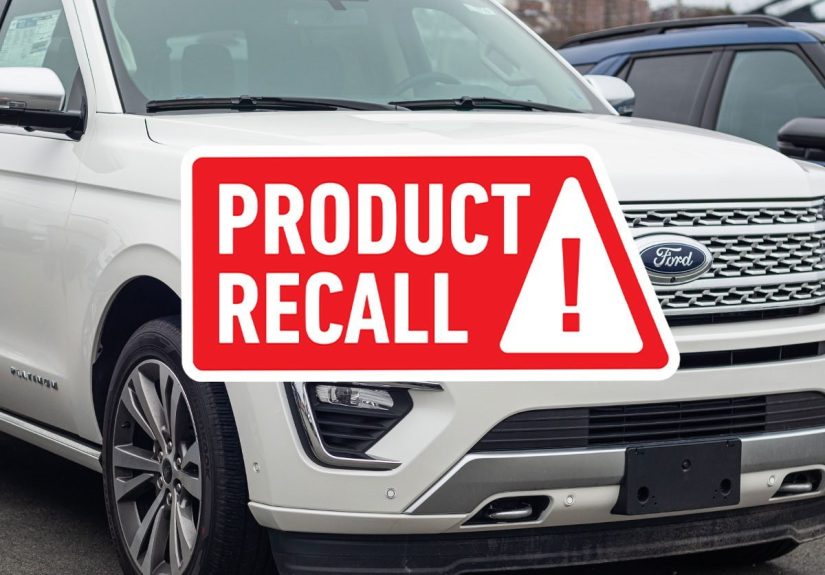
Ford has issued a recall impacting about 105,441 vehicles due to a problem that can mess with something
pretty important: your exterior lights. And yesthis is one of those issues that can be
easy to miss until the moment you really need your car to be visible (like, say, at night… in the rain… while
someone behind you is also looking at their phone. Fun!).
The good news: recalls are free to fix at the dealership. The better news: checking whether your vehicle
is included takes only a couple minutes. The best news: you don’t need to be a car person to understand what’s going on.
Let’s break down what the recall covers, why it matters, and how to find out if your Mustang is one of the affected vehicles.
Quick Snapshot: What This Ford Recall Is About
- Automaker: Ford Motor Company
- Vehicles affected: Certain 2024–2025 Ford Mustang coupes and convertibles
- Approx. total: 105,441 vehicles
- Issue: Water intrusion can affect the Body Control Module (BCM) and cause exterior lighting failures
- Risk: Reduced visibility to other drivers (a.k.a. “Please don’t rear-end me” becomes harder)
- Fix: Dealer inspection + sealing body seams; inspect BCM for corrosion and replace if needed
Which Vehicles Are Affected (and Why “Certain” Matters)
This recall applies to certain 2024 and 2025 Ford Mustang vehicles. That “certain” is doing a lot of work.
Not every Mustang from those model years is automatically included. The affected population was identified based on production records
tied to body seam sealingmeaning Ford can trace which vehicles may have had sealing that wasn’t applied consistently.
Also important: vehicles aren’t necessarily “in order” by VIN. So two Mustangs built close together could have different recall status.
That’s why the only reliable way to know is to check your specific VIN.
What’s a VIN (and where do you find it)?
Your Vehicle Identification Number (VIN) is a unique 17-character code for your car. Common places to find it:
- On the driver-side dashboard near the windshield (visible from outside)
- On the driver-side door jamb sticker
- On your insurance card, registration, or service paperwork
- Inside your vehicle’s infotainment/account apps if you’ve connected them
How to Check If Your Mustang Is on the Recall List
You have a few easy options. Pick whichever feels least annoying:
Option 1: Use the NHTSA VIN Recall Lookup
- Grab your VIN (17 characters).
- Use the official recall lookup tool on NHTSA’s site.
- If your vehicle has an open recall, it will show up with details.
Option 2: Check Through Ford (or the FordPass App)
Ford can confirm recall status using your VIN, and many owners also see recall alerts through their connected services.
If you already use the FordPass app, it may surface recall notices there.
Option 3: Call a Dealer Service Department
If you’d rather have a human confirm it (totally valid), your local Ford dealer can look up your VIN and tell you whether your vehicle is included,
then help schedule the repair.
Tip: Be wary of “recall” messages that feel scammyespecially anything pushing you to pay money or share personal info fast.
Real recalls don’t require payment for the fix.
What’s the Problem? A Water Leak That Can Knock Out Exterior Lights
The core issue is potential water intrusion into the car’s Body Control Module (BCM).
The BCM is basically a traffic controller for a bunch of electrical functionsespecially lighting. When water gets where it doesn’t belong,
it can lead to corrosion and communication problems. Translation: your Mustang may stop talking to its own lights.
According to recall details, the concern stems from improperly sealed body seams, which can allow water to travel into the vehicle’s
structure and find its way to the BCM. Once that happens, some exterior lights may not work properly.
Which lights could be affected?
- Tail lights
- Side marker lights (front and rear)
- License plate light
What might you notice as a driver?
Not every vehicle will show symptoms, and some issues may be intermittent. Owners may notice things like:
- Side markers or tail lights flickering instead of staying steadily illuminated
- Exterior lights not activating as expected
- Some lights staying on after the vehicle is off (which can cause battery drain)
- A battery warning light due to a low battery condition
If your Mustang’s lighting is acting weird, treat it as a “don’t ignore this” moment. A car that isn’t reliably visible is a car that’s easier for others to miss.
And nobody wants their Mustang accidentally auditioning for a stealth role.
Why This Recall Matters (Yes, Even If You “Hardly Drive at Night”)
Exterior lighting isn’t just about seeing the road. It’s about being seenand communicating your presence and position to everyone else.
Side markers, tail lights, and license plate lights are part of what makes a vehicle visible from behind and from angles, especially in low-light conditions.
When these lights fail to illuminate properly, it can reduce visibility to other drivers and increase crash risk.
Think of it as your car losing one of its most basic ways to say, “Hello, I am here, please do not merge into me.”
What Ford Will Do to Fix It (and What You’ll Pay)
The recall repair is expected to be handled at dealerships free of charge.
The remedy described for affected vehicles includes:
- Inspecting and sealing specific body seams as necessary
- Inspecting the BCM for water intrusion/corrosion
- Replacing the BCM if corrosion or water-related damage is found
Ford indicated that interim owner notification letters were expected to begin going out around September 1, 2025,
with additional follow-up communication expected once the remedy process is fully available, anticipated in Q1 2026.
(In other words: if you got a notice that felt like, “Heads up, we’re on it,” that’s likely why.)
What to expect at the dealership
In most recall cases, the process looks like this:
- VIN confirmation (yes, againVIN is the star of the show)
- Inspection of sealing areas and the BCM condition
- Repair/reseal where needed
- BCM replacement only if damage/corrosion is present
Ask the service advisor how long they expect the visit to take and whether parts availability affects timing.
If your lights have been acting up, mention symptoms and when they happen (after rain, car wash, humid mornings, etc.).
What You Should Do Right Now
Here’s a simple checklist that won’t overwhelm your day:
1) Check your VIN for open recalls
Use the NHTSA recall lookup or Ford’s recall tools. If your vehicle is included, you’ll see the recall listed and can plan your next step.
2) Do a quick light check this week
It takes 60 seconds: parking lights on, walk around the car, confirm tail lights and side markers look steady and normal.
If anything flickers or stays off, schedule service sooner rather than later.
3) Watch for battery weirdness
If your car seems slow to start or you get battery warnings, it’s worth mentioningsome lighting issues can lead to battery drain.
4) Schedule the recall repair when available
Recalls don’t expire quickly, but your patience might. And if you drive at night, commute in heavy rain, or park outdoors,
it’s smart to knock this out once your dealer can perform the remedy.
FAQ: The Stuff People Always Ask About Recalls
Is it safe to keep driving?
A recall notice doesn’t always mean “stop driving immediately.” But if your exterior lights aren’t working correctly,
especially at night or in poor weather, that’s a safety risk. If you notice failures or flickering, prioritize getting it inspected.
Will I have to pay?
No. Safety recall repairs are performed at no cost for affected vehicles.
What if my Mustang seems totally fine?
Great! Still check your VIN. Some recall issues are rare, intermittent, or only show up after certain conditions (like heavy rain).
Getting inspected early can prevent future headacheslike a dead battery or lights failing when you’re far from home.
Can I fix this myself?
Because this involves sealing and potentially module inspection/replacement, it’s best handled by a dealer under the recall.
You want the repair documented, done correctly, and covered by the recall program.
Real-World Experiences: What It’s Like When Your Car Lands on a Recall List (Extra Notes From the “Been There” Playbook)
Recalls can feel strangely personallike your car just got called to the principal’s office. For many drivers, the experience starts the same way:
a push notification, a letter in the mail, or a friend texting “Is your Mustang okay??” with a link to a headline. The first reaction is usually
a mix of mild panic and mild denial. “That’s probably not mine,” you tell yourself, because optimism is free and scheduling service appointments is not
emotionally free.
The next step is the VIN hunt. Some people know exactly where to find it. Others end up crouched by the windshield like they’re trying to read tiny
secret agent coordinates. It’s normal. The VIN is small, the angle is weird, and the sun always chooses that moment to reflect off the glass.
Once you’ve got it, the recall lookup is usually straightforwardand that’s where emotions branch:
relief if nothing shows up, or a deep sigh if it does.
If your Mustang is included, the “now what?” phase kicks in. Drivers often wonder whether they should keep driving normally or change routines.
With lighting-related concerns, owners tend to become temporarily obsessed with walk-around checks. You’ll see people testing tail lights in the garage,
asking a neighbor to press the brake pedal, or using reflective surfaces to confirm illumination. It’s not overkillit’s a practical response.
The funny part is how quickly this becomes habit: “Keys, phone, wallet, tail lights.”
Then comes scheduling. Service departments vary, but most owners report the same reality: recall appointments are easiest if you call early in the day,
pick a weekday slot, and ask upfront whether the fix is “inspect-only” or might require parts (like a BCM replacement). Some drivers choose to wait until
they receive the official letter; others book as soon as their VIN shows an open recall. Either approach is commonwhat matters is getting into the queue
once the dealer confirms they can perform the remedy for your vehicle.
At the dealership, the vibe is typically more routine than dramatic. The staff has seen it all, and a recall inspection is often treated like a normal
service line itemexcept you’re not paying. Owners frequently say the most helpful thing they did was mention specific symptoms: flickering lights after rain,
odd battery behavior, or lights that seem to stay on. Even if the car looks fine in the moment, those details can guide the inspection.
And yes, it’s okay to say, “I don’t know car words, but it did a weird thing.” They get it.
When the appointment is done, many drivers leave with a mix of relief and renewed respect for how many tiny systems keep a modern car running.
It’s easy to think of a Mustang as engine, tires, and vibesbut the BCM is the behind-the-scenes stage manager.
If sealing is corrected and any corrosion is addressed early, you’ve likely avoided a future scenario where your car decides to dim its own visibility
at the worst possible time. The big takeaway most owners share is simple: recalls are annoying, but ignoring them is usually more annoying later.
Consider it preventive maintenance with paperworkand the best price tag in automotive history: $0.