Table of Contents >> Show >> Hide
- Why Heat Feels So Brutal During DIY Work
- The Cooling Gear Hall of Fame
- 1) Sun-Protective, Breathable Work Clothing (Your First Line of Defense)
- 2) Wide-Brim Hat or Sun Hat With Neck Coverage
- 3) Cooling Towels and Cooling Bandanas (Cheap, Effective, Easy)
- 4) Cooling Vests (When You Need Serious Relief)
- 5) Hydration Gear: Water Delivery That You’ll Actually Use
- 6) Portable Shade: The Most Underrated “Tool” You Can Buy
- 7) Airflow Helpers: Fans, Misters, and Ventilation Tools
- 8) Sun Protection Gear That Doesn’t Feel Like a Chore
- 9) The “Hot Surface” Extras: Gloves, Knee Pads, and Footwear
- Build Your Cooling Kit by Task
- How to Use Cooling Gear Without Feeling Like a Walking Camping Store
- Heat Safety Basics You Shouldn’t Ignore
- Buying Guide: Budget Picks vs. Worth-the-Splurge Gear
- FAQs
- Real-World Experiences: What Hot-Weather DIY Actually Feels Like (And What Helps)
- Conclusion
- SEO Tags
Home maintenance in summer has a funny way of turning into a personal sauna audition. You step outside to clean gutters,
paint trim, or crawl into an attic “real quick,” and suddenly your shirt is doing its best impression of a wet washcloth.
The good news: staying cooler isn’t about being tougherit’s about being smarter. With the right cooling gear (and a few
not-so-glamorous habits), you can keep your body temperature in the “productive human” range instead of “baked potato.”
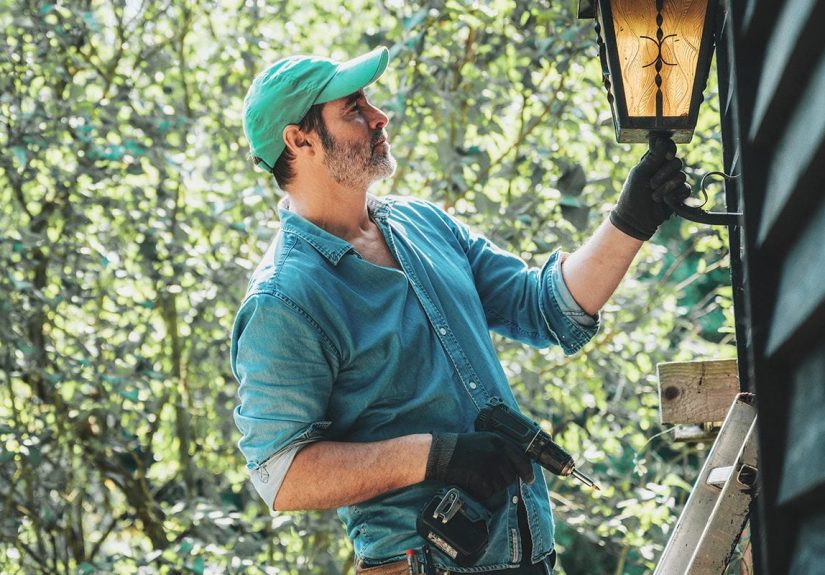
This guide breaks down the best gear to stay cool while doing DIY and home maintenance work in the heatwhat actually helps,
what’s mostly marketing, and how to combine items for maximum relief. Expect practical picks, real-world examples, and a
little humorbecause if you can’t laugh at sweating through your socks, what can you laugh at?
Why Heat Feels So Brutal During DIY Work
Your body cools itself mainly by sweating and evaporating that sweat off your skin. Hot air, direct sun, high humidity,
and tight or non-breathable clothing make evaporation harder. Add physical worklifting, climbing, bending, haulingand
you’re generating extra heat from the inside. This is why the “it’s only 90°F” argument collapses the moment you start
scraping paint on a south-facing wall at 2 p.m.
Heat Index: The “Feels Like” Number That Matters
Temperature alone doesn’t tell the whole story. Humidity and sun exposure can make conditions feel significantly hotter.
If you plan your job around the heat index (not just the forecast temperature), you’ll choose better timing, better gear,
and fewer “why am I dizzy?” moments.
The Cooling Gear Hall of Fame
Below are the most useful categories of cooling gear for hot-weather home maintenance. You don’t need everythingthink of
this like building a personal “cooling system” with a few core pieces that match your tasks.
1) Sun-Protective, Breathable Work Clothing (Your First Line of Defense)
It sounds backward, but covering up can keep you cooler. The goal is lightweight, breathable fabric that blocks sun and
allows sweat to evaporate. Look for:
- UPF-rated long-sleeve shirts (often labeled “sun shirts” or “UV protective”).
- Light colors to reflect heat (especially for direct sun work like roofing or siding checks).
- Ventilation panels (mesh underarms/back vents) for airflow.
- Moisture-wicking fabric that doesn’t stay soggy and heavy.
- Work pants with stretch + venting rather than thick denim in peak heat.
Example: If you’re pressure-washing a driveway, a UPF long-sleeve shirt keeps sun off your arms while the
mist helps cool youwin-win. If you’re painting fascia boards, covered arms mean fewer sunscreen reapplications on forearms
(and fewer accidental “paint + sweat” body art moments).
2) Wide-Brim Hat or Sun Hat With Neck Coverage
A baseball cap is better than nothing, but a wide brim gives your face and ears shade, and a neck flap or neck gaiter
protects the back of your neck (one of the easiest places to get cooked without noticing). Look for:
- Wide brim (at least 3 inches) for real facial shade.
- Ventilation holes or mesh panels.
- Adjustable chin cord so wind doesn’t launch it into the neighbor’s yard.
- Sweatband that actually absorbs sweat (and doesn’t feel like a plastic bag).
3) Cooling Towels and Cooling Bandanas (Cheap, Effective, Easy)
Cooling towels are basically a low-tech magic trick: wet them, wring them out, snap them, and drape them on your neck or
head. They’re most effective when there’s airflow and the towel can evaporate. Great for:
- Yard work and outdoor repairs
- Gutter cleaning
- Trips up and down ladders
- Garage projects with a fan running
Pro tip: Keep two. One in use, one in a cooler bag. Swap when the first warms up and turns into a
fashionable neck scarf with zero cooling benefits.
4) Cooling Vests (When You Need Serious Relief)
Cooling vests can make a big difference for longer, harder workespecially if you can’t easily retreat into AC. There are
two common types:
- Phase-change cooling vests: Use inserts that melt at a specific temperature. They feel cool without
being painfully cold and don’t drip water everywhere. - Ice-pack cooling vests: More intense cooling, but heavier and they warm up faster in high heat.
Example: If you’re doing attic inspections, duct sealing, or insulation touch-ups, a cooling vest can buy
you time and comfortjust remember attics can be dangerously hot, so gear is not a substitute for breaks and timing.
5) Hydration Gear: Water Delivery That You’ll Actually Use
The best hydration plan is the one you follow. When you’re busy fixing things, “I’ll drink later” becomes a lifestyle.
Make drinking water automatic with:
- Insulated water bottle (big enough that you’re not refilling every 20 minutes).
- Hands-free hydration pack for ladder work, roof checks, or long yard sessions.
- Cooler bag for water + cooling towels + electrolyte options.
- Electrolyte packets or sports drinks for long, sweaty jobs (especially if you’re working for hours).
Realistic hydration hack: Put your bottle in the shade where you must pass itby the ladder, near the
tool bag, or at the end of the driveway. If it’s hiding in the garage, you’ll forget it exists until you’re halfway
through a “why do I have a headache?” situation.
6) Portable Shade: The Most Underrated “Tool” You Can Buy
Shade is not just comfortit’s performance. A pop-up canopy, beach umbrella, or shade sail can drop the felt intensity of
a task dramatically.
- Pop-up canopy for driveway projects, painting prep, tile cutting, or tool staging.
- Umbrella clamp attached to a ladder (with care) or work table for targeted shade.
- Reflective tarp to shade a specific wall section while you scrape/prime/paint.
7) Airflow Helpers: Fans, Misters, and Ventilation Tools
Evaporation needs airflow. A fan turns “hot and sticky” into “hot but survivable.” Useful options include:
- Battery-powered jobsite fan (for garage work, shaded patios, or attic entry areas).
- Neck fan for low-intensity tasks (not a miracle, but nice for painting or light repairs).
- Misting bottle for quick cool-downsespecially paired with a fan.
- Ventilation plan for indoor work: open opposite windows/doors for cross-breeze, run fans to move air.
8) Sun Protection Gear That Doesn’t Feel Like a Chore
Sunburn makes you feel hotter and more miserable, and it can mess with your ability to cool off comfortably. Gear that
helps:
- Broad-spectrum sunscreen you’ll actually apply (lotion, spray, stickwhatever you will use).
- SPF lip balm (yes, your lips can get sunburned; no, it is not “fun”).
- Polarized sunglasses to reduce eye strain while working in glare.
- Lightweight gloves that protect hands from sun and hot surfaces without trapping too much heat.
9) The “Hot Surface” Extras: Gloves, Knee Pads, and Footwear
Heat isn’t just in the airsurfaces get scorching. The right gear prevents burns and reduces fatigue:
- Breathable work gloves with grip (avoid thick, non-breathable gloves unless the task demands it).
- Knee pads with ventilation for deck work, flooring repairs, or low repairs in the sun.
- Moisture-wicking socks (swap midday if neededyour feet will thank you).
- Breathable work shoes with solid support (heat makes fatigue hit earlier).
Build Your Cooling Kit by Task
Quick Outdoor Jobs (30–60 minutes): “Get In, Get It Done”
- Wide-brim hat + sunglasses
- UPF long-sleeve shirt
- Cooling towel
- Insulated water bottle
- Sunscreen stick for face/ears
Great for: Pulling weeds, quick gutter check, swapping a hose bib washer, touching up exterior caulk.
Long Yard Sessions (1–3 hours): “You Live Here Now”
- Pop-up canopy for breaks
- Cooling towel + spare in cooler bag
- Hydration pack or large insulated jug
- Electrolyte packets for heavy sweating
- Battery jobsite fan in shaded break zone
- Moisture-wicking socks (bring a backup pair)
Great for: Fence repairs, landscaping, exterior cleaning, pressure washing, long painting prep days.
Attic or Crawlspace Work: “Respect the Box of Doom”
- Cooling vest (phase-change preferred for comfort)
- Headlamp (so you work faster and leave sooner)
- Lightweight breathable long sleeves
- Jobsite fan near entry point
- Water staged at the exit
Important: Attics can become dangerously hot. Schedule this work early morning, use short work intervals,
and treat breaks like they’re part of the jobnot a reward you earn by suffering.
How to Use Cooling Gear Without Feeling Like a Walking Camping Store
The trick is layering gear by priority:
- Shade + hydration (biggest impact for most people)
- Breathable UPF clothing + hat (reduces sun load)
- Evaporative cooling (cooling towels + airflow)
- High-powered cooling (cooling vests for long/hard work)
If you do only one upgrade: add shade and a dedicated hydration setup. That’s the difference between “I can finish this”
and “I’m lying on the floor contemplating my life choices.”
Heat Safety Basics You Shouldn’t Ignore
Cooling gear helps, but it doesn’t make you heatproof. Pay attention to warning signs like unusual dizziness, confusion,
nausea, or feeling weak. If you feel unwell, stop, cool down, and rehydrate. If symptoms are severe or worsening, seek
medical help right away.
The Buddy System (Even for DIY)
If you’re doing high-heat tasksroof checks, ladder work, extended yard labortell someone what you’re doing and check in.
Heat can sneak up fast, and a simple “you good?” text can be a lifesaver.
Buying Guide: Budget Picks vs. Worth-the-Splurge Gear
Budget MVPs (High value, low cost)
- Cooling towels
- Wide-brim sun hat
- Electrolyte packets (used when you’re sweating heavily)
- Simple canopy or umbrella for shade breaks
- Sunscreen stick + SPF lip balm
Splurge-But-Actually-Useful Upgrades
- Phase-change cooling vest (for long/hot projects)
- Battery-powered jobsite fan
- High-quality UPF clothing that stays comfortable when damp
- Large insulated jug or bottle that keeps water cold for hours
FAQs
Is it better to wear short sleeves to stay cool?
Not always. In direct sun, lightweight long sleeves can keep you cooler by reducing sun exposure and helping sweat
evaporate more predictablyespecially with breathable UPF fabric.
Do I need electrolytes?
If you’re sweating heavily for a long time, electrolytes can help replace what you lose. For shorter or lighter jobs,
water is often enough. If you have health conditions that affect sodium or fluid balance, get personalized advice from a
clinician.
What’s the best “one item” to buy first?
A tie between a wide-brim hat and a reliable hydration setup. Most people underestimate
how much direct sun and mild dehydration quietly wreck their productivity.
Real-World Experiences: What Hot-Weather DIY Actually Feels Like (And What Helps)
People who do home maintenance in summer tend to learn the same lesson on repeat: the job is never “just 20 minutes.”
You go out to “quickly” clear a gutter, then notice the downspout is clogged, then realize the ladder feet are sinking
into soft soil, then decide to move a planter “real quick”… and suddenly you’ve been outside long enough to qualify as a
rotisserie chicken.
One common experience is the tool distraction effect: you’re so focused on the task that you forget to
drink water. This is why hydration gear matters more than willpower. DIYers who set a cold bottle by the ladder or use a
hydration pack during repetitive work (like trimming hedges or painting) tend to feel better and finish stronger. It’s not
glamorous, but neither is staring at your project from a lawn chair because your energy left the chat.
Another pattern shows up during sun-heavy jobs like painting exterior trim or working on a driveway.
People assume less clothing equals more comfortuntil their arms bake, their shoulders burn, and they end the day feeling
hotter than they did while working. Those who switch to UPF long sleeves often report a surprising benefit: they feel less
“drained” after sun exposure, even if the air temperature is the same. The shirt isn’t magically refrigerating you; it’s
simply blocking the sun from adding extra heat to your body all day.
Cooling towels earn their reputation in the “I can’t believe this works” categoryespecially when paired with airflow.
A lot of DIYers try one, shrug, and call it a gimmick… until they use it correctly: wet it, wring it, and let air move
across it. Put a cooling towel around your neck and stand near a fan in the shade for five minutes, and you can feel your
body settle down. It’s the difference between taking a break that actually restores you and taking a break that’s just
“standing still while still overheating.”
Then there are the attic stories. Nearly everyone who’s done attic maintenance in summer has a moment of
realizationusually about three minutes inwhere they think, “Oh. This was a mistake.” The people who handle it best
usually do three things: they go early in the morning, they use short work intervals, and they stage cooling gear at the
exit. A fan near the attic hatch, cold water immediately available, and a cooling vest (for longer tasks) can turn an
impossible job into a manageable one. But the real “secret” isn’t heroic endurance; it’s respecting the heat and leaving
before the heat makes the decision for you.
Finally, there’s the experience of feeling invincible until you don’t. Heat can creep upespecially if
you’re caffeinated, rushing, or trying to “finish before dinner.” DIYers who build a shade station (even a basic canopy)
often say they work longer overall, because their breaks actually cool them down. It’s a small setup that pays off in
fewer mistakes, less frustration, and a much lower chance of ending the day sprawled on the couch whispering, “Why did I
choose homeownership?”
Conclusion
Staying cool during hot-weather home maintenance work is about stacking small advantages: breathable sun-protective
clothing, reliable hydration, shade, and a few clever cooling tools like towels, fans, and (when needed) cooling vests.
You’ll work more comfortably, think more clearly, and finish with enough energy to enjoy your evening instead of melting
into the nearest air-conditioned chair like a defeated candle.