Table of Contents >> Show >> Hide
- What Is Glaucoma, Exactly?
- Can Cataract Surgery Cause Glaucoma?
- Why Eye Pressure Can Rise After Cataract Surgery
- Normal Recovery Symptoms vs. Glaucoma Warning Signs
- Symptoms of Glaucoma After Cataract Surgery
- When to Get Help Immediately
- Who Is More Likely to Have Pressure Problems After Cataract Surgery?
- How Doctors Diagnose Glaucoma After Cataract Surgery
- Treatment Options
- How to Protect Your Eye During Recovery
- What Real Recovery Experiences Often Feel Like
- Conclusion
Cataract surgery has a pretty shiny reputation, and honestly, it earns it. It is one of the most commonly performed eye procedures, and most people heal well and see better afterward. But when the topic shifts to glaucoma after cataract surgery, things can get a little murky. Not “lost your glasses in the couch cushions” murky, but close.
Here is the key thing to know: glaucoma after cataract surgery does not always mean the surgery directly caused a brand-new chronic disease. Sometimes the issue is a short-term spike in eye pressure. Sometimes a person already had glaucoma that becomes more obvious during follow-up. Sometimes steroid eye drops, narrow drainage angles, or other eye conditions push pressure in the wrong direction. And sometimes the symptoms are subtle enough to play hide-and-seek until an eye exam catches them.
That is why this topic matters. Your eye can be healing normally while still needing close monitoring. Knowing which symptoms are expected, which are suspicious, and which are a drop-everything-and-call-now situation can help protect your vision without turning every tiny twinge into a full-blown panic party.
What Is Glaucoma, Exactly?
Glaucoma is a group of eye diseases that damage the optic nerve, the structure that sends visual information from your eye to your brain. In many cases, high intraocular pressure, or IOP, increases the risk of that damage. But glaucoma is not as simple as “pressure high, trouble guaranteed.” Some people can have elevated eye pressure without optic nerve damage, while others develop glaucoma even when pressure is not dramatically high.
That is one reason eye doctors do not diagnose glaucoma from one number alone. They look at the big picture: eye pressure, optic nerve appearance, drainage angle, visual field testing, imaging, symptoms, and how all of that behaves over time.
Open-angle glaucoma, the most common type, usually develops slowly and often has no obvious symptoms at first. It may quietly chip away at peripheral vision before a person notices anything is wrong. Angle-closure glaucoma is the dramatic cousin. It can cause a sudden rise in pressure, severe pain, red eye, halos around lights, nausea, vomiting, and rapid vision changes. That version is an emergency, not a “maybe I’ll mention it at my next appointment” situation.
Can Cataract Surgery Cause Glaucoma?
The honest answer is: it can be associated with glaucoma problems, but the story is nuanced. Cataract surgery can change eye pressure after the procedure. In some patients, pressure temporarily rises. In others, it falls. In some, it stays about the same. That unpredictability is exactly why follow-up visits matter so much.
In fact, cataract surgery may lower eye pressure in some people, especially when a cataract is contributing to crowding in the front of the eye. But that possible pressure-lowering effect does not mean cataract surgery is a magic eraser for every glaucoma concern. If you already have glaucoma, are a glaucoma suspect, or have narrow angles, you still need monitoring after surgery.
When people use the phrase “glaucoma after cataract surgery,” they are often describing one of these situations:
- A temporary pressure spike soon after surgery
- Steroid-related eye pressure elevation during recovery
- Previously undiagnosed glaucoma that gets discovered during follow-up care
- Secondary glaucoma related to inflammation, anatomy, retained material, or other complications
- Angle-closure problems in susceptible eyes
So yes, pressure trouble can happen after cataract surgery. But no, it is not always permanent glaucoma, and it definitely should not be self-diagnosed by consulting Dr. Search Bar at 2 a.m.
Why Eye Pressure Can Rise After Cataract Surgery
Several things can increase pressure during recovery. One common issue is a short-term postoperative pressure spike. Surgeons use materials during cataract surgery that help protect eye structures, and if remnants remain or the eye’s drainage system is temporarily sluggish, pressure can rise. This is often brief and treatable, but in people with glaucoma or fragile optic nerves, even a short spike deserves attention.
Another possibility is a steroid response. After surgery, patients are commonly prescribed steroid eye drops to calm inflammation. Those drops are useful, but in some people they can raise intraocular pressure. That does not mean the drops are “bad.” It means they need to be used exactly as prescribed, with follow-up pressure checks so your doctor can make changes if needed.
Preexisting anatomy also matters. People with narrow angles, pseudoexfoliation, previous glaucoma, or other complex eye conditions may have a higher chance of pressure-related issues. This is why your surgeon’s pre-op assessment is not just paperwork with fancy machines. It is a roadmap for safer recovery.
Normal Recovery Symptoms vs. Glaucoma Warning Signs
After cataract surgery, some symptoms are common and usually not alarming. Others are bright red flags. Knowing the difference can save you both stress and vision.
Symptoms That Are Often Normal Early in Recovery
- Mild blurry vision at first
- A scratchy, gritty, or “something is in my eye” feeling
- Light sensitivity
- Mild discomfort or soreness
- Tearing or watery eyes
- Gradual visual improvement over days to weeks
These symptoms can be annoying, but they are often part of routine healing. Your eye has just had surgery. It is allowed to be a little grumpy.
Symptoms That Can Suggest Glaucoma or Another Serious Complication
- Severe or worsening eye pain
- Sudden vision loss or a sharp drop in vision
- Very red eye, especially with pain or vision change
- Halos or rainbow rings around lights
- Bad headache with eye pain
- Nausea or vomiting along with eye symptoms
- New flashes of light, a shower of floaters, or a curtain-like shadow
- Persistent or worsening blurred vision rather than gradual improvement
If you notice those symptoms, do not wait around hoping your eye will sort itself out like a mature adult. Call your ophthalmologist right away. Some of these symptoms can point to high eye pressure, angle-closure glaucoma, retinal problems, or infection. None of those deserve a “let’s see how I feel tomorrow” approach.
Symptoms of Glaucoma After Cataract Surgery
The tricky part is that not all glaucoma symptoms are dramatic. That is especially true with open-angle glaucoma or slower pressure changes. In some cases, you may feel perfectly fine while pressure is creeping up behind the scenes. That is why postoperative appointments are not optional little social calls. They are how eye doctors catch problems before vision is permanently affected.
Still, there are symptoms worth watching for:
Subtle Symptoms
- Gradually worsening blurred vision
- Trouble seeing off to the side
- Difficulty in dim light
- A sense that vision is “off” even when the eye is not very painful
More Urgent Symptoms
- Eye pressure sensation or deep aching pain
- Sudden headache centered around the eye
- Redness with blur or halos
- Nausea or vomiting with eye pain
- Fast-changing vision
In plain English: glaucoma after cataract surgery can be sneaky, loud, or somewhere in between. Sneaky cases are why follow-ups matter. Loud cases are why urgent calls matter.
When to Get Help Immediately
Call your eye doctor the same day or seek urgent care right away if you have:
- Severe eye pain
- Sudden vision loss
- Very red eye with pain
- Halos around lights with nausea or headache
- Flashes, many new floaters, or a dark curtain in your vision
- Symptoms that start suddenly after any kind of eye surgery
If your office is closed and symptoms are intense or rapidly worsening, go to an emergency department or an emergency eye clinic. Acute angle-closure glaucoma can damage vision fast, and infection or retinal detachment also needs rapid attention. This is not the time for heroic patience.
Who Is More Likely to Have Pressure Problems After Cataract Surgery?
Anyone can have an unexpected postoperative issue, but some people deserve especially careful follow-up. Risk may be higher if you:
- Already have glaucoma or ocular hypertension
- Have narrow angles or a history of angle-closure problems
- Have a strong family history of glaucoma
- Are known to be a steroid responder
- Have pseudoexfoliation or other complex eye anatomy
- Had a complicated cataract procedure
- Miss postoperative visits or do not use drops as directed
That does not mean trouble is guaranteed. It just means your eye doctor will likely keep a closer eye on pressure, healing, and nerve health. Pun absolutely intended.
How Doctors Diagnose Glaucoma After Cataract Surgery
If your doctor suspects glaucoma or harmful pressure elevation after surgery, they may check:
- Intraocular pressure with tonometry
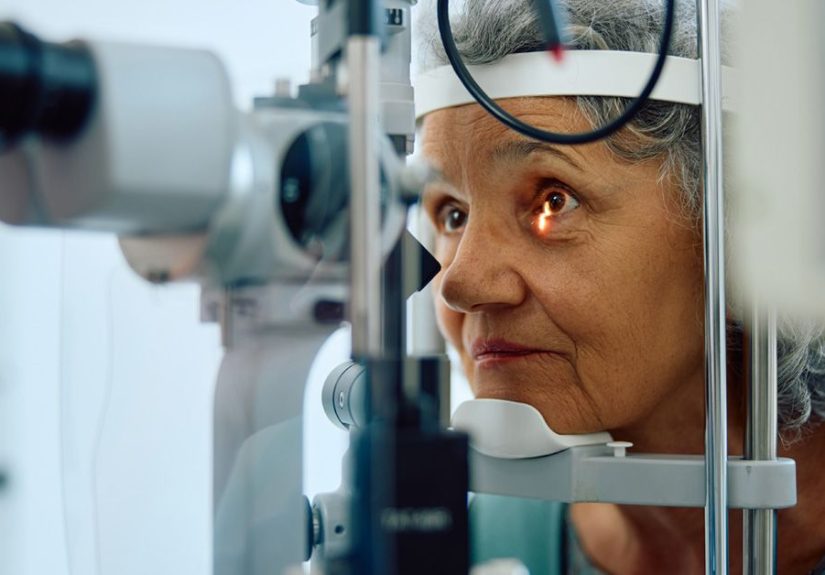
- Optic nerve health during a dilated exam
- Drainage angle anatomy with gonioscopy
- Visual field testing to look for blind spots
- Optic nerve imaging such as OCT
- Corneal status and inflammation at the slit lamp
Sometimes the answer is straightforward: pressure is up, treatment starts. Sometimes your doctor needs repeated visits to figure out whether a spike is temporary, medication-related, or part of longer-term glaucoma. Eye medicine loves nuance almost as much as it loves abbreviations.
Treatment Options
Treatment depends on the cause, timing, and severity of the problem.
For Temporary Pressure Spikes
Your doctor may prescribe pressure-lowering eye drops, adjust your existing drops, or monitor the pressure more closely over the next several visits. Many short-term spikes settle once the eye heals and inflammation decreases.
For Steroid-Related Pressure Elevation
The medication plan may be changed. Your doctor may taper the steroid, switch to a different anti-inflammatory strategy, or add glaucoma medication. Do not stop steroid drops on your own unless your surgeon tells you to. Free-styling your postop drop schedule is not a winning recovery strategy.
For Established Glaucoma
Treatment may involve ongoing glaucoma drops, laser treatment, or surgery if pressure remains too high or optic nerve damage progresses. If you already had glaucoma before cataract surgery, your treatment plan may need to be updated afterward rather than completely reinvented.
For Angle-Closure Emergencies
This may require immediate medications, laser treatment, or other urgent interventions to rapidly lower pressure and protect the optic nerve.
How to Protect Your Eye During Recovery
You cannot control every biological twist in healing, but you can do a lot to reduce risk and catch trouble early.
- Use your eye drops exactly as prescribed
- Do not skip follow-up appointments, even if vision seems fine
- Avoid heavy lifting, bending low, and strenuous activity until your surgeon says it is okay
- Protect the eye from dirty water, rubbing, and accidental bumps
- Report worsening pain, redness, or vision changes right away
- Tell your doctor if you have a history of glaucoma, narrow angles, or steroid response
This is the unglamorous part of recovery, but it matters. Healing eyes appreciate discipline more than optimism.
What Real Recovery Experiences Often Feel Like
Many people expect one of two stories after cataract surgery: either “I woke up seeing like an eagle” or “something went wrong.” Real life is usually messier and much more ordinary than that.
One common experience is the gritty-eye phase. Patients often say it feels like there is an eyelash, grain of sand, or tiny contact lens ghost hanging out in the eye. Vision may be brighter but not perfectly sharp yet. Colors can seem a little startling, almost like someone turned the saturation up on the world. This can be normal. The eye is healing, the surface is a bit irritated, and your brain is adjusting to the new optical setup.
Another common experience is the surprise pressure check. A person may feel mostly okay at the day-one visit and then learn their eye pressure is higher than expected. That can be unnerving, because many people assume high eye pressure should feel dramatic. Sometimes it does not. This is exactly why follow-up visits matter so much. A pressure spike can be found and treated before it causes bigger trouble.
Some patients describe a different pattern: they start off fine, then a week or two later the eye becomes blurrier, achier, or redder. In some cases, that is related to inflammation or a steroid response. In others, it may point to a separate complication that needs evaluation. The takeaway is simple: improving vision that suddenly reverses course deserves a phone call.
People who already have glaucoma often describe recovery with a weird mix of relief and extra vigilance. They may be thrilled that the cloudy cataract is gone, while also worrying that every little sensation means pressure is rising. In many cases, recovery goes well, but their doctors tend to watch pressure more carefully because a fragile optic nerve has less room for nonsense.
Patients with narrow angles or a history of angle problems sometimes describe much more intense symptoms if pressure rises quickly: deep eye pain, headache, rainbow halos, nausea, and a feeling that something is very wrong. That instinct should be trusted. When symptoms are sudden and severe, urgent evaluation is the right move.
There is also the emotional side, which does not get enough airtime. Eye symptoms are scary because vision is such a big part of daily independence. Many patients feel anxious when recovery is not perfectly smooth. That anxiety is understandable. The trick is not to ignore symptoms, but not to catastrophize every harmless twinge either. Mild scratchiness and early blur can be normal. Severe pain, red eye, sudden vision loss, or halos with nausea are not.
If there is one real-world lesson from patient experiences, it is this: the best outcomes usually happen when people stay in close contact with their eye doctor, use drops correctly, and speak up early when something feels off. In eye care, “I didn’t want to bother the office” is not a heroic quote. It is often the line people wish they had skipped.
Conclusion
Glaucoma after cataract surgery can mean several different things, from a short-lived pressure spike to a more serious pressure problem that needs treatment. The most important distinction is between normal healing and symptoms that signal trouble. Mild discomfort, light sensitivity, and temporary blur can be part of recovery. Severe pain, very red eye, halos, nausea, sudden vision changes, or new flashes and floaters need prompt medical attention.
The good news is that eye doctors know this territory well. With careful follow-up, timely pressure checks, and early treatment when needed, many postoperative pressure problems can be managed before they cause lasting harm. So yes, protect your eye, use your drops, keep your appointments, and call sooner rather than later if something feels wrong. Your optic nerve is not a fan of procrastination.