Table of Contents >> Show >> Hide
- What Gout Actually Is
- Why Alcohol Can Trigger Gout
- Wine vs. Beer vs. Liquor: Which Is Worse?
- So, Is Wine Better Than Beer and Liquor?
- What to Do During a Gout Flare
- What to Do Between Flares
- Other Factors That Change the Wine-vs-Beer Equation
- A Practical Bottom Line
- Common Real-World Experiences With Gout, Wine, Beer, and Liquor
- Conclusion
Gout has a reputation problem. Mention it at a dinner table and somebody will usually make an old joke about kings, feasts, and over-the-top indulgence. But for people who actually live with gout, it is less punchline and more ambush. One minute your foot is fine, the next minute your big toe feels like it has personally offended a volcano.
That is why the question of alcohol matters so much. A lot of people with gout want a straight answer: Is wine better than beer? Is liquor worse than wine? And is there any type of alcohol that gets a free pass? The honest answer is more nuanced than “red wine good, beer bad,” but there is a clear pattern. Beer is usually the worst choice for gout risk, liquor is not innocent, and wine may be somewhat less troublesome for some people in some situations, but it is absolutely not a magical loophole.
This article breaks down how gout works, why alcohol can make it worse, and how wine compares with beer and liquor in real life. We will also cover what people commonly experience when they test these drinks against their own bodies, whichfairly or notoften turns them into unwilling home scientists.
What Gout Actually Is
Gout is a form of inflammatory arthritis caused by high levels of uric acid in the body. When uric acid builds up, it can form needle-like crystals in joints and nearby tissues. Those crystals trigger swelling, heat, redness, and pain that can arrive fast and hit hard. The big toe is a classic target, but gout can also affect the ankles, knees, feet, wrists, elbows, and fingers.
The body makes uric acid when it breaks down purines, which are natural compounds found in your tissues and in certain foods and drinks. Normally, the kidneys filter uric acid and send it out through urine. Trouble starts when your body makes too much uric acid, your kidneys do not clear enough of it, or both happen at the same time. That is when hyperuricemia enters the picture, and gout can follow.
Genetics, kidney function, body weight, blood pressure, certain medications, dehydration, and diet all play a role. Alcohol is only one piece of the puzzle, but it is a very common oneand one that tends to show up right before people start bargaining with the universe at 2 a.m.
Why Alcohol Can Trigger Gout
Alcohol affects gout in more than one way. First, ethanol can increase uric acid production. Second, it can reduce the kidneys’ ability to get rid of uric acid efficiently. Third, some alcoholic drinks bring along extra purines or other dietary baggage that can make the situation worse.
In plain English, alcohol does not just add fuel to the fire. It also messes with the sprinkler system.
That is why the total amount you drink matters. Many people focus only on the type of alcohol, but dose is a big deal. A single drink is one thing. A “relaxing evening” that somehow becomes three cocktails, shared appetizers, a burger, and poor sleep is another. Gout loves group projects.
Wine vs. Beer vs. Liquor: Which Is Worse?
Beer: Usually the Biggest Problem
Among the three major categories, beer is usually the most strongly associated with gout risk. There are two main reasons. First, it contains alcohol, which can raise uric acid and reduce excretion. Second, beer contains purines from brewer’s yeast, giving it an additional gout-related disadvantage.
This double hit helps explain why beer so often tops the “avoid” list in gout nutrition advice. In observational research, beer has shown a stronger association with gout than spirits and a much stronger association than wine in older studies. It is also the drink many people underestimate. A casual can after work feels harmless, but volume adds up quickly, especially with craft beers, tall pours, and stronger alcohol-by-volume percentages.
Then there is the lifestyle factor. Beer is often consumed with wings, burgers, sausages, shellfish, or late-night salty snacks. That does not make beer guilty by association alone, but it does mean it tends to travel with company that gout already dislikes.
Liquor: Less Purine, Still Risky
Liquor does not carry the same purine load that beer does, which sometimes leads people to assume it is a safer choice. Safer than beer for some people? Maybe. Safe for gout? Not exactly.
Distilled spirits still deliver ethanol, and ethanol still interferes with uric acid handling. That means whiskey, vodka, rum, tequila, and gin can all contribute to gout risk, especially when consumed in larger amounts or during periods when the body is already under stress. If you are dehydrated, have been eating heavily, or are already close to a flare, liquor can still be the nudge that pushes things over the edge.
Cocktails can also create a second problem: sugar. Mixers made with soda, syrup, fruit juice concentrates, and sweet liqueurs can pile on fructose and excess calories. That matters because sugary drinks are also linked with gout risk. So while a neat pour may look cleaner on paper than beer, a giant sweet cocktail can behave like a wolf in a fancy glass.
Wine: Often Lower Risk, But Not a Free Pass
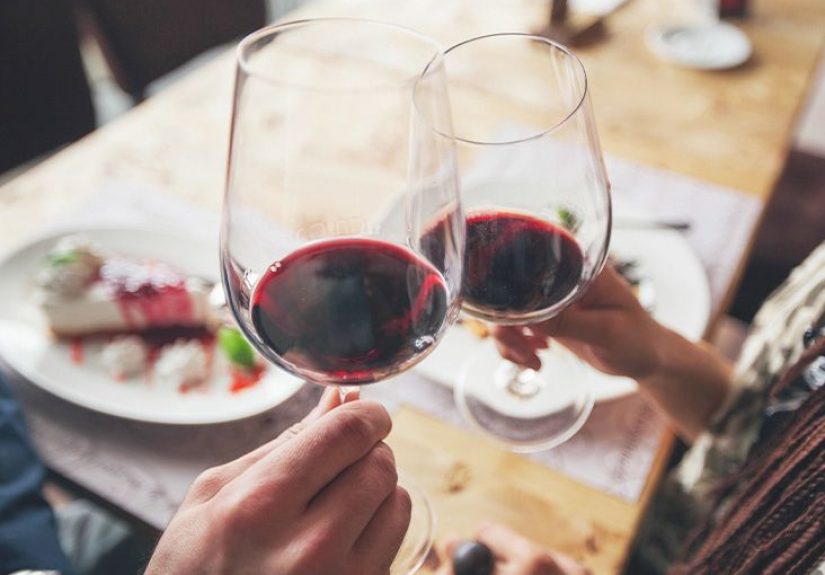
Wine gets the most debate. Some older studies found that moderate wine intake did not raise long-term gout risk the way beer and spirits did. That led to the popular idea that wine is the “safe” alcohol for gout. It is a comforting story. It is also too simple.
More recent evidence and clinical guidance suggest that any type of alcohol can raise the risk of recurrent gout attacks. In other words, wine may look gentler in some long-term population studies, but during real-life flare patterns, it is not off the hook. Some people tolerate a small glass of wine between attacks without obvious trouble. Others find that even wine can trigger symptoms, especially if they drink more than one serving, drink several days in a row, or combine it with dehydration and rich food.
The practical takeaway is this: wine may be lower risk than beer for some people, and sometimes lower risk than liquor in certain patterns of use, but it still counts as alcohol, and alcohol still matters in gout.
So, Is Wine Better Than Beer and Liquor?
If you are forcing the beverages into a ranking, the usual pattern looks like this:
- Worst for gout risk: Beer
- Still risky: Liquor
- Potentially less risky for some people: Wine
But that ranking needs an asterisk the size of a dinner plate. The amount you drink often matters as much as the category. One standard glass of wine is not the same thing as half a bottle poured with a generous hand. One shot of liquor is not the same as three strong mixed drinks. And one beer is not always one standard drink if it is a high-ABV craft pour served in a pint glass.
In the United States, a standard drink is generally 12 ounces of regular beer, 5 ounces of wine, or 1.5 ounces of distilled spirits. That sounds straightforward until restaurant pours, home pours, and “just a splash more” enter the chat.
What to Do During a Gout Flare
During an active gout attack, alcohol is a bad bet across the board. This is not the moment to test whether pinot noir is spiritually aligned with your metabolism. Clinical advice is pretty consistent here: avoid alcohol during flares.
Why? Because even if one type is less strongly linked than another in long-term studies, an active flare is when the body is already reacting to urate crystals. Adding alcohol can increase the chance of prolonging symptoms or worsening the inflammatory setup. Hydration, rest, and your prescribed treatment plan deserve center stage instead.
What to Do Between Flares
Between gout attacks, the smartest strategy depends on how active your gout is, your uric acid level, your medications, your kidney health, and your personal trigger pattern. Still, several rules tend to hold up well.
1. Keep the total amount low
If you choose to drink, the quantity matters enormously. Smaller amounts are less likely to cause trouble than large or repeated servings.
2. Beer is usually the first thing to cut
If you are trying to reduce gout risk without giving up every social drink immediately, cutting beer first usually makes sense.
3. Do not assume wine is harmless
Wine may be better tolerated than beer in some people, but “better tolerated” is not the same thing as “safe no matter what.”
4. Watch the company your drink keeps
Alcohol paired with shellfish, red meat, organ meats, sugary mixers, or dehydration is a classic gout setup. The beverage may get blamed, but the whole evening may be involved.
5. Keep an eye on uric acid control
If you have frequent flares, tophi, kidney stones, or chronic gout, lifestyle changes alone are often not enough. Medication to lower uric acid may be necessary, and that conversation belongs with a clinician.
Other Factors That Change the Wine-vs-Beer Equation
Gout is rarely caused by one thing in isolation. A person with healthy kidneys, no obesity, no diuretic use, and excellent uric acid control may tolerate an occasional drink very differently from someone with chronic kidney disease, uncontrolled uric acid, and a history of frequent flares.
Sex also matters somewhat in research, and newer studies suggest the relationship between specific beverages and gout risk can vary between men and women. Even so, the broad message remains the same: more alcohol means more gout risk, and beer tends to perform worst.
Sleep, travel, fasting, crash dieting, illness, and hard exercise with dehydration can also shift the odds. Sometimes the drink is not the only trigger. It is just the most photogenic one.
A Practical Bottom Line
If you have gout and want the simplest answer, here it is: beer is generally the worst choice, liquor is also risky, and wine may be somewhat less likely to cause problems for some peoplebut all alcohol can contribute to gout.
If you are in the middle of a flare, skip alcohol. If your gout is poorly controlled, frequent, or severe, skipping alcohol entirely may be the most sensible move. If you are stable and choose to drink occasionally, smaller amounts, fewer drinking days, good hydration, and avoiding beer usually offer the best odds of staying out of trouble. And if you keep having flares even when you think you are being “pretty careful,” it may be time to look beyond the glass and at your overall uric acid management plan.
Because with gout, the most important question is not “Can I get away with this drink?” It is “What pattern keeps me walking normally tomorrow?”
Common Real-World Experiences With Gout, Wine, Beer, and Liquor
People with gout often describe a pattern that sounds frustratingly familiar. Beer is the easiest trigger to spot because the reaction can feel obvious. Someone has a couple of beers at a barbecue, maybe along with burgers or shrimp, goes to bed feeling perfectly fine, and wakes up with a hot, throbbing toe. It is such a classic story that many patients learn to blame beer long before they understand uric acid chemistry.
Wine experiences are usually more mixed. Some people say they can have a single glass of wine with dinner and notice no problem at all. That is part of why wine has a gentler reputation. But the same people may discover that two or three glasses on vacation, at a wedding, or over a long weekend are a different story. The body does not grade your alcohol choices on elegance. It mostly notices the alcohol load, the hydration status, and the larger context.
Liquor has its own mythology. A common belief is, “I switched from beer to whiskey, so I should be fine.” Sometimes that swap does help, especially if it cuts out beer’s purine contribution and reduces overall volume. But plenty of people still report flares after bourbon, vodka, or mixed drinksespecially when pours are large or the mixers are sugary. In real life, one “small” home cocktail can quietly equal two standard drinks, and gout is not known for applauding math errors.
Another common experience involves delayed cause-and-effect. A person may drink on Friday, feel normal Saturday, and flare on Sunday or Monday. That lag makes it harder to connect the dots. It can also make wine seem innocent when the actual issue is cumulative exposure over a weekend of richer food, less water, poor sleep, and multiple drinks. Gout rarely announces, “It was definitely the second glass of merlot at 8:17 p.m.” It prefers mystery.
Many people also notice that their tolerance changes over time. Before diagnosis, they may have gotten away with regular drinking. After several gout attacks, the margin for error gets smaller. Once uric acid is chronically elevated, the body becomes less forgiving. On the flip side, people who get their uric acid under control with proper treatment often find that dietary triggers become less explosive. That does not mean anything goes, but it does mean long-term gout management is bigger than avoiding one specific beverage forever.
One of the most useful habits people describe is keeping a simple trigger diary. Not a dramatic spreadsheet worthy of an economics conferencejust a quick note of what they drank, how much, what they ate, whether they were dehydrated, and whether symptoms followed. Over time, patterns become clearer. Some discover beer is a hard no. Some learn that one glass of dry wine with food is usually okay, but cocktails on an empty stomach are a trap. Others learn that the true villain is not one drink, but the “special occasion” bundle of alcohol, steak, dessert, and almost no water.
The biggest shared lesson is this: gout is personal in the short term, but not random in the big picture. The details vary from person to person, yet the broader pattern is remarkably consistent. More alcohol usually means more risk. Beer tends to be the worst bet. Wine can be less troublesome for some, but it is not consequence-proof. And when people stop trying to outsmart gout with loopholes and start managing the whole pattern, they usually do better.
Conclusion
For people with gout, alcohol choice is less about finding a miracle drink and more about reducing damage. Beer usually poses the highest gout risk, liquor is still a meaningful trigger, and wine may sit somewhat lower on the risk ladder for some drinkersbut it remains alcohol, and alcohol still counts. During a flare, the safest move is to avoid it. Between flares, moderation, hydration, and attention to personal patterns matter more than wishful thinking. When gout is frequent or severe, proper medical treatment matters even more than beverage swapping.