Table of Contents >> Show >> Hide
- What Exactly Is Green Coffee (and Green Coffee Bean Extract)?
- Potential Benefits of Green Coffee
- Green Coffee for Weight Loss: What the Evidence Really Suggests
- How to Use Green Coffee Safely (If You Choose to Try It)
- Side Effects of Green Coffee
- Who Should Avoid Green Coffee (or Talk to a Clinician First)
- Green Coffee vs. Regular Coffee vs. Green Tea
- Smart Ways to Make Green Coffee More Likely to Help
- Real-World Experiences With Green Coffee (About )
- Conclusion
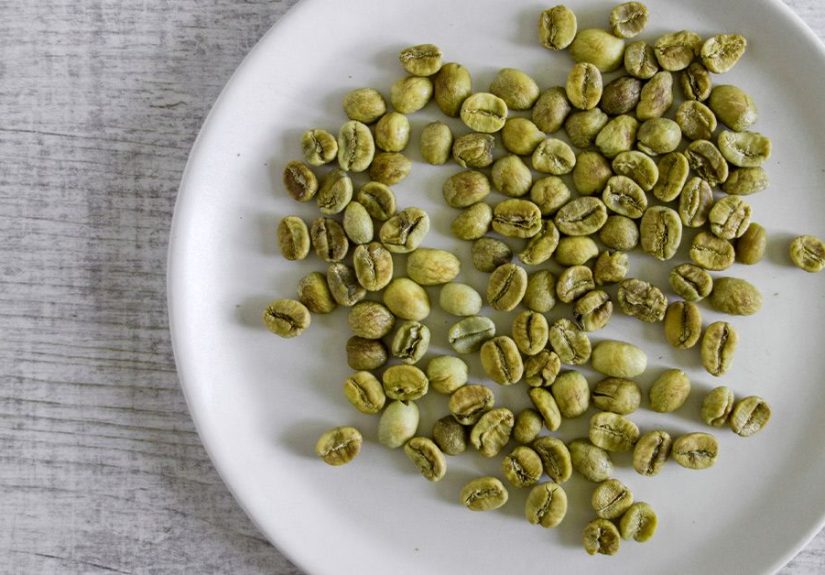
Green coffee isn’t coffee that’s jealous of matcha. It’s simply coffee beans before they’re roastedraw, unroasted seeds from the same plant that eventually becomes your morning cup. The “green” part refers to the bean’s natural color, not a new personality trait.
What makes green coffee interesting (and heavily marketed) is that roasting changes the bean’s chemistry. Unroasted beans tend to retain more chlorogenic acidsplant compounds often discussed for antioxidant and metabolic effects. So when you see “green coffee bean extract” in supplements, the goal is usually to deliver a concentrated dose of those compounds, sometimes with caffeine included, sometimes partially removed.
Let’s sort the hype from the helpful: what green coffee is, what it might do, what it probably won’t do, and how to use it safely if you choose to try it.
What Exactly Is Green Coffee (and Green Coffee Bean Extract)?
Green coffee beans are unroasted coffee beans. Green coffee bean extract is a concentrated form (usually a capsule, tablet, or powder) made by extracting compoundsoften standardized for chlorogenic acidsfrom those unroasted beans.
What’s inside it?
- Chlorogenic acids (CGAs): A family of polyphenols found in coffee plants and other foods.
- Caffeine: Often present, sometimes in meaningful amounts. Some products are “decaf,” but “decaf” doesn’t always mean “zero.”
- Other coffee compounds: Minor polyphenols and acids that vary by brand and processing.
Translation: green coffee supplements can differ a lot. Two bottles may both say “green coffee,” yet deliver very different chlorogenic acid and caffeine levelsone reason results (and side effects) can vary so widely from person to person.
Potential Benefits of Green Coffee
The strongest claims you’ll hear“melts fat,” “shrinks belly,” “works without diet or exercise”are exactly the ones you should side-eye. The more realistic discussion is about modest metabolic effects that may or may not matter in the real world.
1) Antioxidant support (a “maybe useful” benefit)
Chlorogenic acids are antioxidants, meaning they can help neutralize free radicals in lab settings. In everyday life, antioxidants are one piece of a much bigger puzzle that includes overall diet quality, sleep, stress, and physical activity.
If you’re already eating fruits, vegetables, beans, whole grains, nuts, and sipping coffee or tea, you’re not exactly living in an antioxidant desert. Green coffee may add a little morebut it’s not a shortcut around a low-quality diet.
2) Blood sugar and insulin markers (promising, but not a substitute for care)
Some research suggests green coffee extract may support healthier glucose metabolism in certain groups. Mechanistically, chlorogenic acids have been studied for effects like slowing carbohydrate absorption and influencing glucose handling in the body.
Important reality check: if you have prediabetes or diabetes, green coffee is not a replacement for medical care, nutrition changes, or prescribed medication. But it may be worth discussing with a clinicianespecially because anything that nudges glucose can also interact with glucose-lowering treatments.
3) Blood pressure and heart health (complicated by caffeine)
Here’s where the plot thickens. Chlorogenic acids are often discussed for potential blood pressure benefits. But many green coffee products also contain caffeine, and caffeine can temporarily raise heart rate and blood pressure in some peopleespecially if you’re sensitive, don’t consume caffeine regularly, or take high doses.
If you have hypertension, heart rhythm issues, panic/anxiety tendencies, or sleep problems, the caffeine angle matters as much as (or more than) the chlorogenic acid angle.
Green Coffee for Weight Loss: What the Evidence Really Suggests
Green coffee’s weight-loss reputation is a mix of: (1) plausible biology, (2) small studies, (3) marketing megaphones, and (4) some historical messiness in early hype.
What studies and reviews generally find
When researchers look at multiple trials together, green coffee extract sometimes shows small reductions in body weight or BMI. Think “modest difference,” not “new body, who dis?” Some analyses report that higher chlorogenic acid dosing (often around the neighborhood of several hundred milligrams daily) is associated with greater weight changes.
Why results can look better on paper than in your life
- Short study durations: Many trials run for weeks, not months or years.
- Small sample sizes: Small studies can overestimate effects by chance.
- Product variability: Different extracts, different doses, different caffeine levels.
- Weight vs. fat loss: Some changes may reflect water shifts or appetite changes rather than meaningful fat loss.
The “diet craze” cautionary tale
Green coffee went viral in the 2010s, helped by a widely publicized study that was later retracted. Regulators also pursued actions against deceptive marketing tied to dramatic claims. That history doesn’t mean green coffee can’t have any effect; it means you should treat miracle-level promises like a suspicious text from an unknown number asking for gift cards.
A practical verdict
If green coffee helps at all, it’s likely as a small assistpossibly via mild appetite effects, slight metabolic changes, or improved adherence (some people simply get more “on track” when they start a routine). But it won’t outwork a high-calorie diet, minimal movement, poor sleep, and constant stress. Nothing does. Not even the supplement aisle’s best fiction writers.
How to Use Green Coffee Safely (If You Choose to Try It)
Supplements are not regulated like prescription drugs. Quality, potency, and caffeine content can vary. If you’re going to try green coffee, do it like a cautious adultnot like someone who just discovered “Buy One Get One Free.”
1) Start low, go slow
Many side effects are dose-related (especially caffeine). Starting with the lowest suggested serving can help you see how you react.
2) Track your total caffeine
Health authorities commonly cite around 400 mg/day of caffeine as an upper limit for most healthy adultsbut sensitivity varies a lot. Count caffeine from coffee, tea, energy drinks, pre-workout powders, chocolate, and medications, plus your green coffee supplement if it contains caffeine.
3) Look for third-party testing
If possible, choose products with independent quality verification (for example, well-known third-party testing programs). This doesn’t guarantee effectiveness, but it can reduce the odds you’re buying a capsule of mystery dust with a side of surprise caffeine.
4) Time it wisely
If your supplement has caffeine, avoid taking it late in the day. Sleep is a major driver of appetite regulation, cravings, and workout recovery. A supplement that trashes your sleep can quietly sabotage weight goals.
Side Effects of Green Coffee
Most side effects are either caffeine-related or linked to how your digestive system handles concentrated plant compounds.
Commonly reported side effects
- Jitteriness, anxiety, restlessness
- Insomnia or lighter sleep
- Headache
- Upset stomach, nausea
- Increased heart rate or palpitations
- More frequent urination
Less common concerns
Higher doses of chlorogenic acids have been discussed in relation to changes in certain blood markers (like homocysteine) in some contexts. The real-world significance is still debated, but it’s another reason not to treat “more” as “better.”
Who Should Avoid Green Coffee (or Talk to a Clinician First)
Please don’t use this section as a “challenge accepted” list. It’s a “pause and ask first” list.
- Pregnant or breastfeeding: Caffeine limits are lower, and supplement safety data are limited.
- People with anxiety, panic disorder, or insomnia: Caffeine can worsen symptoms.
- High blood pressure or heart rhythm issues: Stimulant effects can be problematic.
- Diabetes or prediabetes on medication: Potential glucose effects may require monitoring.
- People taking stimulant medications or decongestants: Combined stimulation may raise side effect risk.
- Kids and teens: Generally not appropriate without medical guidance.
Green Coffee vs. Regular Coffee vs. Green Tea
Is green coffee just “healthier coffee”?
Not exactly. Regular coffee contains antioxidants too, and many people tolerate it well. Green coffee focuses attention on chlorogenic acids, but it’s not automatically “better.” In some people, the supplement form can produce stronger side effects than a normal cup of coffee because it’s concentrated.
Does drinking coffee help with weight loss?
Coffee can reduce appetite temporarily for some people and slightly boost alertness and workout performance. But “coffee helps weight loss” quickly turns into “coffee plus syrup, whipped cream, and a pastry helps weight gain.” Plain coffee is not the problem; coffee-dessert cosplay often is.
Smart Ways to Make Green Coffee More Likely to Help
If you want to give green coffee a fair test, pair it with habits that actually move the needle.
Pair it with the “boring basics” (boring = effective)
- Protein at meals to support fullness (e.g., eggs, Greek yogurt, chicken, tofu, beans).
- Fiber daily (vegetables, berries, oats, lentils).
- Strength training 2–4 times/week to protect muscle during weight loss.
- Sleep (yes, really) because sleep loss cranks up cravings and hunger hormones.
- Calorie awareness without obsessionliquid calories and snacks add up fast.
Specific example: what “small assist” looks like
Imagine someone whose afternoon slump triggers a vending-machine run. If a low-dose, well-timed green coffee product (or plain coffee) helps them feel alert enough to skip that routine candy bar most days, the benefit is indirectbut real. That’s how a “modest effect” becomes meaningful: not magic metabolism, just fewer autopilot calories.
Real-World Experiences With Green Coffee (About )
Research is one thing. Real life is anotherfull of deadlines, birthday cake, and that one coworker who keeps leaving donuts in the break room “because they were on sale.” Below are common experience patterns people report when trying green coffee products. These are not guarantees, and they’re not medical advicejust realistic snapshots of what tends to happen.
Experience #1: “It helped… but mostly because I stopped snacking.”
Some people notice a subtle appetite dip or a steadier energy curveespecially if they were previously dragging through the afternoon. The result isn’t dramatic fat-melting; it’s fewer impulsive snacks. One typical story: a person takes green coffee in the morning, feels slightly more focused, and ends up skipping the mid-morning pastry they usually inhale while “just checking email.” Over a month, that small shift can matter. The catch: if the supplement makes them skip breakfast and then rebound-eat at night, the “help” disappears. For these folks, green coffee works best when it supports routineregular meals, planned snacks, and a consistent sleep schedule.
Experience #2: “I couldn’t sleep, and then everything got worse.”
Sleep is the quiet CEO of weight management. If green coffee contains caffeine (and many do), some users report feeling wired, restless, or having lighter sleepespecially if they take it after lunch. The next day they’re tired, hungrier, and more likely to crave sugary foods. It becomes a loop: take the supplement for energy, lose sleep, crave carbs, take more caffeine. If you recognize yourself in that spiral, it’s a sign to stop or switch to a truly decaffeinated option, reduce the dose, or move it earlier in the day. A supplement that disrupts sleep is like hiring a personal trainer who steals your sneakers.
Experience #3: “My stomach protested. Loudly.”
Concentrated extracts can upset the stomach in some people. The pattern is usually nausea, heartburn, or a vague “my gut is judging me” feelingoften when taken on an empty stomach. Some do better with food; others do better avoiding it altogether. This is also where product quality matters: fillers, added stimulants, and inconsistent dosing can make symptoms worse. If your digestive system throws a tantrum, it’s not a character flaw. It’s feedback.
Experience #4: “Nothing happened… except my wallet got lighter.”
Plenty of people report no noticeable changes in appetite, energy, or weight. That doesn’t mean they did anything wrong. It may simply mean the effect size is small, the product dose is too low (or poorly standardized), or their body doesn’t respond in a meaningful way. If you’ve used it consistently for a reasonable trial period and nothing changesno improved habits, no better energy, no measurable progressthen green coffee is probably not your tool. The “best” supplement is the one that helps you build habits you can keep, not the one with the fanciest label.
Conclusion
Green coffee is unroasted coffee, usually sold as a concentrated extract that emphasizes chlorogenic acids (and often includes caffeine). The research suggests any weight-loss effect is likely modest, and the biggest wins tend to come from how it influences appetite, energy, and daily habitsnot from a metabolism miracle.
If you want to try it, prioritize safety: watch total caffeine, start low, choose quality-tested products, and avoid wrecking your sleep. If you have medical conditions or take medicationsespecially those related to blood pressure, heart rhythm, or blood sugartalk with a clinician first.