Table of Contents >> Show >> Hide
- Why This Headline Hits a Nerve
- The Difference Between Help and Ghostwriting
- Why a Bride Might Actually Walk Away
- What Makes Great Wedding Vows Sound Human
- Can ChatGPT Help Without Ruining the Romance?
- The Real Lesson Behind the Viral Drama
- If You Are Writing Wedding Vows Right Now, Read This First
- Extra Experiences Related to AI-Written Wedding Vows
- Conclusion
Weddings are emotional, expensive, memorable, and just a little bit unhinged. One minute everyone is crying over the flowers, the next minute someone is panic-ordering extra chairs, and somewhere in the middle, a groom decides that artificial intelligence should help him express eternal love. What could possibly go wrong? Quite a lot, actually.
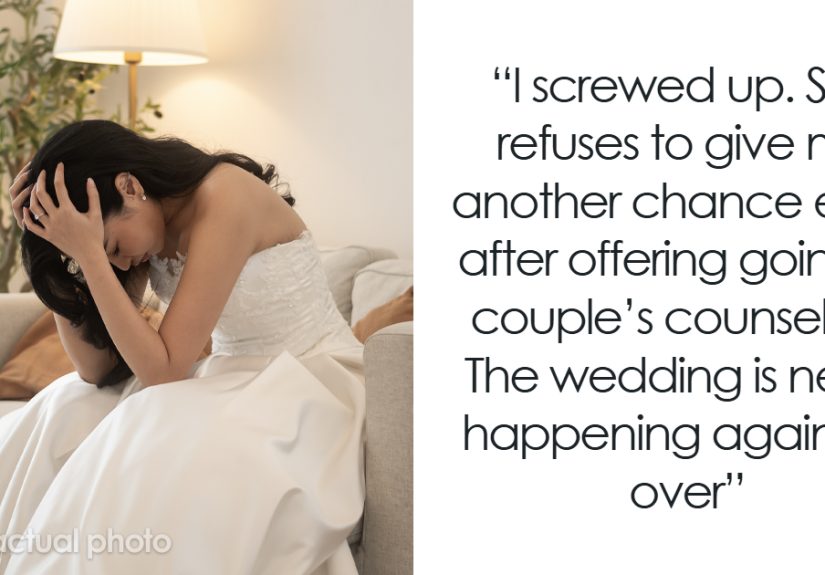
The headline “Groom Uses ChatGPT For His Wedding Vows, Can’t Believe Bride Leaves Him At The Altar” sounds like internet chaos at its finest, and that is exactly why it keeps grabbing attention. It combines three ingredients people cannot resist: wedding drama, AI anxiety, and the timeless human tendency to take a shortcut at the exact worst moment. But underneath the clicky headline is a real modern question: if wedding vows are supposed to be the most intimate promises you ever make, what happens when a chatbot starts doing the talking?
The answer is not as simple as “AI bad, romance good.” Plenty of couples now use digital tools to brainstorm vows, organize ceremonies, and get past the terror of the blinking cursor. The bigger issue is authenticity. Most people are not offended by a little help. They are offended when something deeply personal feels outsourced, polished into mush, or presented as heartfelt human truth when it was really generated in a panic five minutes before the rehearsal dinner.
Why This Headline Hits a Nerve
There is a reason this kind of story spreads so quickly. Wedding vows are not just another speech. They are not a best man toast, a LinkedIn post, or a quarterly report with better shoes. Vows are supposed to sound like one person making promises to another person, in a voice only that relationship could produce.
That is why people react so strongly when AI enters the picture. If a groom uses ChatGPT for wedding vows and the bride finds out, the real problem usually is not grammar, sentence rhythm, or whether the promises were technically sweet. The real problem is that vows are a performance of sincerity. The moment they feel borrowed, mass-produced, or strangely robotic, the emotional floor drops out from under the ceremony.
In other words, no one wants to hear, “I vow to cherish our synergistic future and optimize our shared happiness.” That is not romance. That is a startup onboarding document in a tuxedo.
The Difference Between Help and Ghostwriting
This is where the conversation gets interesting. Using ChatGPT for wedding vows is not automatically a relationship crime. There is a massive difference between using AI as a helper and using it as a ghostwriter.
When AI assistance is probably fine
If someone uses AI to brainstorm structure, generate prompts, suggest examples, or help organize scattered thoughts, most reasonable people would not call that a betrayal. That is closer to using a writing coach, a template, or a very eager friend who never gets tired. The writer still does the emotional labor. The memories are still real. The promises still come from the heart.
For example, a groom might type in a few details about how he met his partner, the habits he loves, and the future he imagines, then use the response as a rough draft he heavily rewrites. In that case, AI is more like a jump-start cable than a replacement engine.
When AI assistance becomes a disaster
The trouble starts when the tool does all the emotional heavy lifting. If a person copies a generated paragraph, memorizes it, and presents it as a raw expression of love, that is where people begin to feel duped. The vows may sound lovely. They may even cause tears. But if the partner later discovers the sentiment was outsourced, the beauty of the moment can flip into embarrassment or hurt.
Why? Because the question changes from “Did you love me?” to “Did you really mean these words?” That is an ugly question to introduce into a wedding.
Why a Bride Might Actually Walk Away
Would every bride leave? Of course not. Some would laugh it off. Some would be annoyed for exactly twelve hours. Some would say, “Fine, but at least tell me you edited the weird parts.” But a dramatic reaction is not hard to understand.
If a bride walks away after learning the groom used ChatGPT for wedding vows, she may not be reacting to AI alone. She may be reacting to what the AI use symbolizes.
It can feel like emotional laziness
Wedding vows are one of the few moments in life where effort matters almost as much as eloquence. Nobody expects perfection. In fact, a few stumbles often make vows more touching. But people do expect sincerity. When someone offloads that task to software, it can read as, “I wanted the effect of vulnerability without the work of vulnerability.” That lands badly.
It can feel deceptive
Many couples are not upset that AI was used. They are upset that AI was hidden. Secrecy changes the meaning of the act. A couple who openly says, “We both used prompts to get started,” is dealing in teamwork. A spouse who lets the other person believe every line was personally crafted is gambling with trust during one of the most emotionally charged days of their life.
It can make the whole ceremony feel fake
Weddings are built on symbolism. The dress, the rings, the music, the walk down the aisle, the vows; every part means more than the object itself. So if the centerpiece of the ceremony suddenly feels artificial, some people experience that as a crack in the foundation, not a tiny formatting issue.
That is why the headline works. It is not just “man used software.” It is “man replaced the emotional core of a sacred moment with something that may have sounded right but did not feel earned.”
What Makes Great Wedding Vows Sound Human
The funny thing is that the best vows are rarely the most literary. They are not trying to win an award. They are trying to sound true. Wedding experts often return to the same advice: keep the tone aligned, include specific details, make concrete promises, and speak in a way that sounds like you on your very best day.
That means great vows usually include details a machine cannot invent convincingly without heavy human input. Maybe you mention the way your partner leaves coffee mugs in impossible places. Maybe you talk about the rainy Tuesday when they picked you up after a terrible day and did not ask for a speech, just handed you fries. Maybe you promise to keep choosing them when life gets messy, boring, loud, expensive, or all four at once.
Specificity is everything. “I love your kindness” is nice. “I love how you call my mom when you know I am too stressed to remember” is memorable. One is generic. The other is a real relationship.
That is also why fully AI-generated vows often miss the mark. They know the language of devotion, but they do not naturally know the texture of your life unless you give them that texture yourself. Without those details, the vows can come out sounding polished but oddly vacant, like a luxury hotel lobby with no one in it.
Can ChatGPT Help Without Ruining the Romance?
Yes, absolutely. The trick is to use the tool in a way that supports honesty instead of replacing it.
Use AI for prompts, not for the final promise
A helpful prompt might ask you to list your favorite memories, define what marriage means to you, or turn a rambling page of notes into a cleaner outline. That is productive. It saves time without stealing authorship.
Rewrite everything in your own voice
If a sentence sounds like something you would never say while fully conscious and not possessed by a Victorian poet, cut it. Your vows should sound like you after a deep breath, not like a chatbot trying to win “Most Tender Person Alive” in three paragraphs or less.
Tell your partner your approach
Transparency matters. If you used AI to get unstuck, say so. That one act of honesty changes the emotional equation. Hidden help feels suspicious. Shared help feels modern.
Keep the imperfections
One of the biggest mistakes people make is over-polishing. Real vows can tremble a little. They can include a joke that is only funny to two people. They can have a sentence that would make an editor raise an eyebrow but make a spouse cry anyway. That is not bad writing. That is intimacy.
The Real Lesson Behind the Viral Drama
The fascination with stories like “Groom Uses ChatGPT For His Wedding Vows, Can’t Believe Bride Leaves Him At The Altar” is really fascination with a larger cultural shift. We now live in a world where machines can draft love notes, anniversary messages, apology texts, and wedding promises. They can mimic tenderness at astonishing speed. That convenience is useful, but it also creates a new emotional dilemma: just because AI can say something beautifully, should it say it for you?
For grocery lists, maybe. For vows, people are much less sure.
That uncertainty is why these stories keep resonating. They force couples to ask uncomfortable but healthy questions. What counts as authentic expression? How much assistance is too much? Is the value of the vow in the wording itself, or in the struggle to find the wording? And if your partner cannot tell whether your promise came from your heart or your prompt box, what exactly are they marrying?
Those are not anti-technology questions. They are pro-honesty questions.
If You Are Writing Wedding Vows Right Now, Read This First
If you are tempted to use ChatGPT for wedding vows, do not panic. You do not need to throw your laptop into the sea and return to quill pens. You just need a better strategy.
Start by writing the messy version yourself. Put down the memories, the jokes, the gratitude, the fears, and the promises. Then, if you want help, use AI to organize, tighten, or suggest transitions. Keep anything that sounds unmistakably like you. Delete anything that sounds like it belongs on a scented candle.
Most of all, remember this: your partner is not expecting a masterpiece. They are expecting you. The line that makes them cry will probably not be the fanciest one. It will be the one that sounds so specifically, undeniably yours that no machine could have faked it.
And if you are about to get married, here is the golden rule: never let your beloved find out from the best man, a bridesmaid, a suspiciously polished phrase, or your browser history that a robot wrote your promises of eternal devotion. That is not a wedding hack. That is a speed-run to couples counseling.
Extra Experiences Related to AI-Written Wedding Vows
One reason this topic keeps exploding online is that it touches a nerve people recognize from their own lives. Even if they have never heard vows generated by ChatGPT, they understand the emotional setup. Writing something heartfelt can be terrifying. Many people freeze when they have to express real feeling in plain language. They worry they will sound cheesy, awkward, or less eloquent than the moment deserves. That is exactly when AI becomes tempting. It offers instant language, instant polish, and instant relief. For a stressed-out groom, that can feel like salvation. For a bride expecting something personal, it can feel like a shortcut through the soul.
There is also the experience of hearing a message that sounds technically beautiful but emotionally off. Lots of people know that weird sensation. The words are right, the rhythm is smooth, and the sentiment checks every box, yet something feels strangely airbrushed. It is like receiving a birthday card that says everything it should say but somehow misses you. In a wedding ceremony, that disconnect becomes louder. Guests might still clap. Family members might still cry. But a partner who knows your speech patterns, your humor, your emotional habits, and the way you normally say “I love you” can sometimes sense the gap instantly.
Another common experience is not anger at first, but humiliation later. Imagine finding out after the ceremony that the vows that moved you were generated with a prompt. Suddenly the memory gets rewritten in your mind. What felt intimate now feels staged. What felt spontaneous now feels managed. Some people could forgive that quickly, but many would replay the scene over and over, wondering whether the moment belonged to the relationship or to the performance. That is why disclosure matters so much. The same AI assistance that might feel harmless before the ceremony can feel devastating after the fact if it is revealed like a secret.
Then there is the repair experience. Couples do recover from things like this. In some cases, the real healing starts when the person who used AI sits down and says the unscripted thing at last: “I was overwhelmed. I got scared. I wanted to sound worthy of you, and I took the wrong shortcut.” Oddly enough, that clumsy confession may be more meaningful than the polished vow ever was. It is human, vulnerable, and imperfect, which is exactly what many partners wanted in the first place.
Finally, there is the lesson many couples end up learning the hard way: people rarely need poetic perfection from the person they love. They want evidence of attention. They want proof that you noticed their habits, remembered the hard seasons, valued the ordinary days, and chose promises that actually fit the life you are building together. AI can help arrange words, but it cannot replace the witness of being known. That is why this headline lingers. It is not really about software. It is about whether love can survive the moment when someone confuses sounding sincere with being sincere.
Conclusion
The story angle in “Groom Uses ChatGPT For His Wedding Vows, Can’t Believe Bride Leaves Him At The Altar” may be dramatic, but the emotional logic behind it is easy to understand. Wedding vows are not just decorative language. They are a test of presence, honesty, and effort. AI can be useful as a brainstorming tool, an organizer, or a confidence boost. But the second it replaces genuine authorship, the risk is no longer bad writing. The risk is broken trust.
So yes, use modern tools if they help you say what you mean. Just make sure you still mean what you say. Because on your wedding day, nobody is marrying your prompt. They are marrying you.