Table of Contents >> Show >> Hide
- What Is Henrybuilt, Exactly?
- The Henrybuilt “System” Concept: More Than Cabinets
- Craft + Materials: Why Henrybuilt Feels Different in Person
- How the Design Process Typically Works
- A Concrete Example of Performance-First Design
- Where You Can Experience Henrybuilt: Showrooms and Reach
- Space Theory: The “Sibling Brand” You’ll Hear About
- How Henrybuilt Compares to Other High-End Cabinetry
- Pricing: What Drives the Cost (and How to Think About Value)
- Is Henrybuilt Worth It?
- of “Experience”: What Living With a Henrybuilt-Style System Feels Like
- Conclusion
There are kitchen cabinets, and then there are kitchen systemsthe kind that make you feel like your spatulas
finally joined a union and negotiated better working conditions. Henrybuilt lives in that rarified air: architecturally
integrated, obsessively crafted, and designed to make everyday cooking feel less like chaos and more like choreography.
If you’ve ever looked at a beautifully minimal kitchen and wondered, “Where did the toaster godid it get adopted?”
Henrybuilt is often the answer. This article unpacks what Henrybuilt is, why designers treat it like a secret handshake,
how the “system” concept actually works in real homes, and what you should know before you decide your pantry deserves
a glow-up worthy of a design magazine spread.
What Is Henrybuilt, Exactly?
Henrybuilt is an American luxury cabinetry and home-systems company best known for high-end, modern kitchensthough the
brand’s reach extends into wardrobes, bathrooms, entryways, and other “daily-life zones” where clutter likes to throw
parties. The core idea is simple: build a kitchen that performs like professional equipment but feels like tailored
furniturequietly refined, deeply functional, and made to last.
Unlike typical cabinet lines that start and end with boxes and doors, Henrybuilt treats the kitchen as an integrated
environment. Think: cabinetry, panels, doors, storage tools, specialized inserts, and architectural details designed to
work togetherso the space looks calm even when you’re cooking like a caffeinated contestant on a reality show.
Why designers talk about it like a “system”
Henrybuilt’s reputation isn’t just about pretty wood grain (though yes, that too). It’s about repeatable logicproportions,
alignment, and components that connect across the whole room. That system mindset tends to produce kitchens that age well:
less trend-chasing, more “this will still look great when your kid graduates… or when your dog finally learns not to bark
at the blender.”
The Henrybuilt “System” Concept: More Than Cabinets
In the Henrybuilt world, a kitchen isn’t a row of cabinetsit’s a toolkit for living. The system approach focuses on how
people actually move through a kitchen: prep, cook, clean, store, repeat. The goal is fewer friction points and fewer
“why is the colander in this cabinet?” moments.
Architectural integration: the secret sauce
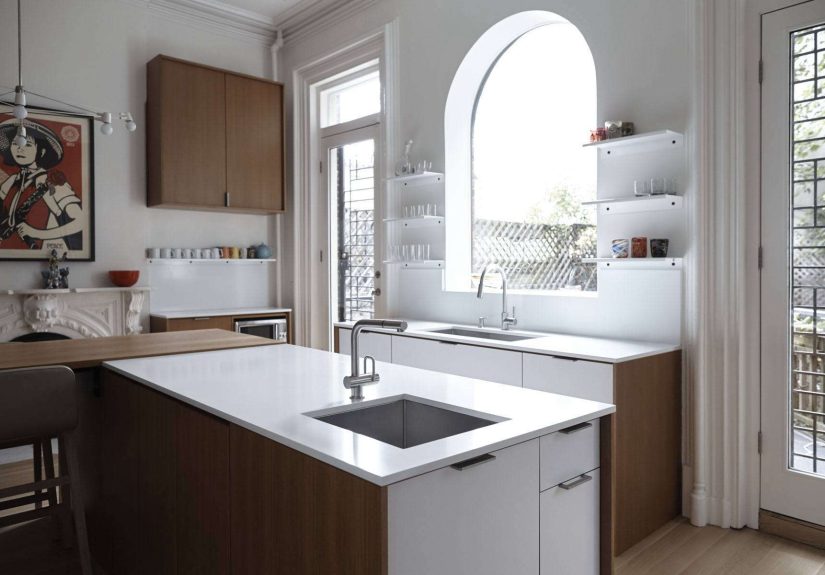
A Henrybuilt kitchen often reads as part of the architecture rather than a furniture set dropped into the room. Panels can
align with walls; appliance zones can disappear behind pocket doors; storage can be designed as a continuous plane.
Translation: less visual noise, more “ahhh.”
Specialized tools that make daily life smoother
The system idea shows up in the detailsespecially in storage and workflow. Instead of generic shelves, you’ll see
purpose-built zones: organized drawers, appliance garages, integrated shelving, and components that adapt when your habits
change. It’s the difference between “I own a kitchen” and “my kitchen understands me.”
Craft + Materials: Why Henrybuilt Feels Different in Person
Luxury is a loaded word. In kitchens, it can mean “Italian marble that stains if you look at it wrong” or “handles that
feel like jewelry.” Henrybuilt’s version leans toward performance: materials, joinery, and tolerances that hold up to real
cooking, real kids, and real life.
Made-to-order, built with manufacturing-level precision
Henrybuilt kitchens are typically made to order, which matters because custom work isn’t just about sizeit’s about
consistency. When doors align, gaps stay even, and panels meet cleanly, your kitchen looks quiet and intentional rather
than “assembled during a group project with mixed levels of effort.”
Material choices that balance warmth and modernism
Henrybuilt projects commonly pair modern silhouettes with materials that add depth: walnut and other woods, metal accents,
durable surfaces, and understated finishes that don’t scream for attention. You’ll also find examples in the wild where
these materials are combined with practical, real-home choiceslike dark countertops, integrated shelves, and cabinetry
that feels more like built-in furniture than a typical cabinet run.
How the Design Process Typically Works
If you’re expecting a “pick door style A, choose paint B, done” experience, Henrybuilt will politely (and stylishly) tell
you this is not that kind of party. The process is usually collaborative and detail-heavyoften involving homeowners,
architects, interior designers, and builders.
Step 1: Defining how you actually live
The best Henrybuilt kitchens begin with uncomfortable honesty. Do you cook daily or mostly assemble snacks while staring at
the fridge? Do you entertain? Do you bake? Are you a “clear counters” person or a “countertop museum” curator? The point
is to design storage and layout around behavior, not fantasy.
Step 2: Planning zones (prep, cook, clean, store)
System kitchens tend to shine when the layout supports your rhythm. A well-planned prep zone means knives, boards, and
mixing tools are near the workspace. A smart cooking zone keeps utensils and spices in reach. A clean-up zone minimizes
clutter. This is glamorous in the way that good socks are glamorous: you don’t notice them until you wear bad ones.
Step 3: Refining details that affect daily use
The most “Henrybuilt” part is often the small stuff: the right kind of concealed storage, consistent reveals, thoughtful
tool placement, and integrated components that reduce visual clutter. That’s where the system stops being a concept and
becomes a lifestyle upgrade.
A Concrete Example of Performance-First Design
One reason Henrybuilt shows up in architecture and design conversations is that the brand tends to prioritize usability
over fleeting trends. In a professional-kitchen case study published for architects, details like pocket doors concealing an
appliance garage and carefully controlled gaps between surfaces were highlighted as part of an aesthetic that’s both clean
and durable. Even a wet bar can be designed to feel furniture-like while still doing real work.
The takeaway: Henrybuilt kitchens are often engineered to handle heavy daily use while staying visually calm. It’s the
kitchen equivalent of someone who can deadlift a refrigerator but also owns a lint roller.
Where You Can Experience Henrybuilt: Showrooms and Reach
Henrybuilt isn’t the kind of brand you usually “add to cart.” Most people experience it in a showroom or through a project
team. Visiting in person matters because the tactile sidehow drawers glide, how finishes read in different light, how
integrated panels aligndoesn’t fully translate through a screen.
Notable showroom markets
- New York City (Brooklyn/DUMBO): A large showroom presence in a historic building near Brooklyn Bridge Park.
- Los Angeles: A by-appointment showroom in DTLA’s Arts District.
- Seattle: Headquarters and a deep connection to the brand’s production roots.
- Bay Area: A long-standing West Coast design market presence.
Henrybuilt projects span a wide range of homesurban renovations, modern new builds, and architect-led residences where the
kitchen needs to look like it was born there, not delivered in pieces.
Space Theory: The “Sibling Brand” You’ll Hear About
Henrybuilt’s influence extends beyond its flagship line through Space Theory, a related brand created to offer a more
accessible system-kitchen approach. The big idea: keep the system logic, reduce complexity, and use technology to simplify
planning.
Design Engine software and cost transparency
Space Theory is known for its planning softwareoften described as a friendlier, more guided design tool that helps users
assemble a kitchen layout with clearer visibility into cost as choices are made. In practical terms, it’s meant to shorten
the path between “I want a good kitchen” and “I understand what this will cost,” without requiring a full bespoke design
process.
How it relates to Henrybuilt
If Henrybuilt is a tailored suit, Space Theory is the high-quality suit that’s been professionally hemmed and pressedstill
sharp, but built to be more attainable. It’s also frequently shown alongside Henrybuilt in the same showroom ecosystem,
which makes it easier to compare the feel, materials, and approach.
How Henrybuilt Compares to Other High-End Cabinetry
People often cross-shop Henrybuilt with European system kitchens and top-tier American custom cabinetry. The similarities
are realminimalist lines, precision, performance. The difference is how Henrybuilt blends system thinking with an
American-made, architect-collaborative approach and a product family designed to integrate across multiple rooms.
Compared with typical custom cabinets
Traditional custom cabinetmakers can deliver stunning work, but outcomes vary with the shop’s process and the installer’s
discipline. Henrybuilt’s “system” approach aims for repeatable consistencylike the difference between a handcrafted chair
and a handcrafted chair plus a blueprint that guarantees the chair won’t wobble in three months.
Compared with European system kitchens
European brands have pioneered the system idea for decades. Henrybuilt’s niche is bringing that philosophy into a distinctly
American contexttailored for U.S. homes, collaboration styles, and a wide range of architectural conditions.
Pricing: What Drives the Cost (and How to Think About Value)
Henrybuilt pricing is typically project-specific, because choices matter: size, layout complexity, finish palette, integrated
panels, islands, specialty components, and how much of the home is being included beyond the kitchen.
Realistic cost drivers
- Scope: One-wall kitchen vs. full kitchen + pantry + mudroom + wardrobe system.
- Materials and finishes: Wood species, metal details, specialty surfaces, custom color.
- Integration: Appliance panels, pocket doors, wall paneling, built-ins, and flush transitions.
- Specialized components: Interior organization systems, tailored inserts, and purpose-built zones.
For a tangible reference point, standalone pieces and islands associated with the brand can land in five-figure territory,
which gives you a sense of where the “luxury” label starts to become very literal. The upside is that people who choose
Henrybuilt often prioritize longevity: a kitchen that wears well, functions well, and stays visually relevant.
Is Henrybuilt Worth It?
“Worth it” depends on what you value. If your kitchen is where you cook, work, gather, and livetruly livethen investing
in workflow and durability can pay off daily. If you rarely use the kitchen beyond boiling pasta and collecting mail, you
might be happier upgrading appliances, lighting, and storage in a more budget-friendly way.
Henrybuilt tends to be a fit if you:
- Want a modern, architecturally integrated kitchen that doesn’t feel trendy or dated quickly
- Care about functional storage and how the kitchen performs under real use
- Prefer American-made craftsmanship and made-to-order precision
- Are already investing in a renovation where details and longevity matter
It might not be a fit if you:
- Need the lowest cost per cabinet box
- Want a fast, off-the-shelf install with minimal design process
- Prefer ornate, traditional, or heavily decorative cabinetry styles
of “Experience”: What Living With a Henrybuilt-Style System Feels Like
Imagine you’re standing in front of a kitchen drawer. Not a random drawerthe drawer. The one that used to be a
chaotic soup of rubber bands, mystery keys, and a single chopstick that survived three moves. Now picture it opening with a
soft, confident glide and revealing a calm, logical arrangement that says, “We have a place for everything, and we are not
afraid to use it.”
That’s the day-to-day experience people often describe when they move into a system-oriented kitchen like Henrybuilt: fewer
micro-annoyances. You stop doing that constant “where did I put the thing I always use?” scavenger hunt. Cooking becomes
less about rummaging and more about flow. Prep happens here. Spices live there. Trash and compost don’t require a
three-point turn. The kitchen starts to feel like it’s helping youlike a quiet, competent assistant who doesn’t talk over
you and never asks if you’ve tried turning it off and on again.
The visual experience changes, too. A lot of Henrybuilt-inspired kitchens prioritize long, uninterrupted lines. That often
means countertop appliances migrate into concealed zonesappliance garages, pocket-door niches, or dedicated storageso the
counters can breathe. The funny part is how quickly your brain adapts. After a while, you’ll visit a friend’s kitchen and
notice their toaster, blender, and air fryer lined up like they’re waiting to audition for a countertop boy band. You’ll
politely say nothing, of course. You’re not a monster.
Then there’s the “touch” factor. People don’t talk about it enough, but kitchens are physical. You touch handles, open
drawers, lean on islands, wipe spills, bump corners, and slam something shut when you’re late. In a well-built system,
these moments feel smootherliterally. Doors align. Drawers don’t wobble. Hardware doesn’t feel like it came from a bargain
bin labeled “mostly fine.” Over time, that durability becomes its own kind of luxury: the kitchen keeps its composure even
when you don’t.
The planning experience can be intense, thoughespecially if you’re used to quick decisions. System kitchens reward
specificity. You might find yourself debating drawer widths with the seriousness of a Supreme Court hearing. “Do we need a
30-inch drawer for sheet pans?” “Yes.” “But what about the roasting pan?” “Also yes.” It can feel silly until you realize
those choices determine whether cooking feels effortless or mildly irritating for the next decade.
The most surprising “experience” is often emotional: calm. A truly well-organized kitchen reduces cognitive load. When the
space is intuitive, you don’t waste energy managing clutter. You just… cook. Or talk. Or help with homework at the island.
Or host friends without doing the frantic pre-guest shuffle of shoving everything into one cabinet and praying it doesn’t
avalanche. A Henrybuilt-style system won’t solve all of life’s problemsbut it will absolutely make your Tuesday-night
dinner routine feel like it got a small, elegant promotion.