Table of Contents >> Show >> Hide
- What Is Hibiscus Tea?
- Why This Hibiscus Tea Recipe Works
- Ingredients for the Best Hibiscus Tea
- Classic Hibiscus Tea Recipe
- How It Tastes
- Hot vs. Iced Hibiscus Tea
- Cold-Brew Hibiscus Tea Option
- Easy Variations to Try
- Tips for Making the Best Hibiscus Tea
- Common Mistakes to Avoid
- How to Store Hibiscus Tea
- Is Hibiscus Tea Good for You?
- What to Serve with Hibiscus Tea
- Final Thoughts on This Hibiscus Tea Recipe
- Experiences with Hibiscus Tea Recipe: The Little Things You Notice After Making It More Than Once
Some drinks whisper. Hibiscus tea shows up dressed like a sunset and says, “Excuse me, I brought the drama.” With its jewel-red color, tart cranberry-like flavor, and refreshing finish, hibiscus tea is one of those easy homemade drinks that feels fancy even when you make it in an old saucepan while wearing socks that do not match.
This guide gives you a simple, reliable hibiscus tea recipe you can make hot or iced, plus tips for sweetening, flavor variations, storage, and serving. If you have seen dried hibiscus labeled as flor de jamaica, or you have sipped a ruby-red glass of agua de jamaica, you already know why this drink has such a loyal fan club. It is bright, tangy, naturally caffeine-free, and surprisingly versatile.
Best of all, this recipe is low effort and high reward. You steep, strain, chill if desired, and suddenly your kitchen feels like it knows what it is doing.
What Is Hibiscus Tea?
Hibiscus tea is an herbal infusion made from dried hibiscus calyxes, usually from Hibiscus sabdariffa. It is not a true tea made from the Camellia sinensis plant, which means it is generally caffeine-free. The flavor is tart, fruity, and floral, often compared to cranberries, pomegranate, or a berry-forward lemonade with better manners.
Depending on where you are, hibiscus tea may also go by names like roselle tea, sorrel drink, agua de jamaica, or karkade. Across many cultures, it is served cold in hot weather, warmed in cooler months, and dressed up with ingredients like ginger, cinnamon, mint, citrus, or honey.
Why This Hibiscus Tea Recipe Works
There are many ways to make hibiscus tea, but the best versions all do a few things right: they use enough dried hibiscus for bold flavor, they steep long enough to pull out that signature crimson color, and they balance the tartness with just enough sweetness or citrus.
This version is designed for everyday home cooks. It gives you a balanced, easy hibiscus tea that tastes great over ice, works beautifully as a hot drink, and leaves room for your own spin. Want it zingier? Add ginger. Softer? Use honey. More dramatic? Serve it in a clear pitcher and act like you planned that all along.
Ingredients for the Best Hibiscus Tea
Main Ingredients
- 4 cups water
- 1/2 cup dried hibiscus flowers (or about 1/2 ounce to 3/4 ounce, depending on how tightly packed they are)
- 1/4 to 1/3 cup sugar, honey, or agave, to taste
- 1 to 2 teaspoons fresh lime juice, optional but highly recommended
Optional Flavor Add-Ins
- 3 to 4 thin slices fresh ginger
- 1 small cinnamon stick
- Orange or lime slices
- Fresh mint
- Raspberries or strawberries for garnish
When buying hibiscus, look for whole dried petals or calyxes that are deep red and fragrant. You will often find them in Latin markets labeled as flor de jamaica, in tea shops, or online. Tea bags work too, but loose dried hibiscus usually gives you stronger flavor and more flexibility.
Classic Hibiscus Tea Recipe
How to Make Hibiscus Tea at Home
- Bring the water to a boil. In a medium saucepan, bring 4 cups of water to a boil.
- Add the hibiscus. Turn off the heat and stir in the dried hibiscus flowers. Add ginger or cinnamon now if you are using them.
- Steep. Cover and let steep for 15 to 20 minutes. For a stronger, more tart tea, steep closer to 25 minutes.
- Strain. Pour the tea through a fine-mesh strainer into a heatproof pitcher or bowl.
- Sweeten. Stir in sugar, honey, or agave while the tea is still warm so it dissolves easily.
- Add lime juice. Stir in a little fresh lime juice to brighten the flavor.
- Serve hot or chill. Enjoy warm, or let it cool and refrigerate until cold. Serve over ice.
Yield: 4 servings
Prep time: 5 minutes
Steep time: 15 to 20 minutes
Total time: About 25 minutes, plus chilling time if serving iced
How It Tastes
The first sip of homemade hibiscus tea is usually a tiny surprise. It looks sweet because it is bright and beautiful, but it tastes pleasantly tart, almost like cranberry juice met herbal tea and decided to become more interesting. The sweetness rounds out the edges, while lime adds sparkle. Ginger brings warmth. Cinnamon adds depth. Mint makes it feel like summer is solving your problems.
Hot vs. Iced Hibiscus Tea
Hot Hibiscus Tea
Serve it warm when you want something cozy but not heavy. It is especially nice with honey, ginger, and a citrus slice. On cold evenings, it hits the sweet spot between soothing and lively.
Iced Hibiscus Tea
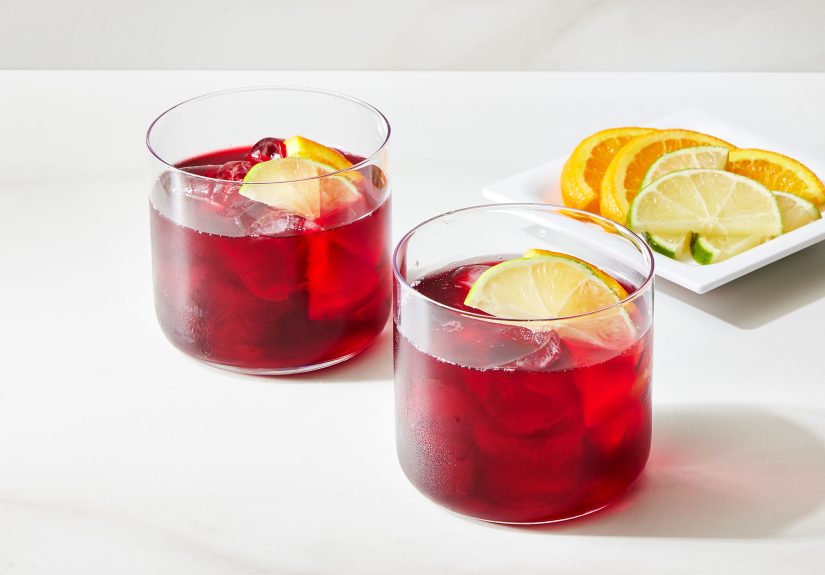
This is where hibiscus tea really struts. Chill the strained tea, pour it over a full glass of ice, and garnish with mint or fruit. It is refreshing, colorful, and significantly more exciting than plain water pretending to be enough.
Cold-Brew Hibiscus Tea Option
If you want a softer, smoother flavor, you can also make cold-brew hibiscus tea. Combine 1/4 cup dried hibiscus with 4 cups cold water in a pitcher or jar. Refrigerate for at least 20 minutes for a light brew, or overnight for deeper color and flavor. Strain, sweeten if you like, and serve over ice.
This method is excellent when you want a refreshing pitcher waiting in the fridge with almost no effort. It also avoids heating up the kitchen, which matters during summer when your stove feels personally offensive.
Easy Variations to Try
1. Hibiscus Ginger Tea
Add fresh ginger while steeping for a spicy edge that plays beautifully with the tart floral notes.
2. Hibiscus Mint Tea
Stir in fresh mint after straining or use it as a garnish for a cooling finish.
3. Hibiscus Cinnamon Tea
Steep with a cinnamon stick for a warmer, rounder flavor that works especially well in fall and winter.
4. Honey-Lime Hibiscus Tea
Use honey instead of sugar and finish with extra lime juice for a softer sweetness and brighter finish.
5. Sparkling Hibiscus Cooler
Mix chilled hibiscus concentrate with sparkling water for a fizzy version that feels party-ready without much effort.
6. Fruit-Forward Hibiscus Iced Tea
Add raspberries, strawberries, orange slices, or pomegranate juice for a bolder fruit profile and even more color.
Tips for Making the Best Hibiscus Tea
- Do not under-steep. Hibiscus needs enough time to release its flavor and color.
- Sweeten while warm. Sugar and honey dissolve more easily in warm tea.
- Start small with sweetener. Hibiscus is naturally tart, but it is easier to add sweetness than to undo a sugar avalanche.
- Use glass for serving. The color is half the fun.
- Balance with citrus. A little lime or orange helps keep the flavor sharp and lively.
- Brew stronger for ice. If you plan to serve it over a lot of ice, make the tea slightly stronger so it does not taste diluted.
Common Mistakes to Avoid
Using too little hibiscus: The result can taste watery and sad, which is no way for a drink this gorgeous to behave.
Overloading the sweetener: Hibiscus should taste bright and tart, not like red-colored syrup with identity issues.
Skipping the strain: Tiny bits of hibiscus floating in the cup are not dangerous, but they are not charming either.
Serving it immediately over tons of ice: Warm tea plus mountain of ice equals flavor dilution. Cool it first when possible.
How to Store Hibiscus Tea
Store homemade hibiscus tea in a covered pitcher or jar in the refrigerator for up to 4 days. Stir before serving if any sweetener settles. If you are making it for guests, prepare it a few hours ahead so the flavor has time to mellow and chill fully.
You can also make a stronger hibiscus concentrate and dilute it later with cold water, sparkling water, or ice. That is a smart move for parties, meal prep, or anyone who enjoys feeling extremely organized for about twelve minutes.
Is Hibiscus Tea Good for You?
Hibiscus tea is often praised for being caffeine-free, refreshing, and rich in plant compounds such as antioxidants. Some research suggests hibiscus may have modest effects related to blood pressure, but it is not a replacement for medical care or prescribed treatment. If you are pregnant, managing a health condition, or taking medication, it is smart to check with a healthcare professional before drinking large amounts regularly.
For most people, though, the biggest immediate benefit is very simple: it helps make hydration more interesting. And honestly, a drink that gets you to choose “one more glass” without bribing you with neon sports-drink energy deserves some respect.
What to Serve with Hibiscus Tea
This tea pairs well with spicy foods, grilled dishes, tacos, fruit salads, buttery pastries, and light desserts. The tart flavor cuts through rich foods beautifully, which is why it works so well at brunch, summer lunches, and casual dinners.
It is also a strong candidate for a nonalcoholic party drink. Put it in a pitcher with citrus wheels and mint, and suddenly everyone assumes you know how to host. No need to correct them.
Final Thoughts on This Hibiscus Tea Recipe
A good hibiscus tea recipe does not need to be complicated. Water, dried hibiscus, a little sweetness, and maybe a squeeze of lime are enough to create a drink that feels bright, refreshing, and memorable. Whether you serve it hot on a quiet evening or icy cold on a blazing afternoon, hibiscus tea brings big flavor with very little fuss.
It is the kind of recipe that earns a permanent spot in your kitchen because it is flexible, affordable, and just plain fun to drink. Make a batch once, and there is a very real chance you will start opening the fridge just to admire the color. That is normal. Probably.
Experiences with Hibiscus Tea Recipe: The Little Things You Notice After Making It More Than Once
The first time I made hibiscus tea at home, I expected a nice herbal drink. What I got was a liquid ruby that looked like it belonged at a garden party hosted by someone who owns linen napkins on purpose. That visual alone is part of the experience. Hibiscus tea does not quietly sit in the background. It announces itself from the pitcher, from the glass, and even from the spoon you use to stir it. It feels cheerful before you even taste it.
Then there is the smell. When the dried flowers hit hot water, the kitchen starts to fill with a fruity, floral aroma that lands somewhere between berries and a very polite bouquet. If ginger or cinnamon is involved, the whole room smells like a recipe that has excellent intentions. It is one of those drinks that makes your kitchen feel more alive with almost no effort.
Another thing you notice over time is how customizable the recipe becomes. One day you want it tart and almost sharp, with barely any sweetener. Another day you want honey and lime and a ridiculous amount of ice. Sometimes you add mint because you are feeling fresh and capable. Sometimes you add orange slices because they are in the fridge and you refuse to let produce win. Hibiscus tea adjusts to your mood in a way many drinks do not.
It is also one of the few homemade drinks that feels equally right for everyday sipping and for serving guests. Pour lemonade into a pitcher and people say, “Lovely.” Pour hibiscus tea into a pitcher and people say, “What is that?” in a tone that suggests you have suddenly become interesting. The color does a lot of work for you, which is helpful because most of us are tired.
There is also a fun trial-and-error stage that makes the recipe more personal. Maybe your first batch is too tart. Your second is too sweet. Your third is exactly right, and now you guard your ratio like a family treasure. That is part of the charm. Hibiscus tea is easy, but it still leaves room for your preferences to matter.
And perhaps the best experience of all is discovering how often it fits into daily life. It works at breakfast, with lunch, during an afternoon slump, or alongside dinner. It can be the pretty drink at a picnic, the chilled glass waiting after a hot walk, or the warm mug you sip when you want something cozy without caffeine. Few recipes earn that kind of versatility. Hibiscus tea does, and it does it while looking fabulous.