Table of Contents >> Show >> Hide
- Table of Contents
- Understanding Cholesterol (without the drama)
- Foods to Limit or Avoid if You’re Watching Cholesterol
- 1) Processed meats (the “tastes amazing, regrets later” category)
- 2) Fatty cuts of red meat and “mystery meat” combos
- 3) Full-fat dairy and high-saturated-fat “dairy situations”
- 4) Deep-fried foods and “crispy everything”
- 5) Baked goods made with shortening or certain processed fats
- 6) Tropical oils and “healthy-sounding” saturated fats
- 7) Organ meats (very high in dietary cholesterol)
- Foods to Eat More Often (the cholesterol-lowering all-stars)
- 1) Soluble-fiber staples (the LDL “sponge” team)
- 2) Unsaturated fats (the “swap, don’t starve” strategy)
- 3) Fatty fish and omega-3 sources
- 4) Whole grains (because white bread doesn’t come with superpowers)
- 5) Plant proteins (easy on saturated fat, big on options)
- 6) Foods with added plant sterols/stanols
- Eat vs. Avoid Cheat Sheet
- Easy Swaps That Actually Move the Needle
- How to Read Labels Like a Grown-Up (without crying)
- Common Questions: Eggs, Shrimp, Cheese, and Other Controversies
- Conclusion
- Real-Life Experiences & Scenarios (Extra )
Quick reality check: “High cholesterol foods” isn’t just a list of villains you banish from your kitchen. Cholesterol is a waxy substance your body actually needs (your liver makes most of it). The problem is when blood cholesterolespecially LDL (“bad”)runs high for long enough that it can contribute to plaque buildup in arteries. Food matters, but not always the way the internet makes it sound.
Here’s the punchline: for most people, saturated fat and trans fat raise LDL more than the cholesterol you eat. That means a “cholesterol-friendly” diet is less about obsessing over a single egg and more about changing the overall patternwhat fats you cook with, how often you eat processed foods, and whether fiber shows up to the party.
Table of Contents
- Understanding Cholesterol (without the drama)
- Foods to Limit or Avoid if You’re Watching Cholesterol
- Foods to Eat More Often (the cholesterol-lowering all-stars)
- Easy Swaps That Actually Move the Needle
- How to Read Labels Like a Grown-Up (without crying)
- Common Questions: Eggs, Shrimp, Cheese, and Other Controversies
- Conclusion
- Real-Life Experiences & Scenarios (Extra )
Understanding Cholesterol (without the drama)
LDL, HDL, and why your bloodstream isn’t a kitchen sink
Think of cholesterol like cargo. LDL carries cholesterol from the liver into the bloodstream. Too much LDL over time is associated with plaque buildup. HDL (“good”) helps carry cholesterol away from the bloodstream back to the liver. Most cholesterol management strategies aim to lower LDL, sometimes improve triglycerides, and keep the overall risk picture in check.
Dietary cholesterol vs. blood cholesterol
Foods like egg yolks, shellfish, and organ meats contain dietary cholesterol. But your body is not a simple calculator where “more cholesterol eaten = more cholesterol in blood.” For many people, the bigger LDL drivers are saturated fat (found in many animal fats and tropical oils) and trans fat (mostly industrial, though it can still sneak into some processed foods).
So yessome foods are “high in cholesterol.” But if you want the best return on effort, focus first on reducing saturated fat, avoiding trans fat, and increasing soluble fiber.
Foods to Limit or Avoid if You’re Watching Cholesterol
This section isn’t meant to turn your grocery cart into a crime scene. It’s about identifying foods that tend to raise LDL (and sometimes triglycerides) and figuring out where you can make realistic changes.
1) Processed meats (the “tastes amazing, regrets later” category)
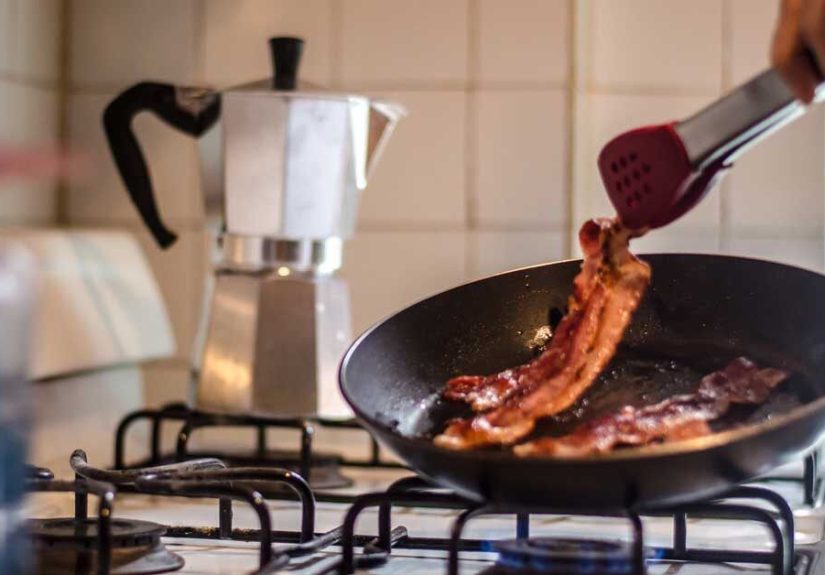
Examples: bacon, sausage, hot dogs, bologna, salami, pepperoni, deli meats.
Processed meats often pack a one-two punch: saturated fat and sodium (and frequently refined carbs when they’re part of pizza, breakfast sandwiches, or pastries). If these are daily staples, swapping even a few servings per week can help.
2) Fatty cuts of red meat and “mystery meat” combos
Examples: ribeye, brisket, regular ground beef, short ribs; plus fast-food burgers and combo platters.
You don’t need to swear off red meat forever. But if you’re aiming to lower LDL, it helps to treat fatty red meat as an “occasion food,” choose leaner cuts when you do eat it, and rotate in fish or plant proteins more often.
3) Full-fat dairy and high-saturated-fat “dairy situations”
Examples: heavy cream, some full-fat cheeses, ice cream, certain coffee drinks made with lots of cream.
Dairy is complicated: some people include it in heart-healthy eating patterns, and guidance can vary based on the full diet context. The practical point is this: many dairy favorites are a major source of saturated fat. If your LDL is high, consider portion sizes and frequency, and experiment with lower-saturated-fat options that still taste good.
4) Deep-fried foods and “crispy everything”
Examples: fried chicken, fries, doughnuts, fried snacks, many restaurant fried appetizers.
Frying doesn’t automatically equal “bad,” but fried foods often come with higher calories, more saturated fat (depending on the fat used), and sometimes trans-fat-like leftovers in highly processed items. If you love crunch, try oven “air-fry” methods, breading with whole-grain crumbs, or roasting.
5) Baked goods made with shortening or certain processed fats
Examples: some packaged cookies, pies, pastries, crackers, frostings, and shelf-stable baked treats.
The food label is your friend here. While industrial trans fats have been largely removed from the food supply, ultra-processed baked goods can still be heavy in saturated fats and refined carbs. Your LDL doesn’t care that the cookie is shaped like a snowman.
6) Tropical oils and “healthy-sounding” saturated fats
Examples: coconut oil, palm oil, products made heavily with these oils.
These fats are plant-based, but they’re also high in saturated fat. If you’re trying to lower LDL, use them sparingly and choose oils higher in unsaturated fats (like olive, canola, or safflower) most of the time.
7) Organ meats (very high in dietary cholesterol)
Examples: liver, pâté, sweetbreads.
Organ meats are nutrient-dense, but also very high in dietary cholesterol. Many people won’t eat these often anyway, so this is usually a “rarely” recommendation rather than a life overhaul.
Foods to Eat More Often (the cholesterol-lowering all-stars)
1) Soluble-fiber staples (the LDL “sponge” team)
Soluble fiber helps reduce cholesterol absorption in the gut. Aim to include some most days.
- Oats and barley: oatmeal, overnight oats, oat bran, barley soups
- Beans and lentils: black beans, chickpeas, kidney beans, split peas
- Fruits: apples, pears, citrus, berries
- Vegetables: Brussels sprouts, okra, carrots, eggplant
- Psyllium: found in some fiber supplements and high-fiber products (increase gradually and hydrate)
Practical tip: If you’re not used to high fiber, increase slowly to avoid stomach drama. Your gut likes a warm-up period.
2) Unsaturated fats (the “swap, don’t starve” strategy)
Replacing saturated fats with unsaturated fats can help improve cholesterol profiles.
- Olive oil and canola oil for cooking
- Avocados (toast’s most responsible glow-up)
- Nuts (almonds, walnuts, pistachios) and seeds (chia, flax)
- Nut butters (watch added sugar and portion sizes)
3) Fatty fish and omega-3 sources
Examples: salmon, sardines, trout, herring, mackerel.
Omega-3 fats don’t necessarily lower LDL directly, but they can help with triglycerides and overall heart health. If fish isn’t your thing, talk to a clinician before jumping to supplementsfood first is often the easiest win.
4) Whole grains (because white bread doesn’t come with superpowers)
Examples: whole-wheat bread, brown rice, quinoa, whole-grain pasta, corn tortillas, bulgur.
Whole grains bring fiber and nutrients that refined grains usually leave behind. They also help make meals more filling, which can support healthier patterns overall.
5) Plant proteins (easy on saturated fat, big on options)
- Beans and lentils
- Tofu, tempeh, edamame
- Lean poultry (if you eat meat)
If you’re used to building meals around meat, start by making two dinners per week plant-forward. You don’t need a new personalityjust a new routine.
6) Foods with added plant sterols/stanols
Some spreads, yogurts, and fortified foods contain plant sterols/stanols that can help lower LDL for certain people when used consistently. They’re not magic, but they can be useful for folks working on LDL reduction alongside other dietary changes.
Eat vs. Avoid Cheat Sheet
| Eat More Often | Limit / Choose Less Often |
|---|---|
| Oats, barley, beans, lentils (soluble fiber) | Processed meats (bacon, sausage, deli meats) |
| Olive oil, nuts, seeds, avocado (unsaturated fats) | Butter, shortening, coconut/palm oil (high sat fat) |
| Fatty fish (salmon, sardines) | Deep-fried foods and ultra-processed snacks |
| Whole grains (whole wheat, brown rice, quinoa) | Refined carbs paired with saturated fats (pastries, many fast-food combos) |
| Fruits/vegetables daily | Heavy cream desserts and frequent large portions of full-fat cheese |
Easy Swaps That Actually Move the Needle
Swap #1: Butter → olive oil (most of the time)
If you cook daily, this is one of the biggest “effort-to-impact” swaps. Use olive oil for sautéing and roasting, and keep butter for flavor moments, not as your default fuel source.
Swap #2: Breakfast trap detox
Many “classic” breakfasts are basically saturated fat in a costume: bacon/sausage + cheese + refined bread. Try:
- Oatmeal topped with berries and walnuts
- Greek yogurt with fruit and chia (watch added sugar)
- Eggs with veggies + whole-grain toast (and maybe skip the processed meat sidekick)
Swap #3: Burgers and pizza nightskeep the tradition, upgrade the pattern
- Choose leaner proteins or a bean-based burger sometimes
- Add a big salad or roasted veggies (fiber is invited)
- Go thinner on cheese and heavier on veggie toppings
- Pick whole-grain crust when available
Swap #4: Chips/cookies → crunchy “supporting actors”
Try nuts, roasted chickpeas, popcorn (light on butter), or sliced apples with peanut butter. You don’t need to become a “snack monk.” You just want snacks that don’t quietly sabotage LDL.
How to Read Labels Like a Grown-Up (without crying)
If you only scan one thing, scan saturated fat. Many heart-focused recommendations suggest keeping saturated fat low, especially if you’re actively trying to lower LDL. Also look for:
- Trans fat: ideally 0 g on the label (and watch ingredient lists for “partially hydrogenated oils”)
- Fiber: higher is usually better (especially from whole foods)
- Added sugars: not directly cholesterol, but often part of ultra-processed patterns that don’t help triglycerides or overall heart health
- Serving size: the sneakiest “ingredient” of all
Common Questions: Eggs, Shrimp, Cheese, and Other Controversies
Are eggs “high cholesterol foods” I must avoid?
Egg yolks contain dietary cholesterol, but for most people, an egg a day can fit into a heart-healthy patternespecially when the rest of the diet is low in saturated fat. The bigger issue is what eggs are served with (hello, bacon-and-cheese croissant).
What about shrimp and shellfish?
Shellfish can be higher in dietary cholesterol, but they’re typically low in saturated fat. Preparation matters: grilled shrimp is a different universe than shrimp fried in a batter with creamy dipping sauce.
Is cheese always off-limits?
No, but portion and frequency matter. Cheese can be a concentrated source of saturated fat. You can still enjoy itjust consider using smaller amounts for flavor and choosing other protein sources more often.
If I eat “cholesterol-free” foods, am I safe?
Not necessarily. “Cholesterol-free” doesn’t mean “heart-healthy.” A cookie can be cholesterol-free and still bring plenty of saturated fat and added sugar. Your LDL is unimpressed by marketing.
When should I talk to a clinician?
If you have very high LDL, a family history of early heart disease, diabetes, or other risk factors, get personalized advice. Some people have genetic conditions (like familial hypercholesterolemia) where diet helps but may not be enough on its own. Medication can be part of a smart, protective planand that’s not a failure; it’s biology.
Conclusion
Managing cholesterol isn’t about banning every food that ever had a good time. It’s about building a pattern that consistently nudges LDL in the right direction:
- Limit saturated fats (common in fatty meats, butter, many desserts, some cheeses, tropical oils)
- Avoid trans fats (still worth checking labels and ingredient lists)
- Eat more soluble fiber (oats, beans, fruits, veggies)
- Choose unsaturated fats (olive oil, nuts, seeds, avocado)
- Build meals around whole foods more often than ultra-processed combos
Do that most of the time, and you’ll be making choices your future arteries will want to send you a thank-you card for.
Real-Life Experiences & Scenarios (Extra )
When people start working on cholesterol-friendly eating, the biggest surprises usually aren’t scientificthey’re situational. It’s the “Wait… that counts?” moments that make or break consistency. Here are a few real-life-style scenarios that come up again and again (and yes, they’re extremely relatable).
The “I eat salad!” plot twist
Someone proudly announces they’ve been eating salads every day. Great! Then you find out the salad is basically a crunchy delivery system for: fried chicken, bacon bits, shredded cheese, creamy dressing, and croutons the size of dice. The fix isn’t to quit saladsit’s to re-balance. Swap fried toppings for grilled chicken, beans, or salmon; use olive-oil-based dressing; keep cheese as a sprinkle instead of a snowstorm; add avocado or nuts for satisfying healthy fats. Same salad lifestyle, different cholesterol outcome.
The breakfast comfort-food ambush
Breakfast is where saturated fat often hides in plain sight: sausage patties, buttery biscuits, cheese-loaded sandwiches, and pastries that taste like happiness. A common “aha” moment is realizing you don’t need a joyless breakfastyou need a smarter one. People often do well with: oatmeal plus berries; eggs with veggies and whole-grain toast; yogurt with fruit and chia; or a breakfast burrito made with beans, salsa, and a modest amount of cheese. The emotional win is keeping breakfast comforting while making it less LDL-friendly to your LDL.
The “snack drawer reality”
Most cholesterol goals don’t get wrecked by dinner. They get chipped away by the snack drawer: packaged cookies, chips, and “just a little” ice cream that turns into “a serving size according to my soul.” A practical shift many people enjoy is replacing some snack moments with: nuts, popcorn, fruit, hummus with veggies, or even a small piece of dark chocolate paired with something fiber-rich. The idea isn’t perfectionit’s giving your day more “neutral” or “helpful” choices so one indulgence doesn’t become the whole pattern.
The restaurant trap (a.k.a. hidden butter season)
Restaurant food can be delicious because it’s often made with generous fatssometimes butter, sometimes creamy sauces, sometimes frying. A useful strategy people report is choosing one upgrade per meal: pick grilled instead of fried, choose a vinaigrette instead of creamy dressing, swap fries for a side salad, or ask for sauces on the side. You still eat out. You just don’t let the menu drive your LDL like it stole your car.
The family dinner negotiation
Food changes are hardest when you’re not the only person eating. The most sustainable approach tends to be “add and swap,” not “ban and lecture.” Add a big veggie side to the usual meal. Swap half the ground beef for lentils in tacos. Use olive oil more often. Keep traditions, but adjust the defaults. Over time, these small shifts can feel normalbecause they become normal.
Bottom line: cholesterol-friendly eating works best when it feels like a life you can actually liveone with flavor, flexibility, and the occasional dessert that doesn’t come with daily attendance requirements.