Table of Contents >> Show >> Hide
- Fresh vs. Canned Pumpkin: The Honest Truth (No Pie-Shaming)
- Pick the Right Pumpkin (Your Jack-o’-Lantern Is Not Invited)
- Ingredients
- Step-by-Step: How to Make Fresh Pumpkin Purée
- Step-by-Step: Homemade Fresh Pumpkin Pie Recipe
- How to Tell When Pumpkin Pie Is Done (Without Overbaking It)
- Prevent Cracks (Because Your Pie Deserves Smooth Skin Too)
- Prevent a Soggy Bottom (The Pie Equivalent of Wet Socks)
- Flavor Upgrades (Optional, But Very Fun)
- Serving Ideas
- Make-Ahead, Storage, and Freezing
- FAQ
- Home Baker Experiences (500+ Words): The Cozy Chaos Behind a Great Pumpkin Pie
- Final Slice
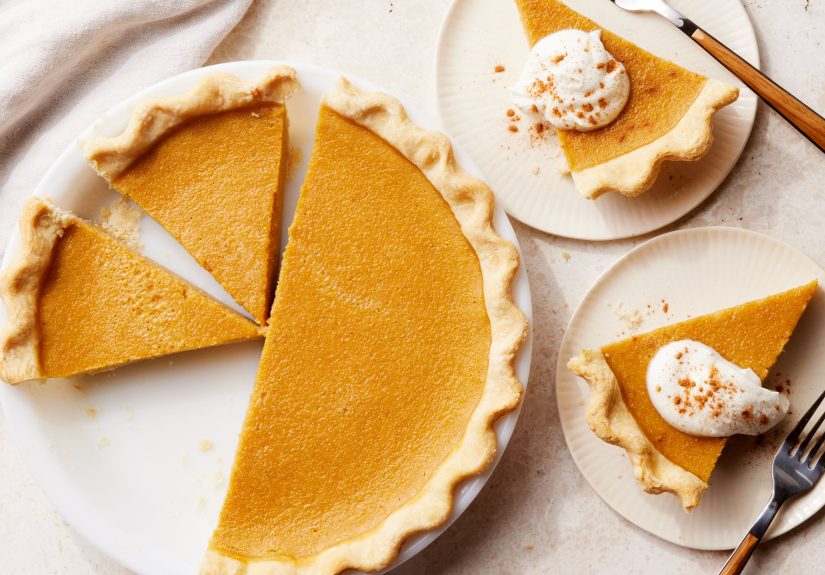
Pumpkin pie has a reputation: one part holiday hero, one part “why is the middle still sloshing?” drama.
The good news? A homemade fresh pumpkin pie recipe doesn’t have to be complicatedand it definitely
doesn’t have to taste like a scented candle got into a fistfight with sugar.
This guide walks you through making pumpkin pie using fresh pumpkin purée (plus a smart shortcut if you’re short on time),
building a creamy custard filling, and baking it so the top stays smooth and the crust stays crisp.
You’ll also get practical fixes for the classic problems: watery purée, soggy bottoms, and cracks that look like the Grand Canyon.
Fresh vs. Canned Pumpkin: The Honest Truth (No Pie-Shaming)
Fresh pumpkin pie tastes a little brighter and more “real squash” than most canned versionsespecially if you roast a small,
sweet pie pumpkin (often called a sugar pumpkin). But here’s the twist: canned pumpkin can be incredibly consistent,
and some taste tests show it can hold its own (or even win) against homemade purée.
The key difference is moisture. Fresh pumpkin can be watery depending on variety and how it’s cooked. That extra water can dilute flavor
and make your filling take longer to set. The fix is simple: roast for caramelization, then drain/strain the purée until it’s thick.
Think “Greek yogurt consistency,” not “orange smoothie.”
Pick the Right Pumpkin (Your Jack-o’-Lantern Is Not Invited)
For the best homemade pumpkin pie from scratch, choose a small cooking pumpkin:
sugar pumpkins or pie pumpkins are typically sweeter, denser, and less stringy than big carving pumpkins.
If you see specialty varieties like Baby Pam or Long Island Cheese, those can be fantastic too.
- Best size: about 4–8 pounds (heavy for its size is a good sign).
- Skip: giant carving pumpkinsthey’re usually more watery and mild.
- Bonus: smoother flesh = smoother filling (less fibrous texture).
Ingredients
Fresh Pumpkin Purée (Makes ~2 cups, enough for one deep 9-inch pie)
- 1 small sugar/pie pumpkin (about 3–4 pounds) or equivalent cooking variety
- Optional: 1–2 teaspoons neutral oil (only if your pumpkin seems very dry)
Pie Crust Options
- Option A (fast): 1 unbaked 9-inch pie crust (store-bought is totally allowed)
- Option B (homemade): your favorite flaky crust recipe (single crust). Keep it cold for best flake.
Pumpkin Pie Filling
- 2 cups (about 450g) thick pumpkin purée (fresh or canned 100% pumpkin)
- 3 large eggs
- 3/4 cup granulated sugar
- 1/4 cup packed brown sugar (adds depth)
- 1 1/2 teaspoons ground cinnamon
- 1 teaspoon ground ginger
- 1/4 teaspoon ground cloves
- 1/4 teaspoon ground nutmeg
- 1/2 teaspoon fine salt
- 1 1/4 cups evaporated milk or 1 cup heavy cream + 1/4 cup milk
- 1 teaspoon vanilla extract
- Optional (texture insurance): 1–2 teaspoons cornstarch (helpful if purée is slightly loose)
Step-by-Step: How to Make Fresh Pumpkin Purée
This method roasts the pumpkin to deepen flavor and reduce water. Roasting also makes the skin easy to remove
(no peeling a raw pumpkin like you’re in a medieval cooking show).
- Heat the oven: Preheat to 350°F. Line a baking sheet with parchment or foil.
-
Cut safely: Slice the pumpkin in half (stem to base). Scoop out seeds and stringy bits.
(Save the seeds if you want roasted pepitas later.) -
Roast: Place halves cut-side down on the sheet. Roast 45–70 minutes,
depending on size, until a knife slides in easily. - Cool and scoop: Let cool until you can handle it. Scoop out the flesh; the skin should peel off easily.
- Blend: Purée in a food processor or blender until smooth. If you want ultra-silky filling, blend longer than you think you need.
-
Strain for thickness (highly recommended): Spoon purée into a fine-mesh sieve lined with cheesecloth (or a clean thin kitchen towel).
Let it drain 20–60 minutes in the fridge. You’re aiming for thick purée that holds a soft mound on a spoon.
Quick test: If your purée looks glossy and “loose,” strain it. If it looks matte and thick, you’re good.
Straining is the difference between “sliceable” and “pumpkin puddle.”
Step-by-Step: Homemade Fresh Pumpkin Pie Recipe
1) Prep the crust (avoid soggy bottom energy)
Pumpkin pie filling is basically a custard. Custard + raw dough can equal a pale, sad crust.
Two easy options:
- Best: Par-bake (blind bake) the crust for a head start.
- Good: Bake the pie on a preheated baking sheet and use one extra crust-protection trick (see below).
Par-bake method:
- Heat oven to 375°F.
- Fit chilled crust into a 9-inch pie dish. Crimp edges. Chill 15 minutes (cold crust = better shape).
- Line with parchment, fill with pie weights (or dry beans/rice).
- Bake 15–18 minutes. Remove weights and parchment, bake 5 more minutes until the bottom looks dry (not browned).
- Optional bonus: brush the warm crust lightly with egg wash (1 egg + 1 teaspoon water) for a moisture barrier.
2) Mix the filling (smooth custard, not pumpkin foam)
- In a bowl, whisk sugars, spices, salt, and optional cornstarch so there are no spice clumps.
- In a larger bowl, beat eggs gently. Add pumpkin purée and whisk until smooth.
- Whisk in evaporated milk (or cream/milk combo) and vanilla.
-
For the silkiest texture, blend the filling briefly (10–15 seconds) and strain it once through a fine-mesh sieve.
It’s an extra step, but it levels up the pie into “bakery case” territory.
3) Bake: hot start, then low and slow
A classic approach is a hot initial bake to set the crust, then a lower temperature to gently set the custard.
This helps prevent cracks and overcooking.
- Heat oven to 425°F. Place a baking sheet on the middle rack to preheat (great for browning the bottom crust).
- Pour filling into the prepared crust. Tap the pie dish gently to pop large bubbles.
- Bake at 425°F for 15 minutes, then reduce to 350°F.
- Continue baking 35–50 minutes, depending on your pan depth and purée thickness.
How to Tell When Pumpkin Pie Is Done (Without Overbaking It)
Pumpkin pie is done when it’s set around the edges but still has a slight wobble in the centerlike gelatin, not like soup.
Overbaking is the #1 cause of cracks, grainy texture, and that “why is my pie sweating?” look.
- Jiggle test: Gently nudge the pie. The center should shimmy slightly; the edges should look set.
- Knife test: Insert a thin knife about 1 inch from the crustif it comes out clean, you’re very close or done.
- Thermometer test (most reliable): The center typically sets around 175–180°F.
Prevent Cracks (Because Your Pie Deserves Smooth Skin Too)
- Don’t overbake: Pull it when the center is still slightly wobbly. It finishes setting as it cools.
- Mix gently: Over-whisking can add air bubbles that rise and mess with the surface.
- Cool gradually: Let it cool at room temp before refrigerating. Big temperature shocks can encourage cracks.
- Bake in the lower third: Helps prevent the top from overcooking while the center catches up.
Prevent a Soggy Bottom (The Pie Equivalent of Wet Socks)
If you’ve ever cut into pumpkin pie and found the bottom crust doing an impression of damp cardboard, these fixes help:
- Par-bake the crust (best single move).
-
Use a barrier: Light egg wash on the crust after par-baking, or sprinkle a thin layer of “crust dust”
(a simple flour-and-sugar mix) before filling. - Bake on a preheated sheet so the bottom crust gets immediate heat.
- Thicken watery purée by straining (fresh purée) or adding 1–2 teaspoons cornstarch if needed.
Flavor Upgrades (Optional, But Very Fun)
Make it taste like “pumpkin,” not “generic spice”
- Maple twist: Replace 2 tablespoons of sugar with 2 tablespoons maple syrup (reduce dairy by 1 tablespoon to balance).
- Browned butter: Add 2 tablespoons browned butter for a nutty, toasted note.
- Cream cheese trick: Blending a little cream cheese into the filling can make the texture extra smooth and rich.
- Spice control: Prefer more ginger bite? Add 1/4 teaspoon extra ginger. Want it softer? Ease back on cloves.
Serving Ideas
- Classic: whipped cream + a pinch of cinnamon
- Grown-up: whipped cream + espresso powder dusting
- Crunch: candied pecans or toasted pumpkin seeds
- Ice cream: vanilla or cinnamon ice cream (because why not be iconic)
Make-Ahead, Storage, and Freezing
Pumpkin pie is an egg-and-dairy custard, so it’s not a “leave it out all day” situation. Cool it, then refrigerate.
For best food safety, refrigerate within 2 hours.
- Fridge: 3–4 days, loosely covered once fully chilled.
- Freeze: Pumpkin pie freezes surprisingly well. Wrap tightly (plastic wrap + foil) and freeze up to about 2–3 months.
- Thaw: Overnight in the refrigerator. For a “fresh baked” feel, warm slices briefly in a low oven.
FAQ
Can I use canned pumpkin instead of fresh pumpkin purée?
Absolutely. Use 100% pumpkin (not pumpkin pie filling). Canned can be more consistent than homemade.
If your goal is “most reliable slice,” canned pumpkin is a very strong choice.
Why does my fresh pumpkin pie taste bland?
Usually it’s one of three things: (1) you used a carving pumpkin, (2) the purée was too watery, or (3) the spices were shy.
Fix it by choosing a pie pumpkin, roasting until very tender, straining purée, and tasting your spice/sugar balance before baking.
Do I have to blind bake the crust?
You don’t have to, but it’s the easiest path to a crisp crust. If you skip it, bake on a preheated baking sheet
and consider an egg wash barrier to reduce sogginess.
My pie cracked. Is it ruined?
Not at all. Cover it with whipped cream and call it “rustic.” The flavor is still great.
Next time, pull the pie a little earlier and let it finish setting as it cools.
Home Baker Experiences (500+ Words): The Cozy Chaos Behind a Great Pumpkin Pie
If pumpkin pie were a person, it would be the friend who shows up looking effortlessthen casually mentions it took three outfit changes and a strategic snack plan.
Home bakers often discover that the “secret” to a memorable pie isn’t fancy ingredients. It’s the small, calm decisions made before the oven door even closes.
One common first-timer moment: picking the biggest pumpkin at the store because it “feels like more pie.” It’s a sweet thought, but big carving pumpkins tend to act
like watery roommatesthey don’t pay rent (flavor), and they leave puddles everywhere (moisture). Switching to a sugar pumpkin is usually the first “aha.”
The filling suddenly tastes fuller, and the texture feels creamy instead of a little stringy.
Then there’s the fresh purée surprise. A lot of people expect homemade purée to be automatically better, like it’s wearing a tiny chef hat. But fresh purée can vary wildly.
Some batches blend into a thick, spoon-standing cloud. Others pour like soup. The bakers who end up loving fresh pumpkin pie tend to learn one golden habit:
strain first, celebrate later. Even 20 minutes in a sieve can turn “why is my pie still jiggly after an hour?” into a clean slice that actually holds its shape.
It’s not glamorous. It is effective. And in baking, effective is basically glamorous.
Another real-life experience: the crust panic. People either fear the crust will burn or fear it won’t cook, and somehow those fears happen at the same time.
Par-baking feels like extra work until you do it once. After that, it becomes the baking equivalent of wearing a seatbelt: slightly annoying to remember, wildly comforting.
Bakers often notice the bottom crust browns better when the pie starts on a preheated sheetespecially in ovens that run a little cool.
It’s one of those “small effort, big reward” tricks that makes you feel like you’ve joined a secret society (the society is just people who like crispy crust).
And yes, the crack saga is real. Many bakers learn the hard way that pumpkin pie is basically custard with excellent PR.
Custard hates being overbaked. It retaliates by cracking, weeping, or pulling away from the crust like it’s trying to escape the pie plate.
The most consistent lesson shared in kitchens everywhere: pull it earlier than you think.
When the center still wobbles a little, it feels wronglike taking cookies out when they look too pale.
But as the pie cools, it firms up and becomes sliceable. The people who nail pumpkin pie year after year aren’t doing anything magical;
they’ve simply made peace with the wobble.
Finally, there’s the timing comedy: someone always tries to cut the pie while it’s still hot. The filling is lava, the slices slump, and the crust steams itself soft.
Experienced bakers tend to set expectations early: pumpkin pie is a “cool completely, then chill” dessert. Make it the day before if you can.
Not only does that help the custard set cleanly, it also gives the spices time to settle into the filling.
The flavor the next day is often betterwarmer, rounder, and more balancedlike the pie finally got a full night’s sleep.
In the end, the best pumpkin pies usually come from a blend of good technique and good vibes: a thick purée, gentle baking, a patient cool-down,
and a willingness to call whipped cream “structural support.” If your first attempt isn’t perfect, congratulationsyou’re now officially participating
in the grand tradition of pumpkin pie, which is basically delicious practice.
Final Slice
A truly great homemade fresh pumpkin pie recipe comes down to three things: the right pumpkin (or a quality canned purée),
controlling moisture, and baking the custard gently so it sets without cracking. Strain your purée, keep your crust cold, bake hot-then-low,
and trust the wobble. Do that, and you’ll get a pie that tastes like fallwarm spices, real pumpkin flavor, and a slice that stands tall on the plate.