Table of Contents >> Show >> Hide
- Why Glass Shower Doors Get Cloudy So Fast
- The Maintenance Mindset: Clean Small, Not Epic
- Homemade Glass Shower Door Cleaning Spray (Maintenance Recipe)
- Optional Variations for Real Bathrooms (Not Catalog Bathrooms)
- What Not to Do (Because We Like Breathing)
- A Simple Maintenance Schedule That Actually Sticks
- Troubleshooting: When Maintenance Spray Isn’t Enough
- Pro Tips to Keep Glass Cleaner Longer
- FAQ
- Conclusion: Keep It Clear, Keep It Easy
- Experience Notes: What I Learned After Actually Living With Glass Shower Doors (500-ish Words)
Glass shower doors are like that one friend who looks incredible in photos but needs constant attention in real life. One steamy shower, a little hard water, and suddenly your “spa bathroom” looks like it’s wearing a chalky sweater. The good news: you don’t need a cabinet full of mystery chemicals to keep glass looking clear. You need a simple, cheap homemade glass shower door cleaning spray that’s built for maintenancethe kind of quick routine that prevents the gross stuff from moving in and paying rent.
This guide gives you an easy DIY shower door cleaner recipe, shows you how to use it without wrecking your finishes, and explains what to do when your door has already crossed the line from “a little spotty” to “historic landmark.”
Why Glass Shower Doors Get Cloudy So Fast
Most dirty shower glass is a two-headed monster:
- Soap scum: a clingy mix of soap residue, body oils, and minerals that loves to bond with glass. (Bar soap tends to produce more scum than many body washes.)
- Hard water deposits: minerals like calcium and magnesium left behind when water evaporates, creating spots, haze, and crusty buildup.
Add heat and humidity (hello, shower steam), and you’ve basically created a warm, wet stage where buildup performs nightly. Maintenance cleaning works because it interrupts the cycle before the minerals and soap residue can fully “set.”
The Maintenance Mindset: Clean Small, Not Epic
If you wait until the glass looks like it survived a sandstorm, cleaning becomes a weekend project with snacks and emotional support. Maintenance is the opposite: tiny efforts done frequently so you almost never have to “deep clean” the door.
Think of this as brushing your teeth, but for your shower. (Sorry. You’ll never un-hear that.)
Homemade Glass Shower Door Cleaning Spray (Maintenance Recipe)
This recipe is designed for regular upkeep: removing fresh water spots, light soap film, and daily grime before it becomes a geology exhibit.
Ingredients
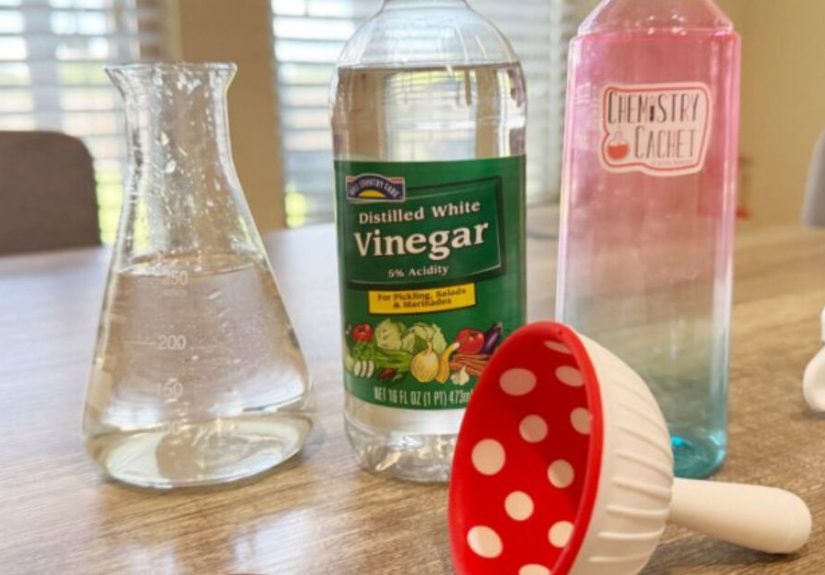
- 1 cup distilled white vinegar
- 1 cup distilled water (distilled helps reduce streaks and mineral spotting)
- 1 teaspoon dish soap (a grease-cutting type works well)
- Optional: 5–10 drops essential oil (lemon, eucalyptus, lavender) for scent
Why these ingredients work
- Vinegar is mildly acidic, helping loosen mineral deposits and cut through soap residue.
- Dish soap helps break up oils and that slippery “film” that makes glass look dull.
- Distilled water keeps your cleaner from adding new minerals as it dries.
Directions
- Add vinegar and distilled water to a clean spray bottle (16 oz works great).
- Add dish soap.
- If using essential oil, add it now.
- Gently swirl to mix. (Shaking hard can create a bubble party you didn’t ask for.)
- Label the bottle: “Glass Shower Door Spray – Do Not Drink (Seriously).”
How to use it (the low-drama way)
- After the last shower of the day, lightly mist the glass (inside and out if needed). You don’t have to soak itthis is maintenance, not a marinade.
- Let it sit for 2–5 minutes.
- Wipe with a microfiber cloth or a non-scratch sponge.
- Rinse (optional for very light cleaning), then dry/buff with a clean microfiber towel.
- Finish with a squeegee if you want the “why is this glass even here?” level of clarity.
Storage & shelf life
Stored at room temperature, this spray is typically fine for a few weeks. If it starts smelling “off” or separating oddly, dump it, rinse the bottle, and remix. (It’s cheapno need to get sentimental.)
Optional Variations for Real Bathrooms (Not Catalog Bathrooms)
1) The “Warm Vinegar Boost” for hard water areas
If you live where water is basically “liquid rocks,” warm vinegar can help it work faster on light buildup. Warm vinegar only (not the whole mixture) and then combine with water and dish soap.
Tip: Warm doesn’t mean boiling. Think “cozy tea,” not “volcano.”
2) The faster-drying, streak-busting version
Want quicker evaporation and fewer streaks? Add 2–3 tablespoons of rubbing alcohol (70% is common). Alcohol helps the solution dry faster, which can reduce streakingespecially if your bathroom doesn’t have great airflow.
Safety note: Keep alcohol away from flames and heat sources, and don’t spray it while someone is lighting candles for their “bathroom spa era.”
3) The “I Have Fancy Stone” version (no vinegar)
If your shower has natural stone (marble, travertine, granite) nearby, vinegar overspray can etch or dull it. In that case, skip vinegar and use:
- 2 cups warm distilled water
- 1 teaspoon dish soap
It won’t dissolve minerals as aggressively, but it’s safer for sensitive surfaces and still works for maintenance film.
What Not to Do (Because We Like Breathing)
- Do not mix vinegar with bleach. Ever. Not even “just a little.” Not even “but TikTok said.” This can create dangerous gases.
- Do not mix bleach with ammonia or glass cleaners that may contain ammonia.
- Avoid playing “kitchen chemist” with multiple strong cleaners at once. Use one approach, rinse well, then switch if needed.
Also: avoid abrasive pads, harsh powders, and anything that can scratch glass or damage protective coatings. Many shower door manufacturers recommend non-abrasive cleaning and not letting cleaners sit too long on door surfaces.
A Simple Maintenance Schedule That Actually Sticks
Daily (30 seconds)
- Squeegee the glass after showering.
- Quickly wipe the bottom seal/edge where water pools.
2–3 times per week (2 minutes)
- Spray your homemade shower door cleaner.
- Wipe with microfiber.
- Buff dry.
Weekly (5–10 minutes)
- Hit the corners, hinges, handles, and door track (gunk loves hiding there).
- Check for soap buildup along the bottom edge and around seals.
Monthly (15 minutes)
- Do a deeper clean if needed.
- Inspect seals/caulk for mildew or wear.
- Consider a glass protectant/hydrophobic treatment if you want water to bead and slide off more easily. (Not required, just nice.)
Troubleshooting: When Maintenance Spray Isn’t Enough
Maintenance spray is like flossing: amazing when you do it consistently, less magical after you ignore it for six months. If the glass is already cloudy, try these targeted moves.
Problem: Hard water spots that won’t budge
- Soak paper towels in vinegar and press them onto the spots.
- Let sit for 15–30 minutes (or longer for stubborn areas), keeping them damp.
- Remove towels, wipe, rinse, and dry with microfiber.
If you still see haze, you may be dealing with heavy mineral buildup that needs repeated treatments or a dedicated descaler.
Problem: Soap scum film that feels greasy
- Increase dish soap slightly (don’t go wildtoo much can leave residue).
- Use a microfiber cloth and a second dry cloth to buff.
Problem: Streaks after cleaning
- Use distilled water in your mix.
- Try spraying the cloth instead of the glass for lighter cleanups.
- Buff dry immediately with a clean microfiber towel.
- Add a small splash of rubbing alcohol for faster drying.
Pro Tips to Keep Glass Cleaner Longer
- Ventilation matters. Run the fan during and after showers to reduce humidity that helps residue cling.
- Switch your towel game. A dedicated microfiber cloth for glass works better than a random old washcloth.
- Stop the drip zone. The bottom edge and track collect mineral sludgewipe them more often than you think.
- Small changes help. If hard water is extreme, a water softener (whole-house or shower filter) can reduce spotting and scale over time.
FAQ
Will vinegar damage my glass shower door?
On glass itself, diluted vinegar is commonly used for cleaning. The bigger risk is overspray onto natural stone or certain finishes. When in doubt, test a small hidden area first and avoid letting any cleaner sit for long periods.
Can I use this spray every day?
Yes for most standard glass-and-tile showers, especially as a light maintenance mist. If you notice rubber seals drying out or you have sensitive stone nearby, reduce frequency or use the soap-and-water version.
Do I need to rinse after using it?
For quick maintenance, wiping and buffing dry is often enough. If you used a heavier spray or more dish soap, a quick rinse helps prevent residue.
Conclusion: Keep It Clear, Keep It Easy
The best homemade glass shower door cleaning spray is the one you’ll actually use. This simple vinegar-water-dish soap mix is made for maintenance: quick, low-effort, and effective at stopping soap scum and hard water spots before they settle in. Pair it with a squeegee habit and microfiber wipe-downs, and your shower door can stay clear without turning your weekends into a cleaning documentary.
Experience Notes: What I Learned After Actually Living With Glass Shower Doors (500-ish Words)
The first time I had a glass shower door, I thought, “Wow, I am officially an adult.” The second week, I realized adulthood apparently includes polishing invisible rectangles for fun. My “maintenance strategy” was initially just optimistic ignoring. That worked until the glass developed a foggy film that made it look like the shower was permanently haunted.
The biggest lesson: hard water doesn’t care about your intentions. If you live in a hard water area, spots show up fast sometimes after one shower. I tried wiping the door with a regular towel and called it a day. The towel left lint, the lint held moisture, and the moisture invited mineral deposits to throw a party. That’s when I became a microfiber convert. Microfiber plus a quick buff made the door look noticeably clearer, even before I perfected the spray recipe.
Next lesson: spraying everything like you’re putting out a fire is overrated. When I first mixed vinegar and dish soap, I went heavy on the soap because “more cleaning power,” right? Wrong. Too much soap left a weird streaky residue that attracted grime. The sweet spot was a small amountenough to cut body oils, not enough to turn the glass into a slip-and-slide.
I also learned timing matters. If I cleaned right after a shower, the glass was warm and the residue softened faster. But I had to resist the urge to let cleaner sit forever while I got distracted by literally anything. On one occasion, I left a cleaner sitting too long near the metal hardware. Nothing dramatic happened, but it reminded me that “set it and forget it” is for slow cookers, not shower doors. Short dwell time, gentle wipe, then dryespecially if your door has coatings or finishes you want to keep looking new.
The most surprisingly effective habit wasn’t even the sprayit was the squeegee. I used to think squeegees were for professional window cleaners and people who label their pantry jars. Then I tried a 30-second squeegee after the last shower each day. The difference was immediate: fewer spots, less haze, and the spray became a quick touch-up instead of a rescue mission. When I skipped the squeegee for a week, the “cloud” started creeping back like it had been waiting in the shadows.
Over time, the routine became simple: squeegee most days, spray-and-wipe a couple times a week, and a deeper clean once a month. The door stopped looking like a science project, and my bathroom started looking like the calm, clean space it pretended to be on move-in day. Moral of the story: glass shower doors are high maintenance, but they respond really well to small, consistent effort kind of like houseplants, except they don’t die when you forget to water them. They just shame you quietly.