Table of Contents >> Show >> Hide
- What Is the “Controversial” Countertop Trend, Exactly?
- Why Some Homeowners Love Ogee Edges
- Why Others Can’t Stand Them
- Before You Commit: 7 Questions to Ask Yourself
- 1) What’s your kitchen stylereally?
- 2) How much do you cookand how messy does it get?
- 3) Who lives here (and what do they do with countertops)?
- 4) What material are you using?
- 5) Are you okay with “patina”… or do you want pristine?
- 6) Where do you want the detail?
- 7) Are you choosing this for youor for an imaginary future buyer?
- How to Make an Ogee Edge Less High-Maintenance
- Alternatives That Still Look Elevated (Without the Crumb Gymnastics)
- The Fast Decision Guide
- Real-Life Experiences: What Homeowners Say After the Install (Extra )
- Conclusion
Kitchen remodels are basically a long series of “small decisions” that somehow cost the same as a used car. You pick a cabinet color. Then a faucet finish. Then you spend three business days debating whether your backsplash tile should be calm or slightly calmer. And just when you think you’ve made it through the maze, someone asks: “What edge profile do you want on the countertops?”
The edge profileyes, the edgehas become an unexpectedly spicy topic online and in real kitchens. Specifically, ornate countertop edges (especially the classic ogee and its even-more-extra cousin, the double ogee) are back in the conversation. Some homeowners love the instant “custom” look. Others say it’s the design equivalent of buying a white couch when you have a toddler and a golden retriever: bold, optimistic, and potentially messy.
If you’ve seen the debates and thought, “Wait, am I supposed to have feelings about countertop edges now?”welcome. Let’s break down what this trend is, why people are split, and how to decide if an ogee edge is a charming upgrade or a crumb-trapping regret.
What Is the “Controversial” Countertop Trend, Exactly?
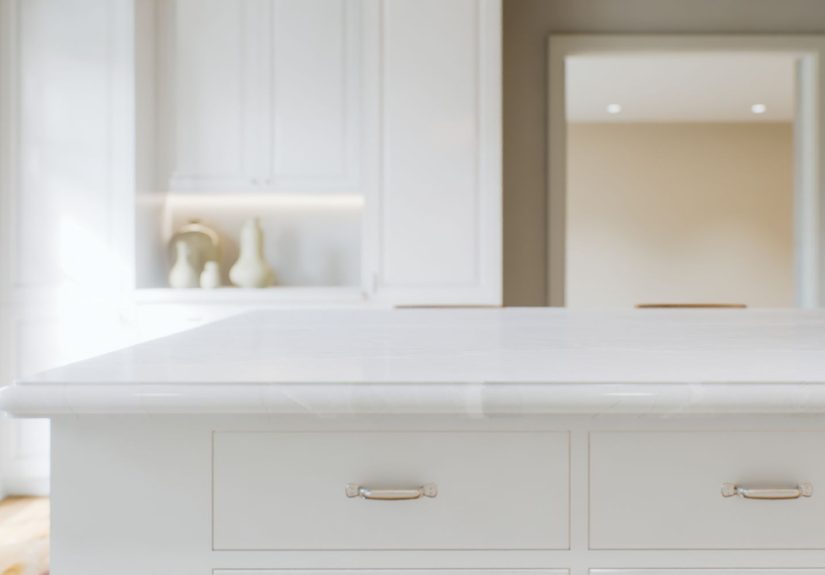
The trend isn’t a new material like quartzite, porcelain slabs, or concrete. It’s a shape: the return of decorative countertop edges, with the ogee profile at the center of the debate. An ogee edge is a traditional, S-shaped curveoften described as a “molding-like” detailcut into the front edge of the countertop. It’s the kind of finishing touch that can make a standard slab feel more crafted and more architectural.
Why is it controversial? Because it’s one of those design choices that looks gorgeous in a staged photothen has to survive real life: spilled coffee, pasta night, sticky fingers, and the daily “Where did all these crumbs come from?” mystery.
In other words: an ogee edge can be a subtle flex… or a tiny maintenance hobby you didn’t ask for.
Why Some Homeowners Love Ogee Edges
1) It instantly looks more “custom”
A decorative edge can make even a simple countertop material feel upgraded. If your cabinets are traditional (think inset doors, furniture-style toe kicks, decorative panels) an ogee edge can tie everything together like a well-matched belt and shoes. It reads intentional. Finished. Designed.
2) It adds softness and old-school charm
Not everyone wants razor-straight lines and minimalism. Ogee edges can introduce curves that echo arched doorways, classic crown molding, or traditional millwork. In transitional kitchenswhere modern and traditional blendan ogee edge can be a nice nod to the “traditional” side without turning your kitchen into a time capsule.
3) It can feel more comfortable at the counter
People lean on countertops. Kids perch there to snack. Friends gather there like your island is a magnet. A shaped edge can feel softer than a sharp, squared cornerespecially on thicker slabs.
Why Others Can’t Stand Them
1) The “crumb problem” is real
The biggest complaint is simple: ornate grooves and curves can trap dust, crumbs, grease, and general kitchen funk. With a straight or eased edge, you can wipe once and move on. With an ogee edge, you may need to wipe into the curves and down the profileespecially if you cook a lot or have textured cabinets that already demand extra cleaning attention.
2) Some designers say ornate edges look dated
Kitchen design trends aren’t only about materials and colorsdetails matter. Many designers have been steering homeowners toward quieter, cleaner edges that let the countertop material shine instead of turning the edge into the main event. In some spaces, a pronounced ogee can look heavy or overly “fussy,” especially when paired with modern slab cabinets, waterfall islands, or minimalist hardware.
3) They can be more prone to chips (depending on the profile)
Not every ogee edge is the same. Some versions create a thinner “lip” or more delicate lower curve. If your household regularly drops heavy mugs, cast iron pans, or the occasional emotional-support water bottle, that thinner section can be more vulnerable than a simple eased edge.
4) They can cost moresometimes noticeably
Fabrication isn’t just “cut it and forget it.” Decorative edges require more shaping, polishing, and laborespecially in harder natural stones or materials prone to chipping. Many fabricators charge an added cost per linear foot for more complex edges. Translation: your edge profile might be a line item, not a free upgrade.
5) The regret factor can sneak up on you
Homeowners often choose edges late in the processwhen decision fatigue is already in full effect. It’s easy to default to what’s “popular,” what you saw on social media, or what your neighbor chose… instead of what matches your actual lifestyle.
Before You Commit: 7 Questions to Ask Yourself
1) What’s your kitchen stylereally?
Be honest about your vibe. If your kitchen leans modern (flat-front cabinets, minimal hardware, sleek lighting), an ogee edge can feel like wearing a tuxedo top with gym shorts. If your kitchen is traditional or transitional (Shaker cabinets, classic hardware, warm woods), an ogee edge can look right at home.
2) How much do you cookand how messy does it get?
If your kitchen is a daily cooking zonechopping, sautéing, baking, the whole showcrumbs and splatters happen constantly. If your kitchen is more “coffee and toast” than “homemade marinara,” you might not mind the extra wipe-down time.
3) Who lives here (and what do they do with countertops)?
Kids, pets, roommates, and frequent guests all change the math. If the counter edge is a high-traffic bump zonethink small children at eye-level with the counter lipconsider safer, softer profiles. If you host often and your island becomes the unofficial gathering headquarters, consider durability and cleanability.
4) What material are you using?
Different materials behave differently at the edge:
- Quartz is consistent and can handle many edge profiles, but the finish quality still matters.
- Natural stone varies by slab; some stones chip more easily, especially with intricate profiles.
- Laminate has different edge options and limitations; not every “stone-style” edge is available.
Ask your fabricator what profiles they recommend for your chosen material and thicknessnot just what looks pretty in a catalog.
5) Are you okay with “patina”… or do you want pristine?
This sounds dramatic, but it’s the heart of the decision. Some homeowners love lived-in charm and don’t mind a little wear. Others want clean lines and a kitchen that looks photo-ready on a random Tuesday. Ornate details tend to show dust and buildup faster than simple lines. If “photo-ready” is your happy place, keep it simple.
6) Where do you want the detail?
You don’t have to go all-in. A popular compromise is using an ogee edge on the island (where it can shine as a feature) while keeping perimeter counters eased or lightly beveled for easier cleaning. This can also help control costs.
7) Are you choosing this for youor for an imaginary future buyer?
Resale matters, but so does daily enjoyment. If you truly love ornate edges and your kitchen style supports it, go for it. If you’re choosing ogee because you think you’re “supposed to,” pause. A timeless kitchen usually comes from cohesive choicesnot from checking off trend boxes.
How to Make an Ogee Edge Less High-Maintenance
Choose a softer, less dramatic profile
The deeper and more defined the curves, the more places crumbs can hide. Ask for a version that’s smoother and not overly deep. A well-polished, subtly shaped ogee can look elegant without acting like a tiny shelf for dust.
Prioritize craftsmanship (seriously)
With decorative edges, quality matters more. A smooth, well-finished profile is easier to wipe and less likely to snag gunk. If the edge looks rough, uneven, or overly sharp in the curves, it’ll be harder to keep clean over time.
Adopt a realistic cleaning routine
The good news: you don’t need a toothbrush and a prayer. A damp microfiber cloth followed by a dry one is usually enough for day-to-day upkeep. For deeper curves, a soft brush can help dislodge crumbs before wiping. Avoid abrasive pads or harsh cleaners that could dull the finish (your countertop doesn’t need “exfoliation”).
Keep the rest of the kitchen calmer
If you choose a dramatic edge, let it be the jewelrynot the entire outfit. Pair it with simpler cabinet hardware, cleaner backsplash choices, and fewer competing ornate details so your kitchen looks intentional rather than overloaded.
Alternatives That Still Look Elevated (Without the Crumb Gymnastics)
Eased edge: the crowd-pleasing classic
An eased edge is basically a straight edge with slightly softened corners. It looks clean, works with modern and transitional kitchens, and is easy to wipe down. If you’re unsure, this is the safest “I won’t regret this later” option.
Small bevel: crisp, tailored, and easier to maintain
A subtle bevel adds a hint of detail without deep grooves. It can give a countertop a more finished look while staying practical for everyday cleaning.
Mitered/stacked edge: the “thick slab” illusion
Love drama? A mitered edge can make your countertop appear thicker and more substantialespecially popular on islandswithout adding ornate curves that trap crumbs. It’s modern, architectural, and often looks expensive (even when you’re trying not to cry about the invoice).
Bullnose/half-bullnose: soft and family-friendly
Rounded edges can be safer for homes with small kids. Just note that sweeping crumbs straight off the counter can be a bit less tidy than with a flatter edgeso this one is a trade-off, too.
The Fast Decision Guide
Choose an ogee edge if you…
- Have a traditional or transitional kitchen where decorative details feel cohesive.
- Want a custom look and don’t mind a little extra wipe-down time.
- Plan to feature the edge (especially on an island) and keep other elements simpler.
- Have a fabricator you trust to execute a smooth, high-quality profile.
Choose a simpler edge if you…
- Prefer modern/minimal kitchens or want the stone pattern to be the star.
- Cook often, have a busy household, or want the easiest possible maintenance.
- Worry about chipping or just don’t want one more thing to clean.
- Are on the fence (because fences are where regrets like to perch).
Real-Life Experiences: What Homeowners Say After the Install (Extra )
If you want to understand the ogee edge debate, don’t start with showroom photos. Start with real kitchenswhere someone is making tacos, wiping down a counter mid-conversation, and wondering how flour got onto the front of the countertop.
One common story goes like this: the homeowner finishes the big-ticket choices (cabinets, countertop material, layout), then discovers the edge profile is a whole separate decision. Sometimes the reaction is excitement“Wait, I can make it look fancier?”and sometimes it’s regret in reverse“Why did no one tell me edges were a thing until five minutes before the template appointment?”
On social media, decorative edges often get labeled as “crumb collectors,” and that complaint isn’t pulled from thin air. Owners describe how the curves can hold onto dust and food bits, especially in kitchens where cooking is frequent and wiping down counters is a constant loop. If you’re used to a quick, flat swipe that pushes crumbs straight into your hand or a dustpan, an ogee edge can interrupt that motion. Suddenly your cleaning becomes two steps: dislodge crumbs from the profile, then wipe. It’s not backbreaking laborbut it is a new micro-task, and micro-tasks are exactly what people are trying to avoid when they remodel.
That said, there’s another camp that basically shrugs and says, “It’s fine.” Some homeowners report that once you learn your routinerun a cloth along the curves, do a quick pass after sweeping the main surfaceit becomes second nature. For them, the edge detail is worth it because it elevates the look every single day. In fact, a few people admit they originally chose it because a spouse wanted the decorative profile, then ended up appreciating it more than expected once everything was installed and the kitchen felt “finished.”
There’s also a very relatable psychological angle: ogee edges can become a symbol of decision pressure. In homeowner forums, you’ll see people reflect on choosing a fancy edge because it seemed like the “right” or “upgraded” movealmost like they were trying to keep up with an unwritten remodeling rulebook. Then, after installation, the question shifts from “Does this look good?” to “Does this suit me?” That’s why some people feel disproportionate regret: it’s not just about crumbs; it’s about feeling like they picked a detail for the wrong reasons.
The most useful takeaway from these stories is simple: ogee edges are rarely a disaster, but they are very personal. If you love traditional detail and you don’t mind slightly more attentive cleaning, you’ll probably enjoy the look for years. If you crave low-maintenance and clean linesor if your kitchen already has plenty of visual detailan ogee edge might feel like one flourish too many.
The happiest homeowners aren’t necessarily the ones who chose the “right” edge in a universal sense. They’re the ones who chose an edge that matches their real life: how they cook, how they clean, and how they want their kitchen to feel on an ordinary weekdaynot just in a perfectly lit photo.