Table of Contents >> Show >> Hide
- Why Honey and Grapefruit Work So Well With Cranberries
- Ingredients for Honeyed Grapefruit-Cranberry Sauce
- How to Make It
- Tips for the Best Grapefruit Cranberry Sauce
- How to Serve Honeyed Grapefruit-Cranberry Sauce
- Variations to Try
- Storage and Make-Ahead Advice
- Why This Recipe Stands Out
- Real Kitchen Experiences With Honeyed Grapefruit-Cranberry Sauce
- Conclusion
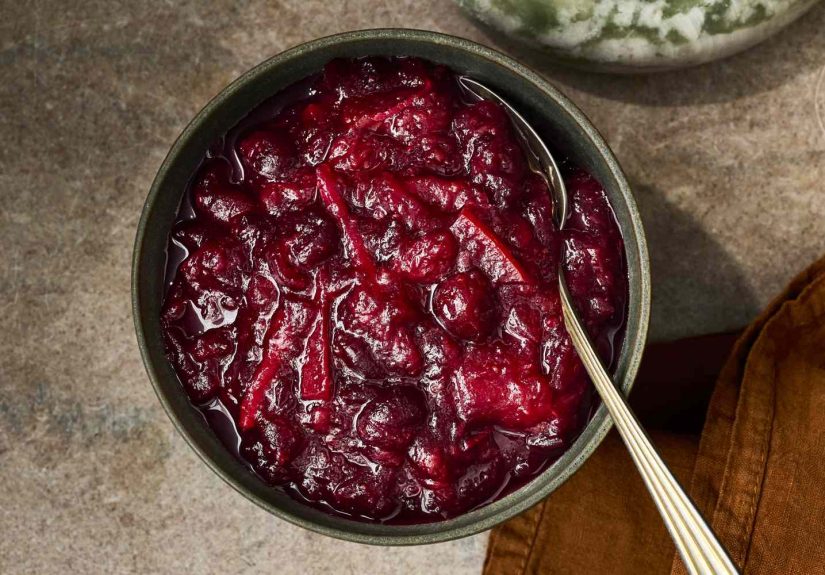
If classic cranberry sauce is the polite guest at the holiday table, Honeyed Grapefruit-Cranberry Sauce is the witty cousin who shows up wearing a fabulous coat and somehow gets along with everybody. It is bright, ruby-red, sweet-tart, a little floral from the honey, and just grown-up enough thanks to grapefruit’s pleasantly bitter edge. In other words, it has range. It can sit next to roast turkey at Thanksgiving, spoon itself onto a cheese board in December, and then shamelessly sneak into yogurt, toast, and leftover sandwiches the next morning.
This version keeps everything people love about homemade cranberry sauce while nudging it into fresher territory. Fresh cranberries bring the tang and natural thickening power. Honey softens the sharp corners without making the sauce taste flat. Grapefruit adds sparkle, citrus fragrance, and a subtle bitterness that makes the whole thing feel less sugary and more balanced. If your usual cranberry sauce tastes like it is doing its job but not enjoying it, this recipe fixes that.
The beauty of this grapefruit cranberry sauce is that it feels special without becoming fussy. You do not need a candy thermometer, a culinary degree, or a dramatic backstory. You just need a saucepan, a spoon, and the ability to resist eating half the batch before it gets to the table. That last part is the hardest.
Why Honey and Grapefruit Work So Well With Cranberries
Cranberries are naturally tart, which is exactly why they make such a memorable sauce. But tartness alone can be a little one-note. Traditional recipes often solve that with a generous amount of sugar, and while that works, it can sometimes mute the fruit instead of highlighting it. Honey takes a different route. It sweetens, of course, but it also adds floral depth and a rounder finish, which helps the sauce taste layered rather than simply sweet.
Then there is grapefruit. This is where things get interesting. Orange is the familiar citrus partner for cranberries, but grapefruit brings a sharper, more sophisticated personality. Its juice brightens the sauce, its zest perfumes it, and its segmented flesh can add juicy little bursts throughout the finished dish. The trick is controlling the bitterness. You want the lively edge of grapefruit, not the full drama of pith and membrane. That means zesting carefully and, if you add fresh segments, trimming away as much white pith as possible.
Together, honey, grapefruit, and cranberries create a sauce that tastes festive without being predictable. It is sweet, tart, slightly bitter, deeply fruity, and vivid enough to wake up a rich plate of roast poultry, ham, pork, or even buttery biscuits. It also pairs beautifully with creamy things like Brie, goat cheese, mascarpone, and thick Greek yogurt.
Ingredients for Honeyed Grapefruit-Cranberry Sauce
What You’ll Need
- 12 ounces fresh or frozen cranberries
- 1/2 cup honey
- 1/3 to 1/2 cup fresh grapefruit juice
- 1/4 cup water
- 1 teaspoon grapefruit zest
- 2 to 3 tablespoons finely chopped grapefruit segments, with membranes removed
- 2 tablespoons orange juice, optional, for a softer citrus profile
- 1 small cinnamon stick, optional
- 1 teaspoon grated fresh ginger, optional
- Pinch of salt
This ingredient list keeps the recipe focused and practical. The grapefruit juice supplies acidity and flavor, while the honey handles sweetness with a little extra personality. A splash of orange juice is optional but useful if you want to round out grapefruit’s sharper edges. Cinnamon and ginger are supporting actors, not scene-stealers. They add warmth, but the real stars remain the cranberries and citrus.
Ingredient Notes That Actually Matter
Fresh cranberries: They give the cleanest tart flavor and the best texture, but frozen cranberries work just fine. No need to thaw them first.
Honey: Use a mild or medium honey unless you want a very distinctive floral finish. Clover honey is approachable. Orange blossom honey is excellent if you want the citrus notes to sing.
Grapefruit: Ruby red or pink grapefruit tends to be the friendliest choice. White grapefruit is delicious too, but it usually leans more bitter.
Salt: It seems tiny, but it helps tie the sweet and tart notes together. Skip it and the sauce may taste a little less complete.
How to Make It
Step 1: Build the Base
In a medium saucepan, combine the honey, grapefruit juice, water, grapefruit zest, optional orange juice, and a pinch of salt. If you are using cinnamon or ginger, add them here. Warm the mixture over medium heat just until the honey dissolves and the liquid looks unified. You are not trying to make candy. You are just giving the ingredients a chance to meet nicely before the cranberries crash the party.
Step 2: Add the Cranberries
Stir in the cranberries and bring the mixture to a lively simmer. As the berries heat up, they will begin to pop. This is the moment every cranberry sauce recipe lives for. Keep the heat at a steady simmer and stir occasionally so nothing sticks to the bottom. After about 8 to 12 minutes, the sauce should look glossy and jammy, with most berries burst and a few still holding shape for texture.
Step 3: Let It Reduce
If the sauce looks thin, keep simmering for another minute or two. Do not panic if it still seems looser than you expected. Cranberry sauce thickens significantly as it cools. That is not kitchen betrayal. That is chemistry being helpful for once.
Step 4: Add the Fresh Grapefruit
Remove the pan from the heat and stir in the chopped grapefruit segments. Adding them at the end keeps their flavor fresh and their texture lively. If you cook them too long, they lose some sparkle and can make the sauce taste more bitter. Taste the sauce and adjust as needed. More honey if it is too sharp. A tiny splash of grapefruit juice if it feels too sweet. Another pinch of salt if the flavors seem sleepy.
Step 5: Cool and Chill
Let the sauce cool to room temperature, then transfer it to a container and refrigerate. It will continue to thicken as it chills, and the flavor will become more integrated after a few hours. In fact, this is one of those glorious recipes that often tastes better the next day, which is ideal if your holiday cooking schedule already resembles a minor logistical crisis.
Tips for the Best Grapefruit Cranberry Sauce
1. Avoid the Pith
The white layer under grapefruit peel is intensely bitter. A little bitterness can be elegant; too much tastes like you lost an argument with the fruit. Zest only the colorful outer skin, and if you use fresh segments, remove the membranes for the cleanest flavor.
2. Taste Before You Judge
Warm cranberry sauce tastes brighter, sharper, and looser than chilled cranberry sauce. If you sweeten aggressively while it is hot, you may end up with a dessert-like result once it cools. Let the sauce settle, then retaste before making big adjustments.
3. Use Honey With Intention
Because honey varies so much, your final flavor can change depending on the type you use. A neutral honey keeps the fruit front and center. A stronger honey creates a deeper, richer sauce. Neither is wrong. Just know which mood you are inviting to dinner.
4. Make It Ahead
This is an excellent make-ahead recipe. It saves time, tastes better after a rest, and frees up stovetop space on busy cooking days. Refrigerated leftovers should be kept chilled and used within a reasonable window, especially if they have been served alongside a larger holiday spread.
5. Remember the Grapefruit Caveat
Grapefruit can interact with certain medications. If you are serving this to guests, especially at a holiday meal with mixed ages and health needs, it is worth mentioning that the sauce contains grapefruit. That small heads-up is thoughtful, practical, and much more charming than accidentally turning your side dish into a pharmaceutical plot twist.
How to Serve Honeyed Grapefruit-Cranberry Sauce
Yes, it is wonderful with roast turkey. But stopping there would be rude to the sauce. Here are a few smart ways to use it:
- With roasted poultry: Turkey, chicken, duck, and Cornish hens all benefit from the sauce’s bright acidity.
- With pork: Roast pork loin, pork chops, or a ham sandwich become instantly more interesting.
- On a cheese board: Spoon it beside Brie, goat cheese, sharp cheddar, or triple-cream cheeses.
- At breakfast: Swirl it into yogurt or oatmeal, or spread it over toast with cream cheese.
- For leftovers: It makes Thanksgiving sandwiches taste suspiciously gourmet.
- With desserts: Try a small spoonful over pound cake, vanilla ice cream, or cheesecake.
This versatility is part of what makes homemade cranberry sauce with honey so appealing. It is not just a side dish. It is a flavor tool, a bright condiment, and occasionally the reason people mysteriously hover near the fridge with a spoon.
Variations to Try
Spiced Version
Add cinnamon, ginger, or a clove for a warmer holiday flavor. Keep it restrained so the grapefruit still shines.
Herbal Version
A small sprig of rosemary or thyme simmered with the sauce gives it a savory edge that pairs especially well with roast meats.
Chunkier Relish-Style Version
Pulse a small portion of the cooked sauce with extra fresh grapefruit segments, then fold it back in. This creates a hybrid between cranberry sauce and cranberry relish, with plenty of texture.
Lower-Sweetness Version
If you prefer a tarter finish, start with the smaller amount of honey and taste after chilling. Since grapefruit already brings complexity, the sauce can still feel satisfying without leaning too sweet.
Storage and Make-Ahead Advice
Once cooled, store the sauce in an airtight container in the refrigerator. It is ideal for making ahead because the texture improves and the flavors settle into each other. If you are preparing for a holiday meal, making it one to three days in advance is a smart move. It reduces stress, protects stove space, and makes you look suspiciously organized.
You can also freeze cranberry sauce, especially homemade versions made from whole berries. Thaw it in the refrigerator and stir before serving. The texture may soften slightly, but the flavor generally holds up well. For the best eating experience, serve it chilled or let it sit at cool room temperature for a short time before bringing it to the table.
Why This Recipe Stands Out
There are plenty of cranberry sauces in the world. Some are classic and straightforward. Some are heavily spiced. Some are basically jam wearing a holiday nametag. What makes Honeyed Grapefruit-Cranberry Sauce stand out is balance. It is sweeter in a nuanced way, thanks to honey. It is brighter and more aromatic, thanks to grapefruit. And it has enough tart backbone to keep the whole thing lively.
It also feels modern without being trendy for the sake of trendiness. This is not cranberry sauce trying too hard. It is cranberry sauce that got a better playlist, a sharper jacket, and a little more confidence. The result is something beautiful on the table and genuinely useful beyond one meal.
Real Kitchen Experiences With Honeyed Grapefruit-Cranberry Sauce
One of the most appealing things about this sauce is how differently it behaves depending on the setting. Put it on a formal holiday table in a polished serving bowl, and it looks elegant and intentional, the kind of side dish that makes people assume you planned the meal weeks in advance. Spoon the very same sauce into a leftover turkey sandwich the next day, and suddenly it becomes wonderfully casual, a bit messy, and somehow even better. That contrast is part of its charm. It can dress up and relax without losing its identity.
In many home kitchens, cranberry sauce is a tradition people make because they feel they should. This version changes that mood. The first surprise is usually the aroma. As the cranberries burst and the grapefruit zest hits the warm honey, the kitchen smells less like a standard holiday side and more like a bright winter preserve being made by someone who actually knows what they are doing. Even hesitant eaters, the ones who usually wave off cranberry sauce as “too tart” or “that jiggly canned thing,” tend to get curious when grapefruit is involved.
Another common experience is the make-ahead relief it offers. Big meals are rarely improved by last-minute panic, and this sauce is one of those rare dishes that rewards early effort. You make it the day before, tuck it into the refrigerator, and the next day it tastes more settled, more polished, more like the flavors finally agreed on the seating chart. For busy cooks, that is incredibly satisfying. The sauce feels like a completed task, not an item lingering on a mental to-do list while onions are burning in the next pan.
Then there is the conversation factor. People notice grapefruit because it is not the default. Orange? Familiar. Lemon? Understandable. Grapefruit? Interesting. Someone always asks what makes the sauce taste different, and that turns a humble side dish into a talking point. Better still, it is a talking point with substance. The flavor is not odd for the sake of being odd. It truly makes sense. Rich foods need brightness. Sweet honey needs acidity. Cranberries love a citrus partner with a little attitude.
Perhaps the nicest experience, though, comes after the holiday table is cleared. This sauce keeps earning its place. It lands on toast with salted butter. It gets dolloped onto yogurt. It rescues plain roast chicken on an ordinary weeknight. It joins a cheese plate when friends stop by. It reminds you that one good recipe can do more than fill a single serving bowl. It can become part of a season, a habit, and a small kitchen signature people remember. And honestly, that is a lot of emotional mileage for a saucepan full of berries and citrus.
Conclusion
Honeyed Grapefruit-Cranberry Sauce is proof that a classic can be refreshed without losing what made it lovable in the first place. It keeps the tart, jewel-toned personality of cranberry sauce, then layers in honey for softness and grapefruit for brightness, fragrance, and a touch of elegant bitterness. The result is versatile, make-ahead friendly, and memorable enough to earn a permanent place in your cold-weather recipe rotation.
If you want a homemade cranberry sauce that feels fresh, balanced, and a little unexpected, this is the one to make. It belongs at Thanksgiving, but it also deserves a life beyond the holiday table. Which is good news, because leftovers rarely stand a chance.