Table of Contents >> Show >> Hide
- Why the Relationship Between Sleep Apnea and Weight Gain Is So Strong
- Common Signs the Cycle May Already Be Happening
- How to Break the Sleep Apnea and Weight Gain Cycle
- Why Quick Fixes Usually Backfire
- The Bigger Health Picture
- Conclusion
- Real-World Experiences: What This Cycle Often Feels Like
- SEO Tags
Sleep apnea and weight gain have one of those relationships nobody asked for, like a smoke alarm that only beeps at 3 a.m. They feed each other. Extra weight can make obstructive sleep apnea more likely or more severe, while untreated sleep apnea can quietly make it harder to manage appetite, energy, metabolism, and everyday habits. The result is a frustrating loop: you sleep badly, feel drained, move less, crave more, and wake up feeling like your body held a secret staff meeting without inviting you.
That loop is real, and it is more than just “snoring plus a few extra pounds.” Obstructive sleep apnea happens when the upper airway repeatedly narrows or collapses during sleep. Breathing pauses, oxygen levels can drop, sleep gets fragmented, and the brain keeps yanking the body back toward wakefulness. You may not remember these interruptions, but your body absolutely does. Over time, that poor sleep quality can affect hunger hormones, insulin sensitivity, mood, blood pressure, exercise tolerance, and even motivation. Suddenly, the battle with the scale feels less like a lack of willpower and more like trying to run a marathon in flip-flops.
This matters because the connection works in both directions. Weight gain can increase the risk of sleep apnea, and sleep apnea can make additional weight gain more likely. The good news is that the cycle can be interrupted. Better sleep, better breathing, and better weight management do not have to happen one at a time in a perfect cinematic montage. In fact, the most effective approach is often to tackle both sides together.
Why the Relationship Between Sleep Apnea and Weight Gain Is So Strong
When doctors talk about the link between sleep apnea and weight gain, they are usually talking about obstructive sleep apnea, the most common form. This is the version in which soft tissues in the throat relax too much during sleep and block airflow. Weight is not the only risk factor, but it is one of the biggest. Neck size, tongue size, airway anatomy, age, alcohol use, smoking, family history, hormonal changes, and sleeping position can all play a role too. Still, excess body fat often throws gasoline on the fire.
How Weight Gain Can Make Sleep Apnea Worse
Weight gain affects breathing during sleep in a few ways. First, extra fat around the neck and upper airway can physically narrow the space air has to move through. Think of it as turning a roomy hallway into a crowded storage closet. During the day, your throat muscles help keep that space open. During sleep, those muscles relax. If the airway is already tight, it can collapse more easily.
Second, abdominal weight matters too. Extra fat around the belly can reduce lung volume and place mechanical pressure on the chest and diaphragm. That means the airway has less structural support and can become more collapsible when you lie down. So yes, sleep apnea is partly a throat problem, but it is also a “how the rest of the body affects breathing” problem.
Weight gain may also worsen inflammation and metabolic strain, both of which can overlap with sleep apnea risk. This does not mean every person with sleep apnea has obesity, because they do not. People at lower body weights can still have sleep apnea due to anatomy, genetics, enlarged tonsils, jaw structure, menopause, or other factors. But when weight gain enters the picture, the odds often tilt in the wrong direction.
How Sleep Apnea Can Push the Scale Up
Now comes the annoying plot twist: sleep apnea does not just sit there being a breathing disorder. It can also create conditions that favor weight gain. The most obvious reason is sleep fragmentation. If your brain has to keep rescuing you from repeated breathing pauses, you miss out on restorative sleep. You might still spend hours in bed, but your body can wake up feeling like it pulled an all-nighter at a budget airport terminal.
That poor sleep changes how you feel and how you function. Many people with untreated sleep apnea report daytime fatigue, brain fog, low motivation, and reduced exercise tolerance. When you are exhausted, a walk after dinner sounds less appealing, meal prep feels like a major engineering project, and convenience foods start looking like trusted friends.
Sleep loss can also affect hormones tied to hunger and fullness. Poor sleep is associated with changes in ghrelin and leptin, two hormones involved in appetite regulation. In plain English, the body may feel hungrier and less satisfied. Add stress, low energy, and cravings for quick calories, and it becomes easier to overeat without meaning to.
There is also a metabolism angle. Repeated oxygen drops and disturbed sleep can contribute to insulin resistance and broader metabolic dysfunction. That does not mean sleep apnea alone magically creates weight gain overnight, but it can make the body less cooperative when someone is trying to lose weight. In other words, untreated sleep apnea can turn a normal weight-loss effort into a slog.
Emotions matter too. Bad sleep often worsens irritability, anxiety, and low mood. That can lead to emotional eating, nighttime snacking, or the classic “I deserve this giant bowl of something crunchy because today was nonsense” decision. The body is tired, the brain wants relief, and high-calorie foods are very good at auditioning for the role.
Common Signs the Cycle May Already Be Happening
A lot of people think sleep apnea always looks dramatic, with thunderous snoring and obvious choking sounds. Sometimes it does. Sometimes it is much sneakier. You might have loud snoring, gasping during sleep, witnessed pauses in breathing, restless sleep, dry mouth in the morning, or morning headaches. During the day, the clues may include sleepiness, poor concentration, memory issues, irritability, or feeling strangely unrefreshed no matter how long you stay in bed.
When sleep apnea and weight gain begin feeding each other, people often notice a pattern like this:
- They gain weight over time, especially around the midsection.
- Snoring gets louder or more frequent.
- Energy drops, workouts become inconsistent, and step counts quietly collapse.
- Cravings rise, especially for sugar, refined carbs, or salty comfort food.
- The scale moves up even when they feel like they are “not eating that much.”
Not everyone experiences the cycle the same way, and not every person who gains weight has sleep apnea. But if the combination of snoring, daytime fatigue, and stubborn weight gain keeps showing up together, it is worth paying attention.
How to Break the Sleep Apnea and Weight Gain Cycle
Here is the encouraging part: this relationship may be vicious, but it is not unbeatable. The smartest strategy is usually not “fix the weight first, then think about sleep later” or “ignore the weight and just buy a machine.” The better plan is often a two-lane road: improve breathing during sleep while also building a realistic plan for weight management.
1. Get Properly Evaluated for Sleep Apnea
If symptoms suggest sleep apnea, a healthcare professional may recommend a sleep study, either at home or in a lab depending on the situation. This matters because chronic fatigue has many causes, and sleep apnea is one of the big ones that is often missed. Plenty of people blame stress, age, work, or “being bad at mornings” when the real issue is that they are waking hundreds of times a night without knowing it.
A diagnosis can be a turning point. Once you know what is happening, the conversation becomes practical instead of mysterious. You stop asking, “Why am I so exhausted all the time?” and start asking, “What treatment will help me breathe and sleep better?”
2. Treat the Airway Problem Directly
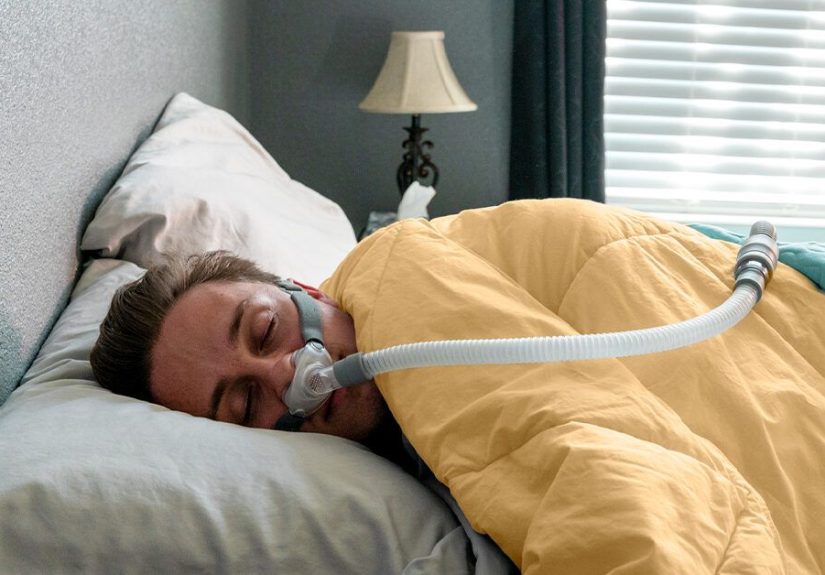
CPAP, or continuous positive airway pressure, is still one of the most common and effective treatments for obstructive sleep apnea. It works by keeping the airway open during sleep. Other options may include oral appliances, positional therapy, nasal treatment, or surgery in selected cases. The right choice depends on anatomy, severity, tolerance, and medical history.
Treating sleep apnea does not automatically melt away body fat like some sort of nighttime wizardry. But it can create better conditions for weight management. Better sleep can improve alertness, mood, energy, consistency, and decision-making. And honestly, making healthy choices is a lot easier when you are not dragging yourself through the day like a phone stuck at 4% battery.
3. Build a Weight-Loss Plan That Respects Fatigue
When weight contributes to sleep apnea, losing even a modest amount of weight can improve symptoms in some people. That said, the plan has to be realistic. A tired body rarely responds well to extreme diets, punishing workouts, or motivational speeches from people who already love kale.
A sustainable strategy usually looks more like this:
- A reduced-calorie eating plan built around foods that are filling, higher in protein, and easier to repeat.
- Regular physical activity, starting where the person actually is instead of where they wish they were.
- Behavioral support, whether from a clinician, dietitian, structured program, or accountability system.
- Gradual habit changes that can survive real life, travel, stress, holidays, and Tuesday.
For some people, physician-guided obesity treatment may also include weight-loss medication. For others with severe obesity or related medical conditions, metabolic or bariatric surgery may enter the conversation. Those are not “easy way out” options. They are medical tools, and in the right setting, they can be meaningful parts of a serious treatment plan.
4. Improve Sleep Habits, Even Beyond Apnea Treatment
Sleep apnea treatment and basic sleep hygiene are not the same thing, but they should be on speaking terms. Going to bed at wildly different times, drinking heavily before sleep, or sleeping too little overall can make the entire situation harder. A few useful basics include:
- Keeping a fairly regular sleep schedule.
- Avoiding alcohol close to bedtime, since it can worsen airway collapse.
- Limiting sedatives unless specifically prescribed and reviewed by a clinician.
- Managing nasal congestion if it interferes with breathing or CPAP comfort.
- Prioritizing enough total sleep, not just “time in bed while scrolling.”
Even exercise deserves a special mention here. Physical activity can improve sleep quality and may reduce sleep apnea severity, sometimes even before major weight loss happens. That is great news for anyone who feels discouraged by the scale. Progress is not always immediate on paper, but the body can still be improving behind the scenes.
Why Quick Fixes Usually Backfire
The internet loves a dramatic cure. One week it is a miracle tea. Next week it is “just tape your mouth and transform your life.” Sleep apnea and weight gain do not usually respond well to gimmicks. They are both chronic, physiology-heavy issues that tend to reward consistency more than drama.
Extreme calorie restriction can backfire by increasing hunger, lowering adherence, and making fatigue even worse. Ignoring sleep apnea while trying to lose weight can also feel like pushing a shopping cart with one square wheel. On the flip side, relying on sleep apnea treatment alone without addressing weight, nutrition, activity, and sleep habits may leave progress incomplete.
The better mindset is not perfection. It is momentum. Better breathing at night. Better energy during the day. Better odds of sticking with food and activity changes. Better long-term health. That is how the cycle gets broken.
The Bigger Health Picture
The relationship between sleep apnea and obesity matters not just because of snoring or the number on the scale, but because of what comes with it. When these conditions overlap, the risks for high blood pressure, insulin resistance, type 2 diabetes, cardiovascular disease, and poor quality of life can stack up. That is why clinicians increasingly look at sleep apnea and weight together instead of treating them like unrelated side quests.
And there is an emotional angle too. People living with this cycle often blame themselves. They assume they are lazy, unmotivated, or somehow failing at adulthood because they cannot stay awake, lose weight, or wake up refreshed. But untreated sleep apnea can quietly sabotage all three. Understanding that can replace shame with strategy, which is a much more useful trade.
Conclusion
Sleep apnea and weight gain contribute to each other in a very real, very frustrating loop. Weight gain can narrow the airway and increase breathing interruptions during sleep. Sleep apnea can then worsen fatigue, appetite regulation, metabolism, and daily habits, making more weight gain more likely. The cycle is common, but it is not permanent.
The most effective path is usually a combined one: identify and treat the sleep apnea, then support weight management with practical nutrition, activity, and medical care when needed. Small improvements can matter. Better sleep can lead to better energy. Better energy can lead to better habits. Better habits can reduce weight and improve breathing. That is not magic. That is momentum, and it is often where real change starts.
This article is for educational purposes only and is not a substitute for personalized medical advice, diagnosis, or treatment.
Real-World Experiences: What This Cycle Often Feels Like
Ask people dealing with sleep apnea and weight gain what the experience feels like, and many will not start with the words “airway collapse” or “metabolic dysfunction.” They will say things like, “I’m exhausted all the time,” “I keep gaining weight even though I’m trying,” or “I thought I was just getting older.” That is part of what makes this issue so tricky. The day-to-day experience often feels vague at first, even when the physiology behind it is not.
One common experience is the slow-motion nature of the problem. People often describe a stretch of months or years where the changes seem small in the moment but obvious in hindsight. Snoring gets louder. Pants fit tighter. Afternoon crashes become normal. Workouts that used to feel manageable suddenly feel brutal. The person may start drinking more caffeine, grabbing more takeout, and moving less, not because they do not care, but because they are tired in a deep, stubborn way that sleep never seems to fix.
Another common experience is frustration with weight-loss efforts. Someone starts a diet, makes a few solid choices, and even has some motivation at the beginning. Then the fatigue wins. They get less sleep, feel hungrier, skip exercise, crave fast energy, and wonder why their “discipline” disappeared by Thursday. Many people are shocked to learn that untreated sleep apnea may have been quietly undermining the whole process. It is not that healthy habits stop mattering. It is that they become much harder to sustain when the body is running on fragmented sleep.
People also talk about the social side. Partners may complain about snoring. Some notice embarrassment around sleepovers, travel, or sharing a room. Others feel self-conscious about CPAP at first, worrying that treatment makes them look old, sick, or unromantic. Then many of them have the same follow-up reaction after getting used to therapy: “Why didn’t I do this sooner?” Feeling more awake, less foggy, and less headachy can be a huge relief.
There is also the emotional roller coaster. Many people blame themselves before they get diagnosed. They assume the weight gain is entirely about poor choices, or they think their constant fatigue means they are lazy. Once treatment starts, there is often a different feeling: relief mixed with regret. Relief because there is finally an explanation. Regret because the problem may have been there for years. But that turning point matters. When people understand that sleep apnea and weight gain can reinforce each other, they usually become better equipped to make sense of their own patterns and seek help without shame.
Perhaps the most encouraging shared experience is this: progress often starts small, but it can be real. A person uses their CPAP more consistently. Morning headaches ease up. They stop nodding off on the couch. They walk a little more because they finally have the energy. Cravings become less chaotic. Food choices get easier. The scale may not change overnight, but the day starts feeling more manageable. That is often how the cycle begins to reversenot with one heroic act, but with better sleep creating enough stability for healthier choices to stick.