Table of Contents >> Show >> Hide
- First, What “Metabolism” Actually Means
- Why Exercise Helps Your Metabolism
- The Best Types of Exercise to Boost Metabolism
- A Simple Weekly Plan That Actually Works
- How to Make Your Workouts More Effective for Metabolism
- Mistakes That Can Slow Your Progress
- What Real Progress Looks Like
- Experience: What People Often Notice When They Start Exercising for Metabolic Health
- Conclusion
If you have ever muttered, “I think my metabolism is on vacation,” welcome to the club. Metabolism gets blamed for everything from stubborn weight changes to low energy to the mysterious disappearance of motivation somewhere between your sneakers and the front door. But here is the good news: while you cannot magically turn your body into a bonfire with one miracle workout, you absolutely can support a healthier, more active metabolism with exercise.
The trick is knowing what actually works. Spoiler: it is not sweating for 20 minutes and expecting your body to burn cheesecake calories until Tuesday. A better strategy is combining strength training, cardio, intervals, and more day-to-day movement so your body burns more energy, preserves lean muscle, and becomes more efficient at using fuel. That is where exercise really shines.
In this guide, we will break down what metabolism really means, which workouts give you the biggest return, how to build a realistic weekly routine, and what people often experience when they stop chasing gimmicks and start training smarter. Think of it as a metabolism makeover without the nonsense, the starvation, or the internet’s usual parade of “one weird trick” nonsense.
First, What “Metabolism” Actually Means
Metabolism is not just one switch you flip. It is the total energy your body uses to stay alive and do stuff, from breathing and digesting lunch to climbing stairs and carrying laundry like you are in an Olympic event. A big chunk of that energy comes from your resting metabolic rate, which is the calorie burn that keeps you functioning even when you are not doing burpees or pretending to enjoy burpees.
Another part of metabolism comes from digesting food, and a very changeable part comes from physical activity. That includes both workouts and the movement you do outside formal exercise, often called daily activity or nonexercise activity. In other words, your metabolism is affected by your body size, muscle mass, age, activity level, sleep, and lifestyle patterns. It is not just luck, and it is definitely not determined by whether you drink lemon water before sunrise.
Why Exercise Helps Your Metabolism
1. It Helps You Build and Keep Lean Muscle
One of the most effective ways exercise supports metabolism is by helping you maintain or increase lean muscle mass. Muscle tissue is more metabolically active than fat tissue, which means it uses more energy, even at rest. That does not mean adding five pounds of muscle turns you into a human furnace overnight, but it does mean strength training gives your body a more favorable engine over time.
This matters even more as you get older. People naturally lose muscle with age, especially if they are inactive. That loss can make the body feel less energetic and less efficient. Regular resistance training helps slow that slide and can even reverse part of it. Translation: lifting weights is not just for gym bros and people who own six shaker bottles. It is for anyone who wants a stronger, more metabolically active body.
2. It Burns Calories While You Are Doing It
Let us give credit where credit is due: exercise burns calories right away. Brisk walking, cycling, rowing, swimming, dancing in your kitchen, and lifting weights all increase energy use during the activity itself. The harder or longer you work, the more energy your body needs. This immediate calorie burn is one of the simplest and most reliable ways exercise contributes to metabolic health.
Steady cardio is especially useful because it is accessible, scalable, and easier to recover from than all-out training. You do not have to destroy yourself to get benefits. A consistent walking habit can do more for your weekly calorie burn than one heroic workout followed by three days of dramatic soreness and regret.
3. It Can Create a Small “Afterburn” Effect
After tougher workouts, especially strength sessions and high-intensity intervals, your body may continue burning a bit more energy as it recovers. This is often called the afterburn effect, or excess post-exercise oxygen consumption. Yes, it is real. No, it is not a free pass to celebrate every workout with a milkshake the size of a flower vase.
The afterburn effect tends to be modest, but it still matters. Over time, those small advantages add up, especially when paired with regular training. Think of it as bonus interest, not a winning lottery ticket.
4. It Improves Insulin Sensitivity and Fuel Use
Exercise helps your muscles use glucose more effectively, which is another reason it supports metabolic health. When your body becomes better at managing blood sugar and using stored fuel, you often feel more energetic, less sluggish, and better able to handle meals without the classic “I need a nap and a cookie” crash.
This is one reason the best exercise plan for metabolism is not just about burning calories. It is also about improving how your body handles energy in the first place. A body that uses fuel well is usually a body that feels and functions better.
5. It Encourages More Daily Movement
Exercise has a funny side effect: it often makes people more aware of movement in general. Someone who starts walking three times a week may also begin taking the stairs, standing more, stretching between meetings, or doing a quick loop around the block after dinner. That extra movement matters.
This is where daily activity becomes a secret weapon. If you do one workout and then sit like a decorative plant for the other 15 waking hours, your metabolism does not get much help. But if workouts lead to a more active day overall, you create more total energy burn without feeling like every minute of life is cardio.
The Best Types of Exercise to Boost Metabolism
Strength Training
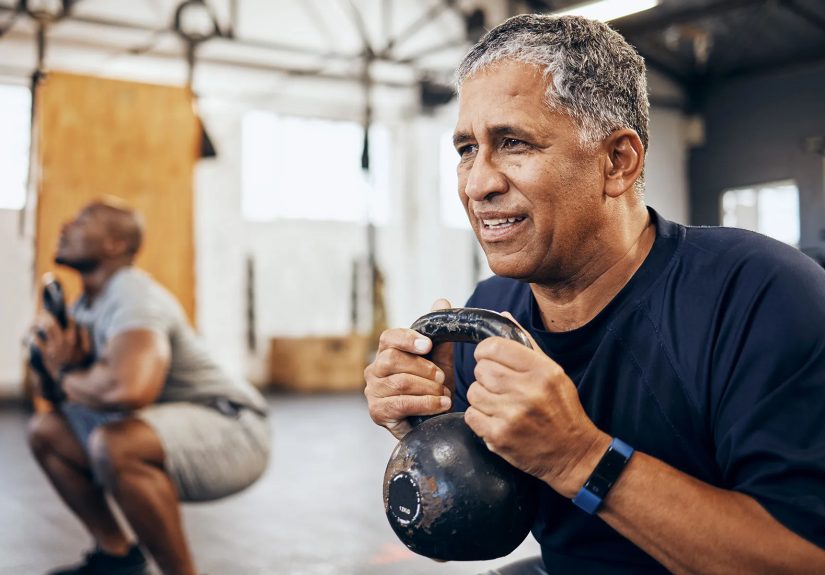
If your goal is to support metabolism, strength training deserves top billing. It helps preserve and build muscle, supports long-term calorie burn, and improves how capable your body feels in everyday life. You do not need a fancy gym membership to do it. Dumbbells, resistance bands, machines, kettlebells, or bodyweight exercises all count.
Focus on major movement patterns like squats, hinges, pushes, pulls, lunges, and loaded carries. Compound exercises recruit more muscle groups and generally give you more bang for your workout buck. A solid beginner routine might include goblet squats, dumbbell rows, push-ups, Romanian deadlifts, overhead presses, and planks two to three times per week.
High-Intensity Interval Training
HIIT can be useful because it packs a lot of effort into a short session and may produce a greater afterburn than easy exercise. It can also improve cardiovascular fitness and make workouts more time-efficient. But there is a catch: more is not always better.
One or two HIIT sessions per week is plenty for most people. Good intervals could look like 20 to 40 seconds of hard effort on a bike, rower, hill, or bodyweight circuit, followed by one to two minutes of recovery. Beginners should start conservatively. A workout should feel challenging, not like a dramatic reenactment of collapse.
Moderate Cardio
Moderate-intensity cardio is underrated because it is not flashy. It does not come with a scary soundtrack or social media captions about “leaving it all on the floor.” But it works. Brisk walking, cycling, swimming, jogging, and hiking help you burn calories, improve endurance, and build the base that makes harder training easier.
This type of exercise is also sustainable, which is a very unsexy but extremely important word. A workout only helps your metabolism if you actually keep doing it. Moderate cardio is often the easiest way to rack up weekly activity without frying your recovery.
Circuit Training
Circuit training blends strength and cardio by moving from one exercise to another with short rest periods. Done well, it can elevate your heart rate, work multiple muscle groups, and keep sessions efficient. A simple circuit might include squats, rows, step-ups, kettlebell swings, and push-ups repeated for several rounds.
This style is especially useful for people who say they do not have time to exercise. You may not have 90 minutes, but you probably have 25 honest minutes. That is enough to do something meaningful.
Walking, Stairs, and Everyday Movement
If you want a metabolism booster hiding in plain sight, it is movement you can repeat every day. Walking is easy on the joints, great for consistency, and surprisingly powerful when it becomes a habit. Add stairs, short walking breaks, standing meetings, grocery laps, or a post-meal stroll, and your daily calorie burn gets a quiet but valuable upgrade.
Not every metabolism-friendly activity has to look like a workout. Sometimes the most effective move is the one you are willing to do on a random Tuesday when motivation is missing in action.
A Simple Weekly Plan That Actually Works
You do not need to exercise seven days a week to support metabolism. You need a balanced plan you can recover from and repeat. A practical example looks like this:
- Monday: Full-body strength training
- Tuesday: Brisk walk or moderate cardio for 30 to 45 minutes
- Wednesday: Short HIIT session or circuit training
- Thursday: Light walk, mobility work, or active recovery
- Friday: Full-body strength training
- Saturday: Longer walk, bike ride, hike, or fun recreational activity
- Sunday: Rest, stretching, and normal daily movement
This kind of schedule covers the basics: muscle-building work, calorie-burning cardio, a touch of higher intensity, and enough recovery to keep you from flaming out. It also lines up well with public health guidelines that recommend regular aerobic activity plus muscle-strengthening work each week.
How to Make Your Workouts More Effective for Metabolism
Use Progressive Overload
Your body adapts quickly. If you do the same five-pound curls until the end of time, your metabolism will not exactly send you a thank-you card. Gradually increase resistance, reps, sets, time, or difficulty so your body continues to adapt.
Keep Rest Periods Intentional
In strength training, rest enough to maintain good form. In circuits, keep rest short enough to maintain pace without turning the workout into interpretive panting. The goal is quality work, not chaos.
Move More Outside the Gym
Your workout is important, but so is the rest of your day. Try standing up every hour, walking while on calls, parking farther away, or taking a quick walk after meals. These tiny habits raise daily energy expenditure without feeling like punishment.
Support Recovery
Exercise does not work well when recovery is a mess. Poor sleep, nonstop stress, and constant soreness can drag down performance and make consistency harder. Rest days are not laziness. They are part of the plan.
Fuel Like a Grown-Up
Trying to out-exercise a very low-calorie diet often backfires. When people underfuel, workouts suffer, recovery suffers, and energy drops. A balanced eating pattern with enough protein, fiber, and overall nourishment supports exercise far better than crash dieting ever will.
Mistakes That Can Slow Your Progress
One common mistake is expecting one type of exercise to do everything. Endless cardio can be helpful, but without strength training, you miss out on muscle-preserving benefits. On the flip side, lifting weights twice a week does not erase the effects of sitting nearly all day.
Another mistake is treating HIIT like a daily requirement. Intensity is powerful, but too much can leave you exhausted and inconsistent. There is also the classic trap of overestimating calorie burn and “rewarding” workouts with more food than you used. Your body deserves fuel, but metabolism is not impressed by victory nachos after every spin class.
Lastly, many people quit too soon. Metabolic improvements are often subtle at first. You may notice better stamina, improved strength, steadier energy, or clothes fitting differently before the scale does anything exciting. That is still progress.
What Real Progress Looks Like
Boosting metabolism with exercise usually looks less dramatic than social media promises and much better in real life. You might feel warmer and more energetic during the day. You may recover faster from everyday tasks, maintain your weight more easily, or notice that you are stronger carrying groceries, climbing stairs, or getting through a long workday without feeling flattened.
Over time, the bigger win is often not that your metabolism becomes “fast.” It is that your body becomes more capable, more resilient, and easier to live in. That is a better prize anyway.
Experience: What People Often Notice When They Start Exercising for Metabolic Health
Many people begin this journey expecting a dramatic transformation in two weeks. What usually happens is more interesting and more useful. In the beginning, the first noticeable change is often not weight loss at all. It is energy. A person who starts walking after dinner and strength training twice a week may notice fewer afternoon crashes, better sleep, and a little less of that heavy, foggy feeling that comes from sitting too much. They do not suddenly become a superhero. But they do start feeling more like themselves again.
Another common experience is that strength training changes how people think about exercise. At first, a beginner may approach lifting as a calorie-burning chore. Then something shifts. They realize they can carry heavier bags, stand longer, move furniture without immediately negotiating with their spine, and get up from the floor without sounding like a haunted door hinge. That feeling of physical competence is powerful. It often keeps people consistent long enough to see real metabolic benefits.
Desk workers frequently describe a second phase of progress: they become more aware of how much sitting drains them. Once they start exercising regularly, staying still all day feels worse, not better. So they begin pacing during calls, walking at lunch, taking the stairs, and stretching between tasks. These small habits do not look heroic, but they quietly raise daily movement and support a more active metabolism. This is often the difference between “I work out” and “I live actively.” The second one tends to win.
People who add intervals usually report a mixed experience at first. On one hand, short hard efforts feel efficient and satisfying. On the other hand, they are humbling. Very humbling. The first time someone does real intervals on a bike or hill, they often discover that 30 seconds can last approximately the length of a Victorian novel. But once the body adapts, intervals can make cardio feel less monotonous and more productive. Many people say they feel fitter faster, especially when intervals are added carefully instead of used as a daily punishment ritual.
One of the most encouraging experiences comes from people who stop chasing perfection. They may have failed with extreme programs before, but when they shift to a plan built around three or four good workouts a week plus more daily movement, progress becomes more stable. Their appetite feels more predictable. Their sleep improves. Their mood becomes less tied to the number on the scale. They start seeing exercise as support rather than debt repayment for food.
That mindset shift may be the biggest experience of all. The people who do best over time are often the ones who stop asking, “How do I torch the most calories today?” and start asking, “What kind of routine can I keep doing next month?” Once consistency takes over, the body usually responds. Maybe not with fireworks, but with something better: steadier energy, better strength, healthier habits, and a metabolism that is supported by real life instead of fantasy.
Conclusion
If you want to boost your metabolism with exercise, think less about hacks and more about habits. Build muscle with strength training. Burn energy with cardio. Sprinkle in intervals if they fit your body and schedule. Move more throughout the day. Recover well. Then repeat that pattern long enough for it to matter.
That is the real secret. Metabolism responds best to consistency, not drama. So lace up your shoes, pick up something moderately heavy, and remember: the most effective workout for your metabolism is the one you will still be doing after the novelty wears off.