Table of Contents >> Show >> Hide
- What Is Three Kings Day?
- Why Three Kings Day Still Matters
- How to Celebrate Three Kings Day at Home
- 1. Tell the story of the Three Kings
- 2. Leave out shoes, treats, grass, or water on January 5
- 3. Give small gifts, not a second Christmas avalanche
- 4. Serve rosca de reyes or king cake
- 5. Keep the decorations up through January 6
- 6. Play music, sing, and make the day feel alive
- 7. Share a family meal that feels festive
- 8. Add an act of generosity
- Easy Three Kings Day Ideas for Modern Families
- Common Mistakes to Avoid
- How Three Kings Day Keeps the Christmas Spirit Alive
- What Celebrating Three Kings Day Feels Like in Real Life
- Conclusion
If your family hits December 26 and immediately starts boxing up ornaments like holiday joy is a suspicious substance, Three Kings Day is here to save the mood. Also known as Epiphany or Día de los Reyes Magos, this celebration lands on January 6 and marks the close of the traditional twelve days of Christmas. In many homes across Spain, Latin America, the Caribbean, and diaspora communities in the United States, it is not a footnote to Christmas. It is the grand finale.
That is exactly why learning how to celebrate Three Kings Day can be so much fun. It gives you one more chance to gather, eat something gloriously sweet, tell old stories, hand kids a small gift, and stretch the best part of the season just a little longer. Think of it as Christmas with a sequel that actually deserves to exist.
Whether you grew up celebrating Three Kings Day traditions or you are starting from scratch, this guide walks you through the meaning of the holiday, the best family-friendly ways to honor it at home, and the small details that make the day feel warm, festive, and wonderfully un-rushed.
What Is Three Kings Day?
Three Kings Day is the popular name for Epiphany, a Christian feast connected to the visit of the Magi, or Wise Men, to the infant Jesus. In Western traditions, the day usually centers on that visit and the gifts of gold, frankincense, and myrrh. In Eastern Christian traditions, Epiphany, often called Theophany, more strongly emphasizes the baptism of Jesus. That difference matters because it shows just how broad and layered this holiday really is.
In everyday celebration, though, most people know Three Kings Day as the holiday of the Wise Men, the bright star, and the end of the Christmas season. It arrives on January 6, twelve days after Christmas Day. That timing explains why so many families see it as the proper moment to hold one final gathering, enjoy one last holiday dessert, and only then say goodbye to the tree. In other words, if you have been looking for a respectable excuse to keep the sparkle going into January, congratulations: history is on your side.
Why Three Kings Day Still Matters
Plenty of winter holidays come with lights, food, and family time. Three Kings Day stands out because it blends faith, storytelling, generosity, and joyful anticipation. Children often play a central role. In some traditions, they leave out shoes, grass, or water for the kings and their camels on the night of January 5, then wake up to gifts or treats on January 6. It is a charming ritual, and yes, it has the same delightful logic as leaving cookies for Santa. A magical visitor plus snacks is simply timeless.
The holiday also carries a strong cultural thread. For many Latino, Caribbean, and Spanish families, Three Kings Day is not just a religious observance. It is a tradition that keeps language, memory, music, and food alive across generations. Grandparents pass it to parents, parents pass it to kids, and suddenly a child in a U.S. apartment is setting out hay in a shoebox for camels like this is the most normal thing in the world. Honestly, that is part of the beauty.
How to Celebrate Three Kings Day at Home
You do not need a parade route, a pastry chef, or a three-camel parking permit to celebrate well. The best Three Kings Day celebrations feel personal, family-centered, and full of little moments that turn a regular January day into a memory.
1. Tell the story of the Three Kings
Start with the meaning behind the holiday. Read the biblical story of the Magi, share a children’s version, or retell the journey in your own words over dinner. This works especially well if you have younger kids who love ritual and drama. You can even make it interactive by asking them what gift they would bring if they had followed the star.
This is also a good time to explain that the Bible refers to wise men from the East and that later tradition connected them with three figures because of the three gifts. That detail adds richness to the story without spoiling any of the wonder. Holiday magic can survive a little context. In fact, it usually gets better.
2. Leave out shoes, treats, grass, or water on January 5
One of the sweetest Three Kings Day traditions is preparing for the kings’ arrival the night before. Children may place shoes by the door, under the bed, or near the Christmas tree. Some families also leave hay, grass, or water for the camels, along with small snacks for the travelers themselves.
If you want to make this tradition feel extra special, turn it into a mini ceremony. Let kids decorate a small box for the camels, write a note to the kings, or arrange their shoes neatly by the tree. It takes maybe fifteen minutes, but it builds anticipation in a huge way. January suddenly stops feeling like the boring hallway between holidays and becomes its own celebration.
3. Give small gifts, not a second Christmas avalanche
In many families, Three Kings Day includes presents, especially for children. That does not mean you need another mountain of wrapping paper and a living room that looks like a toy store exploded. A modest approach usually feels more meaningful.
Think books, candy, devotional items, small toys, art supplies, or warm socks with actual personality. Three Kings Day works best when it feels intentional rather than excessive. The point is delight, not retail chaos. Nobody needs to enter Q1 with a credit-card statement that looks like a cry for help.
4. Serve rosca de reyes or king cake
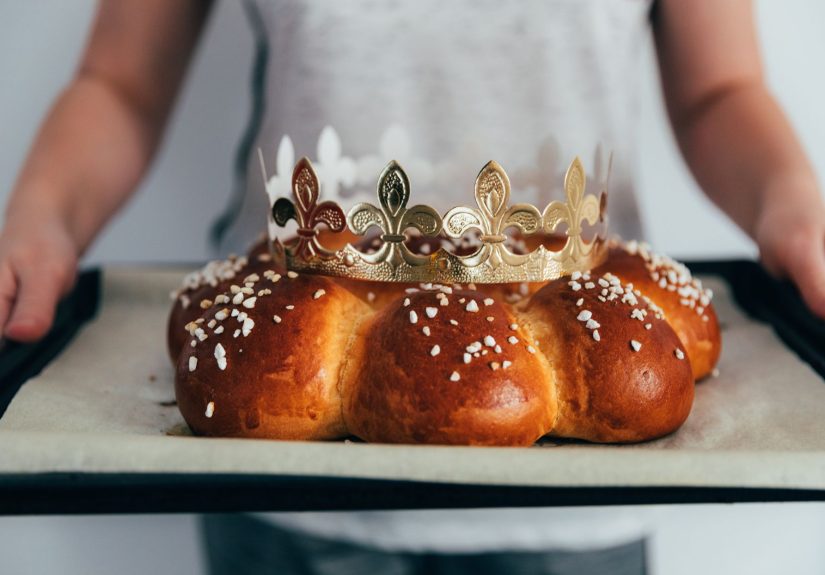
If there is one food that instantly says Three Kings Day, it is rosca de reyes. This ring-shaped sweet bread is usually decorated with candied fruit and sugar to resemble a jeweled crown. In many versions, a small baby figurine is hidden inside. Whoever finds it may be responsible for hosting or contributing to a later gathering on Candlemas, February 2. Nothing says “surprise blessing” quite like accidentally volunteering for the next party.
If rosca is not easy to find where you live, you can bake one at home, order from a local Latin bakery, or serve a king cake inspired by Epiphany traditions. The exact pastry can vary by region, but the spirit is the same: sweet bread, shared table, good company, and a tiny hidden twist that keeps everyone paying attention when the slices come out.
5. Keep the decorations up through January 6
One of the easiest ways to keep the Christmas fun going is also the least stressful: do absolutely nothing to your decorations until after Three Kings Day. Many families traditionally leave the tree, lights, and nativity scene in place until Epiphany. That means your home still feels festive when the holiday arrives, not like a sad January storage unit with one lonely candy cane under the couch.
This timing also makes emotional sense. Instead of treating Christmas like a one-day event followed by an immediate cleanup sprint, you get a full season with a clear ending. The season closes with intention, not a trash bag full of ribbon and regret.
6. Play music, sing, and make the day feel alive
Three Kings Day is not meant to feel stiff. In many cultures, music, singing, and lively gatherings are central to the celebration. If your family loves a little noise, lean in. Play aguinaldos, villancicos, or holiday music that still fits the season. Invite relatives over. Let kids wear paper crowns. March around the house like a tiny parade. January is cold enough already. Your living room does not need to be emotionally cold too.
If you want a low-effort but memorable activity, host a “follow the star” scavenger hunt with clues leading to a small gift or the dessert table. It is simple, thematic, and far more exciting than pretending everyone is thrilled about putting batteries in new gadgets.
7. Share a family meal that feels festive
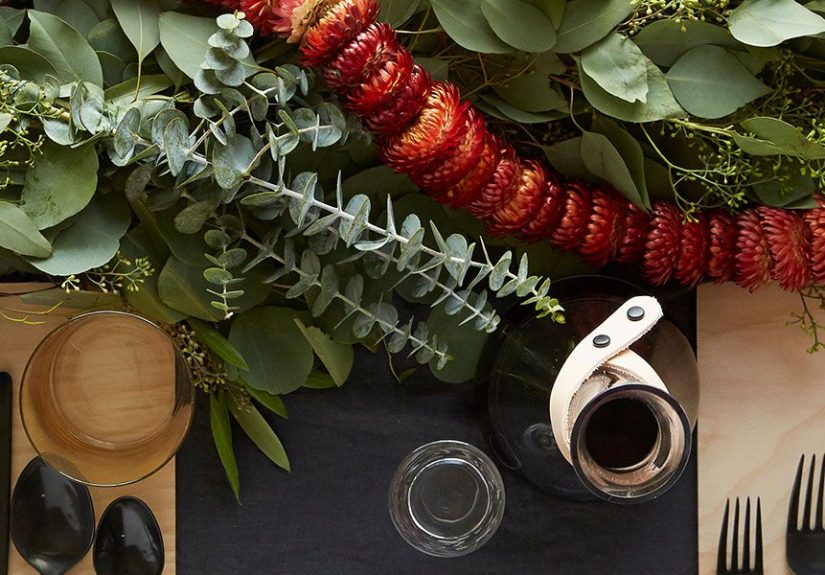
A Three Kings Day meal does not have to be elaborate, but it should feel like an occasion. Roast meat, tamales, arroz con gandules, hot chocolate, pastries, soup, or any favorite family dish can work beautifully. The best menu is the one that invites people to linger.
If you are hosting, keep it warm and communal. Use the good tablecloth. Light candles. Put the bread in the center. Ask older relatives about how they celebrated as children. Holidays stay alive because someone tells the story one more time.
8. Add an act of generosity
The Magi brought gifts, and that makes generosity a natural part of the day. Consider donating toys, giving to a food pantry, bringing pastries to neighbors, or assembling small gift bags for people in need. This keeps the holiday from becoming purely decorative and brings the meaning of gift-giving back into focus.
It also helps children understand that celebrations are not just about receiving. They are about recognizing joy, sharing it, and noticing who might need some of it too.
Easy Three Kings Day Ideas for Modern Families
If your household is busy, blended, interfaith, or simply allergic to complicated holiday logistics, you can still celebrate in a way that feels authentic. Try one or two of these practical ideas:
Create a Three Kings Day basket
Fill a basket with a small book, candy, fruit, a crown, and a note from the kings. This works well for children and keeps gift-giving simple.
Host a dessert-only gathering
Not every celebration needs a full dinner. Invite friends over for coffee, hot chocolate, and rosca de reyes. A ninety-minute dessert party can still feel festive.
End the holiday season with a blessing or reflection
Before taking down the decorations, gather everyone for a short prayer, a gratitude round, or a moment to reflect on the season. Ask what made each person feel loved. That kind of pause turns cleanup into closure.
Common Mistakes to Avoid
The biggest mistake is overcomplicating it. Three Kings Day is rich in meaning, but it is not meant to become a performance. You do not need a perfect pastry, an imported costume, or a history lecture with footnotes. You need warmth, intention, and a few traditions people can remember and repeat.
Another mistake is treating it like an awkward extra holiday tacked onto Christmas. It works better when you understand it as the completion of Christmas. That shift changes everything. Suddenly January 6 is not random. It is the final chapter.
How Three Kings Day Keeps the Christmas Spirit Alive
The best part of Three Kings Day is not just the food or the gifts. It is the pace. The holiday quietly pushes back against the idea that joy must be squeezed into one frantic morning and then cleared away. It reminds us that celebration can unfold slowly. Wonder can linger. Family traditions can stretch beyond a single date on the calendar.
That is why Three Kings Day feels so satisfying. It offers one more chance to gather around a table, one more reason to sing, one more excuse to keep the lights twinkling, and one more moment to tell children that the season is not over yet. In a culture that often rushes from event to event, that kind of lingering feels almost rebellious. And honestly, pretty great.
What Celebrating Three Kings Day Feels Like in Real Life
For many families, the experience of Three Kings Day is less about a perfect schedule and more about the mood it creates. The house is still dressed for Christmas, but it feels calmer now. The pressure of the big day has passed. The wrapping paper storms are over. What remains is something softer: lights still glowing in the corner, a nativity scene that has not been packed away, the smell of sweet bread warming in the kitchen, and the sense that the holiday season still has one more meaningful breath left in it.
The night before often carries the most excitement. Children carefully line up their shoes and fuss over where to leave the grass or water for the camels. Adults smile because the tradition is both tender and slightly hilarious. Camels, in suburban America? Sure. Why not. Holiday traditions are basically built on the idea that wonder deserves a little room to ignore logistics.
Morning arrives with a different kind of energy than Christmas Day. It is not usually loud or overwhelming. It is gentler. A few gifts, a few candies, maybe a handwritten note, maybe a small toy or book. The joy comes from the ritual itself. Kids feel included in a story that is older than anyone in the house, and adults get the rare pleasure of watching a tradition continue instead of having to invent meaning from scratch.
Then there is the table. Every family has its own version, but the shared feeling is familiar: coffee brewing, people drifting into the kitchen, someone cutting the rosca, someone warning everybody not to bite too fast because the baby is hidden in there. The laughter is immediate. The teasing starts before the first slice is finished. If someone finds the figurine, the room reacts like they just won a game show and inherited a catering obligation at the same time.
For families with roots in Puerto Rico, Mexico, Spain, or other communities where Epiphany traditions run deep, the day can feel deeply emotional. Music matters. Language matters. Certain dishes matter. The celebration becomes a bridge between generations, places, and memories. A grandparent explains how gifts were left under the bed. A parent remembers gathering grass in the cold. A child hears the story and stores it away, ready to repeat it someday.
Even for people who did not grow up with Three Kings Day, the experience can be surprisingly moving. The holiday invites you to slow down and resist that abrupt, slightly depressing post-Christmas crash. Instead of waking up on December 26 to a cultural message that the magic is over, you get to say, “Actually, we are still celebrating.” That shift changes the emotional rhythm of the season.
And maybe that is why Three Kings Day stays with people. It is festive without being frantic, meaningful without being heavy, and playful without losing its heart. It lets families end the Christmas season with music, memory, sweetness, and one last gathering around the table. That is not just a nice tradition. That is a very smart way to do January.
Conclusion
If you want to celebrate Three Kings Day and keep the Christmas fun going, focus on the traditions that make the day feel warm, generous, and memorable. Tell the story of the Magi. Leave out shoes and treats on January 5. Share rosca de reyes or king cake. Give a small gift. Gather for music and a family meal. Keep the tree up through January 6, then close the season with gratitude instead of a rushed goodbye.
That is the real charm of Three Kings Day. It gives the holiday season a graceful ending rather than a hard stop. And in a world that loves to rush past beautiful things, that is reason enough to celebrate.