Table of Contents >> Show >> Hide
- Why Baseboards Get So Dirty So Fast
- What You Need to Clean Baseboards Properly
- The Best Way to Clean Baseboards, Step by Step
- How to Clean Different Types of Baseboard Messes
- Common Mistakes That Make Baseboards Look Worse
- How Often Should You Clean Baseboards?
- Pro Tips to Keep Baseboards Looking Brand New Longer
- Final Thoughts
- Real-Life Experiences Cleaning Baseboards the Hard Way, the Easy Way, and the Slightly Ridiculous Way
Baseboards are the unsung heroes of a room. They sit quietly at floor level, get kicked, bumped, dusted with pet hair, splashed with mop water, and somehow still manage to hold the whole room together visually. Until they do not. Then suddenly your beautiful floors, fresh paint, and carefully styled furniture are all being upstaged by a dingy strip of trim that looks like it has been through a minor dust apocalypse.
The good news is that learning how to clean baseboards is not complicated. You do not need a cart full of expensive specialty products, a team of cleaning elves, or the knees of a professional athlete. What you do need is the right order, the right tools, and a little strategy. Once you know what works, you can get your baseboards looking brand new again without turning the job into an all-day drama.
This guide walks through the easiest and most effective way to clean baseboards, remove scuffs and grime, protect painted and stained trim, and keep dust from making a quick comeback. In other words, this is the baseboard glow-up your house has been quietly begging for.
Why Baseboards Get So Dirty So Fast
Baseboards live in one of the busiest zones in the house: ground level. That means they collect everything that falls, floats, or gets flung in their direction. Dust settles there. Pet hair camps there. Kitchen grease drifts there. Shoe scuffs show up there. And if you have children, chances are sticky fingerprints and mysterious streaks have joined the party too.
Because trim sits below eye level, it is easy to ignore until the buildup gets obvious. Then one day the sunlight hits just right, and suddenly your white baseboards look more “vintage oatmeal” than “crisp and clean.” That is why regular maintenance matters. Clean baseboards do not just look nicer. They make the whole room feel cleaner, brighter, and more polished.
What You Need to Clean Baseboards Properly
Before you start, gather a few simple supplies. The best baseboard cleaning routine is usually the least fancy one.
- Vacuum with a soft brush attachment, or a microfiber duster
- Microfiber cloths
- Warm water
- Mild dish soap
- Bucket or small bowl
- Dry towel for buffing and drying
- Cotton swabs or a soft paintbrush for corners and grooves
- Melamine sponge for stubborn scuffs, used gently
- Optional: dryer sheet for dust-repelling touch-ups
- Optional: wood-safe cleaner for stained or natural wood trim
If your home has a lot of dust or allergy triggers, a vacuum with a good filter is especially helpful. And if bending is the part you dread most, keep a kneeling pad, folded towel, or long-handled duster nearby. Your lower back deserves better than a heroic sacrifice in the hallway.
The Best Way to Clean Baseboards, Step by Step
Step 1: Move Light Furniture and Clear the Area
Start by pulling small items or lightweight furniture away from the wall. You do not need to redecorate the whole room, but you do need access. A baseboard cannot get clean if a side table is parked in front of it like a bodyguard.
Step 2: Dry Dust First
This is the step people skip, and then they wonder why they are just pushing gray sludge around with a wet rag. Always remove loose dust and hair before introducing moisture. Use a vacuum with a brush attachment, a microfiber cloth, a broom wrapped in a cloth, or a long duster. Work along the top edge, front face, and any decorative grooves.
If your trim has detailed molding, a soft paintbrush is surprisingly effective. It gets into tiny edges and corners without scratching the finish. For homes with pets, this dry pass is the difference between “cleaning” and “smearing fur into modern art.”
Step 3: Mix a Gentle Cleaning Solution
For most painted baseboards, a simple mix of warm water and a small amount of dish soap is enough. The keyword here is small. You want lightly soapy water, not a bubble bath for your trim. Too much product can leave residue, and residue attracts more dust. That is basically a rude sequel.
If you prefer a more natural option, a diluted vinegar solution can work on some finishes, especially where there is grime buildup. But use caution. Not every surface loves vinegar, and stained wood or delicate finishes may do better with a cleaner designed for wood.
Step 4: Wipe in Small Sections
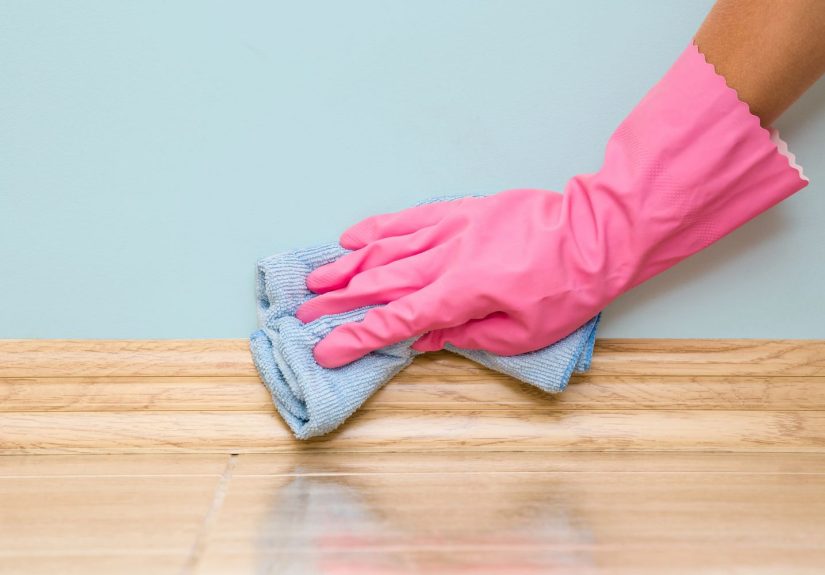
Dip a microfiber cloth into the cleaning solution, then wring it out very well. The cloth should be damp, not dripping. Wipe the baseboards in small sections, moving from one end of the room to the other. Use gentle pressure for everyday dirt and a little extra attention where fingerprints or grime have built up.
Cleaning in sections helps you control moisture and makes it easier to notice problem spots. It also keeps you from wandering around the room in a half-cleaned spiral of confusion.
Step 5: Tackle Corners, Grooves, and Tight Spots
For tight corners or detailed trim, use a cotton swab, soft toothbrush, or clean paintbrush dipped lightly in the same solution. These tools help lift dirt from crevices without flooding the area. If you have older baseboards with ornate edges, this small detail work can make a huge visual difference.
Step 6: Remove Scuffs the Smart Way
Black shoe marks, furniture rubs, and random scuffs are common, especially on white baseboards. A slightly damp melamine sponge can help remove them, but go gently and test a hidden spot first. It works by mild abrasion, so you do not want to rub so hard that you dull the paint or finish. Think “polite persistence,” not “aggressive revenge.”
For lighter marks, a microfiber cloth with soapy water may be enough. Sometimes the simplest fix wins.
Step 7: Dry the Baseboards
Once a section is clean, go over it with a dry microfiber cloth or soft towel. This step matters more than many people realize. Drying helps prevent streaks, reduces the chance of moisture damage, and keeps dust from sticking to damp residue. It is also what makes the finish look crisp instead of cloudy.
Step 8: Finish With a Dust-Repelling Touch
Some people like to run a dryer sheet lightly over clean baseboards. This can help reduce static and slow down dust buildup for a while. It is not mandatory, and not everyone loves the fragrance, but it can be a handy finishing move if you want your clean baseboards to stay nice a little longer.
How to Clean Different Types of Baseboard Messes
Dust and Pet Hair
For ordinary dust, a vacuum brush attachment or dry microfiber cloth is usually enough. Follow with a lightly damp cloth only if needed. In pet-heavy homes, doing this during routine floor cleaning can keep buildup from turning into a furry border around every room.
Greasy Kitchen Baseboards
Baseboards in kitchens tend to collect a weird mix of dust and cooking residue. This grime feels sticky, which means dry dusting alone will not cut it. Use a slightly stronger dish soap solution and wipe carefully. You may need a second pass with clean water on the cloth to remove residue, followed by a dry towel.
Scuffs and Shoe Marks
Use a melamine sponge sparingly or spot-clean with a microfiber cloth and mild soap. Always test first if the finish is delicate or glossy.
Painted Baseboards
Painted trim is usually the easiest to clean. Stick with mild soap, minimal moisture, and soft cloths. Avoid harsh scrubbers and strong chemicals that can strip sheen or damage paint.
Stained or Natural Wood Baseboards
Wood trim needs a gentler approach. Start with dry dusting, then wipe with a barely damp cloth. If deeper cleaning is necessary, use a cleaner appropriate for finished wood. Avoid saturating the trim, and dry it immediately. Wood is not a fan of long, dramatic water exposure.
Baseboards Next to Carpet
Use the vacuum attachment along the seam where carpet meets trim before wiping. That edge traps dust like it is collecting souvenirs. Keeping moisture minimal is especially important here so you do not dampen the carpet.
Common Mistakes That Make Baseboards Look Worse
- Skipping the dusting step: Wet cleaning loose dust creates muddy streaks.
- Using too much water: Over-wetting can damage wood, soften caulk, and leave drips on floors.
- Using harsh chemicals: Strong products can dull finishes or strip paint.
- Leaving soap residue behind: Too much cleaner can attract fresh dust faster.
- Forgetting to dry: A quick buff with a dry cloth makes a big difference.
- Scrubbing too hard with abrasive tools: That may remove scuffs, but it can also remove your finish.
How Often Should You Clean Baseboards?
If you want baseboards that stay bright without needing a huge deep-clean every time, do a light dusting once or twice a month. In homes with pets, children, allergies, or lots of foot traffic, a quick wipe-down every couple of weeks is smart. A more thorough clean can be done seasonally or whenever you are tackling a deeper room refresh.
The easiest way to stay ahead of the mess is to add baseboards to your regular floor-cleaning routine. When you vacuum or mop, give the trim a quick pass too. That habit keeps buildup manageable and prevents the dreaded “Why are my walls wearing ankle socks of dust?” moment.
Pro Tips to Keep Baseboards Looking Brand New Longer
- Clean top to bottom in the room so dust does not resettle onto freshly cleaned trim.
- Use microfiber instead of rough cloths to avoid scratches.
- Keep doormats at entrances to reduce dirt traveling through the house.
- Vacuum edges and corners regularly, especially near vents and doorways.
- Spot-clean scuffs as soon as you notice them.
- Use less cleaner than you think you need. Gentle and controlled beats soaked and sloppy.
- For detailed trim, keep a small paintbrush in your cleaning kit. It earns its keep.
Final Thoughts
If your baseboards currently look tired, dusty, or oddly beige even though they are supposed to be white, do not worry. They are not beyond help. In most homes, the best way to clean baseboards is wonderfully simple: remove loose dust, wipe with a mild cleaner, address the scuffs, dry everything well, and repeat often enough that the mess never gets dramatic.
It is one of those chores that seems small but changes the whole feel of a room. Clean baseboards make floors look sharper, walls look fresher, and the entire house feel more cared for. So yes, it may involve crouching, wiping, and muttering at corners. But the payoff is real. And once you see the before-and-after difference, you may become one of those people who casually notices other people’s trim. Welcome. It is a strange club, but the baseboards are immaculate.
Real-Life Experiences Cleaning Baseboards the Hard Way, the Easy Way, and the Slightly Ridiculous Way
The first time I cleaned baseboards properly, I made the classic mistake of charging in with a wet rag and blind optimism. Within about three minutes, I had transformed a layer of dust into gray streaks that looked less like cleaning progress and more like I had let a raccoon decorate the hallway. That was the day I learned the golden rule: dry dust first. It sounds obvious now, but baseboards are sneaky. They look like they need soap, when what they really need first is a vacuum and an intervention.
In one apartment, I had bright white baseboards, dark hardwood floors, and a dog who seemed to shed enough fur each week to build a second dog. No matter how often I swept, the trim still looked dusty. What finally worked was adding one tiny habit to my routine: whenever I vacuumed the floors, I ran the brush attachment along the baseboards too. It took maybe five extra minutes, but it stopped the buildup before it became a weekend project. That was the moment I realized baseboard cleaning is a lot like dealing with email. A little maintenance beats an overwhelming pile every single time.
I have also learned that kitchens produce a special kind of grime that deserves its own category. Dust in a bedroom is one thing. Dust mixed with cooking residue near a kitchen baseboard is another creature entirely. It is sticky, stubborn, and strangely committed to the wall. In one house, I wiped a kitchen baseboard with plain water and the dirt barely laughed. A tiny bit of dish soap in warm water, though, cut through it beautifully. Not glamorous, but wildly satisfying.
Then there was the guest-arrival panic clean. You know the one. People are coming over, you suddenly notice every neglected corner of your home, and now you are crouched by the dining room wall wondering how long those scuff marks have been there. In that moment, a damp microfiber cloth and a gentle melamine sponge were lifesavers. The marks came off, the trim brightened up, and I felt approximately 82 percent more in control of my life.
My favorite discovery, though, has to be the paintbrush trick. Older homes with decorative trim can be beautiful, but those grooves collect dust like they are storing it for winter. Using a soft paintbrush to flick dust out of corners felt oddly professional, like I had finally unlocked some secret cleaning level reserved for people who label their storage bins. It worked far better than trying to jab a cloth into every tiny crevice.
If there is one experience that changed how I think about baseboards, it is this: once they are clean, the entire room looks more expensive. Not because you bought anything new, but because clean trim creates that crisp edge that makes everything else look intentional. Floors seem shinier. Walls seem brighter. The room feels finished. So while baseboards may not be the most glamorous cleaning task, they are absolutely one of the most rewarding. Also, nothing beats the deeply smug satisfaction of wiping a cloth across a formerly grimy section and seeing it come away clean. It is domestic victory in its purest form.