Table of Contents >> Show >> Hide
- First, a quick truth (that your brain may argue with)
- The 24 key things to do (practical, doable, and not cheesy)
- 1) Name what’s happeningout loud if you can
- 2) Don’t stay alone with the thoughts
- 3) Use 988 (call, text, or chat)
- 4) If you’re in immediate danger, use emergency help
- 5) Move to a safer space
- 6) Ask someone to help make the environment safer
- 7) Commit to a “tiny time” promise
- 8) Do a 60-second body reset
- 9) Eat or drink something simple
- 10) Reduce stimulation: dim, quiet, slow
- 11) Write the thoughts downthen challenge them like a lawyer
- 12) Identify your personal warning signs
- 13) Make a simple safety plan (one page is enough)
- 14) Create a “distraction menu” (because your brain will forget options)
- 15) Go where people are (even if you don’t talk much)
- 16) Talk to your future self (seriouslyit works better than you’d think)
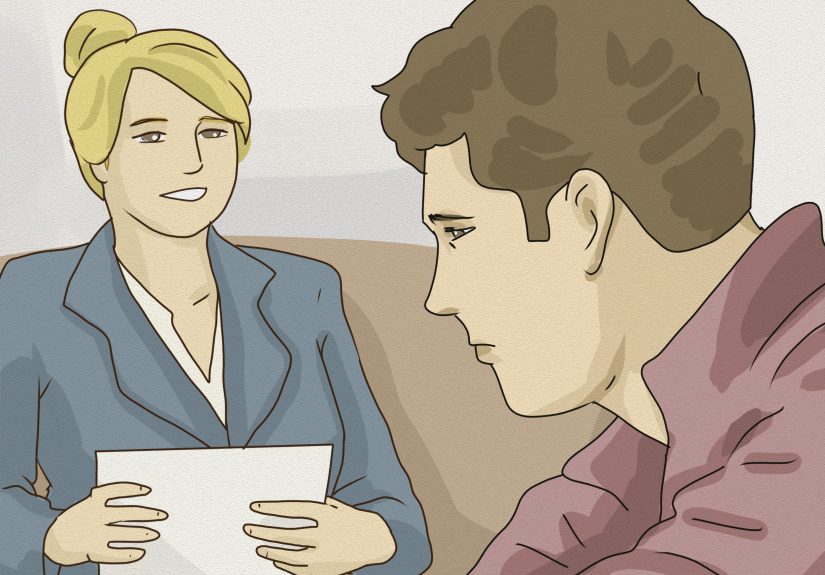
- 17) Tell one trusted adult the full truth
- 18) Ask for a professional evaluation
- 19) Consider therapy that teaches skills (not just talking)
- 20) Recruit your “support team” (3 people, specific roles)
- 21) Fix the basics that fuel intensity: sleep, food, movement
- 22) Avoid alcohol and drugs when you’re feeling unsafe
- 23) Reduce shame with one sentence: “This is commonand treatable.”
- 24) Follow up after the wave passes
- Specific examples of what this can look like in real life
- What not to do (because it makes things worse)
- of experiences people often describe (and what tends to help)
- Conclusion
Important note: If you feel like you might hurt yourself or you’re not sure you can stay safe, get help right now. In the U.S., you can call or text 988 (Suicide & Crisis Lifeline). If you’re in immediate danger, call 911 or go to the nearest emergency room. If you’re a teen, tell a trusted adult (parent/guardian, relative, coach, teacher, school counselor) and don’t carry this alone.
Suicidal thoughts can feel loud, convincing, and weirdly “logical” when you’re exhausted. But thoughts aren’t facts. They’re signalsoften a sign you’re overloaded, stressed, depressed, anxious, grieving, bullied, burned out, or stuck in a situation that needs support and change. This guide is built to help you get through the next minutes and hours, and then build a plan that makes the next days easier.
First, a quick truth (that your brain may argue with)
When your mind is in crisis mode, it tends to do three unhelpful things:
- Zoom lens thinking: it zooms in on pain and zooms out on options.
- Fortune-telling: it insists you know how the future ends (spoiler: you don’t).
- All-or-nothing math: it treats one bad chapter as proof the whole book is ruined.
The goal right now is not to “solve your entire life.” The goal is to lower the intensity and increase safety until the wave passesand then put supports in place so the next wave is smaller and shorter.
The 24 key things to do (practical, doable, and not cheesy)
Think of these as tools in a toolbox. You don’t need all 24. Start with the first few that you can do today.
1) Name what’s happeningout loud if you can
Try: “I’m having suicidal thoughts right now.” That sentence is powerful because it separates you from the thoughts. You’re not “broken.” You’re having a crisis moment, and crisis moments are treatable.
2) Don’t stay alone with the thoughts
Pick one person: a parent/guardian, a friend’s parent, an older sibling, a coach, a teacher, a neighborany trusted adult counts. If you can’t talk face-to-face, text: “I’m not okay and I need help.” Short is fine.
3) Use 988 (call, text, or chat)
If talking to someone you know feels impossible, use professional crisis support. In the U.S., 988 connects you with trained counselors who can help you ride out the moment and figure out next steps.
4) If you’re in immediate danger, use emergency help
If you feel like you might act on the thoughts, call 911, go to an ER, or ask someone to take you to urgent help. This is what emergency help is forkeeping you alive through the worst minutes.
5) Move to a safer space
Change your environment to reduce risk and increase calm: sit near family, go to a living room, step into a public/common area, or ask to stay with someone. If you’re at school, go directly to a counselor or administrator.
6) Ask someone to help make the environment safer
You don’t have to do this alone. Ask a trusted adult to help remove or secure anything that could make an impulsive moment more dangerous. This isn’t about shameit’s about buying time.
7) Commit to a “tiny time” promise
Make a short, specific deal with yourself: “I will not hurt myself for the next 30 minutes.” Then renew it. You’re not signing a lifelong contract; you’re getting through a wave.
8) Do a 60-second body reset
Crisis is physical. Try one:
- Cold water on face or hold something cool and focus on the sensation.
- Box breathing: inhale 4, hold 4, exhale 4, hold 4 (repeat 4 times).
- Grounding: name 5 things you see, 4 you feel, 3 you hear, 2 you smell, 1 you taste.
9) Eat or drink something simple
Low blood sugar and dehydration can crank distress higher. Aim for water plus something easy (toast, crackers, fruit, soup). Not a wellness lecturejust crisis physics.
10) Reduce stimulation: dim, quiet, slow
Lower brightness, step away from intense content, reduce noise, and put your phone on “Do Not Disturb” except for support contacts. Your nervous system needs less input, not more.
11) Write the thoughts downthen challenge them like a lawyer
On paper, write the strongest thought (example: “Nothing will ever get better”). Under it, write two columns:
- Evidence for: what facts truly support it?
- Evidence against: what facts don’t fit it (even small ones)?
This is not “positive thinking.” It’s accuracy training.
12) Identify your personal warning signs
Common signs include sleep changes, isolating, feeling like a burden, agitation, hopelessness, or “numb and done.” When you learn your early signals, you can respond soonerwhen it’s easier.
13) Make a simple safety plan (one page is enough)
A safety plan is a short set of steps you can follow when your thoughts spike. Many evidence-based templates use the same building blocks: warning signs, internal coping skills, people/places for distraction, people to ask for help, professionals/crisis lines, and ways to make your space safer.
14) Create a “distraction menu” (because your brain will forget options)
In crisis, your mind goes blank. Prepare a list of 10 quick distractions:
- shower, short walk, pet an animal, a comfort show, organizing one drawer, a simple game
- music playlist called “Do Not Spiral,” coloring, cooking something basic, stretching
15) Go where people are (even if you don’t talk much)
Loneliness amplifies pain. Sit near someone, go to a coffee shop with a trusted adult, hang out in the living room, attend practice, go to a libraryquiet company still counts.
16) Talk to your future self (seriouslyit works better than you’d think)
Write a note titled: “Read this when I’m not okay.” Include:
- What usually helps (3 items)
- Who to contact (names)
- Reasons to stay (even tiny ones: your dog, a sibling, a goal, a song)
- A reminder: “This feeling passes. Get help, don’t go silent.”
17) Tell one trusted adult the full truth
If you only do one thing from this list, let it be this: tell a safe adult exactly what’s going on. You deserve support that matches the seriousness of what you’re carrying.
18) Ask for a professional evaluation
Suicidal thoughts often show up with treatable issues like depression, anxiety, trauma, substance use, or chronic stress. A therapist, pediatrician, family doctor, or psychiatrist can help you build a plan that fits youskills, support, and sometimes medication if appropriate.
19) Consider therapy that teaches skills (not just talking)
Many people benefit from structured approaches that build coping skills and emotional regulation (for example, therapies that focus on thoughts/behaviors, distress tolerance, and problem-solving). If one therapist isn’t a fit, that’s not failureit’s matchmaking.
20) Recruit your “support team” (3 people, specific roles)
Pick:
- One adult you can contact anytime
- One peer/friend who can distract and stay connected
- One professional (counselor/therapist/doctor) or a plan to get one
Put their names in your phone favorites. Make help easy to reach when you’re not thinking clearly.
21) Fix the basics that fuel intensity: sleep, food, movement
Sleep loss, skipped meals, and zero movement can crank emotional pain up fast. Aim for small improvements: consistent bedtime, breakfast, and a 10-minute walk. Not as a cure as a volume knob.
22) Avoid alcohol and drugs when you’re feeling unsafe
Substances can lower inhibition and increase impulsivity. If substances are already part of your life, that’s not a reason for shameit’s a reason to bring it up with a trusted adult or clinician so you can get the right support.
23) Reduce shame with one sentence: “This is commonand treatable.”
Many people experience suicidal thoughts at some point, especially during intense stress or mental health struggles. The presence of the thought does not mean you want it, and it does not mean it will last. Getting support is a strength move.
24) Follow up after the wave passes
The most important time to build protection is after a rough momentwhen you can think more clearly. Schedule a counseling visit, talk to a doctor, update your safety plan, and set up daily check-ins for a week. You’re building a bridge for the next storm.
Specific examples of what this can look like in real life
Example A (school stress + isolation): A student notices their warning sign is skipping lunch and sitting alone. Their safety plan says: text an adult, go to the counselor’s office, then sit in the library until a friend is available. At home, they do 10 minutes of movement and eat something simple. A parent schedules a doctor appointment for mood screening and therapy referral.
Example B (family conflict + feeling trapped): A teen uses “tiny time” promises (30 minutes), goes to a relative’s house, and tells a trusted adult the truth. The adult helps create a safer environment and sets up therapy. The teen adds two coping tools that actually work for them: music + shower, and walking while voice-noting feelings.
Example C (LGBTQ+ stress + fear of judgment): A teen reaches out to a confidential youth crisis service for LGBTQ+ support, then chooses one accepting adult to talk to at school. They build a support team and write a “Read this when I’m not okay” note that focuses on identity-affirming reminders and safe contacts.
What not to do (because it makes things worse)
- Don’t argue with yourself for hours. Use skills and people first; logic returns later.
- Don’t isolate. Privacy can become a trap in crisis mode.
- Don’t treat suicidal thoughts like a secret test of toughness. Get support.
- Don’t binge triggering content. Choose calming, neutral media instead.
of experiences people often describe (and what tends to help)
People who’ve lived through suicidal thoughts often describe something surprisingly consistent: the thoughts don’t always show up as dramatic or “movie-style.” Sometimes they arrive as quiet, repetitive mental spam“I can’t do this,” “I’m a burden,” “Nothing changes”especially late at night or after conflict, embarrassment, rejection, or a pile-up of stress. A lot of teens say the hardest part isn’t only the sadness; it’s the certainty their brain tries to sell them in the moment. Everything feels permanent. Every mistake feels like a life sentence. And your mind can feel like it’s speaking in facts when it’s actually speaking in pain.
One common experience is the “tunnel” effect. Someone might notice they stop texting friends back, stop eating regularly, or start sleeping at odd hoursand then, suddenly, the world shrinks to one idea: escape. Later, when they’re safer, they often say, “I can’t believe I thought there were no options.” That shift is important because it shows the thoughts are not a stable identity; they’re a state. And states can change.
Another experience people mention is feeling guilty for even having the thoughts. They worry they’re being dramatic, attention-seeking, or “ungrateful.” But in recovery stories, guilt is usually the first thing to get challenged. Many people say the moment they finally told a trusted adult or counselor, the pressure dropped by halfnot because everything was magically fixed, but because they weren’t carrying it alone anymore. They also learned that adults can respond better than you expect when you give them something specific to do: “Can you sit with me?” “Can you help me call 988?” “Can you help me make a safety plan?” Direct requests cut through awkwardness and get you real help.
People also talk about learning their triggers and warning signs like a personal weather forecast. For some, it’s arguments at home. For others, it’s bullying, academic pressure, loneliness, identity stress, grief, or feeling like they have to be perfect. When they start tracking patterns, they can intervene earlier: eating lunch even when they don’t feel like it, going to practice even if they stay quiet, or letting a counselor know, “I’m not okay this week.” That’s not weaknessit’s skill.
In many “what helped” stories, the winning moves are not glamorous. They’re basic and repeatable: a supportive adult, therapy that teaches coping tools, consistent sleep, small routines, fewer late-night spirals, and a written safety plan that tells you exactly what to do when your brain goes into emergency mode. Some people also describe medication as a helpful stabilizer when a clinician recommends itless like changing who they are and more like turning down the volume so skills can work. And almost everyone mentions one surprising truth: once they got through the worst season, they were grateful they didn’t make a permanent decision during a temporary storm.
Conclusion
If you’re dealing with suicidal thoughts, you deserve real supportnot just “try to be positive.” Start with safety: reach out, use 988, and involve a trusted adult. Then build a plan: warning signs, coping tools, people, and professional care. You don’t have to feel like this forever, and you don’t have to fix it alone. Your job is to stay here long enough for help to workbecause it can.