Table of Contents >> Show >> Hide
- Why Walkways Turn Muddy in the First Place
- Step One: Decide Whether You Need a Quick Fix or a Long-Term Fix
- Best Materials to Cover a Muddy Walkway
- The Best Way to Build a Gravel Walkway Over Mud
- When Drainage Needs More Than Just Surface Material
- Common Mistakes That Make a Muddy Walkway Worse
- Which Muddy Walkway Solution Is Best for You?
- Maintenance Tips for Keeping the Walkway Dry and Usable
- Real-World Experiences With Muddy Walkways
- Conclusion
- SEO Tags
A muddy walkway has a special talent: it can make even a lovely yard feel like a swamp-themed obstacle course. One minute you are carrying groceries, walking the dog, or heading to the garden like a responsible adult. The next minute you are sliding around like you just entered a low-budget ice-skating competition, except the surface is brown and significantly less charming.
The good news is that learning how to cover a muddy walkway is not just about dumping random material on top and hoping for the best. In fact, that is usually how people create a muddier, uglier, more expensive version of the original problem. The real fix starts with understanding why the walkway is muddy in the first place, then choosing the right surface for your traffic level, budget, climate, and patience for maintenance.
In this guide, you will learn the best ways to cover a muddy walkway, when to use wood chips, gravel, stepping stones, or pavers, how to improve drainage, and which mistakes can turn your path right back into soup. Whether you need a quick weekend fix or a more permanent backyard walkway solution, this article will help you build a path that looks good and keeps your shoes out of trouble.
Why Walkways Turn Muddy in the First Place
Before you choose a surface, it helps to understand the villain of the story. A muddy walkway usually happens because of one or more of these issues: poor drainage, compacted soil, low spots, clay-heavy soil, runoff from roofs or slopes, or heavy foot traffic in the same narrow strip.
Compacted soil is a major troublemaker. When soil is packed down, water cannot soak in easily, so it pools on the surface instead. Add repeated foot traffic, a little rainfall, and a low area in the yard, and suddenly your walkway behaves like a shallow mud pie.
So if you are wondering how to cover a muddy walkway the smart way, remember this rule: covering the surface without dealing with water movement is often a temporary fix. A better walkway usually combines a good top layer with at least a basic drainage strategy.
Step One: Decide Whether You Need a Quick Fix or a Long-Term Fix
Not every muddy path needs a major construction project. Some walkways are only muddy during a short rainy season. Others stay wet for months and need a more durable structure. Start by asking yourself three questions.
How much traffic does the path get?
A narrow garden path used a few times a week can get by with wood chips or stepping stones. A front-yard path used every day by family, guests, deliveries, and a dog with zero respect for clean surfaces usually needs gravel, pavers, or stone.
How wet is the area?
If the path is only slightly soft after rain, surface material may be enough. If water stands there, flows through there, or seems to reappear like a bad sequel, you probably need grading, a swale, a drain, or a raised path.
How much maintenance can you tolerate?
Some surfaces are cheap but need refreshing. Others cost more up front but stay stable for years. Be honest with yourself. If you do not want to top up mulch or rake gravel every season, choose a more permanent walkway material.
Best Materials to Cover a Muddy Walkway
1. Wood Chips or Bark Mulch
Wood chips are one of the easiest and most affordable ways to cover a muddy walkway, especially in garden areas, backyard paths, and informal side-yard routes. They are soft underfoot, attractive in a natural way, and usually fast to install.
This option works best for light to moderate foot traffic. Spread a generous layer over the path after clearing weeds and leveling obvious ruts. If the area stays wet, putting down a permeable landscape fabric or geotextile underlayment first can help separate the surface from the mud below.
Best for: garden paths, informal walkways, low-cost DIY fixes.
Pros: inexpensive, natural look, easy to install, good for soft landscapes.
Cons: decomposes over time, can float away in heavy runoff, needs replenishing.
2. Crushed Stone or Crusher Fines
If you want a muddy walkway fix that feels more solid, crushed stone is often the sweet spot between budget and durability. Angular stone locks together better than round gravel, which means it shifts less underfoot. Crusher fines, decomposed granite in some regions, and compactable path mixes can create a firm, neat-looking surface when installed over a proper base.
This is where many people make the classic mistake of the century: they dump gravel directly on wet soil. It looks better for roughly one week, then slowly sinks, mixes with dirt, and becomes a crunchy bog. A better build uses excavation, geotextile fabric, a compacted base layer, and then a top layer of finish material.
Best for: everyday backyard walkways, side yards, utility paths.
Pros: good drainage, durable, affordable, neat appearance.
Cons: can migrate without edging, needs base prep, loose stone can track.
3. Pea Gravel
Pea gravel has a friendly, polished look and drains well, but it is not always the best choice for a muddy walkway that gets a lot of traffic. Because the stones are rounded, they move around more than angular gravel. Walking on it can feel like stepping on a bowl of marbles that are trying to unionize.
That said, pea gravel works well in decorative garden paths and lower-traffic areas, especially when the path has sturdy edging to keep the stones contained.
Best for: decorative paths, cottage gardens, lower-traffic routes.
Pros: attractive, good drainage, simple DIY install.
Cons: less stable than crushed stone, can scatter, not ideal on slopes.
4. Stepping Stones
If you need to cross a wet area rather than completely rebuild it, stepping stones can be a smart solution. They elevate your feet above the mess, reduce wear on surrounding grass, and add charm. They are especially useful for garden routes, narrow side paths, or any area where a full hardscape feels excessive.
For a cleaner result, set the stones on a prepared base instead of dropping them directly into mud. You can place them over compacted gravel, with gravel or mulch between the stones, to improve drainage and reduce wobbling.
Best for: intermittent paths, decorative areas, small muddy sections.
Pros: fast visual upgrade, less material required, easy to customize.
Cons: not ideal for carts or wheelbarrows, can shift if installed poorly.
5. Pavers, Flagstone, or Brick
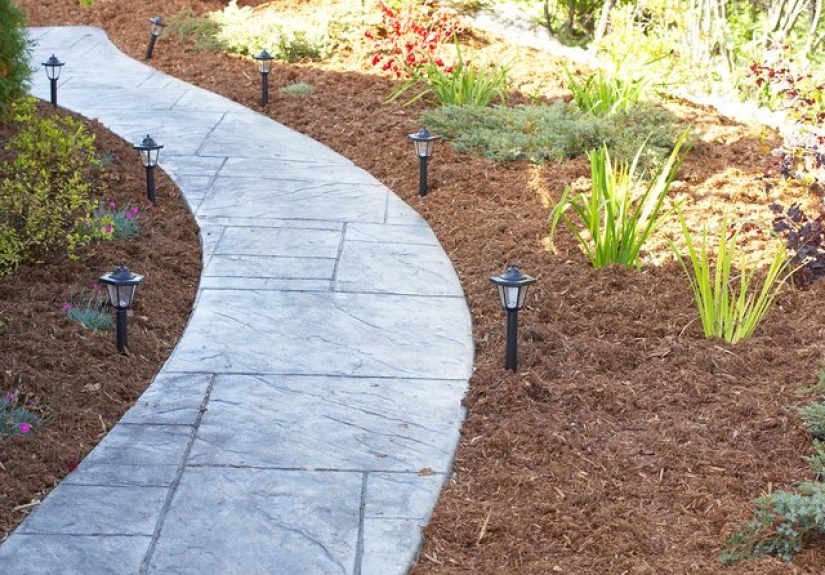
For the most permanent and polished fix, a paved walkway is hard to beat. Pavers, flagstone, and brick can turn a muddy path into a true landscape feature. This is the best option for front entries, heavily used paths, or anywhere you want durability and a finished appearance.
The catch is that pavers are only as good as the base underneath them. A proper paver walkway typically needs excavation, a compacted gravel base, a bedding layer, and edge restraint. Skip the base, and the path will shift, sink, or collect puddles in ways that inspire very creative regret.
Best for: front walkways, high-traffic routes, long-term value.
Pros: durable, clean look, stable surface, increases curb appeal.
Cons: higher cost, more labor, more careful installation required.
The Best Way to Build a Gravel Walkway Over Mud
If you want a practical, mid-cost, durable solution, a gravel walkway with proper layers is often the best answer. Here is the general process.
Mark and excavate the path
Outline the walkway clearly. Then dig out the path so you can add structural material instead of piling it higher and hoping gravity becomes supportive. Many successful DIY paths include several inches of excavated depth to make room for the base and surface layers.
Improve the grade
If possible, shape the path so water moves away from the house and does not sit in the center. A slight slope or crowned surface helps water leave the walkway instead of renting an apartment there.
Lay geotextile fabric
A permeable geotextile or heavy-duty landscape fabric separates stone from soil. This is important because it helps prevent the gravel from mixing into the mud below. It also improves stability and slows weed growth.
Add a compacted base
Use compactable crushed stone or gravel base. This layer does the heavy lifting. It supports the walkway and helps distribute weight. Compact it well in lifts rather than dumping the full depth all at once.
Add the top layer
Finish with your chosen surface material, such as crusher fines, compactable gravel, or pea gravel if appearance matters more than firm footing. Rake it level and tamp it as needed.
Install edging
Metal, stone, brick, or composite edging helps keep the path material where it belongs. Without edging, even a well-built walkway starts to spread out and lose definition over time.
When Drainage Needs More Than Just Surface Material
Sometimes the muddy walkway is really a drainage problem wearing a disguise. If water flows onto the path from a roof, driveway, or slope, the solution may need more than gravel or mulch.
Redirect downspouts
If a roof drains near the walkway, extending a downspout can make a huge difference. There is no point building a beautiful path if your gutter is going to dump half a thunderstorm onto it.
Add a swale
A shallow swale can guide runoff away from the walkway and toward a better drainage area. This can be a simple landscape feature, not a giant trench that makes your yard look like a failed canal project.
Use a French drain or gravel trench
In persistently wet areas, a French drain may help move water away from the path. This is more involved, but it can be worth it when the ground stays saturated for long periods.
Consider a rain garden nearby
If runoff repeatedly gathers in one section of the yard, a rain garden in the right location may reduce standing water and improve the overall drainage pattern.
Common Mistakes That Make a Muddy Walkway Worse
Dumping gravel directly on mud
This is the most common mistake. Gravel alone is not magic. Without separation and base prep, it sinks into wet soil and disappears into the muck.
Using plastic under the path
Plastic blocks water instead of letting it move through. That usually creates trapped moisture, instability, and a very strange smell if organic debris builds up. Use permeable fabric instead.
Ignoring the source of water
If a walkway sits in a low spot or catches runoff, covering it without changing drainage is often a short-term fix.
Choosing the wrong material for the slope
Loose round stones on a slope tend to move downhill, often with the enthusiasm of tiny escape artists. On slopes, a more stable surface or stepping system is usually smarter.
Skipping edging
Even good path material drifts. Edging keeps everything tidy, stable, and easier to maintain.
Which Muddy Walkway Solution Is Best for You?
If you want the fastest cheap fix, choose wood chips or bark mulch. If you want the best budget-friendly long-term fix, choose a properly built crushed stone path. If you want a decorative route through the garden, stepping stones with gravel or mulch between them work beautifully. If you want the cleanest, most permanent finish, choose pavers, brick, or flagstone with a proper base.
In other words, the best way to cover a muddy walkway depends on what you want the walkway to do. A utility path behind a shed does not need the same treatment as the front walk leading to your door. Let function choose the material, and let drainage guide the design.
Maintenance Tips for Keeping the Walkway Dry and Usable
Even the best walkway needs occasional maintenance. Rake gravel back into place. Refresh mulch when it thins out. Check edges after storms. Remove leaves that trap moisture. Watch for new low spots or puddles. And if the area starts getting muddy again, do not just throw more material on top forever like you are feeding a very ungrateful pet.
A quick seasonal inspection is usually enough to catch problems early. The sooner you deal with shifting stone, clogged drains, or worn areas, the cheaper the fix will be.
Real-World Experiences With Muddy Walkways
One of the most common experiences people have with a muddy walkway is realizing that the problem is older than it looks. At first, it seems like the path only got messy because of recent rain. But once you start paying attention, you notice the clues were there all along: the grass never really grew in that strip, shoes always picked up dirt there first, and the ground stayed soft long after the rest of the yard dried out. The mud was not a sudden event. It was a slow-motion warning sign.
Another familiar experience is the “quick fix” that lasts exactly long enough to inspire false confidence. Someone spreads a bag or two of decorative gravel over the mud, admires the improvement, and declares victory. Then the next rain comes through, the gravel disappears into the soil, and the path becomes an awkward blend of rock, sludge, and disappointment. This happens so often because people naturally focus on the surface they can see, not the soil structure and water movement they cannot.
Homeowners who finally solve the problem usually describe the same turning point: they stop asking, “What can I throw on top of this?” and start asking, “Why is water staying here?” That shift in thinking changes everything. Suddenly the downspout aimed at the path looks suspicious. The low spot near the gate makes sense. The compacted side yard where everyone walks every day no longer seems mysterious. Once the cause becomes clear, the fix becomes much more effective.
Many people also discover that the best walkway material is not always the fanciest one. A simple wood-chip path can be perfect in a shady garden. A compacted crushed-stone path can outperform prettier but looser gravel in a high-traffic side yard. Stepping stones can solve a narrow wet section more elegantly than a full hardscape. The winning solution is usually the one that matches the site, not the one that looks best in a photo taken during a drought.
There is also a budget lesson that comes up again and again. Spending a little more on preparation often saves a lot later. A homeowner may hesitate to buy geotextile fabric, edging, or base material because those parts are not glamorous. Nobody invites friends over to admire their exciting sub-base layer. But those hidden components are usually what separate a stable path from an annual repair project. The visible finish gets the compliments. The invisible structure earns them.
Weather adds another layer of experience. In wet climates, people learn quickly that some paths need to be raised, not just resurfaced. In clay-heavy regions, they find out that drainage and separation matter even more. In snowy areas, they may notice that freeze-thaw cycles magnify every weak spot. A path that seems “mostly okay” in summer can become a muddy, rutted mess in late winter or early spring. That is why it helps to think seasonally when planning improvements.
There is also the emotional side, which is real even if it sounds dramatic. A muddy walkway is a small problem that creates repeated daily annoyance. It dirties floors, stains shoes, complicates yard work, and makes the outdoor space feel less finished. Fixing it often brings an outsize amount of satisfaction because the improvement is felt every single day. You stop dreading the route to the trash bins. Guests stop doing the awkward hop-skip at the gate. The yard feels more usable, more intentional, and frankly, less like it is plotting against you.
In the end, the experience most people remember is how simple the right fix feels once it is done. The path no longer steals attention. It just works. And that is really the goal. The best muddy walkway solution is not the one that looks heroic for a weekend. It is the one that quietly keeps doing its job after rain, after traffic, and after life gets busy enough that you do not want to think about it anymore.
Conclusion
If you want to know how to cover a muddy walkway successfully, the answer is simple but important: choose the right surface and respect the water. Wood chips work for quick, natural paths. Crushed stone is one of the best all-around solutions. Stepping stones are perfect for selective crossings. Pavers and flagstone are ideal for permanent, polished results. But no material performs well for long if the path sits in a soggy low spot with nowhere for water to go.
Start with drainage, build the surface for the amount of traffic you actually have, and do not skip the boring structural steps. They are the reason the walkway stays clean, stable, and useful. Once you fix the mud, your path will stop being a problem and start being part of the landscape you actually enjoy.