Table of Contents >> Show >> Hide
- First: Don’t Assume “He Doesn’t Want Me” Means “He’s Not Attracted to Me”
- Step 1: Separate the Issue Into Two Questions
- Step 2: Have “The Talk” Without Turning It Into a Trial
- Step 3: Rule Out the Big Medical and Mental Health Drivers
- Step 4: Repair the Relationship Layer (Because Libido Lives There Too)
- Step 5: Rebuild Physical Intimacy Without Making It a Trap
- Step 6: Protect Your Self-Esteem While You Work on the Marriage
- When to Consider Couples Therapy or Sex Therapy
- Common Mistakes That Make the Problem Worse
- Mini Action Plan: What to Do This Week
- FAQ: Quick Answers to Hard Questions
- Conclusion: You’re Not “Too Needy”You’re Human
- Experiences From the Real World (The Extra You Asked For)
When your husband isn’t interested in sex, it can feel personaleven if it isn’t. One minute you’re living your life,
the next you’re spiraling at 2 a.m. like: “Is it me? Is it stress? Is he secretly married to his fantasy football league?”
Take a breath. A drop in sexual desire is common, and it usually has more than one causephysical, emotional, relational,
or all of the above.
This guide gives you practical, respectful steps for dealing with a husband who doesn’t seem to want you sexually
without begging, blaming, or turning your bedroom into a courtroom. You’ll learn how to talk about it, what might be
going on, how to rebuild intimacy, and when to get professional help.
First: Don’t Assume “He Doesn’t Want Me” Means “He’s Not Attracted to Me”
It’s totally normal to interpret “no sex” as “no desire for me.” But in real life, sexual interest can drop for reasons
that have nothing to do with your attractiveness. Men can experience low libido due to stress, depression, poor sleep,
medication side effects, hormonal shifts (including testosterone issues), chronic health conditions, relationship tension,
and sexual performance concerns like erectile dysfunction (ED).
Translation: the problem might be desire, arousal, energy, confidence, pain,
mood, or resentmentnot “you.”
Quick reality check: desire discrepancy is common
Many couples experience a “desire mismatch,” where one partner wants sex more often than the other. This isn’t a moral
failure or a sign your marriage is doomedit’s a relationship challenge that can be addressed with communication and
(sometimes) medical or therapeutic support.
Step 1: Separate the Issue Into Two Questions
To stop the emotional guessing game, try splitting the problem:
- Is he not wanting sexor not wanting sex the way it’s been happening?
- Is this about attraction, or about ability/energy/mood/stress?
These questions matter because “low desire” can actually be “high anxiety,” “low energy,” “I feel pressured,”
or “sex has become a performance review.”
Watch for patterns
- Timing: Is it worse during busy work seasons, parenting stress, or family conflict?
- Context: Does he avoid all physical closeness, or only intercourse?
- Consistency: Is this a gradual shift or a sudden change?
- Behavioral clues: More irritability, withdrawal, sleep issues, or changes in alcohol use?
Step 2: Have “The Talk” Without Turning It Into a Trial
If you want your husband to open up, the vibe cannot be “Explain yourself, sir.” Aim for “We’re on the same team.”
The goal is clarity, not confession.
Choose the right time (hint: not at bedtime)
Have the conversation when you’re both calm and clothed. Bedroom talks can accidentally feel like a pop quiz:
“So… you’re not trying to have sex again?” Not ideal.
Use language that lowers defensiveness
Try:
- “I miss feeling close to you, and I’d love to understand what’s been going on for you.”
- “I’m not trying to pressure you. I just want us to feel connected again.”
- “Is this about stress, health, or something between us?”
Avoid:
- “You never want me anymore.”
- “Are you cheating?” (Save the detective work for actual evidence.)
- “You’re a manyou’re supposed to want sex.” (That’s not how bodies work.)
If he shuts down, ask smaller questions
Some men struggle to talk about sexual desire because it’s tied to identity and self-esteem. If he’s quiet, don’t
interpret it as not caring. Try a gentler prompt:
- “Is it easier to talk about what makes sex feel stressful than what makes it feel good?”
- “Are you feeling pressure to perform?”
- “Do you feel anxious about erections, finishing, or stamina?”
Step 3: Rule Out the Big Medical and Mental Health Drivers
If your husband isn’t wanting you sexually, it’s smart (and caring) to consider health factorsespecially if the change
is new, persistent, or distressing.
Common physical factors that can crush libido
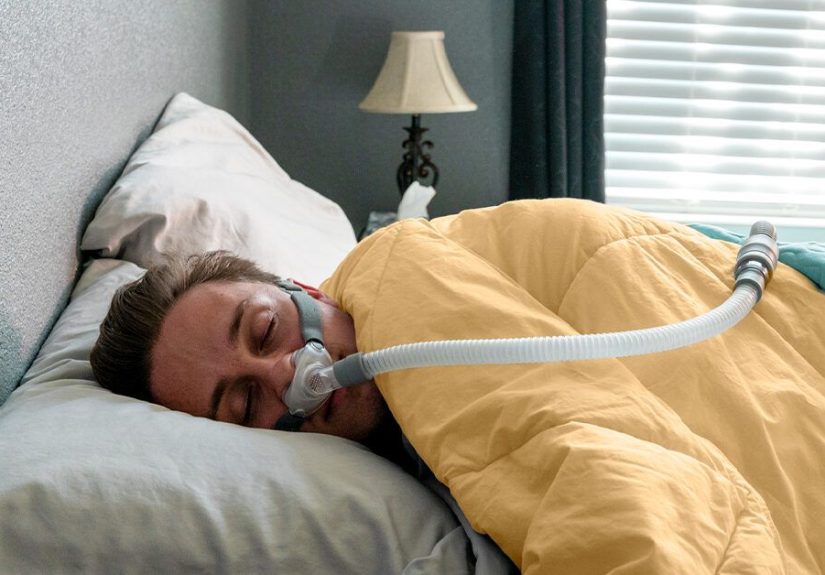
- Sleep problems: chronic sleep deprivation and conditions like sleep apnea can impact energy and hormones.
- Low testosterone: not the cause of everything, but it can contribute for some men.
- Chronic conditions: diabetes, high blood pressure, heart disease, obesity, and high cholesterol can affect sexual function.
- Medications: antidepressants (especially SSRIs), blood pressure meds, opioids, and others can reduce libido or arousal.
- Substances: heavy alcohol use and recreational drugs can blunt desire and performance.
Erectile dysfunction can look like “low desire”
ED is more common than many couples realize, and it can create a vicious cycle: fear of not performing → avoidance of sex →
more distance → more anxiety. If he’s avoiding sex, it may be less “I don’t want you” and more “I don’t want to fail.”
Mental health matters (a lot)
Depression, anxiety, chronic stress, and burnout are libido killers. And men don’t always describe depression as sadness
it can show up as irritability, numbness, withdrawal, or “I’m fine” with a side of doom-scrolling.
How to suggest a checkup without shaming him
Try: “I care about you and us. Would you be open to checking in with a doctor to rule out anything medicalsleep, hormones,
meds, stress? If it’s nothing, great. If it’s something, we’ll handle it together.”
Step 4: Repair the Relationship Layer (Because Libido Lives There Too)
Sexual desire often grows in the soil of emotional safety and connection. If you’ve been living like co-managers of a
household corporation (you: COO of laundry; him: CFO of “Did we pay that bill?”), erotic energy can get crowded out.
Check for “quiet blockers”
- Unresolved resentment: unequal labor, parenting conflict, money stress, feeling unappreciated.
- Communication drift: talking only about logistics, never about feelings.
- Conflict avoidance: “We don’t fight” can mean “We don’t talk about anything real.”
- Disconnection: lack of affection, dates, laughter, or shared experiences.
Do a “connection audit” (not a blame audit)
Ask each other:
- “When do you feel most loved by me?”
- “When do you feel least safe or most pressured?”
- “What would make affection easier this week?”
If you hear something hard (“I feel criticized” or “I feel like you only touch me when you want sex”), don’t debate it.
Treat it like useful data. You can disagree laterwith snacks.
Step 5: Rebuild Physical Intimacy Without Making It a Trap
When sex is tense, couples often stop touching altogether. Then you’re not just missing sexyou’re missing warmth,
safety, and the simple “I choose you” of everyday affection.
Start with “no-pressure touch”
Agree on touch that is not a down payment on sex. Examples:
- 10-second hugs (long enough to reset your nervous system)
- Cuddling during a show (hands allowed, negotiations not required)
- Massage with a clear boundary: “This is just massage.”
- Kissing hello and goodbye like you actually like each other
Try a “sensual ladder” instead of a sex ultimatum
If you’re in a sexless marriageor heading that wayjumping straight to intercourse can feel like trying to bench-press
after a year on the couch. Build gradually:
- Affection: hugging, cuddling, hand-holding
- Sensuality: kissing, massage, making out
- Erotic touch: with consent and pacing
- Sex: only when both feel ready
Make “good sex” the goal, not “more sex”
If sex has been rushed, routine, or pressure-filled, increasing frequency won’t help. Improving the experience often
does. Consider:
- More foreplay and slower pacing
- Clear preferences (“Yes, that” / “Not like that”)
- Less goal focus (orgasm is great, but not a required receipt)
- Playfulness (humor is underrated in the bedroom)
Step 6: Protect Your Self-Esteem While You Work on the Marriage
Let’s be honest: repeated rejection hurts. Even when you “understand,” your brain still whispers,
“Maybe I’m not desirable.”
Two truths at once
- You can have compassion for his struggle (stress, ED, depression, burnout).
- You can still need intimacy and feel grief, anger, or loneliness about the disconnect.
Don’t outsource your worth to his libido
This is easier said than done, so make it practical:
- Reconnect with friends, hobbies, exercise, sleep, and things that make you feel like you.
- Practice body neutrality: “My body is not on trial. It is alive and worthy of affection.”
- Journal your feelings so they don’t leak out as sarcasm at dinner.
Set a boundary around indefinite limbo
Support doesn’t mean suffering silently. It’s okay to say:
“I can be patient, but I need us to work on this togethertalk, get checked medically if needed, or see a therapist.”
When to Consider Couples Therapy or Sex Therapy
Professional help is especially useful when:
- The issue has lasted several months and causes distress
- Conversations go nowhere or turn into fights
- ED, anxiety, depression, trauma, or addiction may be involved
- Resentment is building and intimacy feels unsafe
- You’re stuck in a pursuer-distancer loop (one chases, one retreats)
What therapy can actually do
A good therapist can help you communicate about sex, reduce pressure, rebuild emotional intimacy, address desire
discrepancy, and create a realistic plan. If medical factors are involved, therapy pairs well with medical care.
If he refuses help
You can still go alone. Individual therapy can help you cope with rejection, clarify boundaries, and learn
communication strategies. Sometimes one partner starting therapy reduces the shame and makes the other more willing.
Common Mistakes That Make the Problem Worse
- Keeping score: “It’s been 43 days!” turns intimacy into accounting.
- Pressuring or bargaining: duty sex might happen, but desire usually won’t grow there.
- Mind-reading: assumptions (“He must not love me”) create distance and resentment.
- Ignoring health: ED or depression won’t improve with “just try harder.”
- Letting all touch die: no affection often leads to roommate syndrome.
Mini Action Plan: What to Do This Week
Day 1–2: Gentle conversation
- Pick a calm time.
- Share feelings without blame.
- Ask if it feels physical, emotional, relational, or pressure-related.
Day 3–4: No-pressure connection
- Plan one short “us” moment: a walk, coffee date, or couch cuddle.
- Agree: “This is not leading to sex unless we both want it.”
Day 5–7: Health + intimacy next step
- If relevant, suggest a checkup or medication review.
- Create one intimacy experiment (sensual ladder step) with consent.
- If talks stall, research a couples therapist or sex therapist together.
FAQ: Quick Answers to Hard Questions
Is a sexless marriage always a dealbreaker?
Not always. Some couples rebuild intimacy; others negotiate different forms of closeness. But if one partner is deeply
unhappy and nothing changes, it becomes a serious relationship issue. What matters is willingness to address it.
What if he says, “I’m just not in the mood” forever?
“Forever” is usually a signal to dig deeper: stress, health, depression, resentment, or fear of failure. If he won’t
explore it, you may need to set boundaries around your needs and next steps.
What if I’m starting to feel desperate?
That’s a sign you need supportfriends, therapy, self-care, and a plan with clear steps. Desperation can lead to pressure,
and pressure usually lowers libido further.
Conclusion: You’re Not “Too Needy”You’re Human
If your husband isn’t wanting you sexually, you don’t have to choose between suffering quietly and starting a war.
The most effective path is usually: talk kindly, look for medical and mental health factors, rebuild connection without
pressure, and get help if you’re stuck.
You deserve intimacy that feels mutual, safe, and wanted. And your marriage deserves a plan that’s more sophisticated
than “hope it fixes itself.”
Experiences From the Real World (The Extra You Asked For)
Over the years, people tend to describe this problem in the same emotional languageeven when the causes are wildly different:
“I feel unwanted.” “I feel lonely in my own marriage.” “I’m scared to bring it up because I don’t want to make it worse.”
Here are a few common, realistic “experience patterns” that show how couples often get stuckand what helps them get unstuck.
Experience #1: The “Exhausted Provider” Season
One wife described her husband coming home drained, eating dinner in silence, then falling asleep with his phone on his chest
like it was a beloved pet. Sex wasn’t rejected with wordsit was rejected with unconsciousness. Once they named it as burnout
(not rejection), everything changed. They stopped treating bedtime as the only intimacy window. They scheduled a Saturday nap
and a Sunday morning “slow hangout” where sex was optional, not expected. Within weeks, affection returned. The lesson:
libido doesn’t thrive in a body that feels like it’s running on fumes and caffeine.
Experience #2: The ED Spiral Nobody Talks About
Another couple thought they had a “desire problem.” The wife felt hurt; the husband felt pressured; both felt awkward.
Eventually, he admitted he’d had trouble maintaining erections and started avoiding any situation that might “lead there.”
Once they reframed it as a health and confidence issue, the tone softened immediately. They focused on kissing and touch
without a finish line, and he booked a medical appointment. That combinationless pressure plus practical supporthelped
break the cycle. The lesson: when sex becomes a performance, avoidance often looks like low desire.
Experience #3: The Roommate Phase After Kids
A very common story: after kids, the couple’s entire identity became logistics. They were kind, functional, and… totally
unromantic. The wife said, “We’re great at running a home. We’re terrible at being lovers.” Their fix wasn’t magical lingerie.
It was daily micro-connection: 10-minute check-ins, small compliments, and one weekly date where they did something slightly
new (a different restaurant, a class, a walk somewhere pretty). Novelty and attention made them feel like people againnot
just parents. The lesson: desire often follows connection, not the other way around.
Experience #4: The Medication Surprise
Some couples discover the shift started right after a medication changeantidepressants, blood pressure meds, or pain
medication. In these situations, the “fix” is not guilt or willpower. It’s a respectful review with a clinician to see
whether adjustments are possible. One couple said that simply having a plan (“we’ll talk to the doctor next month and
try a few low-pressure intimacy ideas in the meantime”) reduced the tension dramatically. The lesson: biology is not a
character flaw.
Experience #5: The “I Need to Feel Emotionally Safe” Truth
Occasionally, the husband’s low desire is tied to unresolved conflict: feeling criticized, dismissed, or chronically
failing expectations. When couples learn to fight fair (less contempt, more repair), the bedroom often improves. That doesn’t
mean you must tiptoe around himit means you both build a relationship climate where closeness can happen naturally.
The lesson: intimacy grows where people feel accepted, not evaluated.
If any of these experiences sound familiar, take heart: patterns can change. Start with one honest conversation,
one no-pressure connection ritual, and one concrete next step (medical check, therapy, or a shared plan). Small changes,
repeated consistently, can create big shiftswithout you having to audition for affection.