Table of Contents >> Show >> Hide
- What Is Facial Epilation?
- Before You Start: Is Epilating Facial Hair Right for You?
- How to Epilate Facial Hair: 12 Steps
- Step 1: Choose a Facial Epilator, Not a Body-Only Device
- Step 2: Read the Instructions Before Your First Use
- Step 3: Do a Patch Test
- Step 4: Cleanse Your Face Gently
- Step 5: Skip Heavy Creams, Oils, and Makeup
- Step 6: Trim Long Hairs if Needed
- Step 7: Hold the Skin Taut
- Step 8: Hold the Epilator at the Correct Angle
- Step 9: Move Slowly Against the Direction of Hair Growth
- Step 10: Take Breaks During Your First Session
- Step 11: Soothe the Skin Immediately After
- Step 12: Clean the Epilator After Every Use
- What to Do After Epilating Facial Hair
- Common Mistakes to Avoid
- How Often Should You Epilate Facial Hair?
- Does Facial Epilation Hurt?
- Facial Epilation vs. Waxing, Threading, and Shaving
- When to Stop and Call a Professional
- Real-Life Experience: What You Learn After Epilating Facial Hair
- Conclusion
Facial hair is completely normal. Peach fuzz, upper-lip hair, chin hairs that seem to appear overnight like they paid rent, and sideburn fuzz are all part of being human. Still, if you prefer a smoother face and want results that last longer than shaving, facial epilation can be a practical option.
An epilator is a small electric device that removes hair from the root using tiny rotating tweezers. Think of it as tweezing, but with a tiny robot army doing the plucking. Because the hair is removed from the root, results can last longer than shaving, and regrowth may feel softer over time for some people. However, facial skin is delicate, so technique matters. The goal is not to attack your face like you are sanding a table. The goal is clean skin, gentle pressure, smart aftercare, and patience.
This guide explains how to epilate facial hair in 12 safe, beginner-friendly steps, plus what to avoid, how to reduce redness, and what real-life experience teaches you after a few sessions.
What Is Facial Epilation?
Facial epilation is a hair-removal method that pulls hairs out from the root. Unlike shaving, which cuts hair at the surface, epilation removes the entire visible hair shaft from the follicle. That means your skin may stay smoother for days or weeks, depending on your hair-growth cycle.
Facial epilators are usually smaller than body epilators and are designed for areas such as the upper lip, chin, jawline, and sideburns. Some devices are marketed as facial hair removers but are actually mini shavers, so check the product description carefully. If it says it removes hair from the root, it is an epilator. If it trims or cuts hair at the surface, it is a shaver.
Before You Start: Is Epilating Facial Hair Right for You?
Facial epilation can work well for many people, but it is not ideal for everyone. Avoid epilating over active acne, open cuts, sunburn, irritated skin, eczema flare-ups, rosacea flare-ups, or recently treated skin. Pulling hairs from inflamed skin can make irritation worse and may increase the chance of bumps, redness, or dark marks.
You should also be cautious if you use strong exfoliating acids, prescription retinoids, or acne treatments that make your skin sensitive. When in doubt, pause and ask a dermatologist, especially if your skin reacts dramatically to waxing, threading, or tweezing.
If you suddenly develop thicker or darker facial hair along with symptoms such as irregular periods, acne, or unexplained changes in weight, consider speaking with a healthcare professional. Sometimes unwanted facial hair is related to hormonal changes, including conditions such as polycystic ovary syndrome.
How to Epilate Facial Hair: 12 Steps
Step 1: Choose a Facial Epilator, Not a Body-Only Device
Start with the right tool. A facial epilator usually has a smaller head, finer tweezers, and a shape that makes it easier to move around the upper lip and chin. A large body epilator may be too aggressive for delicate facial areas and harder to control around curves.
Look for a device with a facial attachment, cleaning brush, protective cap, and clear instructions. A built-in light can help you see fine hairs, which is useful because facial hair loves hiding until sunlight exposes it like a gossip columnist.
Step 2: Read the Instructions Before Your First Use
Yes, reading the manual is less exciting than discovering buried treasure, but it matters. Different devices have different directions. Some are dry-use only, while others can be used wet or dry. Some require a specific angle. Some recommend moving against hair growth. Follow the instructions for your exact model.
Also check whether the device is meant for your target area. The face is not one big identical zone. The upper lip, chin, jawline, cheeks, and eyebrows require different levels of caution. Never use a facial epilator too close to your eyes unless the device specifically says it is designed for that area.
Step 3: Do a Patch Test
Before epilating a visible area, test a small spot near the jawline or outer chin. Clean the skin, epilate a tiny section, and wait 24 hours. Mild redness can be normal, especially for beginners. However, intense burning, swelling, rash-like bumps, or lingering irritation means your skin may not tolerate epilation well.
A patch test is especially important if you have sensitive skin, a deeper skin tone prone to post-inflammatory hyperpigmentation, or a history of irritation after waxing or threading.
Step 4: Cleanse Your Face Gently
Wash your face with a mild cleanser before epilating. Clean skin lowers the chance of oil, makeup, sunscreen, or bacteria getting into freshly disturbed follicles. Use lukewarm water rather than hot water. Hot water can make skin more sensitive, and your face does not need a dramatic spa steam scene before tiny tweezers arrive.
After cleansing, pat your skin dry with a clean towel. Do not rub aggressively. Facial epilation works best when the skin is clean, dry, and free from greasy products unless your device specifically supports wet use.
Step 5: Skip Heavy Creams, Oils, and Makeup
Do not apply moisturizer, facial oil, primer, or foundation right before epilating. Slippery skin can make it harder for the tweezers to grip the hairs properly. Makeup and heavy products may also increase the risk of clogged pores or post-epilation bumps.
If your skin feels tight after washing, wait a few minutes before starting. You can moisturize after the session, once the hair removal is done and the skin has calmed down.
Step 6: Trim Long Hairs if Needed
Epilators often work best on short hairs. If facial hair is too long, the device may tug more painfully or break the hair instead of removing it cleanly from the root. If necessary, use small clean scissors or a facial trimmer to shorten longer hairs first.
Do not shave immediately before epilating, because the epilator needs enough hair length to grip. If the hair is too short, wait a few days and try again.
Step 7: Hold the Skin Taut
Use one hand to gently stretch the skin, especially on the upper lip, chin, or jawline. Taut skin helps the epilator glide more smoothly and may reduce pinching. It also helps the device catch hair more efficiently.
For the upper lip, press your lips together or stretch the skin downward with your fingers. For the chin, tilt your head slightly up and pull the skin gently to one side. The trick is firm support, not a wrestling match with your own face.
Step 8: Hold the Epilator at the Correct Angle
Most facial epilators work best when held at about a 90-degree angle to the skin, but always follow your device’s manual. Place the epilator lightly against the skin. Do not press hard. Pressing harder does not make the hair surrender faster; it usually just irritates your skin.
Use gentle pressure and let the device do the work. If it feels like scraping, dragging, or pinching skin rather than catching hair, stop and adjust the angle.
Step 9: Move Slowly Against the Direction of Hair Growth
Guide the epilator slowly against the direction of hair growth. On the upper lip, hair may grow downward or diagonally. On the chin, growth patterns can be surprisingly chaotic, like tiny hairs received separate instructions. Work in small sections and change direction if needed.
Do not rush. Moving too fast can cause missed hairs, breakage, and more irritation. A slow pass is usually better than five frantic passes.
Step 10: Take Breaks During Your First Session
Facial epilation can sting, especially the first time. If you are new to it, epilate one small area, pause, breathe, and continue only if your skin feels okay. The upper lip is often more sensitive than the chin or jawline.
Some people prefer epilating in the evening so redness can fade overnight. That is a smart move if your skin tends to announce every beauty experiment in bright pink.
Step 11: Soothe the Skin Immediately After
After epilating, rinse your face with cool water or apply a clean cool compress for a few minutes. Then use a gentle, fragrance-free moisturizer or soothing gel. Aloe vera, panthenol, or a simple barrier-supporting moisturizer may help calm the area.
Avoid touching your face repeatedly after epilation. Your fingers may be clean-ish, but freshly epilated follicles are not looking for visitors.
Step 12: Clean the Epilator After Every Use
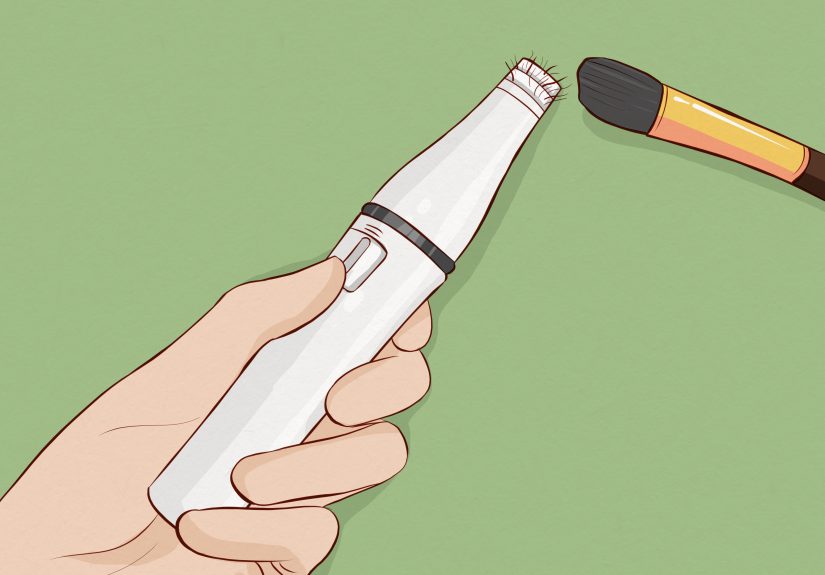
Turn off the device and clean the epilator head according to the manufacturer’s instructions. Many devices include a tiny brush for removing hairs. Some removable heads can be rinsed, but not all devices are waterproof. Check first.
Let the device dry completely before storing it. A clean tool helps reduce the chance of irritation, clogged follicles, and breakouts the next time you use it.
What to Do After Epilating Facial Hair
Avoid Makeup for Several Hours
If possible, skip foundation, concealer, and heavy powders for the rest of the day. Freshly epilated skin can be more reactive, and makeup may contribute to clogged pores. If you must wear makeup, choose a clean, lightweight product and apply it gently.
Use Sunscreen the Next Morning
Hair removal can temporarily make skin more sensitive. Daily broad-spectrum sunscreen with SPF 30 or higher is a smart habit, especially if you are prone to dark spots or redness. Sunscreen is not glamorous, but neither is explaining to your skin why it should calm down after UV exposure.
Wait Before Exfoliating
Do not use scrubs, exfoliating acids, retinoids, or harsh treatments right after epilating. Give your skin at least 24 to 48 hours, or longer if it feels sensitive. Once the skin is calm, gentle exfoliation once or twice a week may help reduce ingrown hairs.
Common Mistakes to Avoid
Mistake 1: Epilating Over Active Acne
Do not epilate over pimples, cystic acne, broken skin, or infected-looking bumps. The device can worsen inflammation and may spread bacteria. Let the area heal first.
Mistake 2: Pressing Too Hard
More pressure does not equal better results. It can lead to unnecessary redness, tenderness, or tiny abrasions. Keep the device lightly touching the skin.
Mistake 3: Repeating Too Many Passes
If a few hairs remain, use tweezers or come back another day. Running the epilator over the same area repeatedly can irritate facial skin quickly.
Mistake 4: Ignoring Skin Type
If your skin is reactive, acne-prone, or prone to hyperpigmentation, move carefully. Patch testing, gentle aftercare, and spacing out sessions can make a big difference.
Mistake 5: Forgetting to Clean the Device
A dirty epilator can collect hair, oil, and skin debris. Clean it every time. Your future face will thank you.
How Often Should You Epilate Facial Hair?
Most people epilate facial hair every one to three weeks, depending on hair growth. Beginners may notice uneven regrowth because hairs grow in different cycles. Over time, sessions may become quicker because you are removing new growth rather than starting from scratch each time.
Do not epilate daily. If you see a few stray hairs between sessions, tweezing may be less irritating than repeatedly using the device on the same small area.
Does Facial Epilation Hurt?
Yes, it can. The sensation is similar to many quick tweezes at once. The first session is usually the most uncomfortable because there are more hairs to remove and your skin is not used to the process. The good news: many people find it becomes more tolerable with practice.
To reduce discomfort, epilate when you are relaxed, use a clean device, keep the skin taut, move slowly, and avoid epilating right before an important event. Your face deserves a recovery window.
Facial Epilation vs. Waxing, Threading, and Shaving
Facial epilation, waxing, and threading all remove hair from the root, so results often last longer than shaving. Waxing removes many hairs at once but can irritate sensitive skin, especially if done too hot or over exfoliated skin. Threading is precise and popular for eyebrows and upper lips, but it can also cause redness or bumps.
Shaving is usually painless and fast, but it cuts hair at the surface, so regrowth appears sooner. Contrary to the old myth, shaving does not make hair grow back thicker; it can simply feel blunt because the hair has been cut across.
Epilating is convenient because you can do it at home without wax strips or salon appointments. However, it requires patience and proper aftercare. The best method is the one your skin tolerates and you can maintain safely.
When to Stop and Call a Professional
Stop epilating and seek professional advice if you notice severe swelling, spreading redness, pus, intense pain, burns, or bumps that do not improve. Also consider a dermatologist if you frequently develop ingrown hairs, dark marks, or irritation after hair removal.
If unwanted facial hair is heavy, sudden, or emotionally distressing, a healthcare professional can help identify possible causes and discuss options such as prescription creams, laser hair removal, or electrolysis.
Real-Life Experience: What You Learn After Epilating Facial Hair
The first thing most beginners learn is that facial epilation is not a casual “two seconds before leaving the house” activity. It is more like making tea: simple, but better when you do not rush. The upper lip may water your eyes a little. The chin may feel easier. Sideburns may require patience because hair can grow in several directions. The first session is often the loudest, emotionally speaking. After that, you understand your skin’s rhythm.
One helpful experience-based tip is to epilate at night. Even when the technique is perfect, mild redness can happen. Doing it before bed gives your skin several quiet hours to settle. By morning, many people find the redness has faded, especially if they used a cool compress and a gentle moisturizer.
Another lesson: lighting matters. Bathroom lighting can be weirdly dramatic and still somehow miss half the fine hairs. Natural light or a mirror with a soft light can help you see what you are doing. Do not chase every invisible hair, though. The goal is tidy, not microscopic perfection. If you keep going after the skin is already pink, you may win the battle against three tiny hairs and lose the war against irritation.
People with sensitive skin often discover that less is more. One careful pass is better than several aggressive passes. If a stubborn hair survives, tweezers are your friend. The epilator does not need to prove itself on every single follicle. Also, avoid experimenting with strong skincare on the same night. Epilation plus exfoliating acid plus retinoid plus fragrance-heavy cream is not a routine; it is a group project your skin did not sign up for.
Cleaning the device becomes a habit once you realize how much tiny hair it collects. A clean epilator feels more efficient and more hygienic. Store it with the cap on, away from damp shower corners, and replace attachments if the manufacturer recommends it.
Finally, facial epilation teaches patience with regrowth. Hair does not all return on the same day. Some hairs pop up earlier because they were in a different growth phase. That does not mean the epilator failed. It means biology is being biology. With regular, gentle sessions, the process usually becomes faster and more predictable.
The best experience comes from respecting your skin. If it says “not today” through stinging, swelling, or irritation, listen. Smooth skin is nice, but calm skin is better. Facial hair removal should fit your comfort, not become a stressful ritual. Done carefully, epilation can be a useful tool in your routine: quick enough for home, longer-lasting than shaving, and far less dramatic once you learn the technique.
Conclusion
Learning how to epilate facial hair is mostly about preparation, gentle technique, and aftercare. Choose a facial epilator, cleanse your skin, keep it dry, hold the skin taut, move slowly against hair growth, and soothe the area afterward. Avoid active acne, irritated skin, harsh skincare products, and too many repeated passes.
Facial epilation is not magic, and it is not for every skin type. But when done correctly, it can be an effective at-home method for removing upper-lip, chin, jawline, and sideburn hair from the root. Treat your face kindly, clean your device, use sunscreen, and remember: tiny hairs are normal. Removing them is optional. Doing it safely is the real beauty win.