Table of Contents >> Show >> Hide
- Why fish smell sticks around (and why you’re not imagining it)
- How to Get Fish Smell Out of Your House: 11 Odor-Fighting Tips
- 1) Ventilate like you mean it (yes, during cooking and after)
- 2) Remove the “evidence” fast: scraps, packaging, and leftovers
- 3) Degrease the hot zone: stove, backsplash, counters, and cabinet fronts
- 4) Rescue your cookware before it “seasoned” itself with fish
- 5) De-funk cutting boards (where fish smell goes to settle down)
- 6) Clean the sink, drain, and garbage disposal (the “hidden stink pipeline”)
- 7) Launder the “odor sponges”: towels, aprons, and soft fabrics nearby
- 8) Deploy odor absorbers: baking soda, activated charcoal, and coffee grounds
- 9) Use a simmer pot (or a quick citrus steam) to reset the vibe
- 10) Consider an air purifier with activated carbon (and maintain it)
- 11) Prevent the stink next time with smarter prep and cooking habits
- What not to do (unless you enjoy respiratory roulette)
- When a “fishy smell” might not be dinner
- Conclusion
- Real-life odor battles: 3 “experience” scenarios (and what usually works)
You cooked a beautiful piece of fish. You ate it. You felt virtuous. And then your house decided to smell like a seaside bait shop that also sells regret.
The good news: fish odor is beatable. The better news: you don’t have to “live with it” or drown your home in ocean-breeze spray (which, ironically, often smells like a dolphin’s cologne budget). The real secret is simple: remove the odor source and move the air. Everything else is just garnish.
Why fish smell sticks around (and why you’re not imagining it)
Fish odors love two things: grease and soft surfaces. During cooking, tiny droplets of oil and moisture carry odor molecules into the air. Those molecules land on cabinets, walls, range hoods, andrudelyanything porous nearby (curtains, couch cushions, throw blankets, that hoodie you “only wore for five minutes”).
Another reason the smell feels stubborn: your nose adapts fast. You might think it’s “mostly gone,” while a friend walks in and immediately asks whether you opened a seafood restaurant in your living room. (This is called nose-blindness, and it’s annoyingly real.)
How to Get Fish Smell Out of Your House: 11 Odor-Fighting Tips
-
1) Ventilate like you mean it (yes, during cooking and after)
Odor molecules can’t cling to your home if you escort them outside. Open windows on opposite sides of the house for a cross-breeze. Turn on your range hood (the kind that vents outdoors is ideal), and keep it running after you finish cookinglong enough to clear the air, not just make noise for moral support.
If you’re in an apartment with limited airflow, crack a window and run a fan aimed outward to push stale air out. It’s basically bouncer duty for fish smell.
-
2) Remove the “evidence” fast: scraps, packaging, and leftovers
The fastest way to keep fish smell from lingering is to stop it at the source:
- Seal fish scraps and packaging in a zip bag before tossing them.
- Take the trash out the same day if you can (especially the fishy bag).
- Store leftovers in airtight containersdouble-lid if you’re serious.
Pro tip: if your trash can itself smells like yesterday’s dinner, wash it and let it dry fully. (A “clean” can that’s still damp is basically a smell incubator.)
-
3) Degrease the hot zone: stove, backsplash, counters, and cabinet fronts
If fish smell is still hanging around, assume a thin film of cooking residue is holding it hostage. Wipe down surfaces near the stoveespecially the backsplash and the cabinet doors right above the cooking area.
Use warm, soapy water first (the degreasing step), then follow with a quick wipe of a vinegar-and-water solution if you like. The goal isn’t to perfume your kitchenit’s to remove the invisible “odor glue” that keeps fish smell stuck.
-
4) Rescue your cookware before it “seasoned” itself with fish
Pans and baking sheets can hold onto odor, especially if they sit around “soaking” in cold water (aka: marinating in fish essence).
- Wash ASAP with hot water and dish soap.
- For stubborn odor, soak cookware in hot water with a splash of vinegar, then rewash.
- For cast iron, scrub with warm water and coarse salt, rinse, dry thoroughly, and re-oil lightly.
Before you put the pan away, do a quick sniff test. If it still smells fishy, repeat the wash now not tomorrow when the scent has moved in permanently and started paying rent.
-
5) De-funk cutting boards (where fish smell goes to settle down)
Cutting boardsespecially wooden onesabsorb odors like it’s their hobby. Try this:
- Sprinkle baking soda over the board, scrub, rinse, and dry.
- Or scrub with half a lemon + salt for a quick odor-lifting combo.
- Finish with a vinegar wipe (then let the board air-dry fully).
If your board still smells fishy after multiple cleans, it may be time to retire it to “garlic-only duty” and start fresh.
-
6) Clean the sink, drain, and garbage disposal (the “hidden stink pipeline”)
Fish odor often lingers because tiny food particles are trapped in the drain or disposal. Start by scrubbing the sink basin and drain area with dish soap.
- Garbage disposal refresh: run cold water, toss in a few ice cubes and citrus rinds, and run the disposal briefly. Then scrub the rubber splash guard/flaps (it’s gross, but effective).
- Drain deodorize: baking soda + hot water can help loosen gunk. If you use vinegar too, do it as a separate step with plenty of water after.
Safety note: never mix bleach with ammonia or acids (including vinegar). If you use bleach anywhere in the kitchen, keep it solo and ventilate.
-
7) Launder the “odor sponges”: towels, aprons, and soft fabrics nearby
If you fried or seared fish, your textiles probably got hit. Wash dish towels, aprons, and any fabric items hanging near the stove (yes, that decorative tea towel you never use).
For upholstery or rugs, vacuum thoroughly. You can sprinkle baking soda lightly, let it sit, then vacuum again. This is especially helpful if the smell drifted into the living room and made your couch an accessory after the fact.
-
8) Deploy odor absorbers: baking soda, activated charcoal, and coffee grounds
Absorbers won’t fix the source by themselvesbut they’re great backup once you’ve cleaned. Place small bowls of baking soda or dry coffee grounds in the kitchen overnight. Activated charcoal (including charcoal bags) can also help pull odors from the air.
If the smell is concentrated in the fridge (hello, leftover salmon), put an open box of baking soda inside or a small container of charcoal, and keep leftovers sealed tightly.
-
9) Use a simmer pot (or a quick citrus steam) to reset the vibe
Once you’ve removed the odor source, a gentle, natural scent can make the space feel “clean” again. Simmer water with citrus slices and spices (like cinnamon or cloves). Keep it low and supervised.
Bonus: for a microwave that smells like yesterday’s fish reheating experiment, heat a bowl of water with lemon, let the steam sit, then wipe the interior.
-
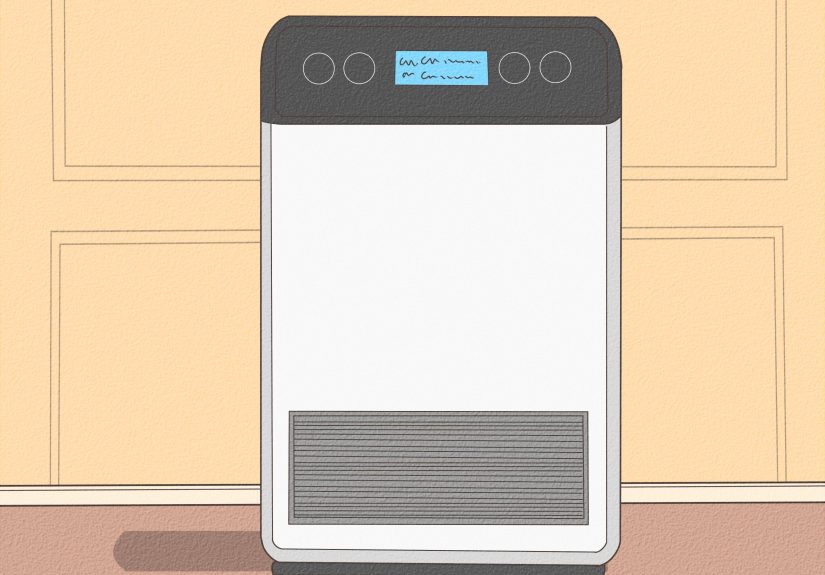
10) Consider an air purifier with activated carbon (and maintain it)
If you cook fish oftenor live in a small spacean air purifier can help, especially models that include activated carbon for odors. HEPA handles particles; carbon helps with smells.
The catch: carbon saturates and needs replacement. If you never change filters, you’re basically running a fan with commitment issues.
-
11) Prevent the stink next time with smarter prep and cooking habits
Prevention is underrated (and cheaper than buying three candles and pretending it’s “ambience”). Try these:
- Keep fish covered in the fridge to reduce odor spread.
- Rinse quickly right before cooking and pat dry.
- Soak in milk briefly (around 20 minutes), then rinse and dry to help mellow odor.
- Add acid (lemon, lime, vinegar, tomato) during prep/cooking to reduce fishy aroma.
- Cook with the hood on from the startand crack a window.
What not to do (unless you enjoy respiratory roulette)
Don’t “solve” fish odor by making your indoor air harsher. Avoid mixing cleaning chemicals, especially bleach with ammonia or acids. Also be cautious with ozone-generating devices marketed for odor removalozone can irritate lungs, and at levels considered safe, it generally isn’t an effective fix for indoor pollution. Stick to source removal, ventilation, and proven filtration.
When a “fishy smell” might not be dinner
If you haven’t cooked fish recently and you notice a persistent fishy or burning odor near an outlet, appliance, or electrical panel, treat it seriously. Some materials used in electrical components can emit odd odors when overheating. If you suspect an electrical issue, turn off the suspect device/circuit and contact a qualified electrician.
Conclusion
Getting fish smell out of your house isn’t about covering it upit’s about doing a quick, targeted reset: ventilate, remove scraps, degrease the kitchen, clean the drain zone, and use absorbers and filtration as backup. Do it once with intention and you can cook fish again without your home smelling like it’s auditioning for a seafood documentary.
Real-life odor battles: 3 “experience” scenarios (and what usually works)
Below are three common real-world situations people run into after cooking fish. These are typical patterns (not personal anecdotes), but if you’ve ever stood in your kitchen at midnight waving a dish towel like a surrender flag, you’ll recognize the energy.
Scenario 1: “I cooked salmon in a small apartment and now the whole place smells.”
In a compact space, the odor spreads faster than gossip. The winning move is a two-part combo: air exchange plus surface cleanup. First, crack two windows (or a window + door) and run a fan aimed outward for 20–30 minutes. While the air is moving, wipe the stove area and nearby counters with hot, soapy water to lift the grease film. If your range hood vents outdoors, run it hard; if it recirculates, it still helps, but don’t rely on it alone.
Then handle the “secondary sources”: wash the pan immediately, toss fish packaging in a sealed bag, and put a bowl of baking soda or coffee grounds on the counter overnight. Most people are shocked how much odor is really coming from a slightly greasy backsplash and a trash can that’s quietly working against them.
Scenario 2: “The kitchen smells fine… but my couch smells faintly fishy.”
This is a classic “soft surfaces took the hit” situation. If fish was pan-seared or fried, microscopic oily vapor can drift and settle in fabric. The fix isn’t fancy: vacuum upholstery (slowly), sprinkle baking soda lightly on the rug (or fabric-safe areas), let it sit, then vacuum again. Wash throw blankets and pillow covers if you can. If the odor is subtle, this usually clears it within a day.
A common mistake here is going straight to strong air fresheners. That often creates a weird mashup like “Ocean Breeze + Eau de Salmon,” which is not a candle line anyone asked for. Cleaning + absorption works better than perfume warfare.
Scenario 3: “It’s been two days and the fish smell keeps coming back.”
A returning odor usually means a hidden stash of stink: the drain/disposal, a trash can, a dish sponge, or cookware that wasn’t fully cleaned (especially baking sheets, cast iron, or silicone items like pressure-cooker seals). In this situation, people often win by doing a quick “kitchen sweep”:
- Scrub the sink and disposal splash guard/flaps.
- Run the disposal with ice + citrus rinds (and plenty of water).
- Wash or replace the sponge/brush (sponges can hold odors like champions).
- Rewash pans and lids with hot water and soap; add a vinegar soak if needed.
- Empty and rinse the trash can; let it dry completely before re-lining.
If you add an air purifier into the mix, make sure it has activated carbon for odor and that the filters aren’t overdue. Otherwise you’re just circulating yesterday’s mistakes in a gentle loop.