Table of Contents >> Show >> Hide
- Japanese Beetle 101: Know the Enemy (So You Can Outsmart It)
- Step One: Stop the Adult Beetle Buffet (Fast, Practical Moves)
- Sprays and Treatments: What Actually Helps (Without Nuking the Ecosystem)
- The Trap Debate: Should You Use Japanese Beetle Traps?
- Go After the Grubs (Because Today’s Grubs = Next Year’s Beetles)
- Plant Strategy: Reduce Future Damage Without Giving Up Gardening
- Example Game Plans (Choose Your Difficulty Level)
- Common Mistakes (So You Don’t Accidentally Help the Beetles)
- Conclusion: You Don’t Need a Perfect GardenJust a Smarter One
- Field Notes: of Beetle-Fighting Experience (So You Feel Less Alone)
Japanese beetles are the kind of garden guest who shows up uninvited, eats everything in the fridge, and then texts their friends to come over, too. They’re shiny, they’re hungry, and they have a special talent for turning your roses into lace doilies. If you’re here because your yard looks like it lost a tiny green-and-copper bar fight, take a breath: you can get control.
The trick is to stop thinking “How do I kill every beetle forever?” (an understandable mood) and start thinking “How do I protect my plants this week, reduce the next wave, and make my yard less inviting long-term?” That’s integrated pest managementfancy words for “use multiple smart moves instead of one dramatic overreaction.”
Japanese Beetle 101: Know the Enemy (So You Can Outsmart It)
What they areand why they’re such a pain
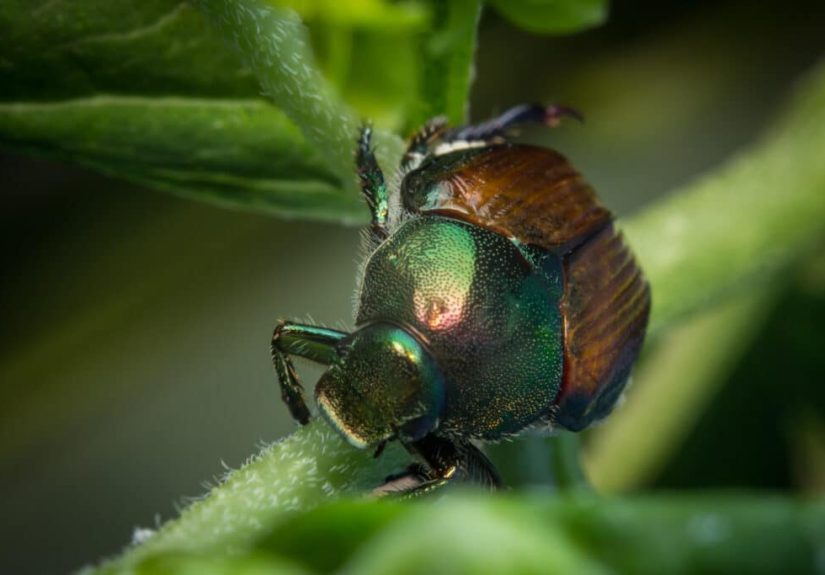
Japanese beetles (Popillia japonica) are invasive pests in much of the U.S. Adults feed on foliage, flowers, and fruit from hundreds of plants, while larvae (white grubs) live in soil and chew grass roots. Translation: they can ruin your garden and your lawn in the same year.
How to recognize the damage
- Leaves look “skeletonized”: tissue between veins is eaten, leaving a lace-like pattern.
- Flowers get shredded: buds and petals are chewed up (especially roses).
- Lawn trouble: brown patches that peel up like carpet if grubs are heavy, plus critters digging for a snack.
Their life cycle (the calendar that explains everything)
Timing matters because what works on an adult beetle won’t necessarily touch a grub underground. In many regions, adults emerge and feed in summer, lay eggs in soil, and those eggs hatch into grubs that feed through late summer and fall. The grubs overwinter in the ground, resume feeding when soils warm, then pupate and emerge again as adults. If you hit the right stage at the right time, you work less and win more.
Step One: Stop the Adult Beetle Buffet (Fast, Practical Moves)
1) Hand-pick like a garden ninja (yes, really)
It’s not glamorous, but it’s wildly effective for home landscapesespecially if you start early. Adults are often sluggish in the early morning and evening, which is your cue to strike. Hold a container of soapy water under the cluster and tap/shake the branch; beetles tend to drop straight down into the “bubble jacuzzi of doom.”
Do this daily during peak season. One reason it works: damaged leaves can release odors that attract more beetles. Removing beetles early helps reduce that “beetle dinner bell” effect and limits the crowd-size problem.
2) Protect prized plants with lightweight barriers
If you have a few “VIP plants” (hello, perfect rose bush), physical exclusion can be a lifesaver. Floating row covers and fine netting can block adults from landing and feedingespecially on vegetables and small shrubs. Just remember:
- Secure edges so beetles can’t crawl underneath.
- Remove covers when insect-pollinated plants need access to bees (during flowering/fruit set).
- Use covers earlybefore beetles discover the plant and invite the whole neighborhood.
3) Give your plants a fighting chance (stress makes them tastier)
Healthy plants tolerate damage better. Water deeply during dry spells, mulch to reduce stress, and avoid heavy nitrogen overdoing itlush, tender growth can be more attractive and more easily damaged. Your goal isn’t “perfect leaves,” it’s “plants that keep growing despite the chaos.”
Sprays and Treatments: What Actually Helps (Without Nuking the Ecosystem)
Low-impact options (good for light-to-moderate pressure)
If you’re trying to avoid broad-spectrum insecticides, you still have optionsbut set expectations. Insecticidal soaps and horticultural oils (including neem oil) can help deter feeding and reduce damage when beetle numbers are low to moderate, but they typically require repeat applications and thorough coverage. They’re not magic spells, and they’re not great when beetles are arriving by the dozen.
Neem-based products can be part of a plan, especially if you start early and reapply as directed. Think of neem more like a “make this plant less fun to eat” strategy than a “drop-everyone-on-contact” strategy.
Biological sprays for adults: Btg (the “eat this and regret it” approach)
Some gardeners use products containing Bacillus thuringiensis galleriae (often labeled for Japanese beetles). These can help protect foliage by affecting feeding after ingestion. Like many bio-insecticides, performance depends on timing, coverage, and repeat applicationsespecially after rain or strong sun.
Conventional insecticides (when damage is severe and you need a reset)
If you’re facing heavy infestations on ornamentals and the “bucket method” is no longer a quirky summer hobby but a second job, targeted insecticides can reduce adult feeding. The exact active ingredients and products vary by state and plant type, but common adult-control actives in consumer products include certain pyrethroids and other labeled ingredients.
Pollinator safety is non-negotiable: avoid spraying open blooms where bees are visiting, and follow the product label exactlytiming, plant list, reentry intervals, and precautions. If the plant is flowering and buzzing with pollinators, choose hand-picking, barriers, or a bee-safer approach instead.
The Trap Debate: Should You Use Japanese Beetle Traps?
Japanese beetle traps are the garden equivalent of putting on a “FREE PIZZA” sign and then acting surprised when your driveway fills up. Traps use floral scents and pheromones to lure beetles, and they can catch a lot of adultsbut research and extension guidance commonly caution that traps often don’t reduce damage on nearby plants and may draw more beetles into your area than you had before.
If you use traps at all, treat them as monitoring tools (to learn when beetles emerge and how intense the season is), and place them far away from the plants you want to protectthink “edge of the property,” not “next to the roses.” Also, empty them frequently so they keep working.
Go After the Grubs (Because Today’s Grubs = Next Year’s Beetles)
First, confirm you actually have a grub problem
Not every brown patch is grubs, and not every grub sighting means disaster. The most useful approach is to dig a small section of turf (a square foot is a common reference point) in suspect areas and count. If you find multiple grubs per square foot and the lawn is showing symptoms, treatment may be worth itespecially if you’ve had consistent Japanese beetle issues.
Timing: hit grubs when they’re small and feeding
Grub control works best when eggs have hatched and young grubs are presentoften late summer into early fall in many regions. That’s when larvae are actively feeding closer to the surface and are more vulnerable to biological controls and labeled treatments. Spring can be a tougher window because grubs are larger and may be deeper depending on conditions.
Biological control option #1: Beneficial nematodes
Beneficial (entomopathogenic) nematodes can provide solid grub suppression when applied correctly. The species matters; some are better for white grubs than others. They’re living organisms, so success depends on moisture, temperature, and handling:
- Apply when grubs are present and soils are moist.
- Apply in the evening or on cool/overcast days to reduce UV and heat stress.
- Water before and after application so nematodes move into the soil and don’t dry out.
- Use them promptlymany nematode products have a limited shelf life.
Biological control option #2: Milky spore (long game, specific target)
Milky spore is caused by a bacterium (Paenibacillus popilliae) that infects Japanese beetle grubs specifically. The upside: it’s targeted and doesn’t affect beneficial organisms the way broad insecticides might. The tradeoff: it’s often a slow-build approachmore marathon than sprintand performance can vary by region and conditions. If you’re expecting instant lawn salvation, milky spore may test your patience.
Culture and maintenance: make lawns less grub-friendly
Adult females prefer laying eggs in moist turf. You don’t want to scorch your lawn, but you can reduce “perfect nursery” conditions by avoiding unnecessary irrigation during peak egg-laying periods (when feasible for your grass type and local climate). Core aeration, proper mowing height, and balanced fertility also help turf tolerate root feeding.
Plant Strategy: Reduce Future Damage Without Giving Up Gardening
Pick your battles (and your plants)
Japanese beetles have favorites. If you’re constantly losing the same plants, consider replacing the most heavily targeted ones (or relocating them) and using less-preferred species in the hardest-hit spots. You don’t need to redesign your whole landscapejust stop stocking the buffet line in the busiest corner.
Use “decoy attention” wisely
Japanese beetles tend to congregate. If you notice they always start on one plant (often a rose or a grapevine), treat that plant as your early warning system. Start hand-picking or protective measures there first. The goal is to interrupt the “first arrivals invite everyone” pattern.
Example Game Plans (Choose Your Difficulty Level)
If you want the most eco-friendly plan
- Hand-pick daily (morning/evening) into soapy water for 2–4 weeks of peak activity.
- Use netting/row covers on vulnerable vegetables and small shrubs (remove for pollination).
- Spot-treat prized ornamentals with a low-impact option (neem/oil/soap) early, reapplying as directed.
- Apply beneficial nematodes in late summer when young grubs are active; water in properly.
- Improve lawn resilience: mow high, water smart, fertilize reasonably.
If you want the “I’m not playing around” plan
- Hand-pick to reduce clusters immediately (yes, even with spraysthis boosts results).
- Use a labeled adult-control product on non-blooming foliage when beetles first appear (follow label; avoid pollinators).
- Confirm grubs via digging and count-based decisions.
- Target young grubs in late summer with a proven grub strategy (biological or labeled lawn treatment based on your region and rules).
- Skip traps near gardens; if used, place them far away for monitoring only.
Common Mistakes (So You Don’t Accidentally Help the Beetles)
- Waiting until plants are covered: start at first sightings; early action prevents the “congregation” effect.
- Using traps next to your favorite plants: you may invite more beetles than you catch.
- Spraying flowers during bloom: you can harm pollinators; choose safer timing and methods.
- Ignoring the grub stage: adult control helps now, grub control helps next year.
- Expecting one treatment to solve everything: the best results come from combining tactics.
Conclusion: You Don’t Need a Perfect GardenJust a Smarter One
Getting rid of Japanese beetles isn’t about a single heroic product. It’s about timing, consistency, and stacking small advantages: pick early and often, protect the plants you love most, treat grubs when they’re vulnerable, and avoid tactics (like poorly placed traps) that accidentally increase pressure. Do that, and you’ll go from “beetle buffet” to “beetle disappointment,” which is a beautiful place to be.
Field Notes: of Beetle-Fighting Experience (So You Feel Less Alone)
Somewhere around mid-July, a certain type of gardener ritual begins. You step outside with coffee, feeling optimisticthen you see them. A glittering cluster of Japanese beetles, lined up like they bought tickets, demolishing your rose leaves with the confidence of people eating free appetizers. The first reaction is usually denial. “Those are just… decorative bugs.” Then you notice the leaf skeletons and realize you’ve entered the annual Summer Games: Human vs. Beetle.
The first lesson most people learn is that anger is not an insecticide. You can stare at beetles aggressively, you can lecture them about property rights, you can even threaten them with interpretive dancenone of it changes their weekend plans. What does work is showing up consistently, like a bouncer who never calls in sick. Hand-picking feels ridiculous for about three minutes. After that, it feels weirdly powerful. There’s something satisfying about tapping a branch and watching beetles plop into soapy water like they just lost a tiny game of trust fall.
The second lesson is that timing is everything. People who pick beetles in the blazing noon sun often report two outcomes: (1) beetles fly off like metallic confetti, and (2) the picker invents new swear words. Early morning or evening is calmerbeetles are less active, and you can remove a lot quickly without turning your garden into a chaotic beetle airshow. A container held under the foliage turns “chasing” into “collecting,” which is the whole secret.
Next comes the trap temptation. The box promises victory. The marketing makes it sound like beetles will politely check in and disappear forever. But many gardeners discover the “trap near the roses” experiment ends with a full trap and more beetles on the plant. It’s like installing a neon “Singles Night” sign and then wondering why your house is loud. When traps are used far away for monitoring, they can be informative; used beside your favorite shrub, they can feel like betrayal.
The final experience most people collect is patienceespecially with grub control. You can do everything right and still see adult beetles show up, because they can fly in from elsewhere. That’s why a good plan has two time horizons: “protect plants now” and “reduce next year.” When you treat grubs at the right time (and keep the soil conditions right for the method), you’re investing in fewer future headaches. It’s not instant gratification, but it’s the kind that pays you back when July rolls around and your roses look… suspiciously normal.
And that’s the real win: not a beetle-free universe, but a garden where the beetles don’t get to write the whole story.