Table of Contents >> Show >> Hide
- What Kind of Smoke Are You Dealing With?
- Rule #1: Don’t “Perfume” the ProblemRemove It
- Step 1: Ventilate Like You Mean It
- Step 2: Hit the Soft Stuff First (Because It Holds the Most Smell)
- Step 3: Clean Hard Surfaces (Yes, Even the Ceiling)
- Step 4: Deodorize Smart (Not Just “Spray and Pray”)
- Step 5: Fix Your HVACBecause It’s Recirculating the Problem
- When Smoke Smell Won’t Quit: Seal, Paint, or Replace
- Quick FAQ
- Real-World Smoke Smell Experiences (The Stuff People Actually Run Into)
- Conclusion
Smoke smell has one special talent: it can leave the party, but it refuses to leave your couch.
Whether it’s cigarette smoke, a fireplace marathon, a “crispy dinner” incident, or wildfire haze that snuck in like an uninvited guest,
the stink sticks because smoke isn’t just a smellit’s tiny particles and oily residues that cling to walls, fabrics, and your HVAC system.
The good news: you can absolutely get smoke smell out of your house. The better news: you don’t have to “mask” it with a candle that smells
like “Seasonal Desperation.” This guide walks you through a practical, step-by-step planfrom quick wins to deep fixesso your home smells like
home again (not like a haunted ashtray).
What Kind of Smoke Are You Dealing With?
Before you start scrubbing like you’re in a cleaning-product commercial, figure out what you’re fighting. Different smoke sources leave
different residuesand the best plan depends on the kind of gunk you’ve got.
Cigarette or cigar smoke (aka “sticky smoke”)
Tobacco smoke leaves a tar-like film that bonds to walls, ceilings, trim, blinds, light fixturesbasically anything that dares to exist indoors.
It’s often the most stubborn because it’s oily, persistent, and emotionally committed to your drywall.
Fireplace or wood smoke (aka “campfire nostalgia”)
Wood smoke can be cozy… until it lives in your curtains. If the smell is light, you can often fix it with ventilation and cleaning. If it’s heavy
(or there’s soot), you’ll likely need deeper cleaning and maybe professional help.
Cooking smoke (aka “I walked away for one minute”)
Cooking smoke is usually mixed with grease. Translation: clean the kitchen surfaces and the range hood filters, or the smell will keep
reappearing like a sequel nobody asked for.
Wildfire or house-fire smoke (aka “don’t DIY beyond your comfort zone”)
After a significant fire or wildfire smoke intrusion, odor is only part of the issue. Soot can contain irritants and other contaminants.
If you have heavy soot, damaged materials, or lingering eye/throat irritation, consider professional restoration and follow safety guidance.
Rule #1: Don’t “Perfume” the ProblemRemove It
Air fresheners and candles can be fine after you’ve removed the smoke residues. But if you use them first, you’re basically making a
smoke-odor smoothie. The plan that actually works is:
- Stop the source (ash, soot, stale smoke, greasy residues).
- Move air out and bring fresh air in (when outdoor air is clean).
- Clean the stuff smoke sticks to (soft goods + hard surfaces).
- Filter what’s floating in the air (HEPA + activated carbon).
- Seal/replace what can’t be cleaned (when needed).
Step 1: Ventilate Like You Mean It
Ventilation is the fastest way to reduce smoky air, and it makes every other step work better. If outdoor air is reasonably clean, open windows
on opposite sides of the home to create cross-ventilation. Then add fans to create a one-way “get out” route for odor.
The “smoke evacuation” fan setup
- Put a box fan in a window blowing outward (exhaust).
- Crack open a window on the opposite side of the house for make-up air.
- Keep interior doors open so air can travel.
If the smoke smell is mild, strong ventilation can sometimes clear a lot within a couple of daysbut heavier smoke won’t vanish without cleaning.
When not to ventilate
If you’re dealing with wildfire smoke outside, don’t invite it in. Instead, keep windows closed and jump to the “clean room + filtration” strategy
in the HVAC section below.
Step 2: Hit the Soft Stuff First (Because It Holds the Most Smell)
Fabrics are odor sponges: curtains, rugs, upholstery, bedding, pillows, pet beds, stuffed animals, your favorite hoodieeverything soft.
Start here because it often delivers the biggest “wow, it’s already better” payoff.
Laundry and washable textiles
- Wash curtains, bedding, slipcovers, and washable pillow covers.
- Add baking soda to the wash to help neutralize odors (especially for smoke).
- Dry thoroughlyodor loves moisture like it pays rent.
For fire-related smoke on clothing, follow garment labels, test first, and use appropriate cleaning additives (some guidance includes
stronger cleaning agents for bleach-safe items).
Upholstery and mattresses
- Vacuum slowly using a vacuum with good filtration (HEPA is a plus).
- Sprinkle baking soda lightly, let it sit for several hours (overnight if you can), then vacuum again.
- Use an upholstery-safe fabric cleaner; steam cleaning can help, but ensure everything dries completely.
Carpets and rugs
If the smell is light, baking soda + vacuuming + a deep clean may do it. If the smell is heavy (especially tobacco smoke), carpet pad can hold odor
like a grudge. In severe cases, replacing pad (or carpet) is the real fix.
Step 3: Clean Hard Surfaces (Yes, Even the Ceiling)
Smoke residue forms a thin film on hard surfaces. If you only clean floors, the walls will keep “off-gassing” that smoky funk back into the room.
So yes: walls and ceilings are on the agenda. Sorry. I don’t make the rules; smoke does.
Start dry
Before using liquids, remove loose soot/dust with a dry microfiber cloth or duster. If you smear soot with water too soon, you can make stains worse.
Then wash with the right cleaner
For light-to-moderate smoke odor, try a gentle solution:
- Warm water
- A few drops of dish soap (cuts oils)
- A small amount of baking soda (deodorizing boost)
For heavier smoke or nicotine residue, you may need a stronger cleaner (commonly TSP or a TSP substitute). Work in small sections from top to bottom,
rinse with clean water, and dry thoroughly.
Don’t skip the “tiny stink hotspots”
- Light fixtures and lamp shades (they trap smoke like champs)
- Blinds (especially vinyl) and window screens
- Cabinet interiors, drawers, and closets
- Doors, trim, baseboards
- Switch plates, outlets, and doorknobs
Important safety note
Don’t randomly mix cleaning chemicals. In particular, never mix bleach with ammonia or acids (like vinegar). If you’re using stronger cleaners,
follow label directions and ensure good ventilation.
Step 4: Deodorize Smart (Not Just “Spray and Pray”)
Once you’ve ventilated and cleaned, odor absorbers can help mop up what’s left in the air and in tiny crevices.
Think of these as the closing crew, not the main act.
Odor absorbers that actually pull their weight
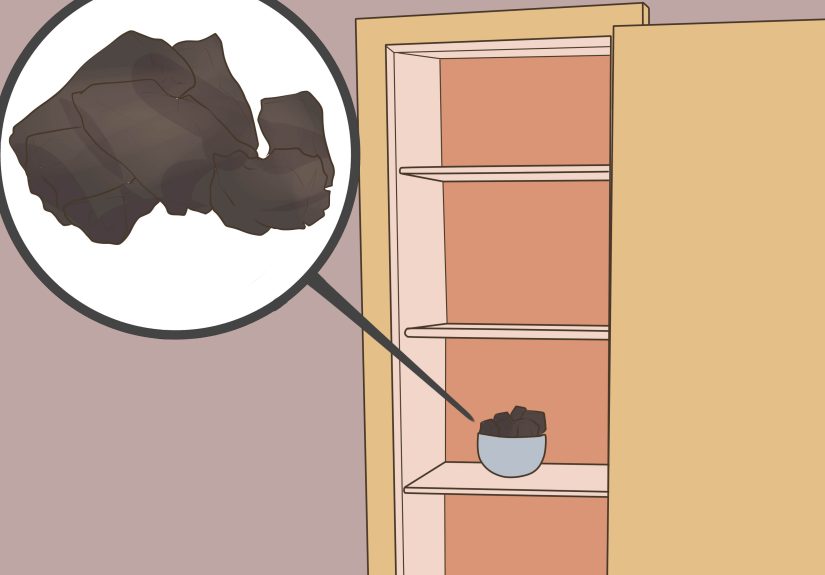
- Activated charcoal (excellent for odors; replace or refresh as directed)
- Baking soda (simple, cheap, effective over time)
- White vinegar (works for many odors; smells like vinegar while it worksfair warning)
- Coffee grounds (helpful for lingering smells, especially in small areas)
The “vinegar simmer” trick (optional)
Some people simmer a pot of water with vinegar for an hour or two to help lift smoke odor in the air. It can work in small-to-medium spaces,
but do it with good ventilationotherwise your house may smell like a salad made a terrible decision.
Step 5: Fix Your HVACBecause It’s Recirculating the Problem
If your home has central heating/air, smoke smell can settle into filters and get redistributed every time the system kicks on.
Translation: you can clean your living room perfectly and then the vents reintroduce “Eau de Smoke.”
Swap filters (and consider upgrading)
- Replace HVAC filters promptlyespecially after smoke exposure.
- Choose a higher-efficiency filter your system can handle (many homeowners aim for a higher MERV rating, but don’t exceed what your unit supports).
Use a portable air cleaner the right way
A good portable air cleaner can reduce smoke particles, but odor is trickier because odor includes gases.
For smoke, you want:
- HEPA filtration for particles
- Activated carbon (a substantial amount) for gases/odors
- A CADR appropriate for the room size (higher CADR = more air cleaned)
Pro tip: Run it longer and faster when you can. Lower fan speed is quieter, but it cleans less air.
Create a “clean room” during wildfire smoke
If outdoor air is smoky, pick one room (often a bedroom), keep windows/doors closed, and run a properly sized HEPA + carbon air cleaner.
This concentrates your effort where you spend the most time.
About ozone generators: please don’t freestyle this
You may see ozone machines marketed for odor removal. Ozone is a lung irritant, and agencies warn against using ozone-generating devices in occupied spaces.
In professional restoration, ozone may be used only under controlled conditions in unoccupied spacesif at all.
If you’re considering ozone, treat it like a chainsaw: potentially useful in expert hands, not a casual weekend hobby.
When Smoke Smell Won’t Quit: Seal, Paint, or Replace
If you’ve cleaned thoroughly and the odor still lingers, smoke residue may be embedded in porous materials or trapped in building surfaces.
This is where you shift from cleaning to locking it in (or removing it entirely).
Seal and repaint (especially for smoker’s homes)
After cleaning and letting surfaces dry completely, apply a stain- and odor-blocking primer (often shellac- or solvent-based),
then repaint. This can dramatically reduce the “phantom smoke” smell that keeps reappearing, especially with nicotine-stained walls and ceilings.
Replace porous materials when necessary
Some materials simply don’t come back from heavy smoke saturation:
- Carpet padding
- Insulation
- Heavily contaminated drywall
- Ceiling tiles
- Soft furniture that still reeks after repeated cleaning
Professional options (what the pros do differently)
Restoration companies may use specialized tools like thermal fogging, air scrubbers, and hydroxyl generators to neutralize odor molecules that have
penetrated deep into surfaces. If you’re dealing with heavy fire smoke or a former smoker’s home, getting an assessment can save you from endless
rounds of “why does it still smell like this?” cleaning.
Quick FAQ
How long does smoke smell last in a house?
Mild smoke odor can sometimes fade within a few days with strong ventilation, but heavier smoke usually requires cleaningand sometimes sealing or replacement.
What neutralizes smoke smell best?
A combo works best: ventilation + deep cleaning of surfaces and fabrics + HEPA filtration for particles + activated carbon for odors.
Vinegar, baking soda, charcoal, and coffee grounds can help as finishers, but they won’t replace cleaning.
Do candles and sprays help?
They can make a room smell “different,” but not necessarily “better.” Use them after the residue is gone, not before.
Real-World Smoke Smell Experiences (The Stuff People Actually Run Into)
Below are common “this totally happens” scenarios and what tends to work best. Think of these like field notes from the front lines of odor warfare.
1) The “Former Smoker’s House” Surprise
Someone buys a home that looks freshly painted… but on day two, the place smells like a casino carpet. That’s usually nicotine residue hiding under paint
or in porous surfaces. The most effective path tends to be: wash walls and ceilings thoroughly (yes, the ceiling), clean or replace blinds, wash or replace
curtains, steam-clean carpets, and replace HVAC filters. If odor persists, sealing primer and repainting often becomes the turning point. People are often
shocked that the odor lives in light fixtures and switch platesswapping or washing those can make the “why is it still here?” smell finally give up.
2) The Fireplace Weekend That Became a Lifestyle
A few cozy fires turn into daily fires, then suddenly the living room smells like a permanent campfire. Usually the fix is straightforward: ventilate hard,
clean the fireplace area, wash textiles (especially throws and pillows), and wipe nearby walls and ceilings where smoke drifts upward. Adding a HEPA + carbon
purifier can help clear lingering particles, but the real difference comes when soft goods get washed and the thin film on surfaces gets removed. Many people
forget the rug under the coffee tablebecause it “doesn’t look dirty”yet it’s quietly storing the entire weekend’s smoke memories.
3) The “I Burned Dinner, Now My Whole House Smells” Episode
Burnt food smoke plus kitchen grease is a special combo. People often open windows, light a candle, and hope for the best… and then wonder why the smell
pops back up the next day. The missing step is usually degreasing: clean the stovetop, backsplash, cabinet faces, and especially the range hood filter
(those metal or charcoal inserts collect odor like it’s their hobby). Launder dish towels and kitchen curtains too. An odor absorber in the kitchen overnight
(charcoal or baking soda) can speed up the last 10% once the greasy film is gone.
4) The Wildfire Smoke “It’s Outside, Why Is It In My Sofa?” Mystery
During wildfire events, people may keep windows closed yet still notice smoke odor indoors. That’s often because smoke infiltrates through small gaps and
gets trapped in fabrics. The winning strategy is usually a “clean room” setup: pick one room, seal it up as best you can, run a properly sized HEPA + carbon
air cleaner, and keep that room as your recovery zone. After outdoor air improves, ventilate and wash textiles that absorbed odor. If your HVAC ran during the
worst smoke, changing the filter can make an immediate differenceotherwise the system can keep distributing that “outside air souvenir” inside.
Conclusion
Getting smoke smell out of your house isn’t about finding one magical sprayit’s about removing what smoke leaves behind.
Start with ventilation, then clean soft goods and hard surfaces, and make sure your HVAC isn’t reintroducing the odor.
If the smell still lingers, sealing primers, repainting, or selective replacement may be the smartest move.
Do the steps in order, and you’ll stop fighting the smell every morning like it’s a recurring villain in a long-running TV show.
Your home can go back to smelling like youminus the smoke.