Table of Contents >> Show >> Hide
- What Is a China Doll Plant?
- Best Growing Conditions for a China Doll Plant Indoors
- How to Water a China Doll Plant
- Best Soil, Pot, and Fertilizer for Indoor China Doll Plants
- How to Prune and Repot a China Doll Plant
- Common China Doll Plant Problems Indoors
- How to Propagate a China Doll Plant
- A Simple Indoor Care Routine That Actually Works
- Common Indoor-Growing Experiences and Lessons Learned
- Conclusion
If you have ever brought home a China doll plant and thought, “Wow, this is gorgeous,” only to watch it throw a leafy tantrum three days later, welcome to the club. The China doll plant, also known as Radermachera sinica, is one of those houseplants that looks refined, elegant, and almost suspiciously perfect. Its glossy, lacy leaves make it look like a miniature indoor tree with excellent manners. In reality, it is a little dramatic. Not impossible. Not evil. Just very particular.
The good news is that once you understand what this plant wants, it becomes much easier to grow. China doll plant care indoors is really about consistency: steady light, steady moisture, steady temperatures, and as little environmental chaos as possible. Give it that, and it can reward you with lush growth, a graceful shape, and enough glossy greenery to make your living room feel slightly more expensive.
This guide breaks down exactly how to grow and care for a China doll plant indoors, from light and watering to pruning, pests, and the most common reasons it starts dropping leaves like it is auditioning for a soap opera.
What Is a China Doll Plant?
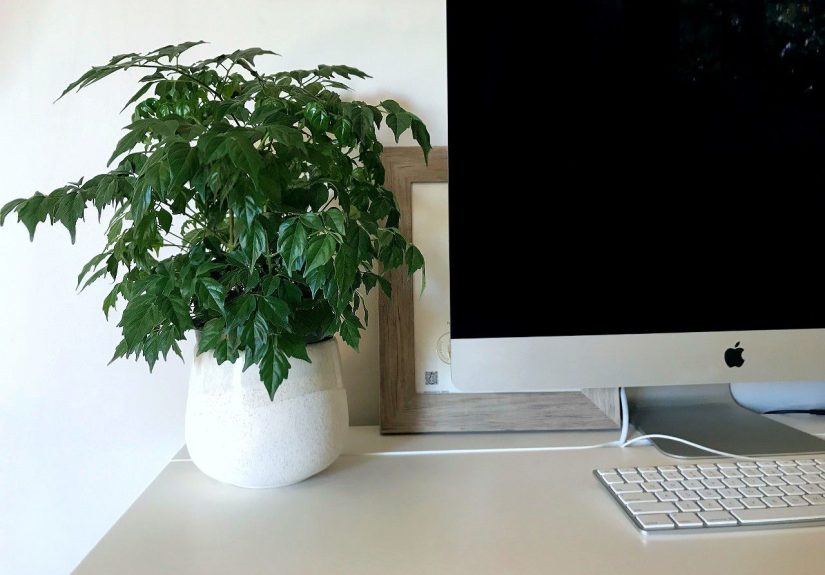
The China doll plant is a fast-growing evergreen shrub or tree native to subtropical parts of southern China and Taiwan. Indoors, it is grown for its finely divided, shiny green foliage and upright, tree-like habit. While it can become a very large tree outdoors in warm climates, as a houseplant it typically tops out around 4 to 6 feet tall when given enough light and room.
One reason people love this plant is also the reason it can be frustrating: it has a delicate, airy look without actually being delicate-looking about its opinions. Change the light, move the pot too often, let the soil swing from bone-dry to swampy, or park it next to a heating vent, and the plant may respond by dropping leaves. It is not being spiteful. It is simply a creature of habit.
Best Growing Conditions for a China Doll Plant Indoors
Bright, Indirect Light Is Non-Negotiable
If your China doll plant could fill out a wishlist, “bright indirect light” would be at the top in bold letters. This plant grows best near an east-, west-, or bright south-facing window where it gets plenty of light but is protected from harsh midday sun. A few hours of gentle morning light can be helpful, but intense direct afternoon sun can scorch the leaves.
Low light is where trouble usually begins. In dim conditions, the plant may become leggy, sparse, and sad-looking. The stems stretch, the foliage thins out, and the whole plant loses that dense, polished look people buy it for in the first place. If your home is short on natural light, a grow light can help fill the gap.
Warm Temperatures and a Stable Environment
China doll plants prefer normal indoor temperatures, ideally between 65 and 75 degrees Fahrenheit. They do not love cold drafts, sudden heat blasts, or dramatic swings between daytime and nighttime conditions. In other words, avoid putting one next to an exterior door, drafty window, radiator, heating vent, or aggressive air-conditioning unit that turns your plant corner into a climate experiment.
This is one of the biggest secrets to indoor China doll plant care: pick a good location, then resist the urge to keep moving it around. This is not a wandering plant. It prefers to settle in and stay there.
Moderate to Higher Humidity Helps
Although China doll plants can survive in average indoor humidity, they tend to look their best when the air is not too dry. If your home gets parched in winter, especially with forced-air heat, you may notice crispy edges or more leaf drop than usual. A pebble tray, humidifier, or grouping the plant near other houseplants can help raise humidity a bit.
No, you do not need to turn your home into a tropical rainforest. But a little extra moisture in the air can help this plant stay fuller and less cranky.
How to Water a China Doll Plant
Watering is where many indoor growers accidentally go from hero to villain. China doll plants like evenly moist soil, but not soggy soil. That means you should water when the top inch of the potting mix feels dry, then water thoroughly until excess runs out of the drainage holes.
The key phrase here is evenly moist. Not soaked. Not desert-dry. Not “I forgot for two weeks and then flooded it out of guilt.” This plant reacts badly to both under-watering and overwatering. If it dries out too much, leaves may turn crispy, curl, or drop. If it stays too wet, roots can rot, stems may weaken, and the foliage may yellow or blacken at the tips.
Always empty the saucer after watering so the pot is not sitting in excess water. A container with drainage holes is essential. If a decorative pot has no drainage, use it only as an outer cachepot, not as the actual planting container.
Best Soil, Pot, and Fertilizer for Indoor China Doll Plants
Use Well-Draining Potting Mix
The best soil for a China doll plant indoors is a rich, loose, well-draining potting mix. A standard houseplant mix often works well, especially if it is amended with perlite to improve drainage. The roots need moisture, but they also need oxygen. Dense, soggy soil is a fast track to root problems.
Choose the Right Pot
China doll plants often do well when they are slightly root-bound, so do not rush to move yours into a giant pot. In fact, upsizing too much can backfire because extra soil holds extra water. Choose a pot only slightly larger than the root ball, and make sure it has drainage holes.
Terracotta pots can be especially helpful because they let moisture evaporate through the sides, which reduces the risk of wet feet. Translation: the plant stays happier, and you get fewer opportunities to accidentally love it to death with water.
Feed During Active Growth
During spring and summer, feed your China doll plant with a balanced liquid houseplant fertilizer about once a month at reduced strength. When growth slows in fall and winter, cut back or stop feeding. Overfertilizing can lead to brown tips, salt buildup, and generally unimpressed foliage.
How to Prune and Repot a China Doll Plant
Prune for Shape and Fullness
A China doll plant can get lanky if it is not getting enough light or if it has been allowed to grow without shaping. Pruning helps encourage branching and a bushier look. Trim back leggy stems, weak growth, or any dead branches. Light, regular shaping works better than one dramatic haircut after the plant has already gone off the rails.
If your goal is a fuller indoor tree, pinch or prune growing tips occasionally during the active season. The plant will usually respond with denser side growth.
Repot Only When Necessary
This plant is famously sensitive to being disturbed, so repot only when truly needed. Signs it may be time include roots circling heavily, water running straight through without soaking in, or noticeably slowed growth even during the growing season. When you do repot, go up just 1 to 2 inches in pot size and keep the process as gentle as possible.
After repotting, do not panic if the plant pouts a little. Mild stress is common. What matters is avoiding the classic mistake: seeing a few dropped leaves and then overwatering in response.
Common China Doll Plant Problems Indoors
Leaf Drop
This is the issue most people associate with China doll plants, and honestly, the reputation is deserved. Leaf drop often happens after a move, a change in light, a temperature swing, or inconsistent watering. Sometimes a newly purchased plant sheds leaves simply because it went from greenhouse conditions to your house.
If your plant starts dropping leaves, check the basics first: light, moisture, drafts, and recent changes. Then leave it alone long enough to recover. Constant tinkering usually makes things worse.
Yellow Leaves
Yellowing leaves often point to watering problems, especially overwatering. If the soil stays wet for too long, roots struggle, and the foliage shows it. Poor drainage can cause the same issue.
Brown or Crispy Edges
Brown tips or crispy leaf edges may suggest dry soil, dry air, salt buildup from fertilizer, or inconsistent watering. The solution is usually to stabilize the routine rather than swing in the opposite direction.
Pests
Common pests include spider mites, mealybugs, scale, and aphids. Check the undersides of leaves and along stems regularly. If you catch pests early, insecticidal soap or neem oil is usually enough to manage them. Sticky leaves can also be a clue that sap-sucking pests are already at work.
How to Propagate a China Doll Plant
If you want to propagate a China doll plant, stem cuttings are the usual route. Take a healthy green cutting a few inches long, remove the lower leaves, and place it into moist potting mix. Keep the cutting warm, bright, and humid while it roots. A loose plastic cover or propagation dome can help maintain humidity.
Propagation is possible, but it is not the easiest houseplant project in the world. This is not pothos-level generosity. Think more “rewarding with patience” and less “free plants by the weekend.”
A Simple Indoor Care Routine That Actually Works
If you prefer a practical routine over plant poetry, here is a good one:
Weekly
Check the top inch of soil. Water if dry. Rotate the pot a quarter turn for even growth. Inspect leaves for pests and wipe off dust.
Monthly in Spring and Summer
Feed with a diluted balanced fertilizer. Trim any awkward, leggy, or damaged stems. Check whether the plant still has enough bright light as seasons shift.
Seasonally
Watch indoor humidity in winter. Keep the plant away from heating vents and cold drafts. In summer, if you move it outdoors temporarily, acclimate it slowly and expect some adjustment.
Common Indoor-Growing Experiences and Lessons Learned
One of the most common experiences with a China doll plant indoors goes like this: you buy it because it looks full, glossy, and almost fake in the best possible way. You bring it home, admire it for two days, then suddenly notice leaves on the floor. By day five, you are convinced you have personally offended the plant. This is extremely common, and it usually does not mean the plant is doomed. It means the plant is reacting to change.
Growers often discover that China doll plants are much less forgiving of disruption than many other popular houseplants. A pothos will shrug off an awkward week. A snake plant practically survives on neglect and sarcasm. But a China doll plant tends to notice every little thing. The light changed. The humidity changed. The pot was rotated too aggressively. The room got chilly overnight. Cue the leafy protest.
Another common experience is overcorrecting. A plant drops leaves, so the owner waters more. Then the soil stays wet, the roots struggle, and the plant drops more leaves. That leads to more worry, more checking, more moving, and sometimes more watering. Before long, the plant is not only stressed, but also soggy. The real lesson most indoor gardeners learn is that consistency beats panic every time.
Many people also notice that once a China doll plant finds the right spot, it improves dramatically. A bright room with filtered light, a dependable watering routine, and a stable temperature can make the same plant look completely different within a few weeks. New growth appears, stems fill out, and the overall shape becomes denser. It is almost annoying how much better it behaves once its standards are met.
Pruning is another area where experience matters. New growers sometimes hesitate to trim because the plant already seems sensitive. But light pruning often helps. If the plant is looking lanky, clipping back a few long stems can encourage branching and help restore that full, compact look. The trick is to prune thoughtfully, not aggressively.
There is also a practical lesson about expectations. China doll plants are not the best choice for someone who wants a low-effort, low-light plant that can be ignored between weekends. But for indoor gardeners who enjoy checking in, adjusting gently, and keeping a routine, this plant can be deeply satisfying. It grows fast enough to feel rewarding, looks polished enough to make a room feel elevated, and has just enough personality to keep things interesting.
In the end, the indoor-growing experience with a China doll plant usually teaches patience more than anything else. It is not a plant for chaotic care. It is a plant for rhythm. Once you stop trying to outsmart it and start giving it stable conditions, it often settles down and becomes the elegant indoor tree you hoped you were buying in the first place.
Conclusion
Learning how to grow and care for a China doll plant indoors comes down to one simple rule: keep conditions steady. Give it bright indirect light, evenly moist but well-draining soil, warm temperatures, and minimal environmental drama. Prune it to keep it full, repot it sparingly, and watch for common pests before they turn into tenants.
Yes, this plant has a reputation for being fussy. Fair enough. But it is also stunning, fast-growing, and surprisingly rewarding once you understand its preferences. Think of it less as a difficult plant and more as a plant with excellent boundaries. Respect those boundaries, and your China doll can thrive indoors for years.