Table of Contents >> Show >> Hide
- What Is Tiger Jaws Succulent?
- Why Gardeners Love Tiger Jaws
- Tiger Jaws Succulent Care at a Glance
- How to Grow Tiger Jaws Succulent Successfully
- Best Pot for Tiger Jaws Succulent
- How to Plant and Repot Tiger Jaws
- How to Propagate Tiger Jaws Succulent
- Seasonal Care Tips
- Should You Fertilize Tiger Jaws?
- Common Tiger Jaws Problems and How to Fix Them
- Indoor vs. Outdoor Growing
- Practical Tips for Long-Term Success
- Final Thoughts on Tiger Jaws Succulent Care
- Real-World Experiences Growing and Caring for Tiger Jaws Succulent
- SEO Tags
If your houseplant collection feels a little too polite, Tiger Jaws succulent may be the gloriously weird roommate you need. With chunky triangular leaves edged in tooth-like points, this plant looks like it could nibble your fingertip if you get too close. Thankfully, it is all drama and very little trouble. Tiger Jaws is one of those succulents that rewards a little restraint: don’t drown it, don’t smother it in rich soil, and don’t stick it in a dim corner where it can sulk in silence.
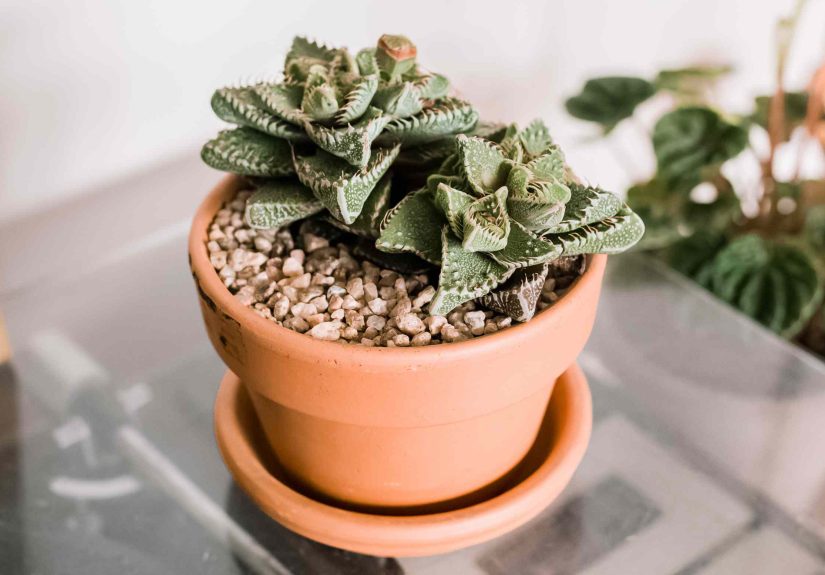
Often sold under the botanical name Faucaria tigrina, Tiger Jaws is a compact South African succulent loved for its geometric leaf shape and bright yellow daisy-like flowers. It stays relatively small, which makes it ideal for windowsills, small pots, and indoor plant shelves where every square inch matters. It also has that rare talent of looking both adorable and mildly threatening at the same time.
In this guide, you’ll learn how to grow and care for Tiger Jaws succulent, including the right light, soil, watering schedule, propagation methods, and the most common mistakes growers make. If you’ve ever killed a succulent with kindness, this article is for you.
What Is Tiger Jaws Succulent?
Tiger Jaws is a low-growing succulent native to South Africa. It forms clumps of thick, fleshy leaves arranged in opposite pairs. The leaf edges have soft, tooth-like projections that give the plant its fierce common name. Despite the look, those “teeth” are not sharp enough to turn your plant shelf into an action movie.
The plant is prized for two big reasons. First, it has strong visual texture, making it stand out among more common rosette succulents. Second, when grown in the right conditions, it produces bright yellow flowers that open in the sun and add a cheerful burst of color. For gardeners who want something sculptural but still beginner-friendly, Tiger Jaws checks a lot of boxes.
Why Gardeners Love Tiger Jaws
- Compact size: It fits easily on desks, windowsills, or small patios.
- Low maintenance: Like many succulents, it prefers neglect over over-parenting.
- Unique appearance: The jagged leaves look bold, architectural, and a little wild.
- Potential to flower: Healthy plants may reward you with yellow blooms.
- Great for containers: It thrives in pots with fast-draining soil.
In other words, this is a plant with personality. It is not just green filler. It is the main character.
Tiger Jaws Succulent Care at a Glance
Botanical name: Faucaria tigrina (commonly sold under this name)
Common name: Tiger Jaws succulent
Plant type: Small clumping succulent
Light: Bright light with several hours of direct sun
Soil: Gritty, fast-draining cactus or succulent mix
Water: Only when soil dries out completely
Humidity: Low humidity preferred
Best use: Indoor containers, sunny windows, dry patios
How to Grow Tiger Jaws Succulent Successfully
Give It Bright Light
The best thing you can do for Tiger Jaws succulent care is provide strong light. This plant performs best in a bright location where it gets several hours of direct sun or very intense indirect light. A south-facing or west-facing window indoors is often ideal. Outdoors, it can handle morning sun and bright filtered light, especially in hot climates.
If the plant does not get enough light, the leaves may stretch, lose some of their compact form, and turn less vibrant. The plant will look more floppy than fierce. On the other hand, if you suddenly move it from a dim room to scorching full afternoon sun, it can scorch. Think of it like a beach vacation: ease it into the sunlight instead of throwing it straight onto the sand at noon.
Use Fast-Draining Soil
Like most succulents, Tiger Jaws hates sitting in wet soil. Use a well-draining succulent soil mix or cactus mix designed to dry out quickly. An ideal blend contains ingredients such as coarse sand, pumice, perlite, or small gravel. These materials improve drainage and help protect the roots from rot.
If you are mixing your own soil, a simple formula is two parts cactus mix and one part mineral amendment such as pumice or perlite. Avoid dense potting soil that stays wet for too long. Rich, moisture-retentive blends are wonderful for thirsty tropical plants, but Tiger Jaws will take that as a personal insult.
Water Deeply, Then Let It Dry
The golden rule of how to grow Tiger Jaws succulent is simple: water thoroughly, then wait. Let the soil dry out completely before watering again. When you do water, soak the soil until excess moisture drains from the bottom of the pot. Then empty the saucer and leave the plant alone until the mix is dry.
How often that happens depends on the season, light, pot size, and your home environment. In bright warm conditions, you may water every couple of weeks. In cooler or lower-light conditions, it may be much less frequent. The soil matters more than the calendar. Stick a finger into the mix or use a wooden skewer to check moisture before watering.
Signs of overwatering include mushy leaves, yellowing, and blackened bases. Signs of underwatering can include wrinkled leaves and slowed growth. If you remember only one thing from this article, remember this: soggy roots are the fastest route to succulent heartbreak.
Keep Temperatures Mild and Dry
Tiger Jaws generally prefers warm daytime temperatures and dry air. Average indoor room temperatures work well, and low humidity is usually a plus. Protect the plant from frost, cold drafts, and prolonged wet weather if grown outside. In most climates, it is safest as a container plant that can be moved as needed.
Because it is adapted to dry conditions, Tiger Jaws does not need misting. In fact, misting often creates the kind of damp environment succulents dislike. Save the humidity spa treatment for your ferns.
Best Pot for Tiger Jaws Succulent
Choose a pot with a drainage hole. That is non-negotiable. Decorative pots without drainage may look sleek, but they can quietly turn your succulent into compost with excellent branding.
Terracotta pots are a strong choice because they allow moisture to evaporate through the sides, helping the soil dry more quickly. Plastic and glazed ceramic pots can also work, but you will usually need to water more carefully because they hold moisture longer.
Keep the pot only slightly larger than the root ball. A container that is too large holds excess soil and moisture, which raises the risk of root rot.
How to Plant and Repot Tiger Jaws
Repotting is usually only needed every few years or when the plant outgrows its container. Tiger Jaws does not demand constant upgrades like a tech addict chasing the latest phone.
When to Repot
- The plant is crowding the pot.
- Offsets have filled the container.
- The soil has broken down and no longer drains well.
- You suspect root problems and need to inspect the root system.
How to Repot
- Choose a pot with drainage, one size up if needed.
- Fill the bottom with a gritty cactus or succulent mix.
- Remove the plant gently and inspect the roots.
- Trim away any black, mushy, or dead roots with clean scissors.
- Set the plant at the same depth it was growing before.
- Backfill lightly and avoid packing the soil too tightly.
- Wait a few days before watering so disturbed roots can settle.
How to Propagate Tiger Jaws Succulent
Tiger Jaws propagation is usually easiest by division or offsets. Mature plants often form clusters, and those clumps can be separated when repotting.
Propagation by Offsets
- Remove the plant from its pot.
- Gently separate offsets with roots attached.
- Let any cuts or breaks dry for a day if needed.
- Plant each offset in dry, gritty succulent soil.
- Wait a few days, then water lightly.
You can also grow Tiger Jaws from seed, but that method is slower and better suited to patient growers who enjoy the process more than the speed. If you are the type who refreshes package tracking every six minutes, start with offsets.
Seasonal Care Tips
Spring and Summer
This is often when the plant gets stronger light and warmer temperatures, so monitor moisture carefully and water only when the soil has fully dried. If the sun becomes intense, especially outdoors, protect the plant from harsh afternoon burn.
Fall
Many growers see their Tiger Jaws look especially lively in bright fall conditions, and healthy plants may flower around this period. Keep light high and avoid heavy feeding or overwatering.
Winter
During winter, indoor light often drops and soil stays wet longer. Water less frequently and keep the plant away from freezing windows or cold drafts. The goal in winter is not fast growth. The goal is survival with dignity.
Should You Fertilize Tiger Jaws?
Tiger Jaws does not need much fertilizer. If you want to encourage growth, use a diluted cactus or succulent fertilizer sparingly during active growth periods. Once or twice in a season is usually plenty. Overfertilizing can lead to weak growth and poor form, which is the plant equivalent of wearing a tuxedo to the gym.
If your plant is in fresh succulent mix and receives strong light, fertilizer may not be necessary at all.
Common Tiger Jaws Problems and How to Fix Them
Mushy Leaves or Rotting Base
Cause: Overwatering, poor drainage, or a pot without drainage holes.
Fix: Remove the plant from the pot, cut away rotted tissue, let healthy sections dry, and replant in fresh dry succulent soil. Water less often going forward.
Wrinkled or Deflated Leaves
Cause: Usually underwatering, though root damage can also cause this.
Fix: Check the roots and the soil. If the roots are healthy and the mix is bone dry, water deeply. If roots are rotted, treat it like an overwatering issue.
Stretching or Weak Growth
Cause: Not enough light.
Fix: Move the plant to a brighter location gradually. Rotate the pot every week or two so growth stays even.
No Flowers
Cause: Insufficient light, immature plant, or overly pampered growing conditions.
Fix: Increase light exposure, avoid overwatering, and be patient. Flowering often improves when the plant receives bright light and proper seasonal care.
Mealybugs or Other Pests
Cause: Occasional pest problems, especially indoors.
Fix: Isolate the plant, inspect leaf crevices, and remove pests with cotton swabs dipped in rubbing alcohol. Improve airflow and avoid overcrowding plants.
Indoor vs. Outdoor Growing
Tiger Jaws can be grown indoors year-round in bright conditions or outdoors in frost-free areas with well-draining soil and protection from excessive rain. For most people, container growing is the easiest route because you can move the plant based on weather and light.
Indoors, the biggest challenge is usually not enough sunlight. Outdoors, the biggest challenge is usually too much water from rain or overly rich soil. Either way, the plant keeps repeating the same message: “Please stop making my roots wet.”
Practical Tips for Long-Term Success
- Use gritty, fast-draining soil from day one.
- Never let the pot sit in standing water.
- Prioritize bright light over frequent watering.
- Repot only when necessary.
- Watch the leaves for clues instead of following a rigid watering schedule.
- Keep it on the dry side if you are unsure.
Final Thoughts on Tiger Jaws Succulent Care
If you want a succulent that looks unusual, stays compact, and doesn’t require a daily emotional support check-in, Tiger Jaws is an excellent choice. It brings texture, structure, and a little attitude to a space without demanding much in return. Give it strong light, sharply draining soil, careful watering, and a pot with drainage, and it will usually reward you with healthy clumps and possibly bright yellow flowers.
The biggest mistake growers make is treating Tiger Jaws like a thirsty houseplant instead of a drought-adapted succulent. This is not a peace lily. It does not want to be kept evenly moist. It wants bright sun, dry roots, and the freedom to be weird in peace.
Real-World Experiences Growing and Caring for Tiger Jaws Succulent
One of the most useful things about growing Tiger Jaws is that it teaches patience in a very visual way. When people first bring one home, they often assume it needs the same kind of care as leafy houseplants. The instinct is understandable. You see a plant, you love a plant, you give it water. Unfortunately, Tiger Jaws often responds to that enthusiasm the way a cat responds to an unwanted bath: badly.
A common beginner experience goes like this: the plant is placed in a cute decorative pot, watered every few days “just to be safe,” and then starts looking translucent or mushy around the base. That moment is usually when growers learn the most important lesson of all: for this succulent, less really is more. Once the plant is moved into a gritty mix, placed in stronger light, and watered only when dry, it often rebounds surprisingly well.
Another real-world lesson is how dramatically light affects appearance. In low light, Tiger Jaws can look underwhelming. The leaves may spread apart, the plant may lose its compact shape, and the dramatic toothy edges seem less impressive. Move the same plant to a bright sunny window, however, and it starts to tighten up, color improves, and the whole thing looks like the tiny botanical monster you were promised at checkout.
Growers also learn quickly that pot choice matters more than many care labels admit. A Tiger Jaws planted in terracotta with mineral-rich soil is usually far easier to manage than one in a glossy cachepot packed with moisture-holding mix. Terracotta forgives the occasional heavy hand with the watering can. Dense decorative setups do not. Many experienced succulent owners say their plants improved not because they watered differently, but because they changed the container and the soil.
There is also the emotional side of growing this plant. Tiger Jaws is not flashy every single day. It is not a fast vine or a dramatic tropical with giant leaves unfurling every week. Its charm is more subtle. You notice a new pair of leaves. You spot an offset forming at the base. Then one season, if conditions are right, a yellow flower appears and suddenly the plant goes from “cool little succulent” to “tiny legend on the windowsill.” Those small milestones feel strangely rewarding because they are earned through observation rather than constant intervention.
Many people who keep succulents for years say Tiger Jaws changes the way they approach plant care in general. It encourages a more measured routine. Instead of reacting on impulse, you start checking soil texture, light levels, and leaf firmness. You stop watering out of guilt and start watering with purpose. That is useful not only for Tiger Jaws, but for almost every drought-tolerant plant you will ever grow.
Perhaps the best experience growers report is this: once they stop fussing over the plant, it starts doing better. That may be the most lovable irony of Tiger Jaws succulent care. It thrives when you provide the basics and then back off. Strong light, fast drainage, occasional deep watering, and a little common sense will take you far. In a world full of high-maintenance things, that feels refreshingly civilized.