Table of Contents >> Show >> Hide
- What Is a Fishbone Cactus?
- Fishbone Cactus Care at a Glance
- How Much Light Does a Fishbone Cactus Need?
- The Best Soil for Fishbone Cactus
- How Often to Water a Fishbone Cactus
- Temperature and Humidity Needs
- How to Fertilize Fishbone Cactus
- How to Get a Fishbone Cactus to Bloom
- Pruning, Repotting, and General Maintenance
- How to Propagate Fishbone Cactus
- Common Problems With Fishbone Cactus
- Fishbone Cactus Care Mistakes to Avoid
- Real-World Experiences Growing Fishbone Cactus
- Conclusion
If a regular cactus is the tough, silent cowboy of the plant world, the fishbone cactus is its artsy cousin who listens to vinyl, owns a dramatic hanging basket, and occasionally throws a one-night flower party. With zigzagging stems that look like a cartoon fish skeleton, this plant has become a favorite for indoor gardeners who want something a little weird, very beautiful, and surprisingly manageable.
The fishbone cactus is not your typical desert cactus. It comes from a more tropical, forest-like environment, which means its care routine is a little different from the “ignore it for three weeks and hope for the best” method people often use on succulents. Give it the right mix of light, water, and airiness around the roots, and it can reward you with long, sculptural stems and, if it’s especially happy, stunning fragrant blooms that open at night.
This guide covers everything you need to know about fishbone cactus care, from potting mix and watering to propagation, blooming, and the common mistakes that can turn this funky houseplant into a grumpy one.
What Is a Fishbone Cactus?
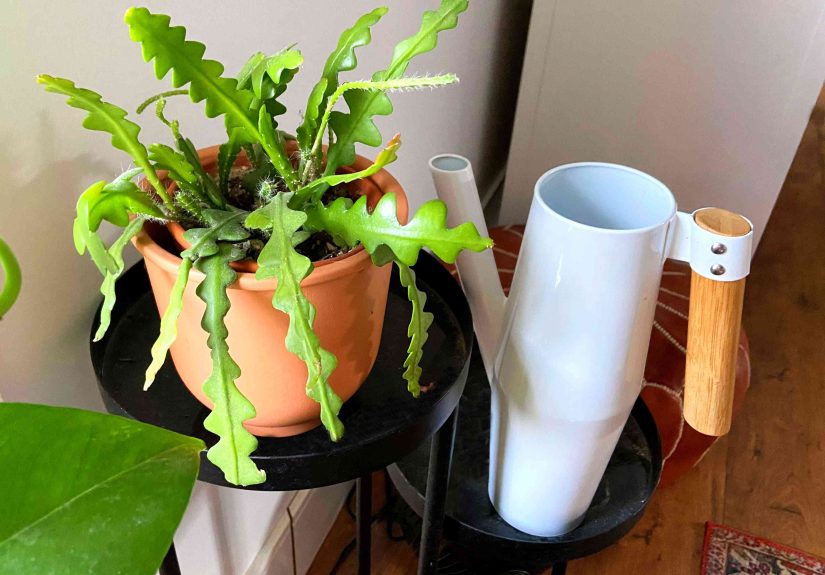
Fishbone cactus is commonly sold under the botanical names Disocactus anguliger or Epiphyllum anguliger. It also goes by ric rac cactus, zigzag cactus, and orchid cactus. All of those names are fair game, and yes, they all sound like plants that would absolutely judge your decor in the nicest possible way.
What makes it stand out are its flattened, deeply lobed stems. They look leafy, but they are actually modified cactus stems that store moisture. In nature, this plant grows more like an epiphyte than a desert dweller. Instead of baking in dry sand, it naturally lives in trees or rocky crevices where water drains quickly and humidity hangs in the air. That one detail explains almost everything about how to care for it indoors.
Fishbone Cactus Care at a Glance
- Light: Bright, indirect light; gentle morning sun is fine
- Water: Water thoroughly, then let the top inch or two dry before watering again
- Soil: Chunky, airy, fast-draining mix with organic matter
- Humidity: Moderate to high humidity is ideal
- Temperature: Best in warm indoor conditions; protect from cold
- Fertilizer: Light feeding in spring and summer
- Best container: Hanging basket or pot with excellent drainage
- Pet safety: Generally considered non-toxic, though chewing any plant can still cause stomach upset
How Much Light Does a Fishbone Cactus Need?
Bright, indirect light is the sweet spot. Think of the kind of light near an east-facing window, or a few feet back from a south- or west-facing window with a sheer curtain. This plant wants good light, but it does not want to be roasted like a marshmallow.
Too little light and your fishbone cactus may become stretched, sparse, and slow-growing. The stems can lose that full, lush look and turn into a sad green attempt at modern art. Too much harsh direct sun, especially in the afternoon, can scorch the stems and leave them looking bleached or crispy.
Best indoor placement
A bright bathroom, kitchen, or living room with filtered light usually works well. If your home is on the dim side, a grow light can help. More light often improves blooming potential, but the key word is indirect.
The Best Soil for Fishbone Cactus
The fastest way to annoy this plant is to shove it into heavy, soggy soil and call it a day. Fishbone cactus likes a potting mix that drains quickly but still holds a little moisture. It wants airflow around the roots, not mud.
A good mix usually includes:
- Regular indoor potting mix or cactus mix
- Orchid bark
- Perlite or pumice
- A little coco coir or peat-based material for moisture balance
You are aiming for a mix that feels loose and chunky, not dense and packed. If water sits in the pot for too long, root rot becomes much more likely.
Choose the right pot
Always use a pot with drainage holes. Hanging baskets are especially good because they show off the trailing stems and help prevent water from lingering at the bottom. Terra-cotta dries faster than plastic, so it can be a good choice if you tend to overwater.
How Often to Water a Fishbone Cactus
This is where many people get confused. Because it is a cactus, they assume it wants bone-dry neglect. Because it is tropical, other people assume it wants constant moisture. The truth lives right in the middle.
Water your fishbone cactus thoroughly, then wait until the top inch or two of the mix dries out before watering again. During spring and summer, that may mean watering every week or two, depending on your light, temperature, pot size, and humidity. In fall and winter, growth slows down, so the plant usually needs less water.
Signs your plant needs water
- Stems look a bit limp or less plump
- The pot feels very light
- The top layer of mix feels dry several inches down
Signs you are watering too much
- Yellowing stems
- Mushy or translucent sections
- A sour smell from the soil
- Fungus gnats suddenly treating the pot like a nightclub
When in doubt, check the mix before watering. Blind loyalty to a schedule is how plants end up writing breakup songs.
Temperature and Humidity Needs
Fishbone cactus likes warm indoor temperatures and does not appreciate cold drafts or freezing conditions. Normal household temperatures are usually fine. If your room feels comfortable to you, it is probably acceptable to the plant too.
Humidity matters more here than it does for desert cacti. This plant can survive in average indoor humidity, but it tends to look and grow better when the air is not desert-dry. If your home gets very dry, especially in winter, you can raise humidity by grouping plants together, using a humidifier, or placing the plant in a naturally more humid room.
Just avoid the classic mistake of increasing moisture everywhere except the roots. High humidity does not cancel out soggy soil. The roots still need oxygen and drainage.
How to Fertilize Fishbone Cactus
This is not a heavy feeder, so step away from the fertilizer bottle like it just insulted your mother. A light hand works best.
Feed during the active growing season in spring and summer using a diluted houseplant or cactus fertilizer. Once a month is plenty for many growers. Cut back or stop feeding in late fall and winter when growth slows.
If your goal is blooms, many growers switch to a lower-nitrogen formula as the budding season approaches. Too much nitrogen can encourage leafy growth at the expense of flowers, which is great if you want more zigzags and less drama, but not ideal if you are hoping for a floral encore.
How to Get a Fishbone Cactus to Bloom
Let’s be honest: most people buy fishbone cactus for the stems, then become delightfully obsessed with the possibility of blooms. The flowers are usually large, fragrant, and night-opening. They feel a bit theatrical, which is exactly what a plant this stylish deserves.
If your plant refuses to bloom, don’t take it personally. Fishbone cactus often needs maturity before flowering, and indoor blooming can be inconsistent. Still, you can improve your odds.
Blooming tips that actually help
- Give it bright, indirect light year-round
- Let it become slightly root-bound rather than constantly upsizing the pot
- Reduce watering a bit in late fall and early winter
- Keep it slightly cooler for a short rest period
- Avoid overfeeding with nitrogen
Once buds appear, try not to move the plant too much. Buds can be fussy little divas and sometimes drop if conditions change suddenly.
Pruning, Repotting, and General Maintenance
Fishbone cactus does not need constant grooming, which is excellent news for anyone who can barely keep up with laundry. Prune only to remove damaged growth, control size, or take cuttings for propagation.
Repot every few years, or when the mix has broken down and become compacted. You do not need to race into a bigger pot the moment one root peeks out. In fact, this plant often performs better when it is a little snug. When you do repot, go up only one size and refresh the mix.
How to Propagate Fishbone Cactus
Propagation is one of the most satisfying parts of growing this plant. If you’ve ever wanted to multiply a houseplant without turning your home into a research lab, this is your moment.
Stem cutting method
- Cut a healthy section of stem with clean scissors.
- Let the cut end dry for a short period so it can callus.
- Place the cutting into a lightly moist, airy potting mix.
- Keep it in bright, indirect light.
- Water sparingly until roots begin to form.
You can also root cuttings in water, but many growers prefer rooting directly in mix to reduce transplant shock. Either way, patience helps. This is a plant project, not a microwave burrito.
Common Problems With Fishbone Cactus
Wrinkled or shriveled stems
This usually means the plant is too dry, though root problems can cause the same symptom. Check the mix and the roots before assuming more water is the answer.
Yellow, mushy growth
That is usually overwatering or poor drainage. Reduce watering, inspect the roots, and repot into fresher, airier mix if necessary.
Bleached or scorched patches
Too much direct sun. Move the plant to a spot with filtered light.
Leggy, thin growth
Not enough light. Move it closer to a brighter window or add a grow light.
Pests
Keep an eye out for mealybugs, aphids, scale, spider mites, and fungus gnats. Most minor infestations can be handled with isolation, manual removal, and appropriate houseplant treatment. Healthy plants in airy soil are usually less likely to become pest magnets.
Fishbone Cactus Care Mistakes to Avoid
- Using heavy potting soil with poor drainage
- Letting the pot sit in water
- Placing the plant in harsh afternoon sun
- Treating it exactly like a desert cactus
- Repotting too often into oversized containers
- Overfeeding in hopes of faster growth
In short, this plant likes balance. Not bone dry. Not swampy. Not dark. Not blazing. It is the Goldilocks cactus, and once you accept that, everything gets easier.
Real-World Experiences Growing Fishbone Cactus
One of the most common experiences people have with fishbone cactus is that they underestimate it at first. A small plant in a nursery pot can look cute and quirky, but not particularly dramatic. Then a few months pass, the stems begin to trail, and suddenly it becomes the plant everyone comments on. Guests ask whether it is real. Someone inevitably says it looks like a green zipper, a fish skeleton, or a piece of living rickrack. It is not a quiet plant. Even when it is not blooming, it steals attention.
Another very relatable experience is the watering learning curve. Many indoor gardeners either overwater it because it is tropical or underwater it because it is a cactus. The breakthrough usually comes when they stop thinking in labels and start paying attention to how the plant actually grows. Once people realize it likes an airy mix and regular but not excessive moisture, the plant often becomes much easier to manage. It is one of those houseplants that teaches better habits without being impossibly fussy.
Many growers also notice that fishbone cactus changes personality depending on where it lives in the house. In a dim corner, it survives but tends to grow slowly and look less full. Move it closer to bright, filtered light, and the stems often become more vigorous and lush. That experience alone convinces a lot of people that “bright indirect light” is not just plant-care poetry. It actually matters.
Then there is the bloom chase. Plenty of people grow fishbone cactus for years before seeing a flower, and that can feel slightly unfair when you have been faithfully rotating, watering, and admiring the thing like a proud stage parent. But when buds do appear, the excitement is very real. People check the plant repeatedly, take far too many photos, and plan their evening around a flower that may only last a short time. The bloom feels like an event, not just a decoration. It is the botanical version of a surprise concert.
Propagation is another part of the fishbone cactus experience that tends to hook people. Once the plant gets going, trimming a stem for size control can feel less like a chore and more like an opportunity. Rooting a cutting and watching it become a whole new plant is deeply satisfying. It is also how many fishbone cacti get passed from one home to another. A friend admires the plant, you snip a section, and suddenly you are the kind of person who casually says, “I can make you one.” Dangerous power, honestly.
Perhaps the best long-term experience with fishbone cactus is that it feels unusual without being exhausting. It brings texture, shape, and a little weird charm to a room, but it does not demand constant babysitting. Once you get its rhythm right, it settles in and becomes one of those plants you genuinely look forward to checking on. And in a world full of predictable houseplants, that odd little zigzag cactus starts to feel like the coolest roommate in the house.
Conclusion
Fishbone cactus proves that cactus care does not have to mean blazing sun, desert dryness, and emotional distance. This plant wants a gentler approach: bright indirect light, breathable soil, moderate watering, and a little patience. Give it those basics and it will reward you with bold trailing growth, easy propagation, and maybe even those unforgettable night blooms.
If you want a houseplant that is equal parts low-key and conversation-starting, fishbone cactus is an excellent pick. It has style, personality, and just enough drama to keep things interesting without turning your windowsill into a full-time support group.