Table of Contents >> Show >> Hide
- Why Your First Dinner Party Does Not Need to Be Perfect
- 1. Keep the Guest List Small
- 2. Choose a Simple Menu You Already Trust
- 3. Ask About Dietary Restrictions Early
- 4. Pick One “Wow” Element and Keep the Rest Easy
- 5. Make a Real Plan, Not a Vague Hope
- 6. Prep as Much as Possible Ahead of Time
- 7. Set the Table Before the Party Starts
- 8. Create a Self-Serve Drink Station
- 9. Start with an Easy Appetizer
- 10. Focus on Lighting, Music, and Seating
- 11. Time Dinner Realistically
- 12. Use Smart Shortcuts Without Shame
- 13. Remember That You Are Hosting, Not Performing
- A Simple First Dinner Party Menu Idea
- Final Thoughts on Hosting Your First Dinner Party
- Common First Dinner Party Experiences: What New Hosts Usually Learn
Hosting your first dinner party can feel a little like starring in a cooking show you did not audition for. Suddenly you are thinking about plates, playlists, dietary restrictions, ice, candles, oven timing, and whether your dining chairs have always looked this judgmental. The good news is this: a great dinner party is not about performing like a restaurant or building a tablescape that deserves its own zip code. It is about making people feel welcome, well-fed, and comfortable enough to ask for seconds.
If you are wondering how to host your first dinner party without turning into a stressed-out goblin in an apron, start here. The best dinner party tips are surprisingly simple. Keep the guest list manageable, choose a menu you can actually pull off, prep ahead, and focus more on the mood than on perfection. In other words, your goal is not to impress people into silence. Your goal is to create a warm, relaxed evening where the food tastes good and nobody has to eat standing over the sink.
This guide breaks down 13 simple tips for hosting your first dinner party, plus real-world lessons from what first-time hosts usually experience. Whether you are planning a casual gathering with friends or a slightly fancier sit-down meal, these hosting tips will help you pull off a night that feels easy, thoughtful, and genuinely fun.
Why Your First Dinner Party Does Not Need to Be Perfect
Let’s clear up one myth right away: the best dinner parties are rarely the most complicated ones. Guests remember how your home felt, how the conversation flowed, and whether they were comfortable. They do not go home and whisper, “The butter was not hand-churned, so the whole evening was a failure.” A successful first dinner party is built on smart planning, simple food, and a calm host. Fancy is optional. Thoughtful is not.
1. Keep the Guest List Small
For your first dinner party, resist the urge to invite every person you have ever liked, met, or followed online. A smaller guest list is easier to manage and usually creates a better atmosphere. Four to six guests is a sweet spot for beginners. It is enough people to keep the conversation lively, but not so many that you feel like an undertrained cruise director.
A smaller group also makes menu planning, seating, and serving much easier. You will have more room to actually host instead of just hustling. When you are learning how to host a dinner party for the first time, simplicity is your best friend.
2. Choose a Simple Menu You Already Trust
Do not let your first dinner party become the debut of your experimental saffron-lobster-lasagna era. This is not the time to test a recipe that requires twelve steps, three specialty stores, and emotional support. Choose dishes you have made before or ones with straightforward methods and forgiving timing.
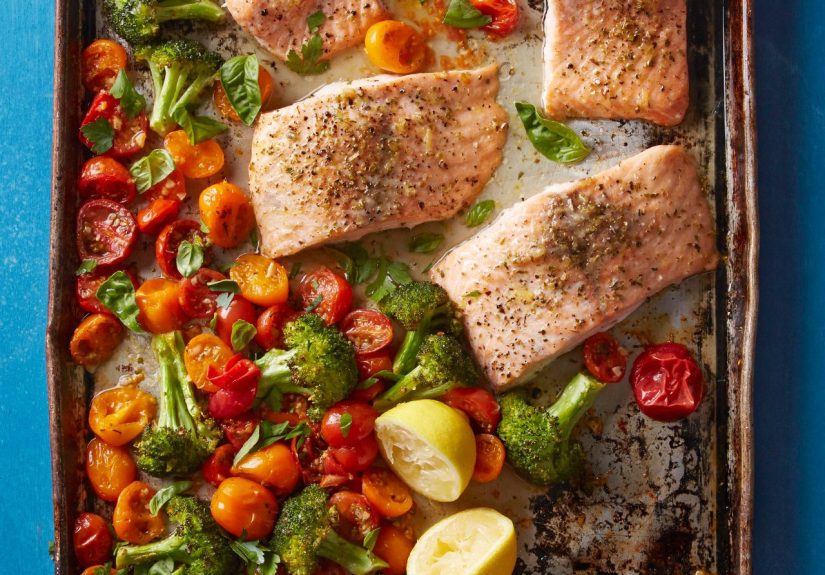
A smart dinner party menu usually includes one main dish, one or two sides, bread or salad, and a simple dessert. Roast chicken, baked salmon, pasta bakes, grain salads, sheet-pan meals, braised dishes, and make-ahead soups are all excellent choices. The goal is food that tastes special without forcing you to spend the evening chained to the stove like a noble kitchen martyr.
3. Ask About Dietary Restrictions Early
This tip is not glamorous, but it is absolutely essential. Before you finalize the menu, ask guests whether they have allergies, intolerances, or dietary preferences. Vegetarian, gluten-free, dairy-free, nut allergy, no pork, no alcohol, low spice level, deeply suspicious of mushroomsbetter to know now than when someone is quietly dissecting your casserole with panic in their eyes.
Good hosting means making sure everyone has something satisfying to eat and drink. You do not need to create seven separate menus. You just need a thoughtful plan. A meal that is naturally flexible, such as a grain bowl spread, roasted protein with vegetable sides, or a pasta with optional add-ons, can make this much easier.
4. Pick One “Wow” Element and Keep the Rest Easy
If you want your dinner party to feel special, choose one standout element rather than trying to make every single detail dramatic. That “wow” could be a gorgeous roast chicken, a signature cocktail, a beautiful dessert, or a beautifully set table with candles and cloth napkins.
Once you choose your hero, let the supporting cast do less. If you are making an impressive main course, keep the sides simple. If you are creating a stunning dessert board, do not also attempt a three-course plated finale. This strategy keeps your energy focused and gives the whole evening a polished feel without requiring Olympic-level hosting stamina.
5. Make a Real Plan, Not a Vague Hope
One of the biggest differences between relaxed hosts and frazzled hosts is the presence of a plan. Write out your menu, grocery list, prep tasks, serving dishes, drink setup, and timeline. Yes, an actual timeline. Hope is lovely. Hope is not a cooking schedule.
Break the work into stages. Decide what you can buy two days ahead, what can be chopped the day before, what needs to be cooked earlier in the day, and what must happen right before serving. Even a five-minute checklist can save you from standing in the kitchen at 6:42 p.m. wondering why the bread is still frozen and there is no ice.
6. Prep as Much as Possible Ahead of Time
If there is one golden rule of easy entertaining, this is it: do as much as you can before guests arrive. Wash herbs, chop vegetables, mix dressings, set out serving pieces, make dessert early, chill drinks, and prep garnishes in advance. Many appetizers, salads, soups, sauces, and desserts can be partly or fully made ahead.
This is how you host your first dinner party and still get to attend it. Your future self will be deeply grateful when the doorbell rings and you are not elbow-deep in onion tears. A make-ahead strategy turns the evening from a sprint into a glide.
7. Set the Table Before the Party Starts
Set the table early. Like, all the way early. Plates, napkins, glasses, serving utensils, candles, water pitcher, salt, pepperthe whole thing. This accomplishes two important goals. First, it saves you from scrambling later. Second, it instantly makes your home feel ready and welcoming.
You do not need a magazine-worthy tablescape. A clean table, a simple centerpiece, and enough room for people to actually eat without fighting a decorative branch arrangement is more than enough. First-time hosts often overestimate how much decor matters and underestimate how much function matters. Guests appreciate beauty, but they really appreciate elbow room.
8. Create a Self-Serve Drink Station
Nothing traps a new host faster than becoming the evening’s full-time bartender. A self-serve drink station is one of the easiest dinner party hacks around. Set out water, ice, wine, sparkling water, a batch cocktail, or a simple mocktail, along with glasses and garnishes if you want to be extra charming.
This immediately gives guests something to do when they arrive and takes pressure off you. It also helps people settle in naturally. If alcohol is part of your gathering, add a nonalcoholic option that feels intentional rather than like a sad afterthought. A citrus spritz, infused water, or zero-proof punch can be just as festive.
9. Start with an Easy Appetizer
A good appetizer buys you time, gives guests a warm welcome, and prevents everyone from turning into tiny hungry philosophers by the time dinner is served. The trick is to choose something easy. Cheese and crackers, warm olives, crostini, dips with vegetables, nuts, marinated beans, or a simple snack board work beautifully.
You do not need a parade of hors d’oeuvres. You just need one starter that looks inviting and can sit out for a bit. Appetizers should reduce stress, not create a second meal before the actual meal.
10. Focus on Lighting, Music, and Seating
Atmosphere matters more than perfection. Soft lighting, comfortable seating, and background music can do more for your dinner party than a complicated garnish ever will. Bright overhead lighting can make dinner feel like a tax appointment. Dimmer, warmer light makes people relax. Candles help. Lamps help. Harsh fluorescent truth-telling does not.
Music should support the mood, not audition for center stage. Build a playlist that feels warm and upbeat without hijacking the conversation. Also, think about seating before guests arrive. Make sure people can get in and out of their spots comfortably and that the setup encourages easy conversation.
11. Time Dinner Realistically
One of the sneakiest hosting mistakes is being weirdly optimistic about time. If guests are arriving at 7:00, dinner is probably not magically hitting the table at 7:03 unless your last name is professionally catered. Build in cushion. Let people arrive, settle in, grab a drink, chat a little, and snack before the meal.
A realistic flow might look like this: guests arrive, drinks and appetizers for 30 to 45 minutes, dinner, then dessert or coffee. The extra buffer helps the evening feel intentional rather than delayed. Hosting gets much easier when you stop treating your schedule like a dare.
12. Use Smart Shortcuts Without Shame
Store-bought dessert? Fine. Bakery bread? Excellent. Pre-washed greens? Bless them. Your first dinner party is not a moral test. Smart shortcuts are part of good hosting because they help you preserve time and energy for the parts that actually matter.
The trick is to use shortcuts strategically. Pair homemade elements with quality store-bought ones. Maybe you make the main dish but buy dessert. Maybe you mix your own vinaigrette but pick up a loaf of great bread. Maybe your “homemade appetizer board” includes three things you absolutely did not make, and nobody cares because it tastes good.
13. Remember That You Are Hosting, Not Performing
The final tip is the most important one. A dinner party is not a stage production where the host must sparkle without blinking. People came to spend time with you, not evaluate your napkin-folding range. Once guests arrive, shift from prep mode into host mode. Sit down. Eat. Laugh. Let little imperfections pass.
If something runs late, joke about it. If the salad is less than photogenic, serve it anyway. If the bread gets a little too toasted, call it rustic and move forward with confidence. The host sets the emotional tone. When you are relaxed, your guests usually relax too.
A Simple First Dinner Party Menu Idea
Starter
Cheese board with crackers, grapes, and olives.
Main
Roast chicken or baked salmon with roasted potatoes and a crisp green salad.
Dessert
Store-bought tart, brownies, or make-ahead fruit crumble with ice cream.
This kind of menu works because it feels generous, familiar, and manageable. It also leaves room for conversation, which is the real engine of a memorable dinner party.
Final Thoughts on Hosting Your First Dinner Party
If you are learning how to host your first dinner party, remember this: the night does not need to be flawless to be wonderful. People respond to generosity, comfort, and ease far more than to perfection. Keep the guest list small, choose a menu you trust, prep ahead, create a welcoming atmosphere, and let yourself enjoy the evening too.
That is the secret of great entertaining. It is not about doing the absolute most. It is about doing the right things well. Feed people, make them feel included, and keep the evening moving with warmth and good humor. That is a dinner party people remember for the right reasons.
Common First Dinner Party Experiences: What New Hosts Usually Learn
Almost every first-time dinner party host has the same emotional journey. It begins a week before the event, when inviting a few friends somehow feels chic and grown-up. Then the shopping list starts expanding. Suddenly you are comparing olives, wondering whether cloth napkins mean you have become a formal person, and standing in your kitchen trying to calculate how many wine glasses count as “enough.” This is normal. Hosting your first dinner party often feels bigger in your head than it does once the night actually begins.
A very common experience is overpreparing in one area and underpreparing in another. Many new hosts spend too much time on details that look impressive and not enough time on the parts that make the evening flow. They polish the table, arrange the candles, and create a playlist with the seriousness of a movie soundtrack, but forget to chill the drinks or read the full recipe. Then guests arrive and the host realizes the potatoes take forty minutes longer than expected. This also is normal. The first dinner party teaches you quickly that logistics are what make hospitality feel effortless.
Another classic first-time hosting experience is discovering that guests do not care nearly as much about perfection as the host does. A slightly messy appetizer board still disappears. A crooked cake still gets eaten. A last-minute switch from one side dish to another rarely ruins the evening. In fact, some of the best moments come from the imperfections. Maybe someone helps open a stubborn bottle of wine. Maybe you laugh because the timer keeps going off during the most serious conversation of the night. Those little unscripted moments often make the evening feel more personal and real.
New hosts also learn that pacing matters. People like having a few minutes to settle in, hold a drink, and talk before dinner starts. If the meal appears the second they walk in, the evening can feel rushed. On the other hand, if everyone is waiting too long with no snack in sight, the energy can dip fast. One of the best lessons from a first dinner party is that hosting is partly about managing comfort. Hunger, noise, temperature, lighting, and seating all shape the mood more than first-time hosts expect.
There is also usually a turning point during the night when the host realizes, “Oh, I can stop fussing now.” It often happens once the main dish is on the table and everyone starts eating. The conversation picks up, the room softens, and the pressure drops. That is when many first-time hosts understand what entertaining is really about. It is not about controlling every moment. It is about creating the conditions for people to enjoy one another.
By the end of the night, most new hosts have learned the same handful of lessons. Simple food is often the smartest choice. Make-ahead dishes are gold. Guests remember warmth more than polish. A self-serve drink station is basically a tiny miracle. And perhaps most importantly, being a calm, present host matters more than pretending everything is perfect. Your first dinner party may not look like a magazine spread, but it can still be lively, generous, delicious, and deeply memorable. Honestly, that is better. Nobody wants to eat inside a showroom. They want to feel welcome in a real home.