Table of Contents >> Show >> Hide
- First: What a Craving Actually Is (and What It Isn’t)
- The 60-Second Craving Decoder: Ask These 5 Questions
- What Different Cravings Might Mean (Without the Woo-Woo)
- Do Cravings Mean You’re Deficient in Something?
- How to Respond to Cravings Without Starting a Food War With Yourself
- When a Craving Is a Red Flag (Not Just a Quirk)
- Quick Examples: Translating Cravings Into Action
- Experience Section: Real-World Craving Stories (and What Typically Helps)
- Conclusion: Treat Cravings Like Data, Not Drama
Food cravings are basically your body’s push notifications. Sometimes they’re useful (“Hey, we haven’t eaten since the Jurassic period”), sometimes they’re dramatic (“If we don’t get cookies in the next 4 minutes, I will simply perish”), and sometimes they’re… confusing (“Why do I want something salty AND sweet AND crunchy AND also possibly a second dinner?”).
The good news: cravings aren’t random lightning bolts from the Snack Gods. They usually follow patternsdriven by biology (hormones, blood sugar, sleep), psychology (stress, emotions), and plain old habit (your brain remembers that the pantry contains joy). This guide will help you interpret food cravings with a level head, a sense of humor, and a few practical moves that don’t involve wrestling yourself in the kitchen at 11 p.m.
First: What a Craving Actually Is (and What It Isn’t)
A craving is a strong desire for a specific food (chips, chocolate, ice cream, that exact brand of spicy ramen). Hunger is your body asking for fuel in general. Hunger is like: “Food, please.” Craving is like: “Food, yesBUT ONLY THE CRUNCHY SALTY THING WITH THE RED BAG.”
Cravings can be triggered by:
- Body signals: energy needs, appetite hormones, dehydration, recovery from exercise.
- Brain reward: highly palatable foods (often salty/sugary/fatty) light up reward pathways, making “wanting” feel urgent.
- Stress and emotions: cortisol, coping, comfort, distraction.
- Environment and habit: cues like TV time, the office candy bowl, driving past your favorite drive-thru.
- Hormonal shifts: menstrual cycle, pregnancy, and other changes can nudge appetite and preferences.
Also: cravings do not automatically mean you’re “weak” or “undisciplined.” Often, they mean you’re human with a brain that’s excellent at remembering which foods feel good fast.
The 60-Second Craving Decoder: Ask These 5 Questions
Before you interpret a craving like it’s a cryptic fortune cookie, do a quick check-in. It takes a minute and saves you from turning a normal snack urge into a full-blown pantry raid.
1) When did I last eat a real meal?
If it’s been 4–6+ hours (or the last “meal” was coffee and vibes), your craving might just be hunger wearing a costume.
2) Did I sleep like a champ… or like a raccoon?
Short sleep tends to increase appetite and make high-calorie foods more tempting. If you slept poorly, your craving may be “I’m tired” translated into “I need sugar.”
3) What’s my stress level right now?
If you’re tense, anxious, lonely, bored, or overwhelmed, cravings may be comfort-seeking. The food isn’t the enemyyour nervous system is just looking for relief.
4) What exactly am I cravingand what does it do for me?
Sweet = quick energy and mood lift. Salty/crunchy = sensory relief. Warm/carby = comfort and calm. Sometimes it’s not about nutrientsit’s about feelings and texture.
5) Is it a “want” craving or a “can’t think of anything else” craving?
Intensity matters. Occasional cravings are normal. If cravings feel compulsive, distressing, or frequent enough to disrupt your life, it’s worth exploring deeper causes (and possibly getting support).
What Different Cravings Might Mean (Without the Woo-Woo)
Let’s translate the most common cravings into likely driversand what to do next. Think of this as your “Cravings: Director’s Commentary” edition.
Sweet Cravings (Candy, Cookies, Soda, Dessert)
Common interpretations:
- Blood sugar swings: skipping meals or eating mostly refined carbs can lead to energy crashes that scream for quick sugar.
- Stress + reward: sweets can feel soothing in the momentyour brain learns that pattern quickly.
- Sleep debt: tired brains often chase quick energy and higher “reward” foods.
- Restriction backlash: overly rigid dieting can make sweets feel forbidden, which boosts their mental “volume.”
Try this: Pair sweetness with staying power. Instead of “sugar vs. willpower,” aim for “sweet + balanced.” Examples:
- Greek yogurt + fruit (and maybe a drizzle of honey)
- Apple + peanut butter
- Chocolate square + handful of nuts
- Protein-forward breakfast to reduce late-day cravings
Chocolate Cravings (The Celebrity of Cravings)
Chocolate cravings get blamed on everything from magnesium deficiency to Mercury retrograde. Realistically, chocolate is a perfect storm: sugar + fat + aroma + nostalgia + quick mood shift.
Common interpretations:
- Menstrual cycle shifts: cravings often rise in the luteal phase (the days before a period), when mood and energy can dip.
- Stress and comfort: chocolate is a socially acceptable hug.
- Habit: “afternoon slump = chocolate” is a very trainable brain pattern.
Try this: If chocolate is what you want, make it intentional. Put it on a plate. Eat it without scrolling. Pair it with a protein snack if you’re also hungry. The goal isn’t to ban chocolateit’s to stop it from becoming an accidental “blackout snack.”
Salty Cravings (Chips, Fries, Pretzels, Pickles)
Common interpretations:
- Dehydration: people often confuse thirst, low fluid intake, or post-sweat recovery with “I need salty snacks.”
- Stress + crunch: salty crunchy foods double as sensory stress relief.
- High-salt habit: the more salty foods you eat, the more “normal” that level of salt tastes.
- After intense exercise: especially if you’ve been sweating a lot and didn’t rehydrate well.
Try this: Start with water. If you exercised hard or it’s hot out, consider a balanced recovery snack (fluid + carbs + protein). If it’s stress, try the “crunch swap”: air-popped popcorn, roasted chickpeas, nuts, or veggies with a salty dip. You still get the crunch therapyjust with more staying power.
Note: Persistent extreme salt cravings can occasionally relate to medical issues or medication effects. If salt cravings feel intense, frequent, or out of characterespecially with symptoms like dizziness, fatigue, or low blood pressurecheck in with a clinician.
Carb Cravings (Bread, Pasta, Rice, Cereal)
Common interpretations:
- You need energy: carbs are efficient fuel, especially if you’re active.
- You’re under-eating: restricting carbs can make your brain fixate on them (because it likes not fainting).
- Comfort + serotonin association: carb-rich foods often feel calming, especially during stress or premenstrual days.
Try this: Instead of fighting carbs, upgrade them. Pair carbs with protein, fiber, and fat for steadier energy:
- Oatmeal + nuts/seeds + berries
- Whole-grain toast + eggs/avocado
- Rice bowl + chicken/tofu + veggies
- Pasta + beans + salad
Fatty/Fried Cravings (Fast Food, Pizza, Burgers)
Common interpretations:
- High reward value: salty + fatty + savory foods are designed (by nature and food science) to be very compelling.
- Decision fatigue: when you’re mentally drained, your brain wants the most rewarding option with the least effort.
- Under-fueling: if you’ve been eating “diet air,” your body may push you toward more calorie-dense foods.
Try this: Use the “make it easier to win” strategy. Keep quick, satisfying meals available: frozen veggie mixes, rotisserie chicken, pre-cooked grains, canned beans, bagged salads. Cravings often peak when your options are: (1) cook from scratch for an hour or (2) drive-thru. Give yourself a third option.
Crunchy/Texture Cravings (Chips, Crackers, Ice)
Common interpretations:
- Sensory regulation: crunch can relieve tension, boredom, or restlessness.
- Habit cue: “Netflix = crunchy snack” is basically a lifestyle subscription.
- Ice cravings specifically: frequent, intense ice chewing can be linked to iron deficiency (a form of pica called pagophagia).
Try this: If it’s general crunch, do a structured snack (portion + plate) and consider non-food sensory relief too: gum, herbal tea, a quick walk, stretching, or even a cold drink.
If it’s ice all the time: that’s a medical check-in moment. Persistent ice cravings aren’t just a quirky personality traitthey can be a sign worth evaluating.
Do Cravings Mean You’re Deficient in Something?
This is where the internet gets… enthusiastic. The idea that “your body craves what it needs” is half true. Your body can signal general needs (energy, hydration), but it’s not a precise nutrient GPS that reliably says, “We need 18 mg of iron; please select steak in aisle 4.”
What’s supported more strongly: certain non-food cravings (like ice, dirt, chalk) can be associated with deficiencies, including iron. That’s why persistent unusual cravings deserve medical attention rather than a TikTok diagnosis.
What’s usually more accurate: most everyday cravings are driven by a mix of sleep, stress, hormones, habits, food environment, and balanced eating patterns. Which is less dramatic than “your chakra needs chocolate,” but more useful.
How to Respond to Cravings Without Starting a Food War With Yourself
Interpreting cravings isn’t just about meaningit’s about what you do next. Here’s a practical approach that doesn’t rely on heroic levels of willpower.
Step 1: The “Pause + Basic Needs” check
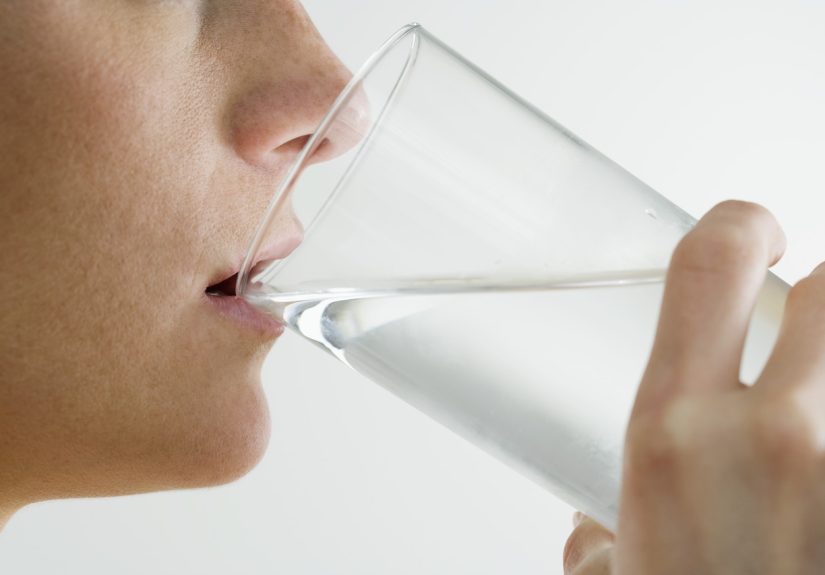
- Drink water.
- Ask: “Am I actually hungry?”
- If you’re hungry, eat a real snack/meal.
Step 2: Build a “Craving-Proof” Plate (Most of the Time)
Meals that include protein + fiber + healthy fat tend to keep you fuller longer and reduce the constant “snack-me-now” loop. This isn’t about perfection. It’s about reducing the frequency of cravings that are really just hunger wearing eyeliner.
Step 3: Add permission (yes, permission)
Rigid restriction can make cravings louder. A flexible planwhere you can include treats intentionallyoften leads to fewer “screw it” moments. Think: planned enjoyment, not “accidental spiral.”
Step 4: Address the real driver (stress, sleep, routine)
If cravings spike when stress spikes, the solution isn’t just “eat less.” It’s: add stress relief that actually worksmovement, social support, therapy, mindfulness, sleep hygiene, boundaries, or even a two-minute breathing reset. Food can be comfort, but it can’t file your taxes or fix your boss.
Step 5: Try mindful eating (without becoming a monk)
Mindful eating isn’t chanting over almonds. It’s paying enough attention to notice hunger, satisfaction, and emotional triggersso you can choose rather than react. Start small: one snack per day eaten without screens, tasting each bite like you paid money for it (because you did).
When a Craving Is a Red Flag (Not Just a Quirk)
Most cravings are normal. But consider getting professional input if you notice:
- Cravings for non-food items (ice, dirt, paper, chalk).
- Compulsive eating that feels out of control or causes distress.
- Frequent binge episodes or secretive eating patterns.
- New, intense cravings with symptoms like fatigue, dizziness, or rapid weight changes.
- Pregnancy cravings that include non-food items or make balanced eating difficult.
If any of that hits close to home, you’re not “broken.” You’re getting useful informationand support can help.
Quick Examples: Translating Cravings Into Action
Scenario A: “I want sweets every afternoon.”
Possible interpretation: energy dip + habit cue + maybe lunch didn’t include enough protein/fiber.
Try: add protein at lunch, eat a planned snack at 3 p.m. (yogurt + fruit, trail mix, cheese + crackers), and keep a small treat if you want oneintentionally.
Scenario B: “I’m craving salty snacks at night.”
Possible interpretation: dehydration, stress decompression, or “TV = snack” conditioning.
Try: water + planned crunchy snack portion (popcorn, nuts), plus a non-food wind-down routine (shower, stretching, tea).
Scenario C: “Chocolate cravings hit hard before my period.”
Possible interpretation: hormonal and mood shifts + comfort seeking.
Try: normalize it, plan for it, and support it: balanced meals, adequate sleep, and a satisfying chocolate option you enjoy without guilt.
Experience Section: Real-World Craving Stories (and What Typically Helps)
Below are common “craving diaries” people describe. They’re not medical case studiesjust realistic patterns that show how cravings often make sense once you zoom out and look at the whole day.
1) The Afternoon Cookie Loop
Jamie (a chronically busy professional and part-time email firefighter) noticed a daily 3:30 p.m. cookie craving. At first, it felt like a mysterious sugar obsession. But the pattern was consistent: lunch was a quick sandwich or salad eaten at the desk, and mornings were fueled by coffee plus the vague memory of breakfast. By mid-afternoon, energy dipped hard, stress was high, and the cookie offered fast relief. The “interpretation” wasn’t “Jamie lacks willpower.” It was “Jamie’s day is under-fueled and over-caffeinated.” What helped most was adding protein earlier (Greek yogurt, eggs, or a higher-protein lunch) and planning a structured afternoon snack. Interestingly, once the snack was predictable, the cookie stopped feeling like an emergency. Sometimes Jamie still chose the cookiejust without the desperate edge.
2) The Late-Night Crunch Quest
Chris had a nightly craving for chips that appeared with almost comedic punctuality: the moment the TV turned on. It didn’t matter how dinner wentsalad, pasta, takeout, home-cookedchips were “part of the show.” The key clue wasn’t hunger; it was routine. The craving was basically a cue: couch + screen = crunch. Chris didn’t need a lecture. Chris needed a plan. What worked was swapping “endless bag eating” for a portioned crunchy snack (popcorn, pretzels, roasted nuts) and creating an alternate cue: tea in a favorite mug during the first episode. Over time, the craving didn’t disappear, but it softened. The brain learned a new script: TV can also mean tea, not just chips.
3) The Pre-Period Chocolate Summit
Taylor noticed cravings intensify in the week before their periodespecially for chocolate and carb-heavy comfort foods. There was also lower mood, worse sleep, and that classic “everyone is annoying” feeling. Instead of treating the craving as a moral failure, Taylor treated it like a forecast: “My appetite and emotions change in this window.” The winning move wasn’t banning chocolate. It was planning for it: steadier meals, extra sleep protection (earlier bedtime when possible), and keeping a chocolate option that felt satisfying (not the dusty “diet chocolate” that tastes like regret). Surprisingly, the craving became easier to handle once it was expected and allowed. When you stop arguing with your biology, you spend less energyand you’re less likely to overdo it.
4) The “Why Am I Chewing Ice?” Plot Twist
Jordan started craving ice constantly. It wasn’t occasional; it was a daily must-have, like a hobby. At first, it seemed harmlessuntil it became relentless and Jordan also felt unusually tired. This is where cravings can be meaningful in a medical sense. Persistent ice chewing can be linked to iron deficiency (and sometimes other issues), so Jordan got checked out. Addressing the underlying deficiency helped, and the ice obsession faded. The takeaway: most cravings are about routine, stress, and appetite regulationbut some cravings (especially non-food cravings) are a signal you shouldn’t ignore.
Bottom line from these stories: cravings often become easier to interpret when you track them with curiosity instead of judgment. Look for patterns in sleep, stress, meal timing, hormones, and environment. Then build one small support at a timebecause you’re not a robot, and eating isn’t a math problem.
Conclusion: Treat Cravings Like Data, Not Drama
Food cravings aren’t a personality flawthey’re information. Sometimes they mean you’re hungry. Sometimes they mean you’re tired. Sometimes they mean your menstrual cycle is doing its thing. Sometimes they mean your brain learned that snacks = comfort at exactly 9:17 p.m. The goal isn’t to never crave anything (congrats to no one). The goal is to interpret cravings accurately and respond in a way that supports your health and your sanity.
If you take only one idea from this: cravings get louder when your needs are unmetwhether that’s food, rest, stress relief, or routine. Meet the need, and the craving usually becomes a polite suggestion instead of a megaphone.