Table of Contents >> Show >> Hide
- Important Warning Before You Start
- Step 1: Decide If Your Leather Purse Should Ever See the Inside of a Washer
- Step 2: Understand the Risks of Machine Washing Leather
- Step 3: If You Still Want to Machine Wash A Cautious Step-by-Step Guide
- 1. Test in a Hidden Spot
- 2. Empty and Prep the Purse
- 3. Remove Detachable Parts
- 4. Protect the Purse in a Wash Bag or Pillowcase
- 5. Choose the Gentlest Possible Wash Settings
- 6. Skip the Spin or Keep It Very Low
- 7. Remove and Reshape Immediately
- 8. Air Dry Slowly and Naturally
- 9. Condition the Leather After It’s Dry
- Step 4: Safer Alternatives to Machine Washing a Leather Purse
- Step 5: How to Rescue a Purse That Accidentally Went Through the Wash
- Step 6: Everyday Habits to Keep Your Leather Purse Cleaner Longer
- Real-Life Experiences: What People Report After Machine Washing Leather Purses
- Conclusion: Is Machine Washing a Leather Purse Worth It?
Let’s be honest: the idea of tossing a leather purse into the washing machine
sounds a little like putting a kitten on a roller coaster. Technically, it might
survive but there’s a good chance things won’t end well.
Most leather-care experts agree that machine washing leather is risky and can
cause long-term damage. Still, real life happens. Maybe your favorite purse
picked up a mystery smell, a coffee explosion, or a lipstick meltdown in the
lining, and a quick wipe just isn’t cutting it. If you’re seriously thinking
about machine washing a leather purse, you need a clear plan, realistic
expectations, and a big dose of caution.
In this guide, you’ll learn when machine washing a leather purse is a terrible
idea, what to do instead, and if you still decide to go for it how to do it
as safely as possible. We’ll also cover how to rescue a bag that went through an
accidental spin cycle and share real-world experiences so you can decide whether
this gamble is worth it for your specific purse.
Important Warning Before You Start
Machine washing a leather purse is always a use-at-your-own-risk
move. It can:
- Strip the leather’s natural oils, leaving it dry, stiff, or cracked.
- Warp the shape so the bag never looks quite the same again.
- Fade or blotch the color, especially on dyed or cheap leathers.
- Loosen glues and stitching inside straps, handles, and linings.
If your purse is expensive, designer, sentimental, or made from delicate or
specialty leather, skip the machine and use gentle hand-cleaning or professional
leather care instead. Save machine washing for lower-value, sturdy bags where a
little cosmetic damage is an acceptable tradeoff for getting them clean.
Step 1: Decide If Your Leather Purse Should Ever See the Inside of a Washer
Check the Care Label and Brand Guidance
Before you get anywhere near the washing machine, check the care label inside
the purse or any care card that came with it. If it clearly says
“Do not wash” or “Professional clean only”,
you should assume the brand means it.
Luxury and mid-range bag brands frequently warn against machine washing because
it can damage finishes, hardware, and structure in ways that can’t be fixed.
When in doubt, look up the brand’s official leather-care page or contact their
customer support to see what they recommend for cleaning.
Know Your Leather Type
Not all “leather” behaves the same. Some materials tolerate water better than
others:
-
Full-grain or top-grain smooth leather: High quality, more
durable, but still at risk of drying, warping, or spotting in the wash. -
Pebbled or coated leather: Often slightly more resistant and
sometimes survives careful washing better, though there’s still real risk. -
Patent leather: The shiny coating may crack or cloud in a
machine wash. -
Suede or nubuck: Never machine wash. Water can
permanently ruin the nap and texture. -
Bonded or “genuine” leather blends: These can delaminate or
bubble when soaked. -
Faux leather / PU leather: Sometimes survives water better,
but the backing, glue, or coating can still be damaged by agitation and heat.
If you’re unsure what you’re dealing with, assume it’s not machine-safe and
treat it gently.
When Machine Washing Is a Hard “No”
Skip the machine for any purse that is:
- A designer or high-end bag you’d be upset to lose.
- Stiff, structured, or heavily shaped with padding or reinforcement.
- Decorated with studs, beads, glued-on trim, or delicate hardware.
- Vintage or fragile.
- Made from suede, nubuck, exotic leather, or anything labeled “specialty.”
For those bags, stick to spot cleaning, leather-safe products, or professional
cleaning services.
Step 2: Understand the Risks of Machine Washing Leather
Water itself isn’t the enemy leather can handle some moisture. The problem is
the combination of immersion, detergent, friction, and heat.
-
Loss of oils: Detergents remove the natural oils that keep
leather supple, leading to a dry, papery, or cracked feel over time. -
Shape distortion: As leather soaks and dries, it can shrink,
stretch, or wrinkle, especially around seams and handles. -
Color changes: Dyes can lighten, streak, or become patchy,
especially on darker purses. -
Hardware and glue failure: Coated metals may tarnish, and
adhesives holding linings and trims can soften, causing separation.
Even if the bag survives one gentle wash, repeated machine cycles will almost
always shorten its lifespan. Think of machine washing as a last-ditch move, not
a routine cleaning method.
Step 3: If You Still Want to Machine Wash A Cautious Step-by-Step Guide
If you’ve decided the purse is expendable enough to risk, here’s how to give it
the best chance of coming out in decent shape.
1. Test in a Hidden Spot
Dampen a soft cloth with cool water mixed with a tiny drop of mild liquid
detergent. Gently dab an inconspicuous area, such as the underside of a strap.
Let it dry completely. If you notice severe darkening, stiffness, or color
transfer, machine washing is not a good idea.
2. Empty and Prep the Purse
- Remove everything from every pocket (yes, even that one).
- Shake out crumbs and debris.
-
Turn the lining inside out if possible and vacuum or lint-roll away dust and
lint. -
Blot any fresh spills or sticky spots with a damp cloth and a drop of gentle
detergent before washing.
3. Remove Detachable Parts
Take off removable straps, charms, and organizers. Metal chains can bang against
the machine drum and scuff the leather or scratch the washer. If a strap is
permanently attached, wrap it inside the bag and secure it with a soft fabric
tie to minimize movement.
4. Protect the Purse in a Wash Bag or Pillowcase
Place the purse inside a mesh laundry bag or a clean pillowcase and tie or zip
it closed. This reduces friction and helps prevent scuffs from metal parts. It
also protects the washing machine from hardware scraping the drum.
5. Choose the Gentlest Possible Wash Settings
-
Machine type: A front-loading washer is gentler than a
top-loader with a central agitator. -
Water temperature: Use cold water only.
Warm or hot water can cause shrinking and color bleeding. -
Cycle: Select a delicate or
hand-wash cycle with minimal agitation. -
Detergent: Use a small amount of mild, liquid detergent or a
detergent labeled for delicates. Avoid bleach, stain removers, and fabric
softener. -
Load size: Wash the purse with a few soft items, like towels,
to cushion it and reduce bangingnever alone in an empty drum.
6. Skip the Spin or Keep It Very Low
A high-speed spin can twist and distort the leather. If your machine allows it,
choose a very low spin speed or turn the spin off entirely and be prepared to
blot more water afterward.
7. Remove and Reshape Immediately
When the cycle finishes, take the purse out right away. Gently press with a
towel to remove excess moisturedon’t wring, twist, or fold the bag. Reshape it
by stuffing it loosely with clean, dry towels or paper (not printed newspaper,
which can transfer ink).
8. Air Dry Slowly and Naturally
Place the purse in a well-ventilated area away from direct sunlight, radiators,
heaters, or hairdryers. Quick, high heat is the fastest way to crack leather.
Let the purse dry fully, which may take 24–48 hours depending on how saturated
it got.
9. Condition the Leather After It’s Dry
Once the purse is completely dry, apply a quality leather conditioner according
to the product directions. Conditioning helps restore lost moisture, improve
flexibility, and reduce the appearance of fine lines or dryness caused by
washing.
Start with a small test area and then work over the entire bag in light, even
layers. Buff gently with a soft cloth for a more polished look.
Step 4: Safer Alternatives to Machine Washing a Leather Purse
For most leather purses, spot cleaning and routine care are
much safer and still very effective.
Quick Surface Cleaning
-
Use a soft, dry cloth to wipe away dust and surface dirt. A soft brush can
help around seams and stitching. -
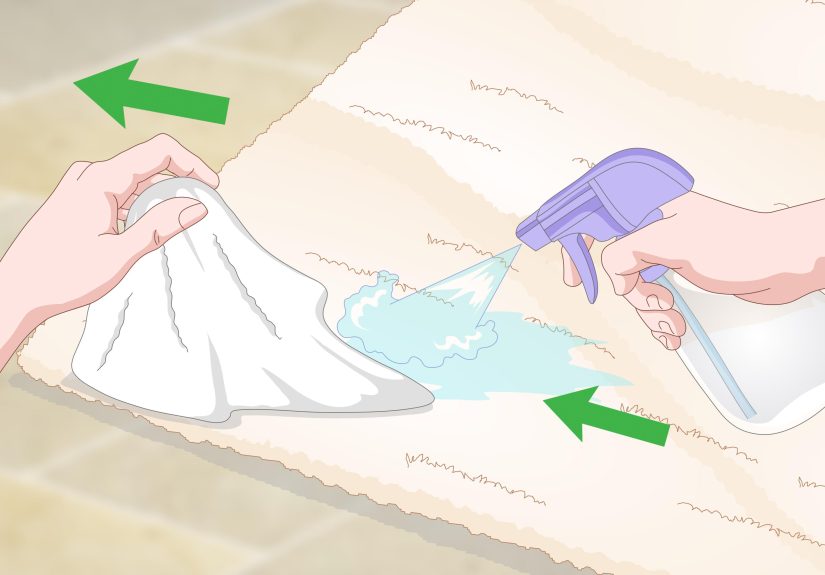
Mix a few drops of gentle, natural soap with distilled water. Dampen (don’t
soak) a microfiber cloth and gently wipe small sections of the leather. - Follow with a cloth dampened with plain water to remove any soapy residue.
- Pat dry with a clean cloth and allow the purse to air dry naturally.
Cleaning the Interior Lining
Often, the inside is dirtier than the outside. To freshen the lining:
- Turn the lining out, if possible, and vacuum crumbs and dust.
- Use a lint roller to pick up hair and fuzz.
-
Spot clean stains with a cloth dampened with mild detergent and water,
keeping moisture away from the leather edges. - Let the lining dry completely before tucking it back into the purse.
Dealing With Odors Without Soaking the Bag
Instead of soaking the entire purse, try:
- Placing an open box or sachet of baking soda nearby (not directly on).
- Storing the bag in a breathable space for a few days to air out.
-
Putting odor-absorbing pouches or charcoal sachets inside the purse
temporarily.
Step 5: How to Rescue a Purse That Accidentally Went Through the Wash
Maybe you didn’t plan to machine wash your leather purse it just hitchhiked
into the laundry with your jeans. If that happened, here’s what to do:
-
Take it out immediately. Don’t run an extra rinse, and don’t
toss it in the dryer. -
Blot, don’t wring. Use towels to gently press out excess
water. -
Reshape while damp. Stuff with dry towels or paper so it
dries in the right shape. - Air dry slowly. Keep it away from direct heat and sunlight.
-
Condition thoroughly. Once dry, use leather conditioner to
restore some softness and luster.
Your purse may not look exactly the same as before, but many sturdy leather bags
remain perfectly usable after an accidental wash just with a little extra
“character.”
Step 6: Everyday Habits to Keep Your Leather Purse Cleaner Longer
The best way to avoid desperate machine-wash experiments is to keep your bag
from getting that dirty in the first place. A few simple habits help:
-
Store makeup, pens, and liquids in zip pouches instead of tossing them loose
inside. - Wipe the purse down gently every week or two to prevent buildup.
-
Don’t set your bag on sticky floors, wet counters, or rough concrete if you
can avoid it. - Rotate purses so one bag doesn’t handle all the heavy lifting, all the time.
-
Condition the leather every few months to keep it supple and more resistant to
stains and dryness.
Real-Life Experiences: What People Report After Machine Washing Leather Purses
So what actually happens when people wash leather purses in the machine? Stories
from resellers, thrifters, and everyday owners are a mixed bag (pun absolutely
intended).
Some report surprisingly good results on sturdy, smooth, mid-range leather bags.
They were dealing with serious stains makeup spills, food accidents, or
musty thrift-store smells and felt the bag had more to gain than lose.
After a gentle cold wash in a pillowcase and careful air drying, the purse came
out cleaner, softer, and perfectly usable, sometimes with only minimal changes
in texture.
Others share less-happy outcomes. In those cases, the purse:
- Lost its structure and slumped into a floppy shape.
-
Developed stubborn wrinkles, especially near handles and corners that were
once sharp and defined. -
Showed cloudy patches, faded spots, or uneven color where dyes didn’t react
well to soap and water. -
Ended up with peeling edges where bonded leather or coating separated after
soaking.
One common theme in these experiences is that expectations matter.
People tend to be happiest with the results when:
-
The purse wasn’t expensive or sentimental to begin with, so the risk felt
acceptable. - The bag was already in rough shape and needed a “nothing to lose” rescue.
- They used cold water, a delicate cycle, mild detergent, and air drying.
- They followed up with a good leather conditioner afterward.
Another important pattern: people who machine wash leather regularly almost
always warn others not to try it on high-end or delicate bags, or on
leather types like suede that are known to react badly to moisture. Their
message is basically, “It can work, but it’s always a gamble.”
Ultimately, the more you care about the purse, the less you should rely on the
washing machine. For a cheap thrift-store find, a cautious machine wash might
give it a second life. For the leather purse you saved up for, gentle cleaning,
conditioning, and professional care are much smarter long-term strategies.
Conclusion: Is Machine Washing a Leather Purse Worth It?
Machine washing a leather purse walks a fine line between “clever hack” and
“regret in spin cycle.” It can work on some sturdy, low-risk bags, but
there’s always a chance of warping, fading, or long-term damage. If you decide
to try it, treat it like a last resort: use cold water, a gentle cycle, a
protective bag, and plenty of air drying and conditioning afterward.
For purses you truly love, stick with safer methods spot cleaning, careful
interior cleaning, odor control, and regular conditioning or invest in
professional leather care. Your future self (and your favorite bag) will thank
you.