Table of Contents >> Show >> Hide
If you’ve ever misplaced a house key or worried about getting locked out at 2 a.m.,
you’ve probably wondered, “Can I just make a key mold at home and copy this thing
myself?” It sounds like a clever DIY project – right up there with homemade candles
and pallet furniture – but keys are different. They’re part of your home’s security,
and that makes them a very serious business.
In this guide, we’ll talk honestly about what “making a key mold” actually means,
why it’s more sensitive than most DIY topics, and how to handle key duplication in a
way that’s safe, legal, and stress-free. Instead of a step-by-step tutorial on how to
mold and copy a key (which can easily be abused to bypass locks), you’ll get a
deep dive into:
- Why key molding and key copying are legally and ethically sensitive
- Smart, legitimate alternatives to DIY key molds
- How professionals approach key duplication in a controlled environment
- Practical tips to avoid key emergencies in the first place
- Real-world “experience stories” and lessons learned about key management
Think of this as the responsible person’s guide to the whole key-molding idea: you’ll
still be informed, but you won’t accidentally wander into “how to defeat someone’s
lock” territory.
Why Making a Key Mold Is a Sensitive Topic
Keys are not just metal; they’re security devices
A key is essentially a portable password carved into metal. The shape of the blade,
the pattern of cuts, and the spacing of those cuts tell the lock’s pins or wafers how
to line up. When everything lines up exactly right, the lock opens. When it doesn’t,
you stay locked out.
A “key mold” is a physical impression of that pattern – a snapshot of the exact
combination needed to open a lock. That’s why the idea of making a mold isn’t just a
fun craft; it’s directly tied to physical security. In the wrong hands, detailed,
step-by-step instructions on how to mold and replicate keys can be used to gain
unauthorized access to homes, cars, offices, mailboxes, or storage units.
Legal and ethical concerns you can’t ignore
Laws vary by country, state, and city, but a few practical principles are almost
universal:
-
You should only duplicate keys that you’re legally allowed to copy.
That usually means keys you own or keys you’ve been clearly authorized to reproduce. -
Some keys are restricted or patented. Many businesses, apartment
complexes, and high-security systems use keys that can only be copied by authorized
locksmiths or manufacturers. -
Intent matters. Using a mold or copy of a key to enter a property
without permission can be a serious crime, even if the physical act of molding
metal or plastic seems simple.
Because of these issues, it isn’t responsible to provide a precise, step-by-step
tutorial for creating a working key mold and using it to make functioning copies.
Instead, the safe approach is to explain your legitimate options and help you
protect yourself, your property, and your peace of mind.
Safer Alternatives to DIY Key Molding
The good news is that you rarely need to experiment with molds to solve key
problems. In almost every everyday scenario, there’s a safer, easier, and more
reliable alternative.
1. Use a professional locksmith
Professional locksmiths exist for exactly this reason. They have:
- Specialized key-cutting machines
- Access to manufacturer key codes and restricted blanks (when authorized)
- Training on legal and ethical rules around key duplication
If you need a spare house key, want to replace a worn key, or lost one key in a set,
a licensed locksmith can usually:
- Cut a new key from your existing one
- Re-key the lock so lost keys no longer work
- Upgrade your lock to a higher security option
This is not only safer but often faster than trying to improvise with DIY molds that
may or may not function.
2. Use authorized hardware stores or kiosks
Many hardware stores and self-service kiosks can copy standard, non-restricted keys
on the spot. You place your original key in the machine, and it traces the pattern
onto a blank. The result is usually more precise than anything created from a cast,
especially at home.
Keep in mind:
- Some keys are stamped “Do Not Duplicate” or otherwise restricted.
- The store may refuse to copy certain branded or high-security keys.
- Always check any rules your landlord, HOA, or employer has about extra keys.
3. Contact the property manager or manufacturer
For apartment complexes, office buildings, or managed properties, the safest and
fairest route is usually:
- Ask the landlord or building manager about getting an official spare.
- Pay the required fee (often cheaper than a lock replacement after a lost key).
- Follow any documented policy on key control so you stay in good standing.
For certain locks – such as mailbox locks or specialty hardware – the manufacturer
may offer official replacement keys or a process to verify ownership before issuing
a new set.
What Professionals Actually Do (at a High Level)
While we’re not going to walk through a DIY “how to mold and cast your own key” set
of instructions, it helps to understand how professionals think about key duplication.
Reading the key, not just copying the shape
Locksmiths often approach a key as data. The pattern of cuts corresponds to a series
of depth numbers. These numbers match the lock’s key pins inside the cylinder. With
the right reference charts and equipment, they can:
- Decode the original key
- Read manufacturer or lock codes (when available)
- Cut a new key that matches the intended specification, not just visible wear
This is more accurate and durable than creating a quick impression or mold that
might capture dirt, wear, or tiny errors.
Controlled use of impressions or molds
In rare, specialized cases – such as restoring an antique lock or dealing with a
damaged cylinder – professionals might use controlled impressioning or molding
techniques. Even then, they rely on:
- Specialized materials designed to capture fine detail
- Precise grinding and cutting tools
- Training on security, authorization, and liability
These methods are handled in a professional context, with a clear chain of
authorization. That’s a very different situation from experimenting at a kitchen
table with household materials and internet instructions.
Practical Ways to Avoid a “Key Crisis”
If the real goal behind learning “how to make a key mold” is peace of mind, there
are better strategies. Think of these as the low-drama, high-sanity ways to make
sure you’re never completely locked out of your life.
Make legitimate spare keys in advance
While everything is calm and all your keys are present, make authorized spare keys
through a locksmith or hardware store. Then:
- Keep one spare in a secure, hidden spot inside your home.
- Give one spare to a trusted friend or family member nearby.
- Store one spare in a small home safe or lockbox.
This simple planning step often eliminates any urge to experiment with molding or
improvisation later.
Consider a lockbox or smart lock
If you’re frequently worried about being locked out, a lockbox or smart lock can be
a game changer:
-
Lockboxes let you store a spare key in a combination-protected
container near your home. Real estate agents use them for a reason. -
Smart locks replace the need for a physical key altogether. You
can use app access codes, PINs, or biometrics instead.
Both options help you avoid “emergency improvisation” while still keeping control
over who can get inside.
Don’t advertise your key pattern
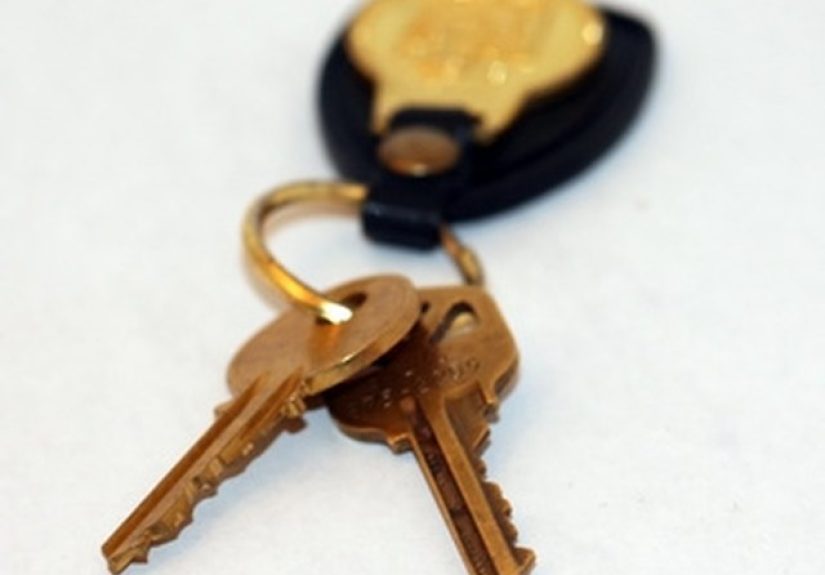
Here’s a modern problem: posting photos on social media. A clear photo of your key
– especially one that shows the cuts in focus – is more information than you’d think.
Best practices:
- Never post clear, close-up photos of keys online.
- Blur or crop keys in any images you share publicly.
- Treat your key like your credit card: private and sensitive.
Real-Life Experiences and Lessons Learned
To round out the topic, let’s talk about the “lived experience” side of key
management – the stories and lessons that explain why people even think about making
key molds in the first place.
The DIY experiment that got expensive
Imagine someone who’s handy with tools and loves DIY projects. They misplace their
only copy of a shed key but still have it long enough to consider: “I’ll make a mold
so I can cast a backup later.” They try using whatever soft material is around the
house, press the key into it, and attempt to form something that could be turned
into a duplicate.
The result? A slightly warped impression that doesn’t capture the key’s fine
details. If they try to turn that into a functional duplicate, the new key may:
- Get stuck in the lock
- Fail to turn all the way
- Damage the internal pins or wafers
The “cheap” DIY attempt could end up breaking the lock, leading to a full lock
replacement or an emergency locksmith visit – which costs far more than making a
simple authorized spare in the beginning.
The landlord-tenant misunderstanding
Another common scenario: a tenant is worried about losing the only key issued by a
landlord. Instead of asking the landlord about official spare keys, they secretly
try to copy or mold the key on their own. If something goes wrong – a lock is
damaged, or extra keys show up in unexpected hands – this can create tension or even
breach the lease agreement.
The smoother path is almost always:
- Ask your landlord how to request a spare key.
- Pay any reasonable fee or deposit for additional copies.
- Clarify whether you’re allowed to have your own copies made.
In a lot of cases, landlords prefer to track keys through an official process. That
protects both you and them.
The “photo of a key” problem
There have been situations where people casually post photos of their house keys
on social media – maybe showing off a new landlord welcome packet, a cute keychain,
or a brand-new house purchase. What they don’t realize is that a clear, close-up
photo can sometimes be used by a determined person to approximate the key pattern.
While that kind of attack still requires skill and effort, the takeaway is simple:
If you wouldn’t post your bank PIN on Instagram, don’t post your key pattern either.
What these experiences teach us
When you look at these scenarios together, a pattern emerges:
-
People look for DIY key molds because they’re anxious about losing access or
paying fees – not because they’re in love with molten metal. -
Improvised key molding often produces poor-quality results that can damage locks or
simply not work. -
Miscommunication (with landlords, employers, or family) causes many key problems
that could be solved up front.
Planning ahead, talking to the right people, and using professional services is
nearly always cheaper, safer, and less stressful than experimenting with sensitive
security hardware on your own.
Final Thoughts
The phrase “how to make a key mold” sounds like a neat little life hack, but it’s
really a doorway into the world of locks, security, and legal responsibility. Keys
are more than metal shapes; they’re physical access tokens to your home, your car,
your office, and your personal world.
Because of that, it’s not appropriate or responsible to give detailed, actionable
instructions for molding and duplicating keys. The risk of misuse is simply too
high. What you can do – starting today – is:
- Make legitimate spare keys through authorized services
- Use locksmiths, lockboxes, or smart locks to stay prepared
- Follow landlord or property rules for key control
- Treat your keys and their patterns as sensitive information
With a little planning, you’ll rarely need to think about key molds at all. Instead
of late-night panic and improvised experiments, you get something much better:
reliable access, fewer emergencies, and the comfort of knowing you’re handling your
home security in a smart, responsible way.