Table of Contents >> Show >> Hide
- What Makes Ice Cloudy in the First Place?
- Why Bartenders Care About Clear Ice
- How to Make Clear Ice at Home
- Do You Need Filtered, Boiled, or Distilled Water?
- How Bartenders Match Ice to the Cocktail
- Common Clear Ice Mistakes to Avoid
- Bartender Tips for Better Cocktails With Clear Ice
- Is Making Clear Ice Worth It?
- Experience From the Home Bar: What Making Clear Ice Actually Feels Like
- SEO Tags
If you have ever ordered an Old Fashioned at a great bar and found yourself staring at the ice like it was a tiny frozen diamond, congratulations: you already understand the appeal of clear ice. It looks polished, expensive, and just a little smug. Regular freezer ice, by comparison, often looks like it lost a fight on the way to your glass.
But clear ice is not just a cosmetic flex. Bartenders love it because it is dense, sturdy, and better at chilling a drink without turning it into a sad puddle of watered-down regret. The good news is that you do not need a commercial ice machine or a secret speakeasy membership to make it at home. You need a little freezer space, a little patience, and one crucial concept: make the water freeze in the right direction.
In this guide, you will learn how to make clear ice at home, why it works, which shortcuts are worth trying, and how bartenders choose the right ice for different cocktails. By the end, your drinks will look sharper, taste more controlled, and feel a lot more intentional. Your whiskey will thank you. Your Negroni will nod approvingly. Even your plain sparkling water will feel dressed for the occasion.
What Makes Ice Cloudy in the First Place?
Cloudy ice is usually the result of trapped air and impurities getting locked into the cube as it freezes. In a standard ice tray, cold air hits the water from multiple sides at once. That means the water freezes from the outside in, pushing bubbles and microscopic impurities toward the center. The result is the familiar white, crackly core that looks less “craft cocktail” and more “office break room.”
Clear ice works differently. Instead of freezing from every direction, the water freezes from one direction onlyideally from the top down. This process is called directional freezing, and it is the secret sauce. Well, the secret frozen water. As the ice forms in a single direction, the trapped air and impurities get pushed away from the clear part and into the last section to freeze. That cloudy section can then be trimmed off, leaving you with crystal-clear ice that looks bar-ready.
The second piece of the puzzle is slow freezing. Fast freezing can create more tiny crystals and more visual chaos. Slower freezing gives the ice structure time to form more evenly. In other words, clear ice is what happens when you stop rushing your water and let it have a little dignity.
Why Bartenders Care About Clear Ice
Here is the bartender logic in plain English: better ice makes better drinks. Not necessarily fancier recipes, not necessarily a more talented shake, but a better final glass.
First, clear ice looks dramatically better. A single transparent cube in an Old Fashioned or Boulevardier instantly makes the drink feel more polished. Presentation matters, even at home. You eat with your eyes, and you absolutely sip with them too.
Second, clear ice tends to be denser and sturdier than standard cloudy freezer ice. That means it generally melts more slowly and more evenly. This matters because water is not an accidental byproduct in cocktails; it is part of the drink. Every stirred Manhattan and every shaken Daiquiri includes dilution as part of the final balance. Good ice helps you control that process. Bad ice crashes the party and starts freelancing.
Third, clear ice is easier to shape. Bartenders cut it into cubes, spears, slabs, and sometimes spheres, depending on the drink. If you want a long spear for a highball or a handsome cube for whiskey, clear ice is easier to work with because it is less brittle and less likely to crack into a weird lopsided chunk that looks like a glacier with trust issues.
That said, clear ice is not magic. It will not rescue a badly mixed cocktail. If your Margarita is unbalanced, no amount of beautiful ice will save it. Clear ice is more like a final upgrade: it improves appearance, steadies dilution, and makes a good drink feel complete.
How to Make Clear Ice at Home
The Cooler Method
The most reliable DIY method is the hard-sided cooler trick. It is popular for one reason: it works. The insulated sides and bottom slow the freeze everywhere except the exposed top, forcing the water to freeze downward instead of inward.
What You Need
- A small hard-sided insulated cooler that fits in your freezer
- Clean water
- Freezer space
- A serrated bread knife or similar tool for cutting the block later
- A kitchen towel and a little patience
Step-by-Step
- Remove or open the lid. You want the top exposed so the freezing starts there.
- Fill the cooler with water. Leave some room at the top for expansion. Do not fill it to the brim unless you enjoy preventable drama.
- Place the cooler in the freezer. Keep it level. This is not the moment for a teetering bag of frozen peas to become a villain.
- Freeze until mostbut not necessarily allof the water has solidified. A smaller setup may be ready sooner, while a larger block can take much longer. You are aiming for a clear section on top and a cloudy or slushy section at the bottom.
- Unmold the ice block. Let the cooler sit at room temperature briefly, then turn it out.
- Trim off the cloudy part. This is normal. In fact, it is proof the method worked. Clear ice does not eliminate cloudiness; it pushes it into a section you can remove.
Once you have the clear block, cut it into cubes or spears sized for your glasses. Store the finished pieces in a sealed bag or container so they do not absorb freezer odors. Nobody wants an Old Fashioned with subtle notes of garlic knots.
Do You Need Filtered, Boiled, or Distilled Water?
This is where clear ice conversations can get a little chaotic. One person says to boil the water. Another says boil it twice. A third person says only distilled water works. A fourth person sounds suspiciously like a wizard.
Here is the practical answer: directional freezing matters more than anything else. If you use a regular tray, boiling alone usually will not give you perfect clear ice. The freezing pattern is still wrong. However, in a directional-freezing setup, boiling can help reduce some bubble streaking and improve clarity a bit. So it is a helpful extra, not the main event.
Filtered water is a smart move because it can reduce off flavors and some impurities. Distilled water can also work, but it is not a requirement for most home bartenders. If your tap water tastes fine, start there or use filtered water. Save the obsessive experiments for a rainy weekend when you are prepared to compare ice blocks like a beverage scientist.
How Bartenders Match Ice to the Cocktail
Big Cubes for Spirit-Forward Drinks
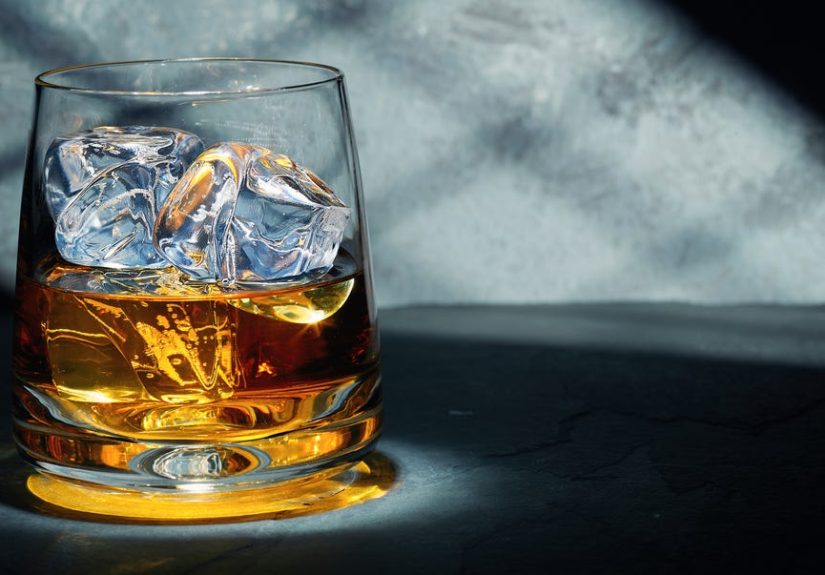
For drinks like an Old Fashioned, Negroni, Boulevardier, or whiskey on the rocks, bartenders often reach for one large cube. The goal is simple: keep the drink cold while slowing dilution. One oversized cube looks elegant and buys the drink a little more time before it turns watery.
Spheres for Slow Sipping
Ice spheres do the same basic job, but with a little extra flair. Because a sphere has less surface area relative to its volume than many other shapes, it can chill efficiently while melting slowly. They are especially nice for spirits served neat-ish, where you want gentle dilution over time rather than an avalanche of melted ice.
Spears for Highballs and Collins Drinks
Long drinks benefit from long ice. In a highball or Collins glass, a spear or a couple of large blocks can keep the drink cold without agitating the carbonation as aggressively as a pile of smaller cubes. That means your whisky highball, gin fizz, or Presbyterian stays brisk and bubbly instead of going flat halfway through.
Crushed Ice for Juleps, Swizzles, and Tiki Drinks
Not every cocktail wants slow-melting designer ice. Mint Juleps, swizzles, and many tropical drinks are supposed to be icy, frosty, and highly chilled. Crushed ice increases surface area, which means faster chilling and a colder-feeling drink. It also helps create that glorious mound on top of the glass that says, “Yes, this beverage takes summer seriously.”
The bartender lesson here is important: the “best” ice depends on the drink. A giant cube in a Mai Tai would be the wrong move. A heap of crushed ice in a Manhattan would be a cry for help.
Common Clear Ice Mistakes to Avoid
Expecting a Regular Tray to Produce Bar-Quality Clarity
A normal tray freezes from all sides. That is why those cubes come out cloudy. If you want clear ice, you need insulation and directional freezing, not wishful thinking.
Freezing the Whole Block and Expecting Zero Waste
Some cloudy ice at one end is normal. You are not failing. You are just discovering that physics has opinions.
Ignoring Freezer Odors
Ice absorbs smells. Store finished cubes in a sealed bag or container, and use trays or molds with lids when possible. Your cocktail should taste like bourbon, citrus, or vermouthnot leftover onion dip.
Using the Wrong Size Ice
One giant cube is fantastic in a rocks glass and awkward in a narrow highball. Match the ice to the glass and the style of drink.
Rushing the Cutting Process
Let the block temper for a few minutes before cutting. If it is rock-hard straight from the freezer, it is more likely to crack unpredictably. Let it relax a bit before you go full ice sculptor.
Bartender Tips for Better Cocktails With Clear Ice
- Chill the glass first when possible, especially for spirit-forward drinks.
- Use fresh serving ice instead of dumping the shaking or stirring ice straight into the final glass.
- Cut ice to fit the glass snugly so it looks intentional and performs well.
- Make a batch in advance and keep it sealed, so cocktail night does not begin with you wrestling a cooler in your socks.
- Choose clarity where it matters mostwhiskey drinks, Negronis, Old Fashioneds, and simple highballs show it off beautifully.
Is Making Clear Ice Worth It?
If you mostly toss a handful of cubes into soda and call it a day, maybe not. But if you enjoy making cocktails at home, clear ice is one of the easiest ways to make your drinks feel more professional without learning ten new recipes or buying a cart full of gear.
It is part science project, part bar upgrade, part tiny act of hospitality. When you serve a friend a drink over a crystal-clear cube, the message is subtle but unmistakable: this was made on purpose. And honestly, that is what good home bartending is all about.
So yes, clear ice takes a little planning. Yes, you may lose a corner of your freezer for a day or two. Yes, you may briefly become the kind of person who talks about dilution at parties. But the payoff is real. Your cocktails look better, stay balanced longer, and feel like they came from someone who knows what they are doingeven if that someone is you, in pajama pants, making a Wednesday night Boulevardier.
Experience From the Home Bar: What Making Clear Ice Actually Feels Like
The first time you make clear ice at home, it feels a little ridiculous. You place a small cooler in the freezer as if you are preparing for a tiny arctic expedition, then wait for water to become glamorous. There is a moment when you think, “Have I really become a person with an ice project?” The answer is yes, and it is surprisingly satisfying.
Once you unmold that first block, though, the appeal becomes obvious. The clear section catches the light in a way regular freezer ice never does. It looks clean and architectural, like your cocktail suddenly hired a designer. Even before it hits the glass, it changes your mood. You slow down. You pay more attention. You stop treating the drink like an afterthought.
That shift is probably the biggest surprise. Making clear ice does not just improve the cube; it changes the whole ritual. You start thinking about which glass you want, whether the drink should be stirred or built, whether a lemon peel is worth the extra ten seconds. It nudges you toward better bartending habits without acting preachy about it.
It is also one of those projects that gets easier fast. The first batch feels experimental. The second feels practical. By the third, you are casually saying things like “I have a few spears ready for highballs,” which is both hilarious and weirdly empowering. Friends notice too. They may not know the phrase directional freezing, but they know when a drink feels elevated.
There is also room for personality. Some people love precise cubes for whiskey. Others prefer rugged hand-cut chunks that look more relaxed and a little dramatic. Some become sphere people. Sphere people are committed. Whatever shape you like, the experience makes cocktails feel more intentional and more fun.
And no, every batch will not be perfect. Sometimes the cloudy section is bigger than expected. Sometimes a cut goes crooked. Sometimes a cube cracks because you got impatient and tried to carve it too soon. That is normal. Clear ice is not about laboratory perfection. It is about understanding the process well enough to make your drinks better, more often than not.
In real life, that is the sweet spot. Clear ice is useful enough to matter, but playful enough to stay enjoyable. It gives you a small, visible win. It turns an ordinary cocktail into something that feels a bit ceremonial. And in a world full of rushed dinners, distracted sipping, and drinks tossed together between emails, that tiny ceremony is part of the charm.
So if you are wondering whether it is worth trying, the answer is simple: absolutely. Not because your cocktails are legally required to look like they came from a magazine, but because the process teaches you what bartenders already knowice is not filler. It is an ingredient, a tool, and sometimes the difference between “pretty good” and “wait, did you make this?”