Table of Contents >> Show >> Hide
- Why Make Fresh Cranberry Juice Instead of Buying It?
- What You’ll Need
- The Flavor Goal: Strong vs. Sippable
- How to Make Fresh Cranberry Juice: 14 Steps
- Step 1: Pick Your Cranberries
- Step 2: Rinse Like You Mean It
- Step 3: Sort and Remove the Oddballs
- Step 4: Decide Your Juice Strength
- Step 5: Combine Water and Cranberries in a Saucepan
- Step 6: Bring to a Gentle Boil
- Step 7: Simmer Until the Berries Pop
- Step 8: Lightly Mash for Better Yield
- Step 9: Let It Steep (Optional but Worth It)
- Step 10: Strain the Juice
- Step 11: Taste Before You Sweeten
- Step 12: Sweeten Smartly (Optional)
- Step 13: Balance with Citrus (Optional)
- Step 14: Chill and Serve
- Easy Flavor Variations (So You Don’t Get Bored)
- Storage and Food-Safety Tips
- Nutrition Notes and Practical Health Reality
- Troubleshooting: Common Cranberry Juice Problems
- Kitchen Stories and Real-World Experiences (Extra )
- Conclusion
Fresh cranberry juice is the kind of drink that wakes up your taste buds, your soul, and possibly your neighbors. It’s tart, ruby-red, and unapologetically boldlike a tiny marching band of berries doing a halftime show in your mouth. The good news: you don’t need a juicer, a lab coat, or a cranberry bog in your backyard. With a saucepan, some water, and a little patience, you can make a pitcher of fresh cranberry juice that tastes brighter and cleaner than most store-bought bottles.
In this guide, you’ll get a simple, reliable method (plus smart options for sweetness, straining, and flavor twists). We’ll also cover storage, common mistakes, and how to keep the juice tasting greatbecause nobody wants “cranberry regret” at 10 p.m.
Why Make Fresh Cranberry Juice Instead of Buying It?
If you’ve ever grabbed “cranberry juice” at the store and later realized it tastes like a fruit punch wearing cranberry perfume, you’ve met the difference between 100% cranberry juice and cranberry juice cocktail. Fresh homemade juice gives you full control over tartness, sweetness, and ingredientsno mystery sweeteners, no “natural flavors” doing parkour.
What You’ll Need
Ingredients
- Fresh cranberries (about 12 oz / 1 standard bag)
- Water (4–6 cups, depending on how strong you want it)
- Sweetener (optional): sugar, honey, maple syrup, or a zero-calorie sweetener
- Optional flavor boosters: orange or lemon peel, a cinnamon stick, a knob of ginger, a splash of apple juice
Tools
- Medium saucepan with lid
- Fine-mesh strainer
- Wooden spoon or potato masher
- Large bowl or measuring jug
- Optional: cheesecloth (for extra-clear juice), blender (for higher yield)
The Flavor Goal: Strong vs. Sippable
Cranberries are naturally intense. Think “tart” like lemon, but with a berry twist and a little attitude. You can make your juice strong and concentrated (great for mixing with sparkling water or cocktails), or lighter and sippable (better for everyday drinking). The easiest control knob is your water amount:
- Stronger juice: 4 cups water per 12 oz cranberries
- Balanced juice: 5 cups water per 12 oz cranberries
- Lighter juice: 6 cups water per 12 oz cranberries
How to Make Fresh Cranberry Juice: 14 Steps
Step 1: Pick Your Cranberries
Choose cranberries that look plump and firm. Avoid berries that are shriveled, browned, or leakingthose are the cranberry equivalent of showing up to a party already exhausted.
Step 2: Rinse Like You Mean It
Place cranberries in a colander and rinse under cool water. Cranberries grow in bogs, so a good rinse helps remove debris and anything that traveled home with them.
Step 3: Sort and Remove the Oddballs
Toss any mushy berries, stems, or leaves. This tiny step improves flavor and keeps your juice from tasting “mysteriously funky.”
Step 4: Decide Your Juice Strength
Choose 4–6 cups of water depending on how concentrated you want the juice. If it’s your first time, start with 5 cupssafe, classic, and not a face-puckering surprise.
Step 5: Combine Water and Cranberries in a Saucepan
Add cranberries and water to a medium saucepan. Optional: add a strip of orange peel (no bitter white pith) or a few slices of ginger for instant “wow.”
Step 6: Bring to a Gentle Boil
Heat over medium-high until you reach a gentle boil. Then reduce to a simmer. Cranberries don’t need a furious rolling boilthis isn’t a cranberry mosh pit.
Step 7: Simmer Until the Berries Pop
Simmer 10–15 minutes, stirring occasionally. You’ll hear soft pops and see the water turn a deep red. This is when the berries release their juice and flavor.
Step 8: Lightly Mash for Better Yield
Turn off the heat. Use a wooden spoon or potato masher to gently mash the cranberries in the pot. You’re not making cranberry pastejust encouraging the berries to share their goodness.
Step 9: Let It Steep (Optional but Worth It)
Cover and let the mixture sit for 10–20 minutes. Steeping boosts color and flavor, like giving your cranberries time to finish their speech.
Step 10: Strain the Juice
Set a fine-mesh strainer over a bowl or large measuring jug. Pour the mixture through. Press the solids gently with a spoon to extract more liquid. For clearer juice, line the strainer with cheesecloth and don’t press too hard.
Step 11: Taste Before You Sweeten
Take a small sip (brace yourselfit’s tart). Decide what you want: pure and bold, lightly sweet, or cranberry lemonade vibes. There’s no wrong answerjust different personalities.
Step 12: Sweeten Smartly (Optional)
Add sweetener in small increments. For a 12 oz bag of cranberries, a common range is 2–6 tablespoons sugar (or equivalent), depending on your taste. Honey and maple syrup add flavor; sugar keeps things neutral; zero-calorie sweeteners keep it light. Stir until dissolved. If your sweetener won’t dissolve well, warm a small portion of juice, dissolve it there, then mix back in.
Step 13: Balance with Citrus (Optional)
If the juice tastes flat or “too sharp,” add a squeeze of orange or lemon juice. Citrus doesn’t just add sournessit adds aroma and makes cranberry taste more “berry” and less “angry red fruit.”
Step 14: Chill and Serve
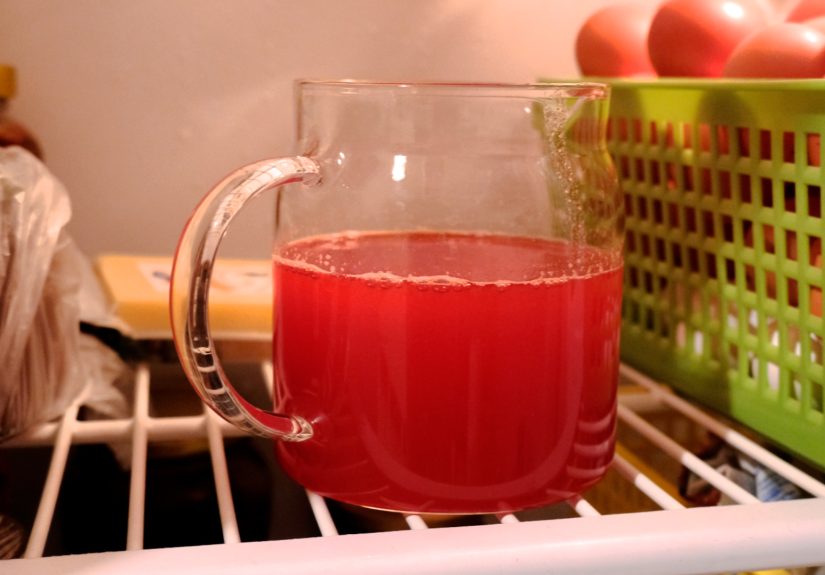
Refrigerate until cold (at least 2 hours). Serve over ice, dilute with water or sparkling water if desired, or mix into mocktails. Fresh cranberry juice is a superstar mixer: bold enough to stand up to bubbles, citrus, and herbs.
Easy Flavor Variations (So You Don’t Get Bored)
1) Sparkling Cranberry Spritz
Fill a glass with ice. Add 1/3 cranberry juice, 2/3 sparkling water, and a squeeze of lime. Optional: mint or rosemary for fancy points.
2) Orange-Ginger Cranberry Juice
Simmer the cranberries with 2–3 slices of ginger and a strip of orange peel. Sweeten lightly. It tastes like holiday season without the awkward family group chat.
3) Apple-Cranberry “Gateway Juice”
If pure cranberry is too tart, blend your finished juice with a splash of apple juice. This is the friendly on-ramp for people who think cranberries are out to fight them.
Storage and Food-Safety Tips
- Refrigerate promptly: Don’t leave homemade juice sitting out for hours. Treat it like a fresh food.
- Use clean containers: A washed, dry glass bottle or jar helps preserve flavor.
- Best quality window: Homemade juice tastes best within a few days. If it smells fermented, fizzy (when it shouldn’t), or “off,” toss it.
- Freezing option: Freeze juice in ice cube trays, then store cubes in a freezer bag for smoothies and quick spritzers.
Nutrition Notes and Practical Health Reality
Cranberries contain beneficial plant compounds (including antioxidants), but cranberry juice is still juicewhich means it can be easy to overdo, especially if sweetened. Many commercial cranberry drinks add sugar to balance tartness, so homemade lets you control that.
Also: cranberry products are often associated with urinary tract health, but cranberry juice isn’t a magic cure-all. If you have symptoms of a UTI or another medical issue, don’t rely on juice aloneget proper medical advice.
If you take certain medications (especially blood thinners like warfarin) or you’re prone to kidney stones, ask your clinician before making cranberry juice a daily habit. Cranberry is wonderful, but your health plan shouldn’t be “wing it with berries.”
Troubleshooting: Common Cranberry Juice Problems
“It’s way too tart.”
Add sweetener gradually, then balance with orange or lemon juice. Or dilute with water/sparkling water. Tartness is a feature, not a bugbut you’re the boss.
“It tastes bitter.”
You might have simmered too aggressively or included orange peel with lots of white pith. Next time: gentler simmer, and peel only the colored part.
“It’s cloudy and thick.”
That’s usually finemore fruit solids. For clearer juice, strain through cheesecloth and avoid pressing the pulp too hard.
“Not enough juice came out.”
Mash more thoroughly, steep longer, or (carefully) blend the cooked mixture briefly before straining. Blending increases yield but creates a thicker, cloudier juice.
“What do I do with the leftover pulp?”
Don’t throw it away! Stir it into oatmeal, yogurt, pancake batter, or muffin mix. You can also simmer it with a bit of sugar and orange zest to make a quick jammy topping.
Kitchen Stories and Real-World Experiences (Extra )
If you’re making fresh cranberry juice for the first time, the most common “experience” is the moment you taste it straight and your face briefly forgets how to be relaxed. That first sip can be shockingly tartlike the cranberries are yelling, “HELLO, WE ARE HERE!” The trick is remembering you’re not failing; you’re simply meeting cranberries in their natural state. Many home cooks end up loving the juice most after a short chill and a tiny touch of sweetness, because cold temperatures smooth the edges and help the berry flavor come forward instead of the full-body pucker.
Another thing people notice: cranberry juice gets better when you treat it like a “base,” not a finished product you must drink exactly as-is. Some folks keep a concentrated batch in the fridge and pour a little into sparkling water each day. Others stir it into iced tea, lemonade, or even plain water, which sounds boring until you realize it turns hydration into something you actually want to sip. It’s also a popular “mocktail hack” for gatheringsadd ice, cranberry, a squeeze of lime, and bubbly water, and suddenly everyone thinks you planned.
The straining step is where real-life preferences show up fast. If you press the pulp hard, you get more juice and deeper flavor, but also a cloudier, thicker drink with more tannins (that slightly dry feeling on your tongue). Some people love that “rustic” texture because it feels homemade and hearty. Others want a cleaner, clearer juice and are happiest using cheesecloth and letting gravity do most of the work. If you’re serving guests, clearer juice often reads as “fancier,” even though both methods are perfectly valid.
Sweetening is also oddly emotional. You’ll see people go in two directions: Team “Keep It Pure” and Team “I Would Like to Enjoy My Life.” The funniest part is that both teams usually meet in the middle over time. Many start with a noticeable sweetener boost, then gradually reduce it as their taste buds adjust. A sneaky, experience-based move is using orange juice or apple juice instead of extra sugarthose add sweetness plus aroma, which makes the drink taste rounder without needing a heavy hand.
Finally, there’s the “leftover pulp surprise.” People often assume the pulp is trash, but it’s actually a bonus ingredient. It can make oatmeal taste like a bakery breakfast, swirl into yogurt like a tangy compote, or become the base of a quick sauce for pancakes. A lot of home cooks end up making cranberry juice again simply because they want the pulp for baking. So if your original goal was “just juice,” congratulations: you’ve accidentally unlocked cranberry two-for-one mode.
Conclusion
Fresh cranberry juice is simple, customizable, and wildly more vibrant than most store-bought options. Once you learn the basic simmer–mash–strain rhythm, you can adjust strength, sweetness, and flavors to match your mood (or your guests, or your “I need something refreshing that isn’t another coffee” moment). Make a batch, chill it, and experimentbecause the best cranberry juice is the one you actually want to drink.