Table of Contents >> Show >> Hide
- Why Make Your Own DIY Toilet Bowl Cleaner?
- What Makes a Good Homemade Toilet Bowl Cleaner?
- DIY Toilet Bowl Cleaner Recipe: Easy, Borax-Free, and Practical
- A Super Simple Version Using Pantry Staples
- How to Deep Clean a Toilet Bowl With Heavy Stains
- Does a DIY Toilet Bowl Cleaner Disinfect?
- What You Should Never Mix With Homemade Toilet Bowl Cleaner
- Common Mistakes People Make With DIY Toilet Bowl Cleaner
- How Often Should You Clean the Toilet?
- Can You Add This DIY Cleaner to the Toilet Tank?
- Experience-Based Lessons From Real DIY Toilet Cleaning Routines
- Final Thoughts
If you have ever stood in the cleaning aisle staring at a neon-blue toilet cleaner that looks like it could also remove paint from a submarine, you are not alone. A lot of people want a simpler way to clean the toilet bowl without buying another specialty bottle, inhaling a cloud of fake “mountain breeze,” or storing one more mystery chemical under the sink. The good news? A homemade toilet bowl cleaner can absolutely help keep your toilet fresh, cut through everyday grime, and tackle mild stains using ingredients many people already have at home.
The even better news is that making your own DIY toilet bowl cleaner is not complicated. It is more like kitchen chemistry for adults, except the finished product is less “science fair volcano” and more “wow, the bathroom looks respectable again.” The trick is choosing ingredients that actually make sense, using them in the right order, and understanding where homemade cleaners shine and where a true disinfectant still earns its keep.
In this guide, you will learn how to make a borax-free homemade toilet bowl cleaner, how to use it for weekly cleaning, how to handle tougher mineral stains, and what dangerous ingredient combos to avoid. Because yes, there is one rule of toilet cleaning that deserves to be framed and hung on the bathroom wall: never play chemist with bleach.
Why Make Your Own DIY Toilet Bowl Cleaner?
A homemade toilet bowl cleaner is popular for a few simple reasons. First, it is budget-friendly. Second, it gives you more control over what goes into your cleaner. Third, it can work surprisingly well for routine maintenance, deodorizing, and loosening that dreaded ring around the bowl before it starts auditioning for a permanent residency.
Another bonus is flexibility. You can make a dry powder, a quick scrub blend, or a deep-clean treatment depending on what your toilet actually needs. Not every bowl needs a full hazmat-level cleaning. Sometimes it just needs a mild abrasive, a little acid to break down buildup, and a toilet brush that is willing to do its job instead of merely leaning against the wall like an unpaid intern.
What Makes a Good Homemade Toilet Bowl Cleaner?
The best DIY toilet bowl cleaner does three things well: it loosens grime, helps break down mineral deposits, and makes scrubbing easier. That means a good recipe usually includes one or more of these ingredients:
Baking Soda
Baking soda is the dependable workhorse in many homemade cleaning recipes. It is mildly abrasive, which means it can help scrub away residue without being harsh on porcelain. It also helps absorb odors, which is always welcome in the room nobody brags about cleaning.
Citric Acid or White Vinegar
If your toilet has hard water marks, rust-tinged streaks, or a chalky ring near the water line, you need an acid. Citric acid and white vinegar are both common choices. They help loosen mineral deposits and make the brush’s job much easier. Citric acid tends to be stronger in dry DIY recipes, while vinegar is easy to use for soak-and-scrub cleaning.
Dish Soap or Castile Soap
A small amount of soap can help lift residue and improve the overall cleaning action, especially when the bowl has everyday grime rather than serious scale. You do not need much. This is not a bubble bath for the toilet.
Essential Oils, Optional
Lemon, tea tree, eucalyptus, or peppermint essential oils are often added for scent. They can make the cleaner smell fresher, but they are optional. Think of them as the garnish, not the main course. The real cleaning power comes from the baking soda, acid, contact time, and scrubbing.
DIY Toilet Bowl Cleaner Recipe: Easy, Borax-Free, and Practical
If you want one simple homemade toilet bowl cleaner recipe that is easy to store and easy to use, start here.
Ingredients
- 1 cup baking soda
- 1/4 cup citric acid powder
- 15 to 20 drops lemon or tea tree essential oil (optional)
- White vinegar, for use at cleaning time
Tools
- Glass or stainless steel mixing bowl
- Spoon
- A dry jar with a lid
- Toilet brush
- Rubber gloves
How to Make It
- Combine the baking soda and citric acid in a completely dry bowl.
- If you want a fresher scent, add essential oils a few drops at a time and stir well to distribute them evenly.
- Transfer the mixture to a dry jar with a lid and store it in a cool, dry place outside the reach of children and pets.
How to Use It
- Flush the toilet first to wet the bowl.
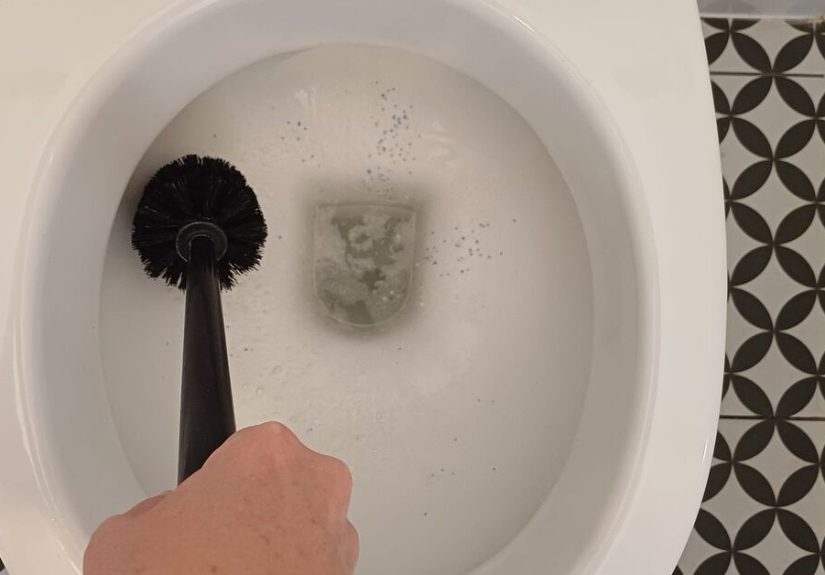
- Sprinkle 2 to 3 tablespoons of the powder around the bowl, especially under the rim and near the water line.
- Add a small splash of white vinegar to dampen the powder and activate the cleaning process.
- Let it sit for 10 to 15 minutes.
- Scrub thoroughly with a toilet brush and flush.
This homemade toilet bowl cleaner recipe works best for weekly upkeep, mild stains, and deodorizing. It is simple, affordable, and refreshingly low-drama.
A Super Simple Version Using Pantry Staples
If you do not have citric acid on hand, you can still make a very effective DIY toilet bowl cleaner with basic pantry ingredients.
Ingredients
- 1 cup baking soda
- 1 cup white vinegar
Directions
- Pour the vinegar around the inside of the bowl.
- Sprinkle baking soda into the bowl.
- Let it sit for about 15 to 30 minutes.
- Scrub well, focusing on the water line and under the rim.
- Flush to rinse.
This version is great for regular cleaning, but here is the honest truth: the fizzing is fun, but it is not magic. The real value comes from the acid loosening buildup, the baking soda adding gentle scrubbing power, and the time you let the cleaner sit before brushing. In other words, the bubbles are the opening act. The brush is the headliner.
How to Deep Clean a Toilet Bowl With Heavy Stains
If your toilet has serious hard water stains or a dark ring that has seen things, step up your approach. A stronger soak works better than simply throwing more powder at the problem and hoping for a miracle.
Deep-Clean Method for Mineral Buildup
- Flush the toilet and, if possible, reduce the water level in the bowl by shutting off the water valve and flushing again. This helps the cleaner hit the stain directly.
- Pour 1 to 2 cups of white vinegar into the bowl, making sure it reaches the stained areas.
- Let it sit for at least 30 minutes. For heavy buildup, leave it for several hours or overnight.
- Sprinkle in 1/2 to 1 cup of baking soda.
- Scrub thoroughly with a toilet brush.
- Flush and repeat if needed.
For stubborn deposits, patience usually works better than force. Soak time matters. Repeating a gentle treatment can be smarter than attacking porcelain with a wild amount of abrasive scrubbing.
Does a DIY Toilet Bowl Cleaner Disinfect?
This is where a lot of articles get a little too enthusiastic, so let’s keep it honest. A homemade toilet bowl cleaner is excellent for cleaning, freshening, and removing mild buildup. It is not automatically a true disinfectant.
If you are dealing with routine household cleaning, your DIY cleaner may be perfectly fine. But if someone in your home is sick, or if you specifically need to disinfect the toilet and nearby touchpoints like the handle and seat, use an EPA-registered disinfectant or a properly used bleach solution according to label directions. And do it separately from your homemade cleaner, not as some “power combo” experiment.
Cleaning and disinfecting are not the same job. Cleaning removes dirt and grime. Disinfecting is about killing more germs. Sometimes you need both, but they are not interchangeable.
What You Should Never Mix With Homemade Toilet Bowl Cleaner
This section is not optional. It is the part that keeps your cleaning routine from becoming an accidental chemistry lesson with consequences.
Never Mix With Bleach
Do not combine bleach with vinegar, citric acid, or other cleaning products. Mixing bleach with acidic cleaners can create dangerous fumes. If you used a commercial bleach-based cleaner recently, flush thoroughly and wait before using vinegar or another acid-based DIY cleaner.
Do Not Mix Vinegar and Hydrogen Peroxide in the Same Container
These are sometimes recommended separately for cleaning, but they should not be mixed together in one bottle or bowl. Keep them separate.
Be Careful With Commercial Bowl Cleaners
If you are switching from store-bought toilet cleaner to a DIY recipe, rinse the bowl well first. You do not want unknown leftover product mixing with your homemade blend.
Common Mistakes People Make With DIY Toilet Bowl Cleaner
1. Expecting Instant Results
Homemade cleaners usually need a little more patience than commercial gels. Contact time matters. Give the ingredients time to work before scrubbing.
2. Using Too Much Liquid in a Stored Recipe
If you are making a dry powder, keep moisture out of the jar. Humidity can cause clumping and reduce shelf life.
3. Skipping the Brush
No DIY toilet bowl cleaner is so advanced that it eliminates scrubbing forever. Sorry. The brush still has a role in this story.
4. Confusing “Natural” With “Risk-Free”
Just because something came from the pantry does not mean it should be mixed with every other cleaner in the house. Safe use still matters.
5. Forgetting the Rest of the Toilet
The bowl gets the spotlight, but the seat, lid, handle, base, and surrounding floor deserve attention too. A sparkling bowl loses some of its charm when the flush handle looks like it has survived a toddler birthday party.
How Often Should You Clean the Toilet?
For most households, cleaning the toilet bowl once a week is a solid routine. If the bathroom gets heavy use, you may want to do quick touch-ups more often. A weekly sprinkle-and-scrub with your DIY toilet bowl cleaner can help prevent buildup before it becomes a full-blown archaeology project.
A good maintenance rhythm looks like this:
- Weekly: Clean the bowl with your homemade toilet bowl cleaner and wipe down the exterior.
- As needed: Treat hard water stains or toilet rings with a longer vinegar soak.
- When illness is in the home: Disinfect high-touch areas more often with a proper disinfectant.
Can You Add This DIY Cleaner to the Toilet Tank?
In general, it is smarter to use homemade toilet bowl cleaner in the bowl, not as a permanent tank treatment. Dropping random DIY mixtures into the tank can create residue, affect components, or simply fail to do much. If your tank needs cleaning, use a separate, targeted method and keep it simple. The bowl is where your DIY recipe does its best work.
Experience-Based Lessons From Real DIY Toilet Cleaning Routines
One of the most interesting things about switching to a homemade toilet bowl cleaner is how quickly it changes your expectations. People often begin with the assumption that DIY means either “magically better than everything in stores” or “cute but useless.” The reality lands somewhere in the middle, and honestly, that is what makes it work so well in real life.
A very common experience is this: the first time someone tries a DIY toilet bowl cleaner, they expect the bubbles to do all the work. They pour in vinegar, add baking soda, watch the foam fizz up like it is about to win an award, and then feel oddly betrayed when the bowl still needs scrubbing. That is not a failure. It is just the moment when many people realize that homemade cleaning is more about process than theater. Once they start letting the cleaner sit longer and brushing more deliberately under the rim and along the water line, results improve dramatically.
Another typical experience happens in homes with hard water. A person may make a quick homemade cleaner, use it once, and decide it “did nothing” because the ring is still there. But mineral stains are stubborn. What usually changes the game is adjusting the routine instead of abandoning it. A longer vinegar soak, lowering the water level so the stain gets direct contact, and repeating the treatment over a few cleanings often makes a bigger difference than switching to a dozen random products. In other words, the toilet was not ignoring you out of spite. It just needed more than five rushed minutes.
People also tend to notice that homemade toilet bowl cleaner works best when it becomes part of a maintenance habit instead of an emergency response. Weekly cleaning is easier, faster, and far less dramatic than waiting until the bowl looks like it belongs in a gas station from a road-trip nightmare. Once the routine becomes normal, the cleaner feels much more effective because it is preventing buildup instead of trying to defeat six weeks of it in a single Saturday afternoon.
There is also the storage lesson. Many DIY cleaners look adorable on Pinterest in neatly labeled jars with tiny wooden scoops and enough sunlight to qualify as a greenhouse. In real bathrooms, though, humidity is a menace. People often learn that if they store a dry baking soda and citric acid blend right next to the shower, it can clump over time. Keeping the mixture in a sealed jar in a drier cabinet usually works better. Not glamorous, but practical beats photogenic when you are trying to clean a toilet.
Then there is the scent issue. Some people love adding lemon or eucalyptus essential oil. Others discover that fragrance, even the natural kind, is not their favorite thing in a small bathroom. That is one of the nicest parts of making your own toilet bowl cleaner: you can customize it. Unscented, citrusy, minty, or “I just want the bathroom to smell like nothing at all” are all valid lifestyle choices.
Perhaps the biggest experience-based lesson is that DIY toilet cleaning often makes people more aware of safety. Once you start making your own cleaner, you become more intentional. You stop randomly combining products. You think about rinse time, ventilation, and whether an old commercial cleaner might still be in the bowl. That kind of awareness is a good thing. A cleaner bathroom is great. A cleaner bathroom achieved without accidental toxic fumes is even better.
So if your first attempt is a little messy, a little underwhelming, or way too bubbly for the amount of actual cleaning it accomplishes, welcome to the club. That is part of the learning curve. By the second or third round, most people settle into a method that suits their toilet, their water, and their tolerance for scrubbing. And weirdly enough, that is when homemade toilet bowl cleaner starts to feel less like a DIY experiment and more like a genuinely smart household habit.
Final Thoughts
Making your own DIY toilet bowl cleaner is one of those small home habits that can be both practical and satisfying. You do not need a long list of ingredients, a chemistry degree, or a mystical devotion to vinegar. You just need a solid recipe, realistic expectations, and enough good sense not to mix random cleaners together like a reality show challenge.
For weekly toilet cleaning, a borax-free blend of baking soda and citric acid or a simple baking soda-and-vinegar routine can go a long way. For hard water stains, longer soak times matter. For real disinfecting, use the right product separately and safely. Do that, and your toilet bowl can stay cleaner, fresher, and far less terrifying without relying on harsh store-bought formulas every single time.
And that, frankly, is a beautiful thing to flush with confidence.