Table of Contents >> Show >> Hide
- What Is Cranberry Hibiscus (and Why Gardeners Love It)?
- Where to Plant Cranberry Hibiscus: Light, Soil, and Placement
- How to Plant Cranberry Hibiscus
- Watering Cranberry Hibiscus: Consistent, Not Chaotic
- Fertilizing for Strong Growth and Great Color
- Pinching and Pruning: The Secret to a Fuller Plant
- Common Problems: Pests and Diseases (and What to Do)
- Propagation: How to Make More Cranberry Hibiscus (Legally, Ethically, and With Joy)
- Overwintering Cranberry Hibiscus in Colder Climates
- Harvesting and Using Cranberry Hibiscus (Yes, You Can Eat It)
- Troubleshooting: Quick Fixes for Common Cranberry Hibiscus Complaints
- of Real-World Growing Experiences (What Gardeners Commonly Notice)
- Conclusion
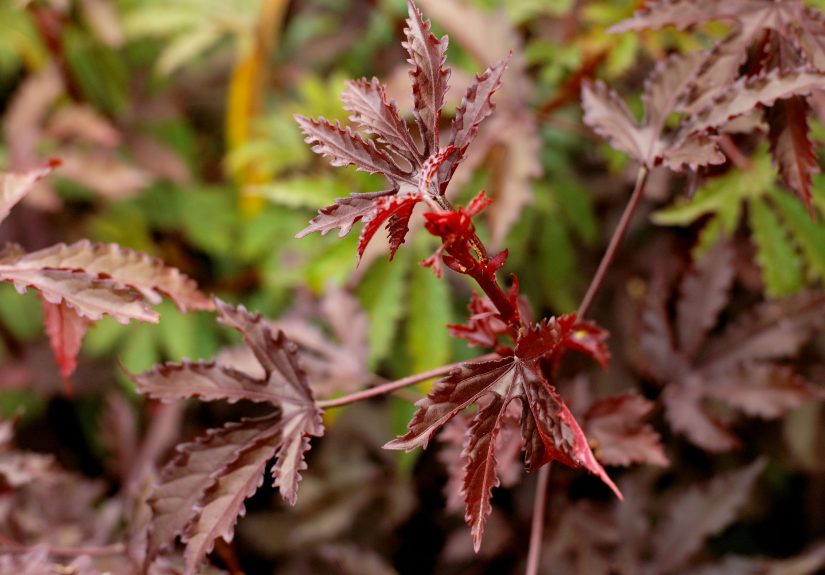
Cranberry hibiscus is the plant equivalent of showing up to the party wearing a velvet suit: dramatic, bold, and somehow still inviting.
Its deep burgundy, maple-like leaves look fancy enough to belong in a designer landscape… and then it casually reveals it’s also edible.
(Yes, your garden can be both pretty and snackable.)
Botanically known as Hibiscus acetosella, cranberry hibiscus is often grown for its foliage first, flowers second, and kitchen potential as the plot twist.
In warm climates it behaves like a tender perennial shrub; in colder places it’s usually grown as a fast-growing annual or overwintered indoors.
Either way, it’s a high-impact plant that doesn’t demand a high-maintenance relationship.
What Is Cranberry Hibiscus (and Why Gardeners Love It)?
Cranberry hibiscus is sometimes called red-leaf hibiscus, false roselle, African rosemallow, or sold under variety names like ‘Mahogany Splendor.’
It typically grows into a multi-stemmed shrub with richly colored leaves and small hibiscus-like blooms that may appear more reliably as days shorten in late summer and fall.
Even when flowers are shy, the foliage shows up every day like it’s on payroll.
Quick Snapshot
- Best feature: Deep burgundy foliage (color intensifies in strong sun)
- Typical size: About 3–5 feet tall in one season (sometimes more in ideal heat)
- Hardiness: Tender perennial in warm zones; annual elsewhere
- Uses: Ornamental beds, hedges, large containers, edible landscaping
- Edible parts: Leaves (tart), flowers (often used for tea)
Where to Plant Cranberry Hibiscus: Light, Soil, and Placement
Sunlight: The “Burgundy Paint Job” Depends on It
For the richest leaf color and sturdier growth, give cranberry hibiscus full sun.
It can tolerate partial shade, but shade often means greener leaves and leggier stems (the plant version of skipping leg day).
If you live somewhere that’s intensely hot, a little afternoon shade can prevent stressespecially in containers that heat up quickly.
Soil: Moist, Well-Drained, and Not a Swamp
Aim for soil that holds moisture but drains well. Cranberry hibiscus likes consistent water, yet it doesn’t want soggy roots.
If your soil is heavy clay, mix in compost to improve texture and drainage. If your soil is sandy, compost helps it hold moisture longer.
Think of compost as the plant’s universal “life upgrade.”
Spacing and Placement: Give It Room (or Friends)
Cranberry hibiscus grows fast and can look a bit open in the middle if grown as a single specimen.
Planting it near companions (or planting a few together) can create a fuller look.
Great neighbors include plants with contrasting foliage (chartreuse, silver, or bright green) or bold tropical shapes like cannas.
How to Plant Cranberry Hibiscus
Best Time to Plant
Plant cranberry hibiscus outdoors after the danger of frost has passed and nighttime temperatures are reliably warm.
It’s a heat lover, so it will sulk in cold soil and then suddenly explode with growth once the weather behaves.
Planting in the Ground
- Choose a sunny spot with at least 6–8 hours of light for best color.
- Prep the soil by mixing in compost (especially if drainage is poor or fertility is low).
- Dig a hole about as deep as the root ball and twice as wide.
- Set the plant so the top of the root ball sits level with the soil surface.
- Backfill and water deeply to settle soil around roots.
- Mulch 2–3 inches to keep moisture even (keep mulch a couple inches away from stems).
Planting in Containers (A Great Option in Any Climate)
Cranberry hibiscus can be spectacular in a large potespecially near an entry or patio where the foliage can steal the show.
Use a container with drainage holes, choose a high-quality potting mix, and pick a pot large enough to buffer heat and drying.
If you want to overwinter the plant indoors, containers make that plan dramatically easier.
Watering Cranberry Hibiscus: Consistent, Not Chaotic
The goal is evenly moist soilespecially while the plant is establishing and during hot spells.
In-ground plants generally need deep watering when the top inch or two of soil feels dry.
Container plants may need watering more often, sometimes daily in peak summer heat.
A Practical Watering Rhythm
- Week 1–2 after planting: Water frequently to help roots establish (don’t let it dry out completely).
- After establishment: Water when the top 1–2 inches of soil are dry.
- Heat waves: Check dailycontainers especially can dry fast.
If leaves droop midday but recover in the evening, that can be normal heat response.
If they droop and stay droopy, that’s your cue to check soil moisture immediately.
Fertilizing for Strong Growth and Great Color
Cranberry hibiscus grows quickly, so it appreciates steady nutritionespecially in containers where nutrients wash out faster.
A balanced, general-purpose fertilizer works well. You can also top-dress with compost during the growing season.
Simple Feeding Options
- In-ground: Compost at planting + a balanced fertilizer during active growth.
- Containers: Slow-release fertilizer plus occasional liquid feeding can keep growth lush.
Don’t overdo it: too much nitrogen can push lots of soft growth that’s more attractive to pests and more prone to flopping.
You want “sturdy and lush,” not “giant and dramatic in the falling-over way.”
Pinching and Pruning: The Secret to a Fuller Plant
Cranberry hibiscus can get leggy if left to its own devices, especially in less-than-full sun.
The fix is wonderfully simple: pinch and prune.
Pinching young tips encourages branching, which means a bushier plant and more foliage density.
How to Pinch for Bushiness
- When stems are about 8–12 inches tall, pinch off the top inch of growth above a set of leaves.
- Repeat every couple weeks early in the season if you want a fuller shape.
- Stop heavy pinching later if you’re hoping for more flowers (blooms form on new growth).
If the plant becomes tall and unruly, you can prune it back to reshape. It generally bounces back quickly in warm weather.
Bonus: those pruned stems can become cuttings (free plantsyour favorite kind of math).
Common Problems: Pests and Diseases (and What to Do)
Typical Pests
Cranberry hibiscus can attract the usual suspects: aphids, whiteflies, spider mites, and sometimes mealybugs or scale.
The best defense is regular inspectionespecially on the undersides of leaves where pests like to throw secret meetings.
Low-Drama Pest Control
- Blast with water: A strong spray can knock aphids and whiteflies off the plant.
- Insecticidal soap: Works well when used thoroughly (top and underside of leaves).
- Neem oil: Helpful for repeated issues; apply in cooler parts of the day to reduce leaf burn risk.
- Improve airflow: Prune crowded stems and avoid overhead watering late in the day.
Common Diseases
The two most common issues are usually related to moisture: root rot (too wet) and powdery mildew/leaf spots (humid + crowded conditions).
The fix is often cultural: better drainage, better airflow, and watering at the soil line instead of splashing leaves.
Propagation: How to Make More Cranberry Hibiscus (Legally, Ethically, and With Joy)
Cranberry hibiscus is famously easy to propagate. If you like the plant, you can have more of it without “accidentally” lingering in the nursery section.
(No judgment. But propagation is cheaper.)
Propagation by Stem Cuttings (Fastest and Most Reliable)
- Cut a healthy stem about 6–10 inches long.
- Remove lower leaves so you have a bare section to root.
- Root in water or soil: Water rooting lets you see roots form; soil rooting can be faster once conditions are right.
- Keep it warm and bright (not harsh, scorching sun) and maintain light moisture.
- Transplant once roots are established and new growth begins.
Growing from Seed (Great for Variety and Backup Plants)
Seeds can germinate quickly in warm conditions. Start indoors several weeks before your last frost date, then transplant out when it’s warm.
Use a sterile seed-starting mix, keep evenly moist, and give seedlings strong light to prevent stretching.
Overwintering Cranberry Hibiscus in Colder Climates
If you’re outside its comfort zone, cranberry hibiscus won’t enjoy freezing temperatures.
But you can keep it going in three popular ways:
Option 1: Bring the Whole Plant Indoors
Move container plants inside before cold nights arrive. Place it in a bright window or under a grow light.
Water less frequently indoors (roots use less water when growth slows), and watch for spider mites in dry indoor air.
Option 2: Take Cuttings (The “Plant Insurance Policy”)
Before frost, take multiple cuttings and root them indoors. Even if the outdoor plant doesn’t survive, your clones will.
It’s like backing up your filesexcept it’s foliage.
Option 3: Treat It as an Annual (No Shame)
In many regions, cranberry hibiscus is so fast-growing that gardeners simply replant each spring.
If you enjoy changing up varietiesor you don’t want another indoor “guest” for winterthis is a perfectly valid approach.
Harvesting and Using Cranberry Hibiscus (Yes, You Can Eat It)
The leaves are the headline here: young leaves are tender and have a pleasantly tart flavor that many people compare to cranberry.
They’re used fresh in salads, cooked like greens, or stirred into dishes where a little tang is welcome.
Flowers can also be usedoften for tea or garnishesdepending on your preference and how adventurous your kitchen mood is that day.
Harvest Tips
- Pick young leaves for best texture and flavor.
- Harvest in the morning when plants are well hydrated.
- Don’t strip the plant baretake a few leaves per stem so it keeps growing strong.
Always be mindful of where the plant was grown: avoid harvesting leaves if you’ve used pesticides not labeled for edible plants,
and rinse harvests well before eating.
Troubleshooting: Quick Fixes for Common Cranberry Hibiscus Complaints
“My leaves aren’t deep burgundy.”
Most often, it needs more sun. Move it to a brighter spot (or reduce shade). Also check fertilizertoo much nitrogen can push greener growth.
“It’s tall and floppy.”
Pinch early and prune as needed. Full sun helps stems stay sturdier. In windy areas, consider staking or planting near supportive companions.
“Leaves look speckled or dusty.”
Check for spider mites (tiny speckling, fine webbing), especially in hot, dry or indoor conditions. Increase humidity, rinse leaves, and treat if needed.
“Lower leaves are yellowing.”
This can be normal as the plant grows, but it can also signal overwatering, poor drainage, or nutrient issues. Check soil moisture first, then feeding routine.
of Real-World Growing Experiences (What Gardeners Commonly Notice)
Gardeners who fall for cranberry hibiscus often start with the same thought: “I just want that foliage color.”
Then the plant grows like it’s trying to win a height contest, and suddenly the gardener is learning about pinching, pruning, and the physics of wind.
One of the most common real-world lessons is that cranberry hibiscus rewards attention early in the season.
When gardeners pinch the tips while the plant is still young, the difference is dramatic: instead of a few tall stems with leaves mostly at the top,
they get a bushier plant with dense foliage from mid-stem downexactly the “lush hedge” look people want.
Another repeated experience: containers are both a blessing and a responsibility. In pots, cranberry hibiscus becomes a living centerpiece,
but it also dries out fastersometimes much faster than people expect.
Many gardeners report a pattern where the plant looks perfect in the morning, then acts faint and theatrical by mid-afternoon, and looks fine again by evening.
Once they realize the difference between normal midday droop and true drought stress, care becomes easier:
they start checking soil with a finger test, watering deeply when needed, and using mulch or a larger pot to slow evaporation.
A bigger container can be the difference between “thriving” and “why does it hate me?”
In warm regions, gardeners often use cranberry hibiscus as a seasonal screenplanting it in a row to create quick privacy.
The plant’s fast growth makes it ideal for this, but it also introduces a practical consideration: pruning is not optional if you want it tidy.
People who trim lightly and regularly usually end up with a stronger, denser plant.
People who ignore it until it’s a leafy octopus tend to do a dramatic haircut later, which the plant can handlebut it looks startled for a week.
Overwintering stories tend to fall into two camps. Camp A brings the whole plant indoors and feels like a hero when it survives.
Camp B takes cuttings “just in case” and becomes a hero anyway, because the cuttings root easily and restart the season with fresh, vigorous growth.
Gardeners who succeed indoors often mention two key habits: watering less than they think they should, and watching for spider mites when indoor air is dry.
Many also learn that bright light matters more than pep talksso a sunny window or grow light makes wintering far less stressful.
Finally, there’s the edible surprise. Gardeners who try a young leaf usually describe it as tart, refreshing, and unexpectedly useful.
Some start adding it to salads for color and zing; others sauté it with garlic like a quick green.
The most common “experience tip” is to harvest young leaves firstolder leaves can be tougherthen keep the plant producing by taking a little from many stems
rather than stripping one branch clean. It’s a small practice that keeps the plant vigorous and the harvest steady.
Conclusion
Cranberry hibiscus is one of those rare plants that brings bold color, fast growth, and surprisingly useful harvests to the same table.
Give it sun for rich burgundy leaves, keep moisture consistent without drowning the roots, pinch early for a bushier shape, and treat pests promptly if they show up.
Whether you grow it as an annual showstopper or overwinter it like a treasured houseguest, it’s a plant that earns its spaceand then asks for a bigger pot.