Table of Contents >> Show >> Hide
- Quick Dogwood Basics (So You Don’t Accidentally Adopt a Diva)
- Step 1: Pick the Right Dogwood for Your Yard
- Step 2: Choose the Best Planting Spot
- Step 3: Planting TimeWhen to Plant a Dogwood Tree
- Step 4: How to Plant a Dogwood Tree (The Right Way)
- Step 5: WateringHow to Keep Your Dogwood Happy (and Not Crispy)
- Step 6: MulchingYour Dogwood’s Comfort Blanket
- Step 7: FertilizingLess Is Often More
- Step 8: PruningSmall, Strategic, and Mostly Optional
- Step 9: Preventing Common Dogwood Problems
- A Simple Seasonal Care Checklist
- Frequently Asked Questions
- Conclusion: The Dogwood Success Formula
- Real-World Experiences: What Gardeners Learn After Planting Dogwoods (The Stuff You Only Notice Later)
Dogwoods are the overachievers of the ornamental tree world: spring “flowers” (they’re bracts, but don’t ruin the magic), summer shade, fall color, and winter structureall in one small-to-medium package. The trick is giving them the kind of home they’d pick for themselves: a woodland-edge vibe with decent drainage, steady moisture, and a little protection from the “full-sun-all-day” lifestyle.
This guide walks you through choosing the right dogwood, planting it correctly (so it doesn’t sulk), and keeping it healthy for yearswithout turning your yard into a full-time horticulture internship.
Quick Dogwood Basics (So You Don’t Accidentally Adopt a Diva)
- Most common landscape types: Flowering dogwood (Cornus florida) and Kousa dogwood (Cornus kousa), plus disease-resistant hybrids.
- Natural habitat clue: Many dogwoods are understory treesthink “bright shade,” not “bake me like a sidewalk.”
- Biggest success factors: Drainage, moisture consistency, correct planting depth, and low-stress care.
Step 1: Pick the Right Dogwood for Your Yard
Flowering Dogwood (Cornus florida): Classic and Stunning
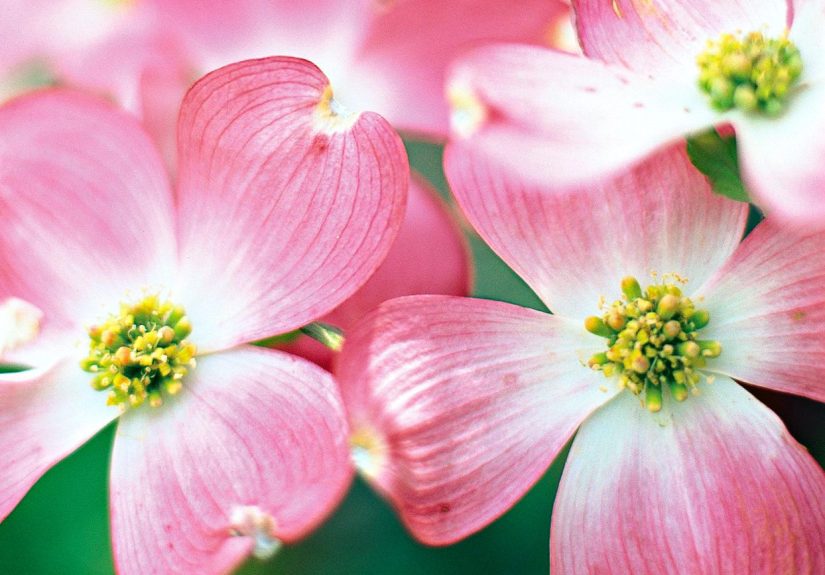
If you want that iconic spring lookfour big bracts surrounding tiny true flowersthis is the traditional favorite. It shines near woodland edges, in partial shade, and in soils that don’t swing wildly from swampy to desert-dry.
Kousa Dogwood (Cornus kousa): Tougher, Later Blooms
Kousa blooms later (often a few weeks after flowering dogwood) and tends to be more tolerant of sun and some diseases. Bonus: interesting bark and knobby-looking fruit later in the season. It’s a great pick if your site is brighter or if local disease pressure is high.
Hybrid “Stellar” Dogwoods: The Problem-Solvers
If you live where dogwood diseases are common, consider hybrid dogwoods bred for improved resistance. These are often selected specifically to handle issues like anthracnose, powdery mildew, and borers better than some traditional varietieshelpful if you’d like your dogwood to live its best life without weekly drama.
Step 2: Choose the Best Planting Spot
Light: Aim for “Morning Sun, Afternoon Shade”
Dogwoods usually perform best with partial shadeespecially protection from hot afternoon sun. Too much sun plus heat can increase stress, and stressed trees are basically sending invitations to pests and diseases.
Drainage: The Non-Negotiable
Dogwoods can tolerate many soil types, but they do not tolerate “wet feet.” Poor drainage is one of the fastest routes to decline. If water lingers after rain, pick a different spot or improve drainage before planting.
Soil: Slightly Acidic, High in Organic Matter
Dogwoods generally prefer moist, well-drained soil with plenty of organic matter and a slightly acidic pH. Translation: a soil test is your friend. If your soil is heavy clay or very alkaline, you can still succeedbut you’ll need to be more intentional with site selection, mulching, and watering.
Give It Space from Lawn Competition
Dogwoods have relatively shallow roots. Turfgrass is a thirsty, competitive roommate. A wide mulched zone helps conserve moisture and reduces the need to mow close to the trunk (which dogwoods absolutely hate).
Step 3: Planting TimeWhen to Plant a Dogwood Tree
- Container-grown dogwoods: Can be planted most of the year if you water carefully during establishment.
- Balled-and-burlapped or bare-root dogwoods: Plant while dormant (late fall through early spring in many regions).
In general, avoid planting right before extreme heat. If summer planting is your only option, be prepared to water consistently and mulch properly.
Step 4: How to Plant a Dogwood Tree (The Right Way)
Planting technique matters more than people want it to. A dogwood planted too deep is like wearing wet socks forevertechnically survivable, emotionally devastating.
1) Find the Root Flare (Do This Before Digging the Final Depth)
The root flare is where the trunk widens at the base and transitions into major roots. Many nursery trees have soil piled too high in the pot, hiding the flare. Gently remove excess soil until you can see it. Your goal is to plant so the root flare ends up at (or slightly above) the finished soil level.
2) Dig a Wide Hole, Not a Deep Hole
Dig the hole 2–3 times wider than the root ball, with sloped sides if possible. The depth should be just enough so the root flare sits at the right height. When in doubt, plant slightly high rather than lowsoil settles.
3) Set the Tree, Straighten It, Then Backfill
- Place the tree so the root flare is at or slightly above grade.
- Rotate the tree for the best “front” (yes, trees have a good side; don’t argue with landscaping).
- Backfill with the native soil you removed, breaking up clods and removing rocks/debris.
- Skip heavy amendments in the hole. If you want to improve soil, do it across a broader area or use compost as a topdressing, not a “lasagna layer” under the root ball.
- Water thoroughly to settle soil and eliminate air pockets.
4) Stake Only If Needed
Most dogwoods don’t need staking in sheltered yards. Stake only if the site is windy or high-traffic, and remove supports once the tree is stable. Overstaking can lead to weaker trunks.
Step 5: WateringHow to Keep Your Dogwood Happy (and Not Crispy)
The First Two Growing Seasons Matter Most
Newly planted dogwoods need consistent moisture while they establish roots. Plan to water once or twice a week during warm months early on, adjusting for rainfall and soil type. When you water, soak the root zone deeply rather than sprinkling the surface like you’re seasoning a salad.
How to Tell If You’re Watering Right
- Too little: Leaf edge scorch, drooping leaves, early leaf drop, slow growth.
- Too much / poor drainage: Yellowing leaves, weak growth, decline despite watering.
- Just right: Even moisture, good leaf color, steady growth, less stress-related pest trouble.
Step 6: MulchingYour Dogwood’s Comfort Blanket
Mulch is one of the best things you can do for a dogwood: it holds moisture, moderates soil temperature, reduces weeds, and creates a “no-mow zone” that protects the trunk from mower injuries.
Mulch Rules (The “Donut,” Not the “Volcano”)
- Use 2–3 inches of organic mulch (pine bark, pine straw, shredded leaves, composted wood chips).
- Keep mulch off the trunk so the root flare stays visible and dry.
- Widen the mulched area over time. Bigger mulch ring = happier roots.
Step 7: FertilizingLess Is Often More
Dogwoods don’t usually need heavy fertilizing, especially early on. In fact, pushing too much nitrogen can favor top growth at the expense of root development and may increase disease issues.
Best Practice: Let a Soil Test Call the Shots
Use a soil test to decide whether fertilizing is needed. Many dogwoods benefit more from an annual topdressing of organic matter (like compost) than from routine fertilizer schedules.
Step 8: PruningSmall, Strategic, and Mostly Optional
Dogwoods typically don’t need routine pruning. Focus on removing dead, damaged, or diseased branches, and improving air circulation if the canopy is too dense.
When to Prune
- Late fall to early winter: Great for structural and larger cuts.
- Right after flowering: Fine for light shaping.
- Anytime: Remove dead branches as soon as you notice them.
Skip wound dressingsclean cuts at the branch collar are the goal.
Step 9: Preventing Common Dogwood Problems
1) Dogwood Anthracnose
This serious disease can cause leaf spots, blotches, twig dieback, and cankers. It tends to spread in cool, wet conditions and can be severe on susceptible species. Choosing resistant varieties, improving airflow, avoiding overhead watering, and keeping the tree unstressed (especially during drought) are key defenses.
2) Powdery Mildew and Leaf Spots
Powdery mildew can show up as a white coating on leaves, often later in the season. It’s usually more cosmetic than fatal, but it can weaken trees over time. Good airflow, avoiding excessive nitrogen, and selecting resistant cultivars help a lot.
3) Dogwood Borer and Trunk Injury
Dogwoods are sensitive to trunk damage from mowers and trimmers. Injuries can invite borers and other issues. A wide mulch ring (plus not mowing like you’re racing) is a simple but powerful prevention strategy.
A Simple Seasonal Care Checklist
Spring
- Check for leaf spots and early disease symptoms.
- Water during dry spells; keep mulch refreshed but not piled high.
- Prune lightly after bloom if needed.
Summer
- Water deeply during drought; dogwoods don’t love heat stress.
- Watch for powdery mildew and insects; avoid overhead irrigation.
Fall
- Remove fallen leaves if disease was present (sanitation helps).
- Topdress with compost if desired; keep the root flare visible.
Winter
- Prune dead/diseased wood; plan spring upgrades (like expanding the mulch ring).
- Protect young trees from mechanical damage and salt spray if applicable.
Frequently Asked Questions
How fast do dogwoods grow?
Moderately. They’re not going to turn into a shade monster overnight, but with good care they’ll steadily fill out and look more impressive each year.
Can I plant a dogwood in full sun?
Some can handle it better than others (kousa types and certain hybrids do well), but full sun plus heat and drought risk is where dogwoods tend to get cranky. If you must plant in full sun, commit to consistent watering and a wide mulch zone.
Should I add compost or peat moss to the planting hole?
Use compost more like a “soil health topping” than a hole-filler. Improving the broader planting bed or adding organic matter as topdressing is usually better than creating a heavily amended pocket that roots don’t want to leave.
Conclusion: The Dogwood Success Formula
Dogwoods thrive when you match their natural preferences: partial shade, well-drained soil, steady moisture, correct planting depth, and low-stress maintenance. Do those things, and your dogwood will reward you with years of spring color and four-season charmwithout requiring daily compliments (though it won’t mind if you give a few).
Real-World Experiences: What Gardeners Learn After Planting Dogwoods (The Stuff You Only Notice Later)
Ask a group of gardeners about dogwoods and you’ll hear a pattern: the successful ones aren’t always planted by the most “advanced” peoplethey’re planted by the people who accidentally recreated a woodland edge and then didn’t mess it up. That’s not sarcasm; that’s practically a strategy.
Experience #1: The right location beats the right fertilizer. Plenty of folks start by shopping for plant food, but dogwoods usually want a better seat, not a bigger dinner. Gardeners who placed their tree where it gets morning sun and afternoon shade often report fewer scorched leaves, fewer mid-summer meltdowns, and better flowering over time. Meanwhile, dogwoods planted beside a heat-reflecting wall or in a wide-open, baking front yard sometimes look fine for one spring… then spend the next two summers auditioning for a “before” photo in a lawn-care ad.
Experience #2: Mulch fixes more problems than people expect. There’s a moment, usually around July, when a gardener realizes the dogwood’s leaves look a little tired. The temptation is to water more, fertilize, or panic-text a plant friend. But the gardeners who keep a wide, sensible mulch ring (not a trunk-hugging volcano) tend to have steadier soil moisture and fewer weeds stealing water. It’s not glamorous, but it’s effectivelike drinking water and going to bed on time.
Experience #3: Dogwoods hate lawn equipment more than winter. Many dogwood “mystery declines” begin with small trunk injuries: a nick from a mower, a scrape from a string trimmer, repeated bumps that seem harmlessuntil they aren’t. Gardeners often learn the hard way that dogwoods are not fans of mechanical damage. A mulch ring that keeps mowing at a respectful distance is less about aesthetics and more about preventing a chain reaction of stress, pests, and disease.
Experience #4: Watering isn’t just frequencyit’s technique. People who sprinkle a little every day often end up with shallow moisture and shallow roots. The gardeners who switched to deep, thorough watering during dry spells usually notice better leaf texture, improved growth, and fewer “crispy edges” by late summer. It’s the difference between giving the tree a sip versus letting it actually drink.
Experience #5: Resistant varieties feel like cheating (in the best way). In areas with known disease pressure, gardeners who choose disease-resistant cultivars or hybrids often describe it as “finally relaxing.” They still water, mulch, and prune sensiblybut they’re not constantly worried that one wet spring will wreck the canopy. It’s not that resistant trees are invincible; it’s that they start the game with better odds.
Experience #6: Dogwoods respond to consistency. The most common “success stories” sound surprisingly boring: “We watered during drought, kept mulch on, didn’t over-fertilize, and stopped hitting it with the weed whacker.” Boring is good. Boring is stable. Boring is what dogwoods like.
If you want a dogwood that looks like it belongs on a postcard, think less “intensive management” and more “set it up correctly and maintain calm.” The tree will handle the restquietly, beautifully, and with just enough drama to keep you humble.