Table of Contents >> Show >> Hide
- Evolvulus at a Glance
- Pick the Right Evolvulus for Your Garden
- Where to Plant Evolvulus
- When to Plant Evolvulus
- How to Plant Evolvulus in the Ground
- How to Plant Evolvulus in Containers
- Watering Evolvulus the Right Way
- Fertilizer and Feeding
- Pruning, Pinching, and Keeping It Looking Full
- How to Get More Flowers (and Fewer Disappointments)
- Propagation: How to Make More Evolvulus
- Overwintering Evolvulus (If You Don’t Want to Say Goodbye)
- Pests and Diseases
- Landscape and Design Ideas That Actually Work
- Quick FAQs
- Grower Notes: of “What You Learn After the First Season”
If you’ve ever wandered through the garden center and thought, “Why is everything either red, yellow, or aggressively purple?”
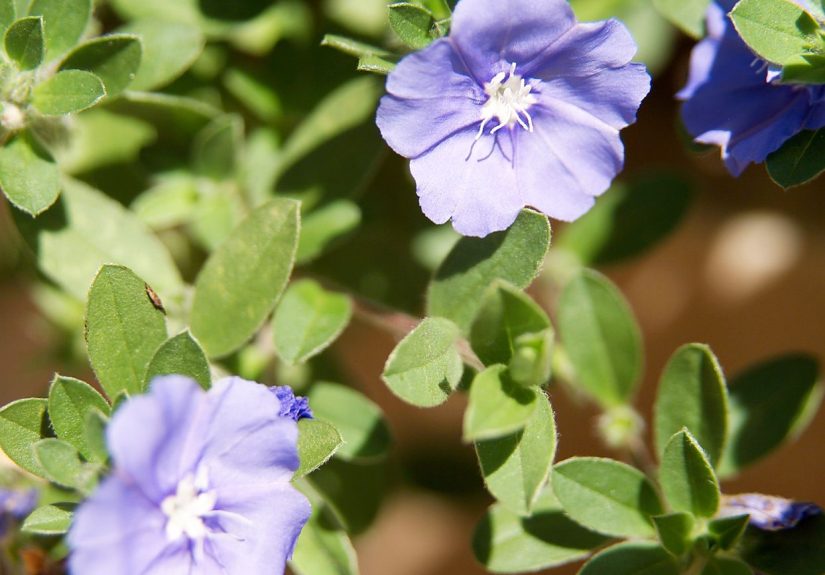
then evolvulus is about to become your new best friend. Commonly sold as Blue Daze (and in newer selections like
Blue My Mind), evolvulus brings that rare, clear sky-blue flower color that gardeners chase like it’s a
limited-edition sneaker drop. And the best part? It’s not fussyjust picky about one thing: it hates wet feet.
In this guide, you’ll learn exactly how to plant and grow evolvulus so it stays full, floriferous, and ready to spill over the edge
of a container like it’s auditioning for a magazine cover. We’ll cover where it thrives, how to plant it, how to keep it blooming,
and how to troubleshoot the handful of issues that can make this otherwise easy plant throw a tiny tantrum.
Evolvulus at a Glance
- Botanical name: Evolvulus (commonly Evolvulus glomeratus types sold in the U.S.)
- Common names: Evolvulus, Blue Daze, dwarf morning glory (it’s in the morning glory family, but not a vine)
- Growth habit: Low, mounding, and trailinggreat as a ground cover or “spiller” in pots
- Typical size: Roughly 6–12 inches tall with a spread often around 1–2 feet (varies by cultivar and conditions)
- Bloom behavior: Flowers open in the morning and often close later in the day and on cloudy days (totally normal)
- Best feature: True-blue blooms + heat tolerance
Pick the Right Evolvulus for Your Garden
Most gardeners meet evolvulus through cultivars marketed for containers and sunny bedsespecially “Blue Daze” and improved, more
uniform selections like “Blue My Mind.” These plants are bred for heavy flowering, tidy growth, and that dreamy blue color that makes
everything nearby look more expensive.
Annual or perennial?
In warm climates, evolvulus can behave like a tender perennial. In colder regions, it’s typically grown as a warm-season annual,
planted after frost and enjoyed until fall. If you’re in a cooler zone and you fall in love (it happens), you can overwinter it indoors
or, even easier, overwinter a few cuttings and start fresh next spring.
Where to Plant Evolvulus
Sunlight: give it the bright stuff
Evolvulus performs best in full sun, meaning at least 6 hours of direct light. It can tolerate some shade, especially
in scorching climates, but too much shade often means fewer flowers and a looser shape. If you want maximum bloom power, prioritize sun.
Soil: well-drained is non-negotiable
The #1 rule of evolvulus care is simple: avoid soggy soil. This plant can handle heat and short dry spells once established,
but consistently wet conditions invite rot and fungal problems. Aim for soil that drains easily. If your garden bed tends to stay damp,
consider a raised bed, a slope, or container growing.
Soil pH and texture
Evolvulus is adaptable, but it generally prefers soil that’s slightly acidic to neutral and drains well. If your soil is heavy clay,
mixing in compost and creating a slightly raised planting area can improve drainage. In containers, use a high-quality potting mix
designed to drain freelyno “mystery mud” from the bargain bin.
When to Plant Evolvulus
Treat evolvulus like a warm-weather celebrity: it arrives after the cold is gone and does not do surprise frost appearances.
Plant outdoors after the danger of frost has passed and nighttime temperatures are reliably mild. In warm regions,
planting windows are longer, but spring is still the sweet spot for fast establishment and a long bloom season.
How to Plant Evolvulus in the Ground
- Choose a sunny spot with good drainage. If water puddles after rain, pick another location or amend and raise the bed.
- Loosen the soil to help roots expand. Mix in compost if your soil is compacted, but don’t overdo itdrainage matters more than richness.
- Dig a hole slightly wider than the root ball and about as deep as the pot.
- Set the plant at the same depth it was growing in its container. Planting too deep can stress the crown.
- Backfill and gently firm the soil (no stompingplants have feelings… okay, they don’t, but roots hate being crushed).
- Water thoroughly to settle the soil and remove air pockets.
- Mulch lightly (optional). Keep mulch from piling against the stem to reduce moisture-related issues.
Spacing tips
For quick coverage, space plants about 12–18 inches apart. In humid climates or rainy seasons, slightly wider spacing can improve air flow
and reduce fungal headaches. If you’re planting a lot of evolvulus, think “breezy” not “stuffed sardines.”
How to Plant Evolvulus in Containers
Evolvulus is a container superstarespecially as a trailing “spiller” in mixed pots, window boxes, and hanging baskets.
Here’s how to keep it thriving:
- Pick a pot with drainage holes. (If it has no holes, it’s décor, not a planter.)
- Use a well-draining potting mix. Avoid heavy garden soil in containersit compacts and holds too much water.
- Place in full sun. Containers can be moved, so use that power.
- Water well at planting and keep evenly moist during the first few weeks while roots establish.
Example container pairing
Try evolvulus as the spiller with upright, sun-loving companions like salvias or ornamental grasses, plus a “filler” like lantana or
angelonia. The blue blooms act like a color “cool-down” that makes hot tones look sharper and more intentional.
Watering Evolvulus the Right Way
The establishment phase (first few weeks)
New plantings need consistent moisture while roots spread into the surrounding soil. Water deeply, then let the top layer of soil dry slightly
before watering again. The goal is “evenly moist,” not “swamp chic.”
Once established
After it’s rooted in, evolvulus becomes more drought-tolerant. In many gardens, it can coast through normal weather with occasional deep watering.
In containers, it will need water more frequentlyespecially during heat wavesbecause pots dry out fast.
How to tell if you’re overwatering
- Yellowing leaves + limp growth even when soil is wet
- Mushy stems near the soil line
- Soil that stays wet for days
If these show up, improve drainage immediately and let the soil dry down. Overwatering is the fastest way to turn a “low maintenance plant”
into a “why is this happening to me” moment.
Fertilizer and Feeding
Evolvulus isn’t a heavy feeder. In ground beds with decent soil, a little compost at planting time can be enough. In containers or very sandy soil,
a light hand with fertilizer supports better bloom without pushing weak, leggy growth.
Practical feeding options
- At planting: Mix compost into the planting area or use a slow-release fertilizer according to label directions.
- During the season: A modest, periodic feeding (especially in containers) can keep flowering steady.
- Avoid overfeeding: Too much fertilizer can reduce flowering and encourage floppy growth.
Pruning, Pinching, and Keeping It Looking Full
Evolvulus generally doesn’t need deadheadingspent blooms drop on their own. But it does benefit from light grooming if it starts looking
lanky or uneven.
Easy shaping routine
- Pinch tips early (optional) to encourage branching and a fuller mound.
- Trim lightly midseason if it gets leggythink “haircut,” not “buzz cut.”
- After heavy rain periods in humid climates, remove any weak or damaged stems to improve airflow.
How to Get More Flowers (and Fewer Disappointments)
If your evolvulus is green but stingy with blooms, it’s usually one of these issues:
- Not enough sun: Move containers or shift to a sunnier bed next season.
- Too much nitrogen: Lots of leaves, few flowers. Ease up on fertilizer.
- Soil staying too wet: Roots get stressed and flowering drops. Fix drainage.
- Normal bloom rhythm: Flowers may look “spent” by afternoon because they often open for a short window.
Propagation: How to Make More Evolvulus
Many common evolvulus varieties are cultivars, which means growing from seed may not produce plants that look like the parent.
For consistent results, stem cuttings are the go-to methodand they’re surprisingly doable for home gardeners.
Step-by-step: rooting stem cuttings
- Take cuttings in summer from healthy growth. Aim for 3–5 inch tips.
- Remove leaves from the lower portion and strip off any flowers/buds so the cutting focuses on roots.
- Optional: Dip the cut end in rooting hormone.
- Plant in moist potting mix in a small container (around 4 inches works well).
- Provide bright, indirect light and steady warmth (around the mid-60s°F range is often recommended).
- Keep lightly moistnot soggyuntil roots form, then gradually increase light.
Bonus: cuttings as your overwintering strategy
In cooler climates, taking a few cuttings before fall can be the easiest way to “save” your favorite plant. Keep rooted cuttings indoors in a bright,
cool spot and water sparingly through winter. In spring, you’ll have ready-to-go plants without starting from scratch.
Overwintering Evolvulus (If You Don’t Want to Say Goodbye)
Evolvulus doesn’t like frost. If you want to overwinter it, you have two realistic options:
- Bring the whole container indoors: Place near a bright window, keep temperatures mild, and water sparingly.
- Overwinter cuttings: Often easier, cleaner, and less buggy than hauling in a full-sized plant.
Either way, check occasionally for indoor pests like aphids or spider mites, especially if the plant is stressed or light is low.
Pests and Diseases
Evolvulus is generally not a magnet for pests, but “generally” is not the same as “never.” Most problems trace back to conditionsespecially too much moisture.
Common issues and what to do
- Root rot: Caused by wet soil and poor drainage. Fix drainage, reduce watering, and consider replanting in a drier spot.
- Fungal problems in rainy/humid periods: Improve air circulation with proper spacing, avoid waterlogged soil, and remove affected growth.
- Aphids/spider mites (more common indoors or in stressed plants): Rinse foliage, increase airflow, and use gentle controls like insecticidal soap if needed.
Landscape and Design Ideas That Actually Work
Evolvulus isn’t just “a plant with blue flowers.” It’s a design tool. Use it strategically and it can make your garden look more cohesivewithout needing a
landscape architect or a second mortgage.
Best uses for evolvulus
- Ground cover: Create a low, soft carpet effect along borders or in sunny beds.
- Edging: Line paths or garden beds for a clean, colorful edge.
- Spiller in containers: Let it trail over the rim to soften hard pot edges.
- Cascading over walls or raised planters: The trailing habit looks intentional and lush.
Companion plant examples
- Hot-and-sunny combo: Evolvulus + lantana + zinnias (bright, heat-proof, and pollinator-friendly).
- Modern cool-toned combo: Evolvulus + silvery foliage plants + purple salvia (blue and silver looks crisp in full sun).
- Container “easy mode”: Evolvulus spilling + one upright bloomer + one filler (simple structure, maximum payoff).
Quick FAQs
Why do the flowers close in the afternoon?
That’s typical for evolvulus. Many blooms open in the morning and close later in the day, and they may also close on cloudy days. Plan to enjoy the show
earlier in the daythink of it as a “morning person” plant.
Is evolvulus invasive?
Most commonly grown cultivars sold for landscapes are not considered invasive in typical garden use. As with any ornamental plant, follow local guidance and
avoid letting any plant escape into natural areas.
Can I grow evolvulus indoors year-round?
It’s possible to overwinter it indoors, but long-term indoor growing can be tricky without very bright light. Many gardeners have better success overwintering
rooted cuttings and growing the plant outdoors during the warm season.
Grower Notes: of “What You Learn After the First Season”
Gardeners tend to have the same first reaction to evolvulus: “Where has this blue been all my life?” And then they have the second reaction:
“Waitwhy does it look tired at 3 p.m.?” The most common real-world lesson is that evolvulus is a morning show. You’ll get the brightest,
freshest-looking blooms earlier in the day, and by afternoon the flowers can look spent or closed. That’s not failure; that’s the plant doing its thing.
Once you expect the bloom rhythm, you stop panicking and start appreciating how consistent it is.
The next big “experience-based” takeaway is watering. People often hear “drought tolerant” and assume evolvulus wants to be ignored completely.
In reality, it’s more nuanced: evolvulus likes regular water while it’s establishing, and it typically flowers better with consistent moisture,
but it absolutely does not want to sit in wet soil. The practical sweet spot many gardeners settle into is this:
deep water, then let the top of the soil dry a bit before watering again. In containers, that might mean checking daily in peak summer heat.
In the ground, it might mean a thorough soak during dry spells and letting natural rainfall handle the rest. The “aha” moment is realizing that
the plant isn’t asking for more waterit’s asking for better-timed water.
Gardeners also learn quickly that evolvulus is a sunlight negotiator, not a sunlight minimalist. Give it full sun and it rewards you with better shape
and heavier flowering. Put it in too much shade and it may still livepolitelybut it often gets looser and less floriferous. In very hot regions,
some folks find a little afternoon shade prevents the plant from looking stressed in west-facing beds that bake late in the day, especially if the site
reflects heat off pavement or stone. The “experience tip” here is to watch your microclimate: the same plant can behave differently in two spots only
ten feet apart.
Another common lesson: a small midseason trim can be magic. Many gardeners hesitate because they don’t want to cut off flowers, but a light “haircut”
can prompt branching and fresh growth, especially in containers where plants can get leggy. The key is restrainttrim a little, water normally, and let it rebound.
Finally, a lot of gardeners discover that overwintering cuttings is easier than overwintering the whole plant. Instead of hauling in a big pot,
they take a few cuttings in summer, root them, and keep them bright and lightly watered through winter. Come spring, they’re not just saving evolvulus
they’re saving time, money, and their back. Which, honestly, is the most luxurious garden upgrade of all.