Table of Contents >> Show >> Hide
- Why Grow a Guava Tree?
- Best Climate for Guava Trees
- Choose the Right Guava Tree Before You Plant
- Where to Plant Guava Trees
- What Soil Do Guava Trees Need?
- How to Plant Guava Trees Step by Step
- How Often to Water a Newly Planted Guava Tree
- Guava Tree Fertilizer Tips
- Pruning and Training Guava Trees
- Cold Protection for Guava Trees
- Common Problems: Pests, Diseases, and Nutrient Issues
- When Will a Guava Tree Bear Fruit?
- Can You Grow Guava in a Container?
- Extra Grower Experience: What Planting Guava Really Teaches You
- Final Thoughts
Guava trees are the kind of backyard overachievers that make other fruit trees look like they are still hitting the snooze button. Give them warmth, sunshine, decent drainage, and a little patience, and they reward you with fragrant fruit, glossy leaves, and a tropical vibe that makes your yard feel a bit more like a vacation. The trick is that planting guava trees the right way matters more than people think. A guava planted too deep, watered like a swamp plant, or shoved into a shady corner will not send you a thank-you note.
This guide walks you through how to plant guava trees, how to care for them after planting, and how to avoid the classic beginner mistakes. Whether you are growing guava in the ground in a warm climate or keeping one in a large container, this guide will help you build a healthy, productive tree from day one.
Why Grow a Guava Tree?
Guava is not just another fruit tree. It is a fast-growing tropical to subtropical plant that can be both ornamental and practical. The tree has attractive bark, evergreen foliage, and fruit that can range from sweet and floral to slightly tangy, depending on the variety. In warm regions, a healthy tree can become a reliable backyard producer.
Another reason gardeners love guava is flexibility. You can train it as a small tree, keep it pruned as a large shrub, or even grow it in a pot if winters get too cold. That means you do not need a huge orchard to enjoy fresh guava. You just need a warm, sunny plan and enough discipline not to drown it with kindness and a hose.
Best Climate for Guava Trees
Guava grows best in warm areas with lots of sun and protection from hard freezes. It performs beautifully in tropical and subtropical conditions and generally does best outdoors where winters stay mild. In cooler regions, guava can still be grown successfully in a container that can be moved indoors or into a greenhouse when temperatures drop.
If your area occasionally dips near freezing, choose the warmest spot in the landscape, preferably one protected from wind and cold pockets. A south-facing wall, a sheltered courtyard, or the warm side of a building can make a noticeable difference. Young guava trees are especially vulnerable to cold, so they need extra protection during their first few winters.
Choose the Right Guava Tree Before You Plant
The first step in successful guava tree care starts before you ever touch a shovel. Buy a healthy nursery tree rather than starting from seed if you want predictable fruit quality and a faster harvest. Seed-grown guava may not come true to type, and it can take much longer to fruit. A grafted, rooted cutting, or air-layered tree is usually the smarter move for home gardeners.
Look for a tree that is about two to four feet tall in a reasonably sized container. Avoid a large top-heavy tree crammed into a tiny pot, because that often means it is root-bound. A root-bound guava may struggle after planting, and nobody wants their new fruit tree to begin life with the botanical equivalent of wearing shoes three sizes too small.
Where to Plant Guava Trees
Location is everything. Guava wants full sun, good air circulation, and soil that drains well. Pick a site that gets at least six to eight hours of direct sun daily. More light generally means better growth, stronger flowering, and sweeter fruit.
Spacing matters too. A guava tree can become fairly broad if left unpruned, so do not wedge it between the fence, the patio, and your neighbor’s prize hydrangeas. In most home landscapes, give guava about 15 to 25 feet from buildings, other trees, and overhead lines. If you plan to prune it consistently and keep it compact, you may manage with less, but more room usually makes care easier.
Also avoid sites that stay soggy after rain. Guava can tolerate short wet periods better than some fruit trees, but it does not want to sit in waterlogged soil for long. Roots need oxygen too.
What Soil Do Guava Trees Need?
One reason guava is popular is that it adapts to many soil types, including sandy and loamy ground. The two non-negotiables are good drainage and a soil environment that does not stay constantly saturated. Slightly acidic to neutral soil is often ideal, though guava can handle a broader range than many gardeners expect.
If your native soil is heavy clay, improve the planting area and drainage before planting. If your soil is very alkaline, watch for nutrient deficiencies over time, especially iron. In tough soils, a soil test is a smart move because it tells you whether you really need to adjust anything or whether the internet has simply made you nervous for no reason.
How to Plant Guava Trees Step by Step
1. Clear the planting area
Remove grass and weeds in a wide circle around the planting site. Turf competes aggressively with young fruit trees for water and nutrients, and guava is much happier without lawn crowding its roots.
2. Dig a wide planting hole
Dig a hole about three to four times wider than the container and roughly three times as deep. The goal is not to bury the tree deep like treasure. It is to loosen the surrounding soil so the roots can expand more easily into their new home.
3. Do not plant too deep
Set the tree so the top of the root ball sits level with or slightly above the surrounding soil. This is one of the most important rules in fruit tree planting. Planting too deep can lead to poor establishment, trunk problems, and root stress.
4. Backfill with native soil
Use the soil you removed from the hole to fill back in around the roots. If you want to add compost, mix it with the excavated soil rather than creating a rich little pocket that roots may circle in instead of moving outward. Think of it as helping the tree adapt to the real world, not building it a luxury hotel it can never leave.
5. Water immediately
Once planted, water thoroughly to settle the soil and remove air pockets. This first deep watering is essential for helping roots make good contact with the surrounding soil.
6. Mulch correctly
Apply a 2- to 6-inch layer of mulch around the root zone to hold moisture, reduce weeds, and moderate soil temperature. Keep the mulch 8 to 12 inches away from the trunk. Piling mulch against the trunk is one of those gardening mistakes that looks tidy and causes trouble later.
How Often to Water a Newly Planted Guava Tree
Watering is where many new guava growers wobble a bit. Newly planted trees need regular moisture while they establish, but guava does not want permanently soggy roots. Right after planting, water well. For the first week or so, water about every other day. After that, shift to one or two times a week for the first couple of months, depending on rainfall, heat, and soil type.
Once the tree is established, water deeply during dry spells rather than giving it frequent shallow sips. During flowering and fruit development, avoid drought stress because it can reduce fruit set and fruit quality. On the other hand, overwatering can encourage root problems and weak growth. In other words, aim for consistent moisture, not a mud spa.
Guava Tree Fertilizer Tips
Guava is often described as a heavy feeder, especially while it is young and growing fast. During the first year, feed lightly but regularly with a balanced fertilizer. Many growers use blends such as 6-6-6-2 or similar formulations that include magnesium. As the tree matures, you can reduce frequency to about three or four feedings per year, increasing the amount as the canopy grows.
Do not scatter fertilizer right against the trunk. Spread it starting a little away from the base and moving outward toward the drip line. Water it in well. If your soil is alkaline or your leaves begin yellowing between the veins, you may need to address micronutrients such as iron.
Organic matter also helps. A yearly addition of compost around the root zone can support soil structure and microbial life, which is great for long-term guava tree care.
Pruning and Training Guava Trees
If you want a productive, manageable tree, pruning is not optional. The good news is that guava fruits on new growth, so thoughtful pruning usually helps rather than hurts production.
In the first year, shape the tree by selecting a central trunk and several well-spaced lateral branches, or allow it to form a more bushy habit if that suits your space better. After establishment, prune annually in late winter or early spring to remove water sprouts, weak shoots, crossing branches, and overly dense interior growth.
The goals are simple: keep the canopy open to sunlight, improve air circulation, and control height so harvesting does not require Olympic-level stretching. A guava tree can take fairly heavy pruning, which is excellent news for gardeners with enthusiasm, hand pruners, and limited square footage.
Cold Protection for Guava Trees
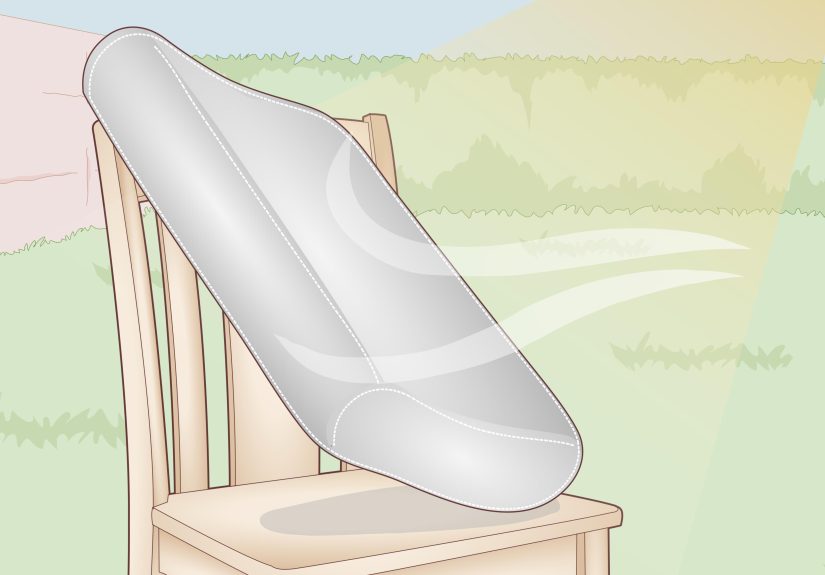
Cold is one of the biggest threats to tropical guava. Young trees can be damaged when temperatures approach freezing, so plan ahead if you garden in a marginal climate. Frost cloth, temporary frames covered with fabric, and strategic planting near heat-retaining structures can all help. Container plants are even easier because they can be moved to a protected location.
Wind protection matters too. Cold wind dries foliage and increases stress, especially in winter. If your site is exposed, consider planting near a windbreak or other shelter that does not cast too much shade.
Common Problems: Pests, Diseases, and Nutrient Issues
Healthy, well-sited guava trees are easier to manage than stressed ones, but a few problems show up often enough to deserve attention.
Anthracnose
This fungal disease is a major issue in humid conditions and can affect flowers and fruit. It often shows up as dark, sunken spots on fruit. Good air circulation, sanitation, and avoiding overhead watering late in the day can help reduce disease pressure.
Rust and other fungal issues
In wet climates, fungal diseases can also affect foliage and young shoots. Remove infected plant material when practical, keep the canopy open, and buy clean nursery stock.
Nematodes
Root-knot and other nematodes can be a hidden problem, especially if you start with infested planting material. This is one more reason to buy from a reputable nursery and plant only healthy stock.
Nutrient deficiency
Yellowing leaves, weak growth, or poor fruiting can point to nutrient imbalance. In alkaline soils, iron deficiency is especially common. A soil test plus leaf symptoms can save you from guessing and overcorrecting.
When Will a Guava Tree Bear Fruit?
If you plant a vegetatively propagated tree, you may see fruit in as little as three to four years, sometimes sooner under ideal conditions. Seed-grown trees are less predictable and often take longer. Mature trees can be impressively productive, which is exciting right up until you realize you now need plans for fresh guava, guava jam, frozen guava, and politely forcing guava on neighbors.
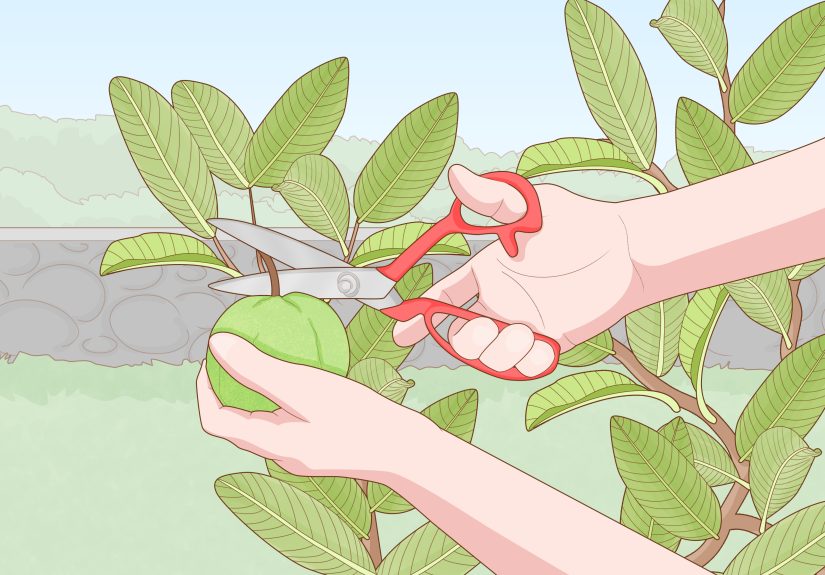
Harvest timing depends on variety and climate, but ripe fruit usually develops better aroma, softer texture, and more color. Handle fruit gently because guava bruises more easily than it looks like it should.
Can You Grow Guava in a Container?
Yes, and for many gardeners outside warm climates, that is the best strategy. Choose a large container with excellent drainage, use a loose, fertile potting mix, and place the plant in the sunniest location possible. Container-grown guava dries out faster than in-ground trees, so monitor soil moisture closely during hot weather.
You will also need to prune roots and canopy over time to keep the plant manageable. Repot as needed, feed during active growth, and bring the plant indoors or under protection before cold weather arrives. A container guava may need a little more attention, but it is still much easier than trying to convince winter to behave itself.
Extra Grower Experience: What Planting Guava Really Teaches You
One of the most useful real-world lessons from growing guava is that this tree rewards balance more than perfection. New growers often assume tropical fruit trees need constant pampering, but guava usually responds best when the basics are done well and then left alone. The first big lesson is site selection. A guava planted in blazing sun with room to breathe usually outperforms a tree planted in rich soil but lousy light. Gardeners sometimes spend weeks comparing fertilizer brands and forget that sunlight is still doing most of the heavy lifting.
The second lesson is that young guava trees can look fine for a while even when planted poorly. That is what makes deep planting so sneaky. The tree may push leaves and seem happy, then slow down months later because the roots never really settled in properly. Growers who have planted more than one guava tend to become almost dramatic about root flare and soil line height, and honestly, they have earned that drama.
Another common experience is learning the difference between regular watering and overwatering. New gardeners often worry that a tropical plant must want wet feet all the time. Then the leaves yellow, growth stalls, and the soil smells like regret. Experienced growers learn to check the soil, not their anxiety level. Deep watering followed by time for the upper soil to dry slightly usually works better than daily sprinkling.
Pruning is another area where confidence grows with experience. At first, many people are afraid to cut anything because every branch feels precious. Then the tree gets dense, the center turns shady, and harvesting becomes a game of tropical hide-and-seek. After one season of wrestling through a tangled canopy, most gardeners become much happier about annual pruning. Guava is forgiving, and once you understand that fruit forms on new growth, pruning stops feeling like sabotage and starts feeling like strategy.
Growers in cooler climates often say container culture teaches them discipline. A potted guava may thrive all summer and then suddenly need protection at the first serious cold snap. That experience turns weather apps into daily reading material. It also teaches that moving a container is far easier than mourning a frozen tree in spring.
Finally, there is the harvest lesson. Guava rarely follows your exact schedule. Fruit ripens when it is ready, not when you finally bought the cute basket for it. The best growers learn to watch for aroma, softness, and subtle color change instead of relying on a fixed date. In a way, guava teaches the gardener to pay attention. And that may be the best experience of all, because once you learn to really observe one fruit tree well, you become a better gardener across the board.
Final Thoughts
If you want a fruit tree that looks tropical, grows fast, and can be surprisingly generous with fruit, guava is a terrific choice. The essentials are simple: choose a healthy tree, plant it in full sun, keep it slightly high in a well-drained site, water it carefully while it establishes, feed it regularly, and prune it with purpose. Do those things well, and your guava tree has an excellent chance of becoming the star of the yard.
In short, how to plant guava trees successfully comes down to smart placement, good drainage, and steady early care. Skip the soggy soil, respect the sun, and do not bury the crown. Your guava will handle the rest with admirable enthusiasm.