Table of Contents >> Show >> Hide
- Why Proper Oil Storage Matters (and What “Rancid” Really Means)
- The 3 Enemies of Cooking Oil: Light, Heat, and Air
- The Best Place to Store Cooking Oils in a Typical Kitchen
- Should You Refrigerate Cooking Oil?
- Keep It in the Original Container (Yes, Even if Your Bottles Are Cute)
- How Long Does Cooking Oil Last?
- Oil-by-Oil Storage Guide
- How to Tell If Oil Is Rancid
- Special Safety Warning: Garlic, Herbs, and Chili in Oil
- Buying & Using Tips That Make Storage Easier
- Quick FAQ
- Kitchen Experiences That Make These Rules Feel Real (Extra )
- Conclusion
Cooking oil is basically a liquid ingredient that wants to be treated like a vampire: keep it away from light, heat, and too much air, and it’ll stay pleasant. Ignore those rules and it turns into rancid sadnessflattened flavor, weird aromas, and that “why does my salad taste like a candle?” moment.
Across U.S. university extension programs, food-safety guidance, and olive-oil quality experts, the message is consistent: proper cooking oil storage is less about fancy gadgets and more about controlling the environment. Let’s turn your pantry into a five-star oil spa (minus the cucumber water).
Why Proper Oil Storage Matters (and What “Rancid” Really Means)
Most cooking oils don’t “spoil” the way milk does, but they do oxidize. Oxidation is a slow chemical reaction where fats react with oxygenespecially when helped along by heat and light. The result is rancidity: off-flavors and off-odors that can taste bitter, stale, or like crayons/putty (not a tasting note anyone brags about).
Storage won’t make oil immortal, but it can dramatically slow that declineso your olive oil tastes like olives, not like a forgotten box of old nuts.
The 3 Enemies of Cooking Oil: Light, Heat, and Air
1) Light: The Flavor Thief
Lightespecially sunlightaccelerates breakdown. This is why many quality oils come in dark glass, metal tins, or opaque packaging. If your oil lives on the countertop in a sunbeam, it’s basically tanning every day.
2) Heat: The Rancidity Fast-Forward Button
Heat speeds up oxidation. That’s why “next to the stove” is a bad storage plan, even if it’s convenient. If your oil is getting frequent warmth from burners, ovens, dishwashers, or direct sunlight through a window, it won’t last as long.
3) Air: The Invisible Problem
Every time you open a bottle, oxygen gets in. More oxygen = faster oxidation. This is one reason experts often recommend buying a size you’ll use within weeks or a couple of months after opening, rather than a mega-jug you’ll still be nursing next summer.
The Best Place to Store Cooking Oils in a Typical Kitchen
For most households, the best storage spot is boringand that’s a compliment:
- A cool, dark cabinet or pantry (closed most of the time)
- Away from the stove/oven and other heat sources
- Dry (humidity and splashes don’t do oils any favors)
If you want one easy rule: store oils where you’d store chocolatecool, dark, and not next to something hot.
Should You Refrigerate Cooking Oil?
This depends on the oil. Refrigeration can slow oxidation, which can help certain oils last longer. But it can also cause cloudiness or solidification (especially olive oil and coconut oil). That change is usually cosmetic and reversiblebring the bottle back to room temperature and it clears up.
General guidance:
- Pantry is best for most everyday refined cooking oils you use regularly (canola, vegetable, peanut, grapeseed).
- Refrigeration is smart for delicate, high-polyunsaturated, specialty, or “finish” oils you use slowly (flaxseed, walnut, some sesame oils, unrefined oils).
- Consistency helps: repeatedly moving an oil between fridge and warm kitchen can create condensation issues for some products and is generally not ideal.
Keep It in the Original Container (Yes, Even if Your Bottles Are Cute)
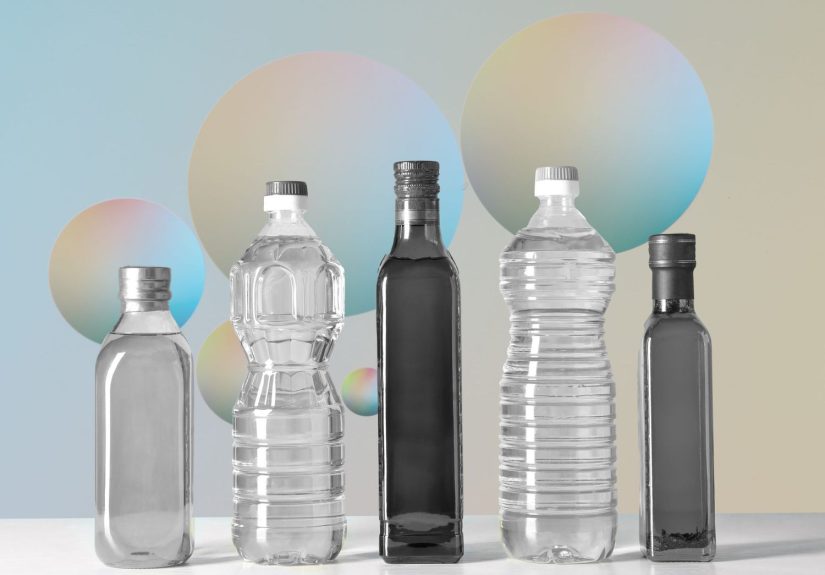
Those matching glass dispensers look greatuntil your oil goes stale faster because it’s getting extra light and air. Many producers package oil specifically to protect it (tinted glass, metal tins, bag-in-box). Keeping oil in its original container is often the simplest way to preserve quality.
If You Decant Oil, Do It Like a Pro
If you really want a countertop pour bottle (or you’re tired of “glug-glug” disasters), you can decantjust do it strategically:
- Use a small dispenser so it’s refilled frequently (less time exposed to air).
- Choose tinted/opaque glass or stainless steel rather than clear glass.
- Pick a dispenser with a tight cap (open spouts are basically oxygen funnels).
- Refill from a larger container stored properly in a dark cabinet.
How Long Does Cooking Oil Last?
There isn’t one universal expiration timer because shelf life depends on the oil type (refined vs. unrefined), fat composition, packaging, and storage temperature. But experts and extension guidance commonly suggest:
General Shelf-Life Patterns
- Refined neutral oils (vegetable, canola, peanut, grapeseed): usually last longer than delicate unrefined oils, especially unopened.
- Extra virgin olive oil: best flavor when used relatively soon after opening; quality gradually declines with time and exposure.
- Delicate specialty oils (flaxseed, walnut, hazelnut, truffle-infused oils): can go rancid quicklyrefrigeration helps.
Practical tip: Don’t treat “best by” dates like a dare. They’re usually about quality, not a magical safety cliff. If the oil smells stale or tastes off, it’s doneno negotiation.
Oil-by-Oil Storage Guide
Olive Oil (Extra Virgin & Virgin)
- Store: cool, dark pantry or cabinet
- Container: original tinted bottle, tin, or bag-in-box
- Avoid: windowsills, near the stove, and pour spouts for long-term storage
- Note: refrigeration can cause cloudiness/solidification; it’s typically reversible, but pantry storage is usually preferred for everyday use
Avocado Oil
- Store: cool, dark cabinet away from heat
- Why: like other oils, it oxidizes over time; experts recommend buying realistic sizes and storing away from heat/light
- Extra tip: if you’re not using it quickly, consider smaller bottles to limit oxygen exposure
Canola, Vegetable, Peanut, Grapeseed (Everyday Cooking Oils)
- Store: pantry is usually fine if it’s cool and dark
- Seal: cap tightly after each use
- If your kitchen runs hot: refrigeration can extend shelf life for some oils (expect some cloudiness in certain types)
Sesame Oil
- Toasted sesame oil: treat like a flavor oilstore cool and dark; refrigeration often helps if used slowly
- Regular sesame oil: pantry is fine for frequent use; refrigerate if you keep it for long periods
Flaxseed Oil (and Similar Omega-3-Rich Oils)
- Store: refrigerator
- Container: dark bottle
- Reality check: flaxseed oil is fragile and has a short shelf life after openingbuy small and use promptly
Walnut, Hazelnut, and Other Nut Oils
- Store: refrigerator (especially after opening)
- Use: mostly as finishing oils; keep them cold to slow oxidation
- Smell test: nut oils can turn quicklytrust your nose
Coconut Oil
- Store: pantry or cabinet (it’s relatively stable)
- Expect: solid in cool rooms, liquid in warm roomsnormal behavior
- Refrigeration: optional; it will harden
How to Tell If Oil Is Rancid
Don’t rely on looks alonesome rancid oils look perfectly fine. Use this simple checklist:
- Smell: stale, waxy, “crayon,” putty, or old nuts
- Taste: flat, bitter, or oddly harsh (if safe to taste a drop)
- Texture: sometimes sticky or thicker than normal
- Frying behavior: excessive smoking at normal temps or foaming can be a sign an oil is past its prime
If it smells wrong, it’s not “still probably fine.” It’s your oil telling you it’s ready to retire.
Special Safety Warning: Garlic, Herbs, and Chili in Oil
Here’s the one area where oil storage is not just about flavor: homemade infused oils. Garlic and fresh herbs in oil can create a low-oxygen environment where Clostridium botulinum toxin can develop if handled incorrectly. Public-health and extension guidance commonly recommends refrigeration and short storage windows for homemade garlic/herb oils.
Safe habits for infused oils at home
- Refrigerate homemade garlic- or herb-infused oils.
- Use quickly (short timelines are commonly recommended for safety).
- When in doubt, freeze for longer storage.
- For shelf-stable methods, follow a tested extension/public-health recipe (not a random social post).
Translation: your “rustic” jar of garlic-in-oil on the counter is not rustic. It’s risky.
Buying & Using Tips That Make Storage Easier
Storage isn’t just where you put oilit’s how you buy and use it. Experts often recommend these habits because they reduce time and oxygen exposure:
- Buy the right size: choose a bottle you can finish within weeks to a couple months after opening (especially for extra virgin olive oil).
- Prefer protective packaging: dark glass, tins, or bag-in-box formats help limit light and air exposure.
- Date your bottle: write the open date on painter’s tape. It’s not dramaticit’s organized.
- Keep caps clean and tight: oil around the rim can go stale and affect aroma over time.
- Store backups separately: keep unopened bottles in the coolest, darkest place you have.
Quick FAQ
Is rancid oil dangerous?
Rancid oil is mainly a quality issuebad flavor, poor aroma, and a less enjoyable cooking experience. If an oil smells or tastes noticeably off, most experts recommend discarding it.
Can I store oil in a clear glass bottle if it’s in a cabinet?
If the cabinet stays closed and cool, it’s better than leaving it on the counterbut tinted or opaque containers are still safer for quality. Clear glass plus frequent light exposure is a fast track to staleness.
My olive oil turned cloudy in the fridge. Is it bad?
Not necessarily. Many oils become cloudy or semi-solid when chilled. Let it return to room temperature; it often clears. Cloudiness alone isn’t a reliable rancidity testsmell and taste matter more.
Kitchen Experiences That Make These Rules Feel Real (Extra )
In real kitchens, oil storage mistakes usually happen for the same reason: convenience. The olive oil migrates next to the stove because it’s used every day. The “backup” bottle ends up on a high shelf above the range because there’s space. And the fancy glass dispenser stays on the counter because it looks like your kitchen has its life together.
Then one day, you make a simple vinaigretteolive oil, lemon, saltand it tastes oddly flat. Not offensively rotten, just… tired. That’s the sneaky thing about oxidation: it doesn’t always announce itself with a dramatic stench. Sometimes it just steals the good parts. Your peppery extra virgin becomes dull. Your toasted sesame oil loses that warm, nutty aroma. Your walnut oil tastes more like “cardboard-adjacent” than “holiday salad magic.”
A common household scenario goes like this: someone buys a large bottle because it’s a better deal per ounce (a move that feels responsible in the moment). Months later, that same bottle is still half full, and the cap has become a little oily, collecting dust like a tiny pantry snow globe. Every opening has let in more oxygen. Every time the bottle sits near the stove, it gets a little warm. The oil hasn’t failedit’s just been slowly pushed downhill by physics and chemistry.
Another classic: the countertop dispenser. It’s easy, it pours nicely, and it makes you feel like you host dinner parties even if the only guest is you and a leftover burrito. But countertop living means more light, more temperature swings, and more air exposure (especially if the spout doesn’t seal). A better “real life” compromise is using a small dispenser only for weekly use and refilling it from a properly stored bottle kept in a dark cabinet. You still get the conveniencewithout sacrificing freshness for aesthetics.
And then there’s the fridge debate. People open the refrigerator, see an oil turned cloudy, and assume it’s gone bad. In many cases, it’s simply reacting to cold. The practical lesson here is that fridge storage works best when you accept that oils might thicken or cloudand you plan around it. Keep the oil you use daily in a cool pantry, and refrigerate the specialty oils you use slowly (flaxseed, walnut, certain sesame oils). That way, you’re not repeatedly warming and chilling the same bottle, and you’re more likely to use each oil while it still tastes like what you bought it for.
Finally, the most memorable “experience-based” lesson is the smell test. People don’t forget the first time they sniff a rancid oil and get that unmistakable waxy, crayon-like note. After that, labeling bottles with open dates suddenly feels less nerdy and more like self-defense. Because the goal isn’t to become an oil sommelierit’s to keep your food tasting the way you intended, whether that’s crispy roasted vegetables, a bright salad dressing, or a simple dip of bread into something that actually tastes fresh.
Conclusion
Properly storing cooking oil is a small habit with a big payoff: better flavor, fewer wasteful toss-outs, and less chance your dinner tastes like “mystery pantry.” Keep oils cool, dark, and tightly sealed; buy sizes you can finish while they’re still fresh; refrigerate delicate specialty oils; and treat homemade infused oils with real food-safety respect. Your future selfand your taste budswill thank you.