Table of Contents >> Show >> Hide
- Why Prime Rib Is Tricky to Reheat
- The Golden Rules Before You Reheat Prime Rib
- Best Way to Reheat Prime Rib in the Oven
- How to Reheat Prime Rib by Steaming
- How to Reheat Prime Rib in a Water Bath or Sous Vide Style
- How to Reheat Prime Rib on the Stovetop
- Can You Microwave Prime Rib?
- Common Mistakes That Ruin Reheated Beef
- Best Ways to Use Leftover Prime Rib Instead of Reheating It Plain
- How to Keep Prime Rib Juicy Every Time
- Experience-Based Tips From Real Prime Rib Leftovers
- Final Takeaway
Prime rib is the kind of dinner that makes people suddenly become protective, dramatic, and just a little territorial. One person wants the end cut, another wants extra au jus, and somebody always says, “Don’t overcook mine,” like you were planning to ruin a luxury roast for sport. The next day, the challenge changes. Now you have leftovers, and the mission is clear: reheat prime rib without turning it into a gray, chewy life lesson.
The good news is that reheating prime rib well is absolutely possible. The bad news is that it requires a little patience and a little common sense. This is not the moment for lava-hot microwaving or random acts of kitchen aggression. Prime rib is already cooked, already tender, and already expensive enough to deserve a soft landing. In this guide, you’ll learn the best way to reheat prime rib, when to use the oven, when steaming works better, what to do in a hurry, and how to keep reheated beef juicy instead of sadly squeaky.
Why Prime Rib Is Tricky to Reheat
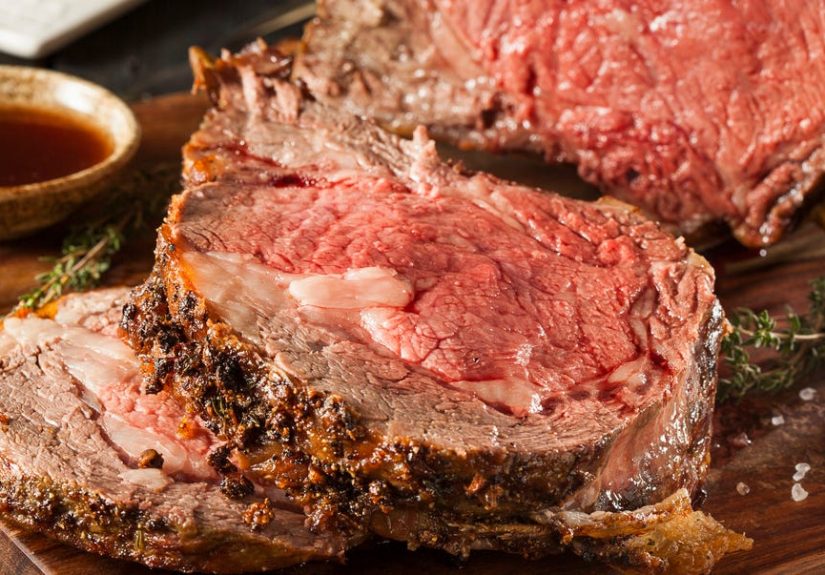
Prime rib is not difficult because it is fussy. It is difficult because it has already been cooked close to its sweet spot. That sweet spot is usually medium-rare to medium, with a rosy center, rendered fat, and a tender texture that feels rich instead of heavy. Reheating pushes the meat past that ideal point, especially if the heat is high or the timing is sloppy.
Here is the real issue: reheating is not the same as cooking. When you cook a prime rib roast from raw, you are gradually bringing it up to temperature. When you reheat it, you are trying to warm the center without squeezing out the moisture or overcooking the edges. That is why gentle heat matters so much. The goal is to warm the meat, not punish it.
Think of leftover prime rib like a very nice wool sweater. You do not throw it into a screaming-hot dryer and hope for the best. You treat it carefully, or it comes out looking smaller, tougher, and emotionally distant.
The Golden Rules Before You Reheat Prime Rib
1. Store it properly first
If prime rib sits out too long after dinner, reheating technique cannot save it. Slice or portion leftovers, store them in shallow airtight containers, and refrigerate them promptly. If you know you will not eat them soon, freeze them early rather than letting them linger in the fridge until they become a science experiment with steak vibes.
2. Reheat only what you plan to eat
This is one of the smartest leftover habits you can build. Reheating the full batch again and again is rough on both quality and texture. Warm one portion, eat one portion, and leave the rest cold until needed. Your future self will thank you, and your beef will remain considerably less exhausted.
3. Add moisture
The best reheated beef almost always gets help from a little broth, au jus, stock, pan drippings, or even a spoonful of butter. Prime rib dries out when exposed to direct dry heat for too long, so adding moisture creates a gentler environment and makes the meat taste more like dinner and less like apology.
4. Use low heat
Fast heat is wonderful for pizza, fries, and panic. It is terrible for prime rib. A lower oven temperature gives you more control and keeps the outside from racing past the center. That is the core principle behind nearly every successful method for reheating roast beef.
5. Use a thermometer if possible
If you are serious about reheating beef well, a thermometer is your best friend. It removes the guesswork and prevents the classic “I just checked it five times and now it’s overcooked” problem. For safety, leftovers should be reheated thoroughly. For quality, many home cooks still prefer to warm prime rib gently and serve it immediately before it goes too far. The truth is simple: the hotter you take it, the less pink it will stay.
Best Way to Reheat Prime Rib in the Oven
If you want the best overall balance of tenderness, juiciness, and control, the oven is your winner. It is not the fastest method, but it is the one most likely to preserve what made the beef special in the first place.
How to do it
Preheat your oven to 250°F. Some cooks go up to 300°F, especially for larger pieces, but 250°F gives you the gentlest ride. Place the prime rib in a small baking dish or on a rimmed pan. Add a few tablespoons of beef broth, stock, or leftover au jus. If you have pan drippings from the original roast, congratulations, you are living correctly. Cover the dish tightly with foil.
For slices, start checking after about 10 minutes. For a thicker chunk or a small leftover section of roast, expect more like 15 to 30 minutes depending on size. The exact time will always depend on thickness, how cold the meat is, and how cooperative your oven feels that day.
Once warmed, remove the beef from the pan right away. Do not let it sit in the hot dish like it is relaxing at a spa. Residual heat keeps cooking the meat, and prime rib is famous for taking advantage of that extra time in all the wrong ways.
Why the oven method works so well
The oven warms the meat gradually instead of shocking it. The foil traps steam, the broth restores moisture, and the low temperature reduces the chance of overcooked edges. It is especially good for reheating slices that you want to serve as-is with mashed potatoes, Yorkshire pudding, horseradish sauce, or a very confident side-eye toward anyone reaching for ketchup.
How to Reheat Prime Rib by Steaming
If your leftover prime rib is sliced, steaming is one of the gentlest methods available. It sounds almost too polite to work, but it works beautifully.
How to do it
Set up a steamer basket over simmering water, or improvise with a pot, a little water, and a foil pouch. Wrap the slices loosely in foil and place them in the steamer. Cover the pot and warm for a few minutes, usually around 3 to 6 minutes for thinner slices. Open carefully, check the temperature, and serve right away.
This method is especially useful when you do not want to dry out the meat and you are only reheating one or two servings. The steam delivers gentle heat, and the foil helps protect the surface. It is not the method for building crust or crisping edges. It is the method for keeping sliced beef soft, juicy, and civilized.
How to Reheat Prime Rib in a Water Bath or Sous Vide Style
This is the secret-weapon method for people who love precision. If you have a vacuum-sealed bag and a sous vide setup, prime rib reheats beautifully in warm water. Even without a formal sous vide machine, a carefully managed warm water bath can help.
How to do it
Place the prime rib in a sealed bag with a spoonful of au jus or a small pat of butter. Warm it in water that is hot but not boiling. You want gentle heat, not a beef jacuzzi set to chaos. Once the meat is heated through, remove it, pat it dry if needed, and serve. If you want a little exterior color, you can give it a very fast sear in a hot skillet, but keep it brief.
This method is excellent because water transfers heat efficiently and evenly. It is also one of the best options if you are reheating a thicker slice and want to avoid that common problem where the outside gets too hot before the center wakes up.
How to Reheat Prime Rib on the Stovetop
The stovetop is a reasonable choice when you need something quick but still want more control than the microwave. It works best for slices or smaller portions rather than a big slab of roast.
How to do it
Use a skillet over low to medium-low heat. Add a splash of broth or au jus and cover the pan briefly so the meat warms in a moist environment. If the slices are thin, they may only need a minute or two per side, or sometimes just enough time to warm through in the liquid. You are not trying to sear a fresh steak. You are trying to revive leftovers without creating jerky.
For sandwiches, French dips, steak-and-eggs breakfasts, or beef hash, the stovetop method is practical and efficient. For elegant slices on a dinner plate, the oven or steam method usually wins.
Can You Microwave Prime Rib?
Yes. Should it be your first choice? Absolutely not.
The microwave is the emergency exit, not the scenic route. It heats unevenly, creates hot spots, and can take beautifully pink beef straight to overcooked in what feels like one rude little beep. Still, real life exists. Sometimes you are at work. Sometimes you are hungry. Sometimes the office microwave is your only ally, and even that feels generous.
How to microwave it without wrecking it
Place the slices on a microwave-safe plate. Add a splash of broth or au jus, and loosely cover the beef with a damp paper towel or microwave-safe cover. Heat at medium power in 30-second intervals, flipping or rearranging between rounds. Stop as soon as it is warmed through.
Do not blast it on high for two straight minutes and then act surprised when the beef chews like a leather wallet. The microwave rewards restraint. Tiny bursts. Added moisture. Low expectations.
Common Mistakes That Ruin Reheated Beef
Using too much heat
This is the biggest mistake, and it causes most of the others. High heat dries the outside before the inside is ready.
Skipping added moisture
Broth, stock, au jus, butter, or pan drippings make a huge difference. Dry meat plus dry heat equals disappointment.
Leaving it in the hot pan or dish after reheating
Residual heat continues to cook the meat. Transfer it to a plate or serving platter as soon as it is ready.
Trying to make leftovers taste exactly like fresh prime rib
This is the emotional trap. Reheated prime rib can be excellent, but it is still leftovers. Aim for juicy, tender, and flavorful, not a time machine.
Reheating old leftovers
Even the best technique cannot rescue beef that has spent too long in the fridge. When in doubt, trust your judgment and prioritize safety over wishful thinking.
Best Ways to Use Leftover Prime Rib Instead of Reheating It Plain
Sometimes the smartest move is not serving reheated slices on their own. It is using the beef in a dish where gentle warming works in your favor.
French dip sandwiches
Warm thin slices gently in au jus and pile them into toasted rolls. This may be the most delicious leftover strategy known to humankind.
Steak and eggs
Warm chopped prime rib briefly in a skillet, then serve with eggs and crispy potatoes. Breakfast wins again.
Beef hash
Cube the meat and fold it into potatoes and onions at the very end so the beef warms without overcooking.
Tacos or quesadillas
Thin slices, quick heat, lots of flavor. This is a great rescue mission for smaller leftover portions.
Cold beef salad
There is no law requiring reheating. Thin, cold slices over arugula with Parmesan, horseradish dressing, or a mustard vinaigrette can be fantastic. Sometimes the best reheating tip is knowing when not to reheat at all.
How to Keep Prime Rib Juicy Every Time
If you remember nothing else, remember this: low heat, added moisture, and patience. Those three things solve most prime rib problems. Reheating beef is really about managing moisture loss. The lower the heat and the shorter the exposure, the better the result. Covering the beef helps. Liquid helps. A thermometer helps. Rushing does not help.
Another smart move is slicing only what you need. A whole leftover section of prime rib often reheats more gracefully than a pile of thin slices because it has less exposed surface area. Once sliced, the meat dries faster. So if you expect leftovers, storing a larger piece can be a quiet little act of genius.
Experience-Based Tips From Real Prime Rib Leftovers
Here is what tends to happen in real kitchens. The first day after the holiday meal, everyone is still excited. People whisper things like “prime rib sandwiches” with reverence, and somebody insists the leftovers might be even better than dinner. By day two, reality arrives. The beef is colder, the fridge is crowded, and someone gets impatient. This is where experience separates good leftovers from a sad lunch with expensive regrets.
One of the most reliable lessons is that thin slices are both a blessing and a trap. They are easy to serve and perfect for sandwiches, but they overheat fast. A slice that looks harmless can go from beautifully pink to aggressively gray in less time than it takes to toast bread. That is why thin slices are best warmed gently in broth, steam, or au jus. If you have thicker leftover pieces, those are much more forgiving and better for oven reheating.
Another real-world truth: people often reheat prime rib the way they reheat everything else. That is the problem. Leftover pasta can survive a microwave blast. Lasagna is practically built for a comeback. Prime rib is not. Prime rib is more like a delicate agreement between temperature, fat, and timing. Break the agreement, and the meat gets firm, dry, and a little offended.
There is also the classic “I’ll just warm it a tiny bit longer” mistake. That tiny bit longer is where the trouble lives. The beef usually feels slightly underheated at first because the center lags behind the surface. Many people respond by giving it extra time, then extra-extra time, and suddenly the roast has crossed into overdone territory. The better move is to use gentler heat and check early, not late.
Experience also teaches that sauce is not cheating. People sometimes act like adding broth or au jus means the meat was not good enough on its own. Not true. A spoonful of liquid is not a cover-up. It is smart kitchen strategy. Great restaurants use moisture and heat control all the time. At home, that splash of warm jus can be the difference between “pretty good leftovers” and “wow, this is still excellent.”
Then there is the leftover sandwich effect. Prime rib that feels slightly less exciting on a dinner plate can become absolutely glorious in a French dip, open-faced sandwich, breakfast hash, or steak salad. The pressure disappears when the beef is part of a full dish. That is why experienced cooks do not insist on forcing leftovers to perform exactly like the original roast. They adapt. They slice thinner, warm more gently, and let the second act be its own thing.
And finally, the biggest lesson of all: patience beats power. Prime rib does not need dramatic heat. It needs a calm plan. If you give it low temperature, a little moisture, and just enough time, it will reward you. If you rush it, it will absolutely let you know. Not with words, of course. With texture. Very disappointing texture.
Final Takeaway
The best way to reheat prime rib is simple: keep the heat low, add moisture, and stop the moment the beef is warmed through. For most home cooks, the oven method at 250°F with broth or au jus and a tight foil cover is the best all-around choice. Steaming is excellent for slices, a water-bath approach is fantastic for precision, and the microwave should remain the backup singer, not the headliner.
If you want juicy reheated beef, do not chase speed. Chase control. Prime rib has already done the hard work of becoming delicious. Your job is just not to mess it up.