Table of Contents >> Show >> Hide
- Start Here: Figure Out What Kind of Broken Bolt You Have
- Safety First, Heroics Second
- Tools That Make Broken Bolt Removal Easier
- Quick Option #1: Use Penetrating Oil and Patience
- Quick Option #2: Grab It If It Sticks Out
- Quick Option #3: Cut a Slot for a Flat-Blade Driver
- Effective Option #4: Use a Left-Hand Drill Bit
- Effective Option #5: Try a Screw or Bolt Extractor
- Effective Option #6: Apply Heat Carefully
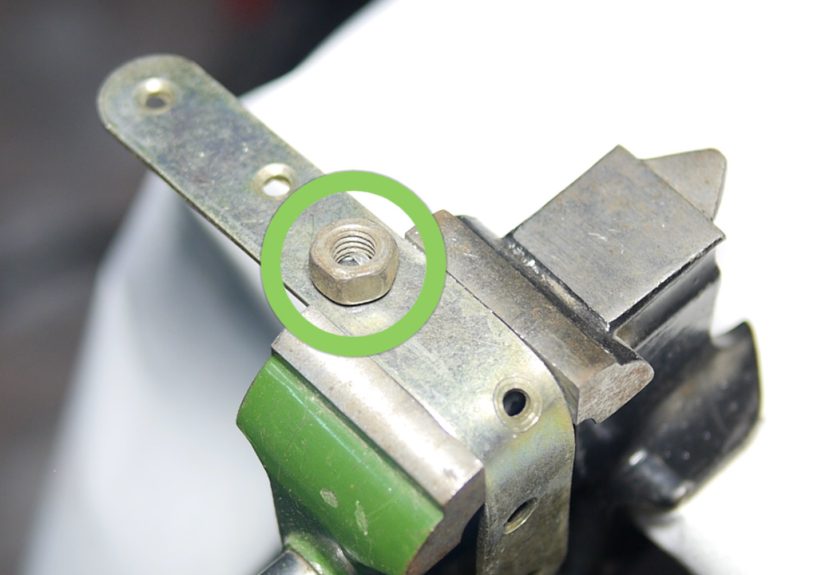
- Heavy-Duty Option #7: Weld a Nut to the Broken Bolt
- Last-Resort Option #8: Drill It Out and Repair the Threads
- Common Mistakes That Make Broken Bolt Removal Harder
- When to Call a Pro
- Real-World Experiences: What Broken Bolt Removal Usually Teaches You
- Final Thoughts
A broken bolt has a special talent: it can turn a 15-minute repair into a full-blown garage melodrama. One second you’re “just tightening one thing,” and the next you’re staring at a snapped fastener like it personally insulted your family. The good news? Most broken bolts can be removed without destroying the part, your patience, or your weekend.
The trick is not brute force. In fact, brute force is usually how people end up with a broken bolt in the first place. The smarter approach is to start with the least aggressive method and only escalate when needed. That means assessing how the bolt broke, using the right extraction tools, and protecting the threads in the surrounding material. Whether you’re dealing with a rusty exhaust bolt, a seized lawn-equipment fastener, or a snapped machine screw in aluminum, the right method can save the day.
In this guide, you’ll learn how to remove a broken bolt using quick and effective options, from locking pliers and extractor sockets to left-hand drill bits, screw extractors, heat, welding, and full drill-out repair. We’ll also cover common mistakes, safety tips, and the situations where calling in a machine shop is the smartest move. Pride is nice, but intact threads are nicer.
Start Here: Figure Out What Kind of Broken Bolt You Have
Before grabbing a drill and charging forward like an action-movie mechanic, stop and assess the situation. Broken bolts usually fall into one of three categories:
- Protruding bolt: Part of the shank still sticks above the surface.
- Flush break: The bolt snapped even with the surface.
- Recessed break: The broken section sits below the surface.
This matters because a protruding broken bolt is often a gift. You may be able to remove it with locking pliers, extractor pliers, or a bolt extractor socket. Flush and recessed breaks are more demanding and usually require drilling, extracting, heating, or welding.
Also ask yourself why the bolt broke. Was it rusted solid? Cross-threaded? Installed with threadlocker? Seized in aluminum? The cause helps determine the best removal strategy. Rust and corrosion respond well to penetrating oil, tapping, and heat. Threadlocker may require localized heat. Soft metals like aluminum demand extra care so you do not damage the parent threads while drilling.
Safety First, Heroics Second
Broken bolt removal is not a flip-flops-and-positive-vibes kind of job. Wear safety glasses, especially when drilling, grinding, hammering, or using extractors. Metal chips are tiny, fast, and rude. Gloves can help when handling sharp edges, but keep them clear of rotating tools. If you’re applying heat or welding, use proper protective gear and keep flammables far away.
One more thing: disconnect nearby electronics or batteries when appropriate, especially in automotive work. Heat and welding around sensitive components can turn a bolt problem into an expensive lesson.
Tools That Make Broken Bolt Removal Easier
You do not need a machine shop to solve every broken bolt, but the right tools make life dramatically less irritating. A basic broken bolt removal setup may include:
- Penetrating oil
- Locking pliers or extraction pliers
- Center punch and hammer
- Left-hand drill bits
- Screw or bolt extractors
- Reversible drill
- Extractor sockets
- Propane or MAP gas torch
- Rotary tool or cut-off wheel
- Tap set or thread repair kit
If you work on old cars, outdoor power equipment, plumbing hardware, or rust-prone fasteners, a left-hand drill bit set and a quality extractor kit are worth owning. They pay for themselves the first time you avoid turning a simple repair into a parts-ordering scavenger hunt.
Quick Option #1: Use Penetrating Oil and Patience
When corrosion is the villain, start with penetrating oil. Spray the broken fastener and let the oil work its way into the threads. If there is any exposed shank, spray from multiple angles. If the bolt is flush, spray the surrounding area and any accessible backside of the fastener if possible.
After the oil has had time to soak in, tap the area lightly with a hammer. You are not trying to smash anything. The tapping helps shock the corrosion bond and encourages the oil to creep deeper into the threads. Think persuasion, not revenge.
This step alone will not remove a broken bolt, but it can make every later step much more effective.
Quick Option #2: Grab It If It Sticks Out
If part of the broken bolt is still above the surface, start with the simplest solution first. Locking pliers, extractor pliers, or a bolt extractor socket may do the job with minimal drama.
When locking pliers work best
If enough of the bolt protrudes, clamp the pliers as tightly as possible near the base of the broken stud. Gently rock the bolt back and forth instead of forcing it in one heroic twist. That rocking motion helps break corrosion and reduces the chance of snapping off the remaining piece even lower.
When extractor sockets are better
If there is still a rounded head or stubborn stub with some profile, extractor sockets can bite into damaged metal far better than a standard socket. These are especially helpful on rusted automotive bolts that laugh at ordinary tools.
Example: A deck bolt on a riding mower that has rusted but still protrudes slightly may come out with penetrating oil, a few taps, and a tight set of locking pliers. That is a much better outcome than drilling into a frame bracket upside down while questioning your life choices.
Quick Option #3: Cut a Slot for a Flat-Blade Driver
If the break is flush but accessible, and there is enough metal to work with, cutting a slot across the top of the broken fastener can create a new turning surface. A rotary tool, oscillating tool, or small cut-off wheel can do the job.
Once the slot is cut, use a large flat-blade screwdriver or bit and apply steady turning pressure. This works best on smaller fasteners that are not seized beyond reason. It is not magic, but it can save you from drilling if the bolt only needs a little nudge to start moving.
Effective Option #4: Use a Left-Hand Drill Bit
This is one of the smartest methods for a flush or recessed broken bolt. First, use a center punch to mark the exact center of the broken fastener. That mark keeps the drill bit from wandering into the surrounding threads, which is exactly the kind of mistake that ruins your afternoon.
Next, install a left-hand drill bit in a reversible drill and run the drill in reverse at low speed. Because the bit spins counterclockwise, it does two jobs at once: it drills the pilot hole, and it may also catch and back the broken bolt out during the process.
That second part is why technicians and experienced DIYers love left-hand bits. Sometimes the bolt begins turning before you even need a separate extractor. When that happens, please take a moment to enjoy your victory. Those moments are rare and should be celebrated.
Tips for success
- Start with a small pilot bit and stay centered.
- Use cutting oil when drilling metal.
- Keep the drill straight to avoid damaging the threads.
- Use slow speed and steady pressure, not full-send chaos.
Effective Option #5: Try a Screw or Bolt Extractor
Once you have a properly centered pilot hole, you can move to a screw extractor, often called an “easy-out.” The extractor bites into the pilot hole as you turn it counterclockwise, ideally backing the broken bolt out of the hole.
This method can be very effective, but it has one major warning label: do not force the extractor. Many extractors are hardened and brittle. If you snap one off inside the bolt, congratulations, you now have a harder broken tool stuck inside the broken bolt. That is the repair equivalent of locking your keys inside your locked car while it is still running.
How to use an extractor without making things worse
- Drill a centered pilot hole of the proper size.
- Tap the extractor lightly into the hole if required.
- Turn it slowly with a tap handle or wrench.
- Stop immediately if it feels like it is twisting too hard.
If the extractor is not moving the bolt, go back and add more penetrating oil, a little heat, or a slightly larger pilot hole. Stubbornness is admirable in dogs, not in repair strategy.
Effective Option #6: Apply Heat Carefully
Heat is one of the best ways to break corrosion bonds and loosen threadlocker. It works by expanding the surrounding metal and weakening the grip holding the bolt in place. For rusted bolts, localized heat on the area around the fastener can make a dramatic difference. For bolts installed with high-strength threadlocker, heat is often the turning point between “won’t budge” and “why didn’t I try this first?”
The key word here is localized. You want to heat the area around the fastener, not roast nearby seals, wiring, paint, or plastic parts. After heating, try the bolt again with pliers, an extractor, or a left-hand bit.
Use extra caution when:
- Fuel, oil, or solvent residue is nearby
- The bolt is threaded into aluminum
- Rubber bushings, electrical connectors, or painted surfaces are close
- You suspect a bearing or seal is behind the part
In automotive repairs, heat is especially helpful on exhaust hardware, suspension fasteners, and threadlocked assemblies. Just be smart. A working torch is not the same thing as wisdom.
Heavy-Duty Option #7: Weld a Nut to the Broken Bolt
If the fastener is broken flush or slightly recessed and you have welding equipment, welding a nut onto the broken stud can be one of the most effective removal methods. It does two useful things at once: it creates a new surface to turn with a wrench, and the heat from welding helps break the bond holding the bolt in place.
This is often the method that saves badly seized exhaust studs and older steel fasteners that have no intention of cooperating with extractors. After welding on the nut, let the assembly cool just enough to be workable, then turn it out carefully.
This is not a beginner’s first welding project, and it is definitely not the time to freestyle near sensitive electronics or flammable grime. But in skilled hands, it is a brilliant technique.
Last-Resort Option #8: Drill It Out and Repair the Threads
Sometimes the broken bolt is too seized, too damaged, or too deep for extractors and heat to work. At that point, full drill-out becomes the practical option. The goal is to drill away the bolt material without damaging the original threads.
Start small, stay centered, and step up bit sizes gradually. In some cases, the remaining bolt shell will collapse inward and peel out with a pick. If the original threads are damaged, chase them with the correct tap. If they are beyond saving, use a thread repair insert.
This method takes patience and precision, especially on aluminum parts, engine components, and expensive housings. If you are off-center, you can permanently enlarge or damage the hole. That is why this step sits at the end of the list, not the beginning.
Common Mistakes That Make Broken Bolt Removal Harder
- Skipping the center punch: Off-center drilling is how threads get destroyed.
- Using too much force on an extractor: Broken extractors are a nightmare.
- Drilling too fast: Heat builds quickly, bits dull faster, and control gets worse.
- Starting too aggressively: Always try the least destructive method first.
- Ignoring threadlocker: If the bolt was installed with high-strength threadlocker, heat may be required.
- Working impatiently: The bolt can sense fear and impulsiveness.
When to Call a Pro
There is no shame in calling a machine shop or experienced mechanic when the broken bolt is in a high-value or high-risk part. Cylinder heads, engine blocks, transmission cases, suspension knuckles, and precision machined parts can get expensive fast if the extraction goes wrong.
If the fastener is snapped deep in a blind hole, an extractor has already broken off inside it, or the surrounding material is soft and valuable, professional help may be cheaper than replacing the part. Sometimes the most cost-effective tool is humility.
Real-World Experiences: What Broken Bolt Removal Usually Teaches You
In real repair work, broken bolts rarely fail in a convenient, movie-ready way. They break when you are lying under a truck with rust in your hair, when a mower deck is half-disassembled in the driveway, or when one tiny fastener is the only thing standing between you and finishing the job before dark. That is why experience matters almost as much as tools.
One common lesson is that the easiest-looking broken bolt is not always the easiest to remove. A stud sticking out above the surface may seem simple, but if it is badly corroded, it can twist off even lower when grabbed with pliers. On the other hand, a flush-broken fastener sometimes comes out surprisingly clean with a careful center punch and a left-hand drill bit. The point is not to judge the repair by appearances. Broken bolts are sneaky little liars.
Another repeated experience is that patience beats muscle. People often break bolts by applying more and more force to a fastener that was already trying to warn them. Then, after it snaps, they double down with even more force on an extractor. That is how a manageable repair becomes a full extraction disaster. Experienced mechanics know when to pause, soak the fastener again, add heat, tap the area, and let the process work. It is less dramatic, but much more effective.
Automotive repairs are full of great examples. Exhaust manifold bolts, especially on older vehicles, are famous for snapping because they live in a world of heat cycles, rust, and road grime. In those situations, heat and welding often outperform pure extraction tools. By contrast, smaller bolts in brackets, interior hardware, lawn equipment, and household fixtures often respond well to a simple drill-and-extractor method if you stay centered and do not rush.
People also learn quickly that aluminum changes the game. A steel bolt seized in aluminum can feel welded in place even when it is not. The surrounding material is softer, the threads are easier to damage, and off-center drilling becomes much riskier. In those cases, working slowly and keeping the hole perfectly centered matters more than raw torque. A rushed repair can ruin the threads long before the bolt ever moves.
Then there is the emotional side of the job, which every DIYer eventually understands. Removing a broken bolt is part mechanical skill and part attitude management. The job gets worse the moment frustration takes over. The people who succeed most often are the ones who treat extraction like a sequence, not a fight: inspect, soak, tap, heat, drill, extract, reassess. That rhythm saves time.
And perhaps the biggest lesson of all is this: once you finally remove a broken bolt, you will never look at anti-seize compound, proper torque specs, or quality hardware the same way again. Preventing the next broken bolt suddenly becomes a deeply personal mission.
Final Thoughts
If you need to remove a broken bolt, the fastest solution is not always the most aggressive one. Start with the easiest option that fits the situation. Use penetrating oil, grip what you can, and try a left-hand drill bit before jumping straight into heavy extraction. If the fastener is truly seized, heat or welding may be your best move. And if all else fails, controlled drill-out and thread repair can still save the part.
The best broken bolt removal strategy is simple: stay centered, stay patient, and do not let one stubborn fastener trick you into making a bigger repair than necessary. The bolt may be broken, but your plan does not have to be.