Table of Contents >> Show >> Hide
- Quick Answer: Oven-Roasted Peanuts at a Glance
- What You Need
- Before You Start: Picking the Right Peanuts
- How to Roast Shelled Peanuts in the Oven
- How to Roast Peanuts in the Shell
- Salted Oven-Roasted Peanuts (Two Easy Ways)
- Flavor Variations That Actually Taste Like You Meant It
- How to Remove Peanut Skins (If You Want)
- Troubleshooting: Why Your Peanuts Aren’t Perfect (Yet)
- Storage: Keep Roasted Peanuts Fresh (and Not Weird-Tasting)
- Food Safety Note (Quick but Important)
- FAQ: Oven Roasting Peanuts
- Real-World Roasting Experiences (500+ Words of What Actually Happens)
- SEO Tags
If you’ve ever grabbed a handful of warm roasted peanuts and thought, “Why does this taste like a ballpark and a holiday snack bowl had a delicious baby?”welcome. Oven-roasting peanuts at home is simple, budget-friendly, and oddly satisfying (like popping bubble wrap, but edible).
This guide walks you through how to roast peanuts in the ovenboth shelled and in-shellwith timing, seasoning ideas, troubleshooting, storage tips, and a few “learned it the crunchy way” notes that’ll save your next batch.
Quick Answer: Oven-Roasted Peanuts at a Glance
Best all-purpose oven setting: 350°F
- Shelled peanuts (skin-on): roast about 15–20 minutes, stirring once or twice
- In-shell peanuts: roast about 20–25 minutes, shaking/stirring once or twice
- Pro tip: pull them slightly earlythey keep cooking as they cool
What You Need
Ingredients
- Raw peanuts (shelled or in-shell)
- Salt (optional)
- Oil (optional, helps seasoning stickneutral oil or peanut oil)
Equipment
- Rimmed baking sheet (or shallow baking pan)
- Spatula or wooden spoon for stirring (or just shake the pan carefully)
- Parchment paper (optional, especially useful for sweet coatings)
- Clean kitchen towel (optional, for removing skins)
Before You Start: Picking the Right Peanuts
Raw peanuts are the key. Roasting already-roasted peanuts won’t “re-roast” them so much as it will warm them up and risk turning them bitter.
Common raw peanut types you’ll see:
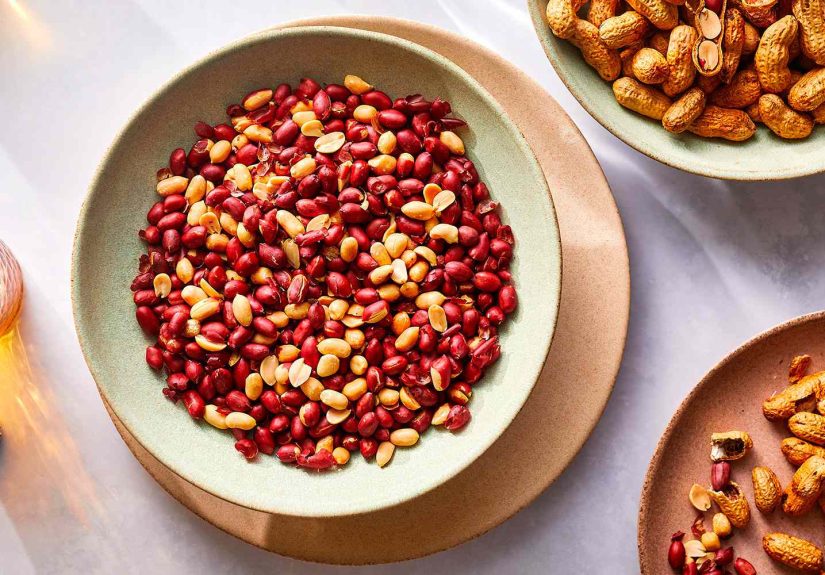
- Red-skin (skin-on) peanuts: great for roasting; skins loosen as they roast, and they add a deeper, slightly earthy flavor.
- Blanched peanuts: skins removed; roast color changes are easier to see, and they’re great for candying or peanut butter.
- In-shell peanuts: fun snack style; roasting adds aroma and crispness to the shell and nut.
How to Roast Shelled Peanuts in the Oven
This is the “classic snack bowl” method: simple, fast, and easy to season.
Step-by-Step Instructions
- Preheat the oven to 350°F. Let it fully preheatnuts don’t love guessing games.
- Spread peanuts in a single layer on a rimmed baking sheet. Single layer matters. Piles roast like a traffic jam: unevenly and with lots of honking.
- Roast 15–20 minutes. Stir once or twice during roasting so the peanuts brown more evenly.
- Check doneness by smell and color. You’re looking for a nutty aroma and a light golden color. If skins are loosening, you’re close.
- Remove slightly early. Peanuts keep cooking as they cool, and they crisp up after resting.
- Cool completely on the sheet (or transfer to a cool tray). Once cool, store airtight.
What “Done” Looks Like
- Smell: warm, toasty, peanutty (technical term)
- Color: light golden to deeper amber depending on preference
- Texture: they may feel slightly soft while hotcrunch comes as they cool
How to Roast Peanuts in the Shell
In-shell roasted peanuts are a whole vibeespecially if you like snacks that slow you down (and give you something to do with your hands besides scrolling).
Step-by-Step Instructions
- Preheat to 350°F.
- Sort the peanuts. Remove broken shells or anything that looks off.
- Arrange in a single layer on a rimmed baking sheet.
- Roast 20–25 minutes, shaking the pan once or twice.
- Cool before eating. Like pizza, they’re hotter than they look.
Salted Oven-Roasted Peanuts (Two Easy Ways)
Option 1: Simple Salt + (Optional) Oil
Great for shelled peanuts when you want reliable seasoning coverage.
- Toss 2 cups raw shelled peanuts with 1–2 teaspoons oil (optional) and 1/2 teaspoon fine salt (adjust to taste).
- Roast at 350°F for 15–20 minutes, stirring once or twice.
Option 2: Post-Roast Seasoning (Cleaner Roasting Sheet)
Roast plain first, then season while peanuts are still warm so the salt clings.
- Roast peanuts as directed.
- Immediately toss warm peanuts with salt (and a tiny drizzle of oil if needed).
Flavor Variations That Actually Taste Like You Meant It
Roasted peanuts are a blank canvasexcept the canvas is delicious and disappears fast.
Smoky BBQ
- 1 tsp smoked paprika
- 1/2 tsp garlic powder
- 1/2 tsp fine salt
- Pinch cayenne (optional)
Toss with warm peanuts (oil optional).
Chili-Lime
- 1/2 tsp chili powder
- 1/4 tsp cumin
- 1/2 tsp salt
- Finely grated lime zest
Cinnamon-Sugar Snack Peanuts
After roasting, toss warm peanuts with:
- 1–2 tbsp sugar
- 1/2 tsp cinnamon
- Pinch salt
Honey-Roasted Style (Oven Method)
Honey-roasted peanuts usually work best with a two-temperature approach: toast first, then coat and dry at a lower heat so the glaze sets without burning.
- Toast peanuts at 350°F until lightly fragrant (about 12 minutes), then lower the oven to 300°F.
- Warm a sticky coating (honey + a little sugar and salt is a solid start), toss peanuts, then return to the oven at 300°F, stirring periodically, until the coating looks dry and set.
- Cool completely, then break apart any clusters (or keep themno judgment).
How to Remove Peanut Skins (If You Want)
Skins are totally edible. But if you’re making peanut butter, candy, or want a smoother texture, removing skins can help.
- Roast peanuts until skins loosen.
- Cool slightly (warm is easier than hot).
- Put peanuts in a clean kitchen towel, fold it over, and rub gently but firmly.
- Shake off loosened skins; a colander can help separate peanuts from skins.
Troubleshooting: Why Your Peanuts Aren’t Perfect (Yet)
Problem: Some peanuts are burned, others are pale
- Cause: overcrowding or not stirring
- Fix: use a single layer; stir at least once or twice; consider using two sheets for big batches
Problem: Peanuts taste “meh” even though they look roasted
- Cause: under-roasted (or old raw peanuts)
- Fix: roast 2–4 minutes longer next time; buy fresh raw peanuts and store them cool and dry
Problem: Peanuts taste bitter
- Cause: over-roasted or rancid nuts
- Fix: roast slightly less; store nuts properly; trust your nose (rancid smells sour, paint-like, or “off”)
Problem: Peanuts aren’t crunchy right out of the oven
- Cause: they crisp as they cool
- Fix: let them cool fully before judging; if still soft, roast a few minutes more next time
Storage: Keep Roasted Peanuts Fresh (and Not Weird-Tasting)
Peanuts (like most nuts) contain oils that can oxidize over time. That’s the science-y way of saying: if you store them warm, bright, and open to air, they’ll eventually taste like disappointment.
Best Storage Practices
- Airtight container is non-negotiable (glass jars work great).
- Cool, dark place for short-term snacking.
- Refrigerator for longer freshness.
- Freezer for best long-term flavor protection (nuts freeze well because they’re low in water).
How Long Do Roasted Peanuts Last?
Exact shelf life depends on the peanut type, roast level, and storage conditions. As a practical guideline:
- Refrigerated (airtight): often stays good for several months
- Frozen (airtight): can stay good for many months; for best flavor, use roasted nuts within about six months
Food Safety Note (Quick but Important)
Peanuts are a low-moisture food, and low-moisture foods can still carry pathogens like Salmonella. Commercial producers use validated processes; home roasting is not a validated kill step in the same way because ovens vary and it’s hard to measure the coldest point of the food consistently.
Practical takeaway: buy raw peanuts from reputable sellers, roast thoroughly, store properly, and if you’re serving highly vulnerable groups (very young kids, older adults, immunocompromised), consider using commercially roasted peanuts for maximum safety assurance.
FAQ: Oven Roasting Peanuts
Can I roast peanuts for homemade peanut butter?
Absolutely. Roast a shade darker than you’d snack on for a deeper flavor, cool completely, then blend. As a rough yield guide, about 2 cups roasted shelled peanuts can grind down to roughly 1 cup peanut butter depending on texture and added oil/salt.
Should I use parchment paper?
For plain roasting, it’s optional. For sweet or sticky coatings (like honey-roasted), parchment is your best friend and your baking sheet’s bodyguard.
What’s better: shelled or in-shell?
Shelled is faster and easier to season. In-shell is snacky and fun, and the shell adds a toasty aroma. There’s no wrong answeronly “make both.”
Real-World Roasting Experiences (500+ Words of What Actually Happens)
Most people expect roasting peanuts to be a strict, stopwatch-only situation. In real kitchens, it’s more like: “The timer says five minutes left, but the smell says we’re close.” And honestly? The smell is usually right.
The first surprise: peanuts don’t taste “roasted” the second they leave the oven. Fresh-out-of-the-oven peanuts can feel slightly soft, and the flavor may seem mild. Give them time. As they cool, they firm up and their roast flavor becomes clearer and rounder. This is why pulling peanuts a tiny bit early works so wellcarryover cooking finishes the job, and you get a more even crunch without flirting with bitterness.
The second surprise: small differences in peanut size matter. A batch of smaller peanuts may be perfect at 15 minutes, while larger ones could want closer to 20. Mixed-size batches tend to roast unevenly, which is why stirring helps so much. If you want peak consistency, buy peanuts that look fairly uniform. If you want a little variety, embrace the batch like it’s a trail mix personality test.
The third surprise: seasoning is all about timing. Salt (and most spice blends) sticks best when peanuts are warm and just a little tacky. That’s why a small drizzle of oil can be helpfulespecially if you’re doing fine salt, chili powder, or garlic powder. Without a bit of “grip,” seasoning can fall off and pool at the bottom of the bowl like it’s pouting. If you prefer oil-free roasting, seasoning right after roasting still helps; you can also use ultra-fine salt for better cling.
The “why did I do that?” moment: walking away during the final minutes. Peanuts can go from “golden and fragrant” to “whoops, bitter” faster than you’d thinkespecially if your sheet is dark-colored or your oven runs hot. Many home cooks learn to treat the last 3–5 minutes like the “stay near the kitchen” phase. Not because peanuts are dramatic, but because they are.
The batch-size lesson: bigger isn’t always better. When people double a recipe, they often keep everything on one baking sheet. That creates uneven roasting because peanuts steam each other instead of roasting evenly. Using two sheets (or roasting in two rounds) is usually worth it. The payoff is a batch that tastes intentionally roasted rather than accidentally warmed.
The fun part: once you nail your preferred roast level, you can customize peanuts for different uses. Slightly lighter roasts work well for salads and stir-fries (they stay firm and don’t overpower). Deeper roasts shine in snack mixes and peanut butter (more aroma, more depth). And if you’re making honey-roasted peanuts, you’ll notice the two-step oven approach feels “fussy” until you taste the resultthen suddenly you’re the kind of person who says things like, “I dry the glaze at a lower temperature for texture.”
In other words: roasting peanuts in the oven is easy, but it also rewards attention. And once you get the hang of it, store-bought peanuts start to taste a little… distant. Not bad. Just less personal. Like a text that says “K” when you were hoping for an emoji.