Table of Contents >> Show >> Hide
- Smoking 101 (The 30-Second Version)
- Your No-Smoker Starter Kit
- Method 1: Turn a Charcoal Grill into a DIY Smoker
- Method 2: Smoke on a Gas Grill (Yes, Really)
- Method 3: Oven Smoking (For Apartment Heroes and Bad Weather)
- Method 4: Stovetop Tea Smoking (The Wok Trick)
- Method 5: Cold Smoke with a Pellet Tube (Cheese-Friendly)
- Method 6: Smoke Gun (Instant “Did You Buy a Smoker?” Energy)
- Pick the Right Wood (A Cheat Sheet)
- Temperature and Food Safety
- Troubleshooting (So You Don’t Eat Regret)
- Two Beginner-Friendly Things to Smoke Tonight
- Experience Notes: 10 Lessons You’ll Learn the Fun Way (Or the Hard Way)
- Conclusion
You want that backyard-BBQ aroma. You own… an oven, a grill, and a can-do attitude. Perfect. You can absolutely smoke food without a smokeras long as you recreate the three things a real smoker controls: low heat, airflow, and a steady, gentle stream of hardwood smoke.
Below are six proven DIY methods (grill, oven, stovetop, and a couple of clever gadgets), plus wood pairings, temperature targets, and fixes for the usual “why does this taste like a campfire?” moments.
Smoking 101 (The 30-Second Version)
Hot smoking cooks food while it smokestypically around 225–275°F. Cold smoking adds smoke flavor with little heat (often kept under ~90°F), which is why it’s popular for cheese, nuts, and cured foods. Either way, remember: smoke is a seasoning, not a fog machine. Clean smoke is thin and steady, not billowy and angry.
Your No-Smoker Starter Kit
- Lidded cooker: charcoal grill, gas grill, or even a heavy pot/wok.
- Hardwood: chips (fast), chunks (slower), or pellets (steady).
- Foil + a pan + a rack: to separate food from the smoke source.
- Probe thermometer: the difference between juicy and “why is it dry?”
- Nice-to-have: smoker box, pellet smoke tube, or smoke gun.
Method 1: Turn a Charcoal Grill into a DIY Smoker
Charcoal is the easiest “fake smoker” because it naturally supports low-and-slow cooking and plays nicely with wood. Set up indirect heat (coals on one side, food on the other), then let a small amount of wood do its thing.
Step-by-step
- Build two zones. Bank lit coals to one side (or use a “snake” of briquettes for longer cooks). Food goes on the coal-free side.
- Add a pan. Place a foil pan under the food side to catch drips. Hot water in the pan can help buffer temperature swings.
- Add wood. Start with one small chunk (or a modest handful of chips). Too much wood is the #1 beginner mistake.
- Ride the vents. Close the lid and stabilize around 225–275°F. Tiny vent changes beat dramatic vent flapping.
Quick win: smoky chicken thighs
Season thighs simply (salt, pepper, garlic powder). Run the grill around 250°F with apple or cherry wood. Cook indirectly until 165°F, then finish over direct heat for crisp skin.
Method 2: Smoke on a Gas Grill (Yes, Really)
Gas grills leak smoke and can run dry, but you can still get legit smoke flavor with indirect heat and a dependable smoke source.
Option A: The foil “smoke pouch”
- Wrap a handful of wood chips in heavy-duty foil.
- Poke several small holes on top.
- Place the pouch over the lit burner (or heat bars) and preheat until it smokes.
- Run one burner low; keep the other burners off. Put food on the cool side.
Swap pouches when smoke fades. For longer, steadier output, try pellets in the pouch or use a smoke tube.
Option B: A smoker box
A reusable metal smoker box sits over a burner and holds chips. Preheat the grill, add chips, and wait for smoke before adding food on the indirect side.
Gas-grill tips that actually matter
- Use a water pan under the meat to add humidity and stabilize heat.
- Think “thin smoke.” If you see a white, rolling cloud, back off.
- Save your sanity: smoke for flavor on the grill, then finish big cuts in the oven if needed.
Method 3: Oven Smoking (For Apartment Heroes and Bad Weather)
You can get a real smoke kiss in the oven using a tightly sealed roasting pan. Warning: it can trip smoke alarms. Ventilation is part of the recipe.
The covered-roasting-pan method
- Spread drained wood chips in the bottom of a roasting pan.
- Set a rack above the chips and place food on the rack.
- Seal the pan tightly with foil (no gaps).
- Cook at about 250–275°F until the food reaches a safe internal temperature.
This works best for smaller items (chicken pieces, fish, vegetables) where you don’t need eight hours of smoke.
Method 4: Stovetop Tea Smoking (The Wok Trick)
Tea smoking is a fast indoor technique that uses a foil-lined wok or pot plus a mix of tea, rice, and sugar to create fragrant smoke.
Basic technique
- Line a wok/pot with foil (double layer = easier cleanup).
- Add a small pile of uncooked rice + black tea + a little sugar.
- Set a rack above the mix, add the food, and cover tightly.
- Heat on high until you see wisps of smoke, then reduce heat and smoke briefly.
- Turn off heat and let it sit, covered, to absorb flavor.
Great for salmon, tofu, duck breast, mushrooms, and quick-hit veggies. Less great for your relationship with a sensitive smoke detector.
Method 5: Cold Smoke with a Pellet Tube (Cheese-Friendly)
Cold smoking is about smoke without heat. A pellet smoke tube is the easy button: light it, place it in a closed grill or outdoor enclosure, and let it smolder for hours.
- Keep it cool: many people aim to stay under about 90°F so cheese doesn’t melt.
- Less is more: smoke cheese for 1–3 hours, then wrap and rest it in the fridge so the flavor mellows.
- Airflow helps: stale smoke can taste bitter.
Method 6: Smoke Gun (Instant “Did You Buy a Smoker?” Energy)
A smoke gun pumps smoke into a covered container for quick flavor infusion. It won’t replace low-and-slow barbecue, but it’s awesome for finishing touches and fast experiments.
- Put food in a bowl or bag (or cover a plate with a large bowl).
- Light a pinch of wood chips in the gun and pipe smoke into the container.
- Cover for a few minutes, taste, and repeat if you want more.
Try it with butter, salt, cooked steak, roasted veggies, and cocktails that want a campfire vibe.
Pick the Right Wood (A Cheat Sheet)
- Apple / cherry: mild, slightly sweetgreat for chicken, pork, fish.
- Hickory / pecan: classic BBQ depthexcellent for pork and ribs.
- Oak: versatile medium smokesolid with beef and brisket-style cooks.
- Mesquite: bold and fastuse sparingly unless you enjoy “intense.”
Temperature and Food Safety
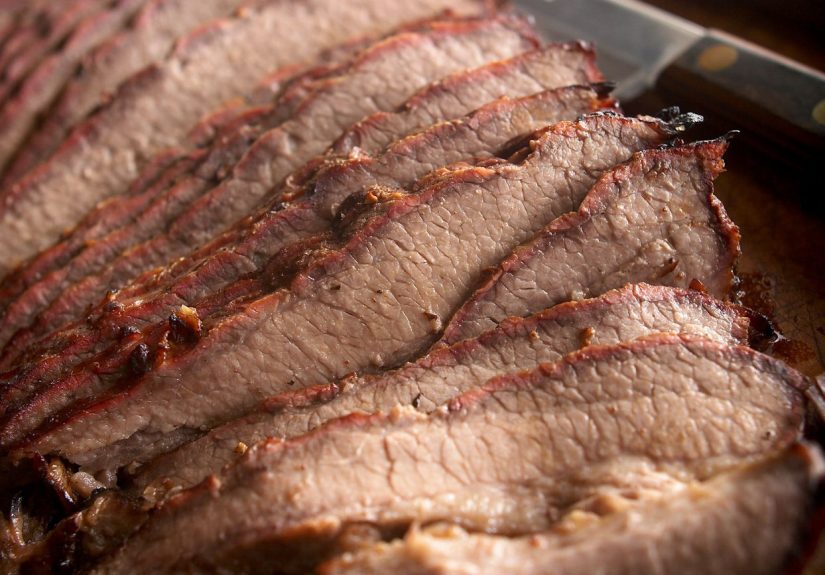
Smoke adds flavor; temperature keeps you safe. Use a thermometer and cook to safe internal temperatures. For barbecue cuts like brisket or pork shoulder, you’ll often keep cooking beyond the safe minimum to reach tender, “probe-friendly” texture as connective tissue breaks down.
Safe minimum internal temperatures (quick guide)
- Poultry: 165°F
- Beef/pork/lamb (steaks, roasts, chops): 145°F with a rest
- Ground meats: 160°F
- Fish: 145°F (or until opaque and flakes)
Troubleshooting (So You Don’t Eat Regret)
Bitter smoke flavor
- Use less wood and keep airflow moving.
- Avoid smoldering drippingsuse a drip pan.
- Don’t trap thick white smoke with no ventilation.
Not enough smoke flavor
- Smoke early in the cook; it sticks best at the start.
- Switch from chips to chunks/pellets for steadier smoke.
- Try oak/hickory if fruit wood feels too mild.
Two Beginner-Friendly Things to Smoke Tonight
Smoked cream cheese
Score a block, season with BBQ rub, and smoke indirectly at 225–250°F for 1–2 hours. Serve with crackers. Accept compliments.
Tea-smoked salmon bowls
Tea-smoke salmon using the wok method, then flake over rice with cucumber, scallions, and a squeeze of lemon.
Experience Notes: 10 Lessons You’ll Learn the Fun Way (Or the Hard Way)
This section is the “I wish someone told me” portioncompiled from common home-cook wins, facepalms, and the kind of troubleshooting you only do while hungry.
1) Your first smoke will be too smoky. Everyone overdoes it once. Start with less wood than you think you need. Thin smoke + steady heat beats a smoke tornado every time.
2) Mesquite is the espresso shot of smoke. A little wakes everything up. Too much makes fish taste like it’s auditioning for a Western. If you’re unsure, use apple, cherry, or oak.
3) The first hour is the flavor hour. Smoke clings best early, when the surface is cooler and slightly damp. That’s why a practical strategy is “smoke outside, finish inside” for big cuts.
4) Gas grills need a ‘smoke engine.’ If your foil pouch burns out fast, pellets last longer than chips, and a smoke tube lasts longer than your patience. Keep the smoke source over the heat and the food far away on the indirect side.
5) A water pan is a thermostat with benefits. In a leaky gas grill, it adds moisture. In a charcoal grill, it helps prevent wild temp swings. Either way, it’s cheap insurance against dry meat.
6) Don’t chase perfectionchase stable. A steady 250–275°F often beats a rollercoaster between 200°F and 350°F. Your cook time gets predictable and your smoke stays cleaner.
7) Indoor smoking demands a plan. For oven or tea smoking, run the hood, crack a window, and move your smoke alarm’s feelings into the “noted” column. If your kitchen is tiny and your detector is dramatic, do smaller batches.
8) Resting is part of the recipe. Big cuts need rest so juices redistribute. Cold-smoked cheese also needs restwrap it, refrigerate it, and let the smoke mellow for a day or two before judging it.
9) Your nose lies; your thermometer doesn’t. Smoke aroma can be strong even when food is undercookedor overcooked. A probe thermometer ends the guessing game and saves you from dry chicken tragedies.
10) Keep notes like a backyard scientist. Wood type, outside weather, burner settings, time, and results. Next time you’ll know: “apple wood + 250°F + 90 minutes = perfect.” That’s how accidental wins become repeatable.
Bonus lesson: If a batch comes out a little light on smoke, don’t panic. Slice it thin and use it in dishes where smoke reads loudertacos, mac and cheese, beans, breakfast hash, or a grilled-cheese situation that suddenly feels fancy.
Bonus bonus: There’s a long-running debate about soaking wood chips. In practice, do what helps your setup. On a blazing-hot gas grill, a quick soak can buy you time before chips ignite. On charcoal, dry chunks often give steadier smoke. Either way, the real key is airflow: if the wood is smoldering in a stale, sealed environment, you get harshness. If it has enough oxygen to burn cleanly, you get that sweet, barbecue perfume.
Last-resort smoke boosters: If weather, time, or neighbors make “real smoke” tough, you can still build smoky flavor with smoked salt, smoked paprika, chipotle powder, or a tiny splash of liquid smoke in a sauce (tinythis stuff is potent). It’s not the same as hours of hardwood, but it can rescue weeknight food when the DIY smoker plan turns into a DIY “maybe tomorrow.”
Most importantly: have fun. DIY smoking is about turning ordinary gear into extraordinary flavorand occasionally convincing your friends you secretly have a smoker hidden somewhere.
Conclusion
No smoker? No problem. If you can create indirect heat, add a controlled source of hardwood smoke, and track temperatures, you can make food taste properly smoked on a regular grill, in the oven, or even on the stovetop. Start with one method that fits your space, learn what “clean smoke” looks like, and take notes. A couple of cooks from now, you’ll stop “trying to smoke” and start smoking on purpose.