Table of Contents >> Show >> Hide
- Why Cold + No Electricity Is a Bigger Deal Than It Sounds
- Before the Storm: Prep Like Future-You Is Your Best Friend
- During the Outage: Warmth Strategy That Actually Works
- Safe Heating Options (and the Stuff You Absolutely Shouldn’t Do)
- Option A: Fireplace or Wood Stove (If You Have One)
- Option B: Space Heaters (Only If You Have Backup Power)
- Option C: Generator (Power, Not HeatBut It Can Run Heat Devices)
- Option D: Kerosene/Propane Heaters (Proceed With Extreme Caution)
- Absolutely Don’t Do This (Even If Your Neighbor Swears It’s Fine)
- How to Keep Warm Overnight (The Hard Mode)
- Food, Fridge Rules, and the “When in Doubt, Throw It Out” Reality
- Warming Centers, Shelters, and Knowing When to Leave
- Quick Checklist: Stay Warm Without Power
- Conclusion: Warmth Wins When You’re Smart About It
- Real-World Experiences and Lessons People Share After Winter Blackouts (Extra )
Winter storms have a special talent: they show up uninvited, eat all your snacks (emotionally),
and then trip the breaker on the way out. When the power goes out, staying warm becomes the top priority
not just for comfort, but for safety. The good news? You don’t need a superhero cape to outsmart a blackout.
You need a plan, a few smart supplies, and the ability to resist doing something “creative” with a grill indoors.
This guide covers practical, real-world ways to stay warm without power during a
winter storm power outage. We’ll talk layers, heat zones, safe heating options, carbon monoxide
warnings (the invisible villain), and simple tricks to keep your body heat where it belongsinside you.
Why Cold + No Electricity Is a Bigger Deal Than It Sounds
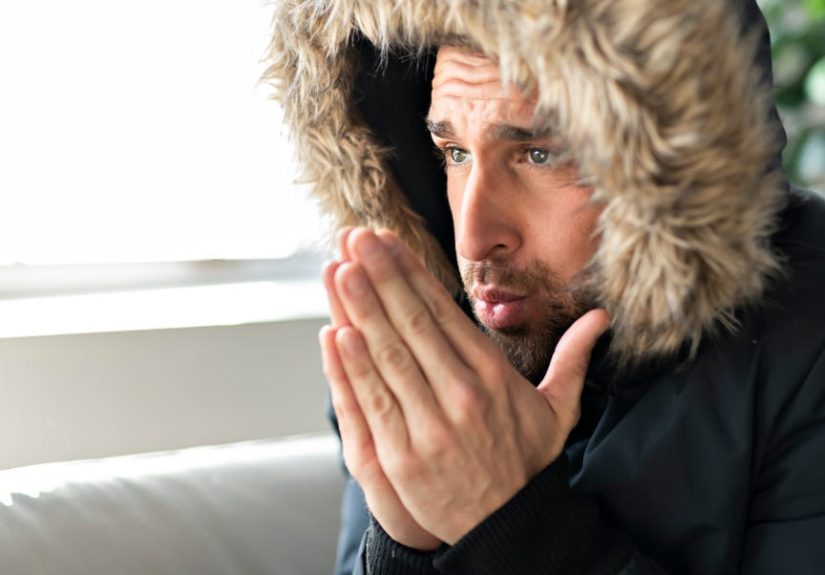
When you lose heat in freezing weather, your risk of hypothermia risesespecially for babies,
older adults, and anyone with certain medical conditions. Hypothermia can sneak up with shivering, confusion,
clumsiness, and exhaustion, and it can become life-threatening if not addressed quickly.
The other major danger during outages is trying to warm up the wrong way. Improper use of generators, stoves,
fireplaces, or space heaters can cause carbon monoxide poisoning or house fires. The goal is
simple: get warm without creating a brand-new emergency.
Before the Storm: Prep Like Future-You Is Your Best Friend
If you have even a hint of warning, do a little prep. Outages can last hours or days, and the best time to
gather supplies is before everyone else decides they also need every battery in America.
1) Build a “No-Power Warmth Kit”
- Warm layers: thermal base layers, wool socks, hats, gloves (yes, indoors).
- Blankets: sleeping bags are gold; fleece + quilt combo is also excellent.
- Hand warmers (chemical packs) and/or hot water bottles.
- Flashlights/headlamps (and extra batteries). Skip candles when possible.
- Battery/hand-crank radio for weather alerts.
- Power banks for phones (charge everything before the storm hits).
- Basic first aid and any critical meds.
- Food & water: ready-to-eat options that don’t require cooking.
2) Create Your “Heat Zone” Plan
Pick one smaller room that can become your warm headquarters if the heat goes out. Think: bedroom, office,
or living room with fewer windows. The smaller the space, the easier it is to keep warm with body heat and
insulation tricks.
3) Reduce Drafts Ahead of Time
If you can, seal obvious air leaks: weatherstripping for doors, caulk for cracks, and plastic window film
over drafty windows. Even heavy curtains can help. These fixes make your home hold heat longerboth now and
after the lights come back on.
4) Safety Setup: Alarms and Fuel
-
CO alarms: Make sure you have carbon monoxide alarms (battery-powered or battery backup),
especially if you might use any fuel-burning heat source. -
Generator fuel: If you own a generator, store fuel safely and follow the manufacturer’s
instructions. (And keep it outsidemore on that soon.)
During the Outage: Warmth Strategy That Actually Works
1) Dress Like You’re Going Camping… Indoors
Your clothing is your first heater. Use the classic layering system:
base layer (dry, moisture-wicking) + insulating layer (fleece/wool) +
outer layer (to block drafts).
- Keep your head covered: a beanie indoors feels silly until it feels brilliant.
- Protect hands and feet: warm socks + slippers; gloves if you’re still cold.
- Stay dry: sweat makes you colder. If you’re overdressed, remove a layer.
2) Concentrate Heat: One Room, One Mission
Move everyone (people, pets, and your emotional support snacks) into the heat zone:
- Close doors to unused rooms.
- Hang blankets over doorways to reduce airflow.
- Cover windows with curtains, blankets, or plastic if available.
- Lay down rugs or extra blankets on cold floors to reduce heat loss.
3) “Indoor Camping” Is Not Just for Pinterest
Set up a tent or blanket fort inside your heat zone. It sounds goofy, but it works: smaller air volume
warms faster from body heat. Sleeping bags are ideal; otherwise layer blankets beneath and above you.
Pro tip: put a blanket under you (cold floors steal heat fast), then sleep on top of that insulation.
4) Eat and Drink for Warmth (Yes, It Matters)
Your body makes heat by burning fuel. In plain English: eat enough calories and stay hydrated.
- Go for: nuts, peanut butter, trail mix, granola, canned soups (if you can heat safely), and shelf-stable proteins.
- Warm drinks: tea, cocoa, brothif you can heat water safely and ventilate properly.
- Avoid alcohol “for warmth”: it can make you feel warm while increasing heat loss and impairing judgment.
5) Know the Red Flags: Hypothermia Symptoms
Don’t “tough it out” if someone’s getting dangerously cold. Watch for:
shivering that won’t stop, confusion, slurred speech, clumsy movements, extreme fatigue, and drowsiness.
Babies may have very low energy and cold, bright red skin.
If you suspect hypothermia, get the person into warmth, remove wet clothing, wrap in dry layers/blankets,
and seek medical helpespecially if symptoms are severe.
Safe Heating Options (and the Stuff You Absolutely Shouldn’t Do)
Let’s talk about heat sources, because this is where outages turn into headlines. The rule:
burning fuel indoors requires serious safety precautions.
Option A: Fireplace or Wood Stove (If You Have One)
- Use only appropriate fuel (seasoned wood), and keep the area clear of anything flammable.
- Never leave fires unattended or fall asleep with an open flame situation happening.
- Make sure smoke can vent properly (a blocked chimney is a problem you don’t want).
Option B: Space Heaters (Only If You Have Backup Power)
Most space heaters need electricity, so they’re only helpful if you have a generator or a battery power station
that can handle the load. If you do:
- Keep anything that can burn at least 3 feet away (curtains, bedding, clothing, furniture).
- Place on a stable, non-flammable surface; keep away from kids and pets.
- Choose models with tip-over shutoff and overheat protection when possible.
Option C: Generator (Power, Not HeatBut It Can Run Heat Devices)
Generators can help you power essentials, but they are one of the biggest safety risks in outages.
If you use one:
- Run it outside only, far from doors, windows, and vents.
- Never run it in a garage, even with the door open.
- Use heavy-duty, outdoor-rated extension cords; avoid overloading.
- Let it cool before refueling to reduce fire risk.
Option D: Kerosene/Propane Heaters (Proceed With Extreme Caution)
Some homes keep indoor-safe, fuel-burning heaters designed for indoor use. If you use one, follow the manual
exactly, ensure ventilation requirements are met, and keep CO alarms active. If you’re not 100% sure it’s rated
for indoor use, don’t use it indoors. Period.
Absolutely Don’t Do This (Even If Your Neighbor Swears It’s Fine)
- Don’t use an outdoor grill, camp stove, or oven to heat your home.
- Don’t run a generator indoors or in a garage.
- Don’t burn random stuff in the fireplace (treated wood, trash, or questionable “fuel”).
- Don’t sleep with open flames or unattended heaters.
How to Keep Warm Overnight (The Hard Mode)
Night is when temperatures drop and your body’s heat production slows. Plan for it.
1) Go to Bed Warm, Not Sweaty
- Do light movement (a short indoor walk, a few squats) to warm up.
- Change into dry sleep clothesmoisture equals cold.
- Wear a hat and warm socks to bed if needed.
2) Use Hot Water Bottles the Safe Way
A hot water bottle (or a tightly sealed bottle filled with warm water) can help. Wrap it in a cloth and place it
near your core or feet. Avoid direct skin contact with very hot water to prevent burns.
3) Sleep Close (Yes, Humans Are Space Heaters)
If it’s safe and comfortable, sharing a room helps. Families often do better huddled in one insulated space.
Pets can contribute warmth toojust don’t let anyone get overheated or tangled in unsafe bedding setups.
Food, Fridge Rules, and the “When in Doubt, Throw It Out” Reality
Staying warm matters most, but food safety can bite you later. The general guidance:
keep refrigerator and freezer doors closed as much as possible.
- Fridge: food is generally safe for about 4 hours if unopened.
- Full freezer: can hold temp about 48 hours unopened; half-full about 24 hours.
- Perishables above safe temps too long should be discardedfood poisoning is a miserable side quest.
Warming Centers, Shelters, and Knowing When to Leave
Sometimes the safest move is leavingespecially if indoor temperatures are dropping dangerously or someone is at higher risk.
Many communities open warming centers during extreme cold.
- Check local alerts via radio, city/county emergency management, or official community channels.
- Prioritize infants, older adults, and medically vulnerable people for relocation sooner rather than later.
- If roads are unsafe, don’t gambleblizzards and ice can trap vehicles fast.
Quick Checklist: Stay Warm Without Power
- Layer clothing and keep your head/feet warm.
- Move into one small room and block drafts.
- Use sleeping bags/blankets and insulate beneath you.
- Eat enough calories and drink fluids.
- Use only safe heat sources; avoid CO and fire hazards.
- Know hypothermia symptoms and act early.
- Consider warming centers if conditions worsen.
Conclusion: Warmth Wins When You’re Smart About It
A winter storm power outage is inconvenient at best and dangerous at worstbut you can stack the odds in your favor.
The strategy is not complicated: trap heat, reduce exposure, fuel your body, and avoid risky shortcuts.
Most “blackout disasters” come from panic decisions (or the “I saw it on the internet” school of heating).
Keep it simple, keep it safe, and you’ll get through the cold with your eyebrowsand your housestill intact.
Real-World Experiences and Lessons People Share After Winter Blackouts (Extra )
Ask anyone who’s been through a multi-day winter outage and you’ll hear the same theme: the first few hours feel
manageable… and then the cold gets “creative.” People often start confident“We have blankets!”until they realize
blankets don’t help much if the room feels like a refrigerator display. That’s usually the moment the “heat zone”
concept clicks. Folks who tried to keep the whole house livable ended up exhausted and colder. The ones who picked
one room, closed doors, and hung blankets over doorways consistently say it was a game-changer.
Another common lesson: floors are sneaky. People remember to cover up on top, but the cold comes
right through tile and hardwood. After the fact, many swear the best upgrade was simply throwing down extra rugs,
camping pads, yoga mats, or folded blankets under sleeping areas. It’s not glamorous, but neither is shivering at 3 a.m.
while wondering if you can move to Florida without telling anyone.
Food becomes a surprising morale booster. In many outage stories, the “warm drink” turns into a daily ritual:
a pot of heated water (done safely) for tea, cocoa, or instant soup. People say it made the house feel normal again,
even if they were wearing three hoodies like a fashionable onion. On the flip side, a lot of people remember skipping
meals because they were stressed, and then feeling colder and more tiredyour body can’t generate heat without fuel.
Then there’s the technology reality check. Phone batteries drain faster in cold rooms, and people who relied on their
phone flashlight learned quickly that it’s a battery-eating hobby. The winners usually had headlamps, lanterns, or
flashlights ready, plus power banks charged ahead of time. One of the most repeated “I wish I did this sooner” tips:
charge everything early, even if the storm seems mild. Mild storms love plot twists.
Safety lessons show up in almost every recap. Many families talk about how quickly indoor air can become dangerous
when fuel-burning devices are used incorrectly. The most sobering stories involve carbon monoxidepeople who felt
dizzy or nauseated and assumed it was stress, only to realize they were being poisoned. Survivors often emphasize:
if you feel weird during an outage and you’re using any combustion source, get fresh air immediately
and don’t “sleep it off.” A CO alarm is one of those things you hope never proves its valueuntil it absolutely does.
Finally, people often say the outage taught them who their community really is. Neighbors checking on each other,
sharing spare batteries, offering a warm car for charging phones, or pointing someone to a warming centerthose small
actions are the difference between “this was awful” and “we got through it.” If you take one social lesson from winter
blackouts, it’s this: cold is easier when you’re not handling it alone.