Table of Contents >> Show >> Hide
- Why Blackberries Mold So Fast
- The Best Way to Store Blackberries After Washing
- How Long Do Washed Blackberries Last in the Fridge?
- Should You Use a Vinegar Wash?
- Common Mistakes That Make Blackberries Mold Faster
- How to Tell If Blackberries Have Gone Bad
- Can You Freeze Washed Blackberries Instead?
- Best Practices for Buying Blackberries That Last Longer
- Final Thoughts
- Real-Life Experiences and Practical Lessons From Storing Washed Blackberries
Blackberries are basically the drama queens of the fruit drawer. They look gorgeous for a hot minute, then one damp berry decides to go rogue, and suddenly the whole container looks like a science experiment you did not consent to. If you have ever washed blackberries with the best of intentions only to discover fuzzy white mold a day later, you are absolutely not alone.
The problem is simple: blackberries are delicate, juicy, and highly perishable. They bruise easily, trap moisture in all those little clustered drupelets, and spoil fast when even one berry in the bunch starts breaking down. The good news? You can absolutely wash blackberries and still store them successfully. The secret is not magic, and it is not some suspicious social-media hack involving a thousand gadgets. It comes down to sorting, drying, airflow, temperature, and timing.
In this guide, you will learn exactly how to store blackberries after washing to prevent mold, how long they usually last, which methods work best in a regular home kitchen, and which common mistakes turn your berry stash into a mold convention. We will also cover whether a vinegar rinse is worth trying, when to use paper towels, and how to tell when your berries are still safe to eat. Let’s save your blackberries before they become expensive compost.
Why Blackberries Mold So Fast
Before getting into storage steps, it helps to understand why blackberries spoil faster than sturdier fruit like apples or oranges. Blackberries have thin skin, a high moisture content, and a soft structure that bruises with very little pressure. Once bruised, the fruit releases juice, and that extra moisture becomes prime real estate for mold growth.
Another issue is that blackberries are often packed close together. That means one damaged berry can quickly affect the berries touching it. Add a little trapped moisture from washing, a warm fridge, or a container with poor airflow, and the mold gets a full VIP pass.
That is why the usual advice is to wash berries right before eating them, not before storage. But real life is messy. Sometimes you want your fruit prepped ahead for meal planning, lunchboxes, or grab-and-go snacking. When that happens, your mission is to remove moisture as completely as possible and store the berries in a way that keeps them cool, dry, and protected.
The Best Way to Store Blackberries After Washing
If you already washed your blackberries, do not panic. The right storage method can still help them last longer and reduce the chance of mold.
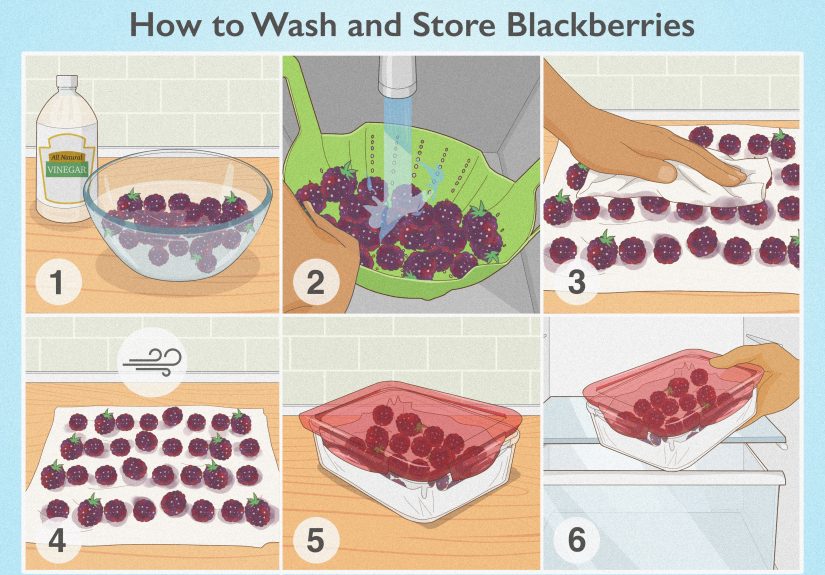
Step 1: Sort the berries first
Before or after washing, inspect every berry. Remove any blackberry that is mushy, leaking juice, visibly moldy, or badly bruised. This is not the time to be sentimental. One bad berry really can ruin the rest. If a berry looks suspiciously wet, collapsed, or fuzzy, send it packing.
This quick sorting step matters more than people think. A container can look mostly fine from the top while the bottom layer hides a few squashed berries staging a soft-fruit coup. Gently spread the berries out and check them with a light hand.
Step 2: Wash gently, not aggressively
If the berries are not already washed, rinse them gently in cool water. Avoid blasting them like you are pressure-washing a driveway. Blackberries bruise easily, and rough handling shortens their storage life. A gentle rinse under cool running water works well.
Some people prefer a diluted vinegar rinse because it may help reduce surface microbes and mold spores. A common home ratio is one part white vinegar to three parts water, followed by a plain-water rinse. This can be useful, but only if you dry the berries extremely well afterward. If you skip the drying part, the rinse solves one problem and creates another.
Step 3: Dry the berries like your snack budget depends on it
This is the make-or-break step. Washed blackberries must be thoroughly dried before going into the refrigerator. Not “sort of dry.” Not “they looked fine from across the room.” Actually dry.
Spread the berries in a single layer on a clean kitchen towel or several layers of paper towels. Gently pat the tops dry with another towel. Then let them air-dry for a bit so moisture can evaporate from the nooks and crannies. If you have a salad spinner with a berry-safe insert and can use it very gently, that may help, but manual drying is often safer for such delicate fruit.
The goal is to remove surface water without crushing the berries. Excess moisture is one of the biggest reasons blackberries mold after washing, so do not rush this part just because you are hungry and optimistic.
Step 4: Line a container with paper towels
Once the berries are dry, transfer them to a shallow, clean container lined with dry paper towels. The paper towels help absorb stray moisture that develops during storage. This is especially helpful for blackberries, which can release a little juice even when handled carefully.
A shallow container is better than a deep one because it keeps the berries from sitting under the weight of a fruit pile-up. Blackberries do not enjoy being buried alive under other blackberries.
Step 5: Store in a single layer if possible
Single-layer storage is ideal. It reduces crushing, improves airflow, and makes it easier to spot trouble before it spreads. If you need to stack slightly, separate layers with paper towels and keep the container loose enough to avoid squeezing the fruit.
Step 6: Use a breathable or loosely covered container
The best container for storing washed blackberries is one that is clean, shallow, and not airtight. You want some airflow, but not so much exposure that the berries dry out or absorb fridge odors. A loosely covered container or produce container with ventilation is usually a smart choice.
If your blackberries came in a vented clamshell and the container is clean and dry, you can often reuse it. Just add fresh paper towels and make sure the berries are not wet when they go back in.
Step 7: Refrigerate immediately
Blackberries should go into the refrigerator right after washing and drying. Do not let them hang around on the counter while you answer emails, watch one video, then accidentally watch eleven more. These berries are not patient.
Store them in the coldest appropriate part of the refrigerator, ideally at or below 40°F. Avoid the warmest spots, such as the fridge door, where temperatures fluctuate more. Consistent cold storage helps slow spoilage and mold growth.
How Long Do Washed Blackberries Last in the Fridge?
Even when stored properly, washed blackberries usually do not last as long as unwashed ones. In a typical home refrigerator, expect washed and thoroughly dried blackberries to stay in good shape for about 1 to 3 days, sometimes a bit longer if they were very fresh to begin with and handled gently.
Unwashed blackberries may last a little longer, but blackberries are still one of the shortest-lived berries overall. If your plan is to keep them for several days, buy the freshest fruit you can, cool it quickly, and check the container daily.
Freshness at the time of purchase matters a lot. If the berries were already soft, warm, or slightly wet when you bought them, your storage window may be much shorter no matter how carefully you handle them at home.
Should You Use a Vinegar Wash?
This question sparks more kitchen debate than it probably should for a fruit the size of a thumb. A vinegar rinse is popular because it may help reduce mold spores and surface contamination. Many home cooks swear it helps berries stay fresh longer.
Here is the practical answer: a diluted vinegar rinse can help in some cases, but it is not a miracle cure. The real star of the show is thorough drying. If you use vinegar and then leave the berries damp, mold may still show up quickly. If you use plain water but dry the berries very well and store them properly, you may get better results than with a sloppy vinegar method.
So yes, you can use a vinegar rinse if you like. Just keep it gentle, brief, and followed by a plain-water rinse if needed, then dry the berries with serious commitment. Vinegar is a supporting actor here, not the lead.
Common Mistakes That Make Blackberries Mold Faster
Storing them while still damp
This is the big one. Tiny droplets hiding between drupelets are basically a mold welcome mat. If you wash blackberries, dry them thoroughly before refrigerating.
Keeping damaged berries with the good ones
One crushed berry can leak juice and speed up spoilage for the rest. Sort ruthlessly and check the container every day.
Using a deep bowl or overpacking the container
Too much weight on the berries below means bruising, leaking, and faster decay. Shallow storage wins.
Sealing them in an airtight container
Blackberries need a little airflow. A tightly sealed container can trap condensation, and condensation is bad news for delicate berries.
Leaving them at room temperature too long
Once washed, blackberries should be dried and refrigerated quickly. Warm temperatures speed up breakdown.
How to Tell If Blackberries Have Gone Bad
Fresh blackberries should look deep purple-black, plump, and fairly dry on the surface. They may be soft, but they should not be slimy. Throw them out if you notice visible mold, a sour or fermented smell, leaking juice, excessive mushiness, or a sticky, wet texture that looks more spooky than snackable.
If only one or two berries are affected and the rest still look excellent, some people remove the bad berries and use the good ones immediately. But if mold has spread, the container smells off, or several berries are breaking down, it is smarter to discard the batch.
Can You Freeze Washed Blackberries Instead?
Absolutely, and this is often the best move if you washed more berries than you can eat in the next couple of days. Dry them thoroughly, arrange them in a single layer on a baking sheet, and freeze until firm. Then transfer them to a freezer-safe bag or container.
This keeps the berries from freezing into one giant berry asteroid. Frozen blackberries are great for smoothies, sauces, baking, yogurt, oatmeal, and desserts. They will be softer after thawing, so they are usually best for cooked or blended uses rather than fancy fruit platters where appearance matters.
Best Practices for Buying Blackberries That Last Longer
Good storage starts at the store. Look for blackberries that are dark, plump, and dry, with no juice stains in the package. Avoid containers with crushed fruit, fuzzy spots, or pooled liquid at the bottom. If the berries are refrigerated at the store, keep them cool on the way home and refrigerate them promptly.
And yes, it is worth peeking at the underside of the container if you can. The top layer of blackberries is often out there doing public relations while the bottom layer is quietly falling apart.
Final Thoughts
If you want to know how to store blackberries after washing to prevent mold, the answer is refreshingly simple: wash gently, remove bad berries, dry them thoroughly, store them in a shallow paper towel-lined container, keep the container loosely covered, and refrigerate it right away. The less moisture and pressure the berries face, the better your odds of keeping them fresh.
Blackberries are never going to be the marathon runners of the produce world. They are more like talented sprinters: wonderful, dramatic, and best enjoyed before they have time to fall apart. But with a little care and the right storage method, you can absolutely stretch their freshness, reduce waste, and save yourself from tossing another sad carton into the trash.
So the next time you wash a batch of blackberries, do not just toss them back into the fridge and hope for the best. Hope is lovely. Paper towels, airflow, and thorough drying are better.
Real-Life Experiences and Practical Lessons From Storing Washed Blackberries
One of the most common experiences people have with blackberries is assuming they can be treated like grapes. Grapes can survive a quick rinse and a casual trip into the refrigerator without much complaint. Blackberries, meanwhile, take that same treatment as a personal insult. A lot of home cooks learn this the hard way after washing an entire carton for convenience, popping it into the fridge, and opening it the next morning to find a few berries already soft and one suspiciously fuzzy. It feels unfair, especially because blackberries are not exactly cheap, but it teaches a valuable lesson: convenience has to be paired with a good drying and storage routine.
Another real-world pattern is that people often blame the washing when the real issue started earlier. Maybe the berries were already a little old at the store. Maybe the package sat in a warm car during errands. Maybe one berry at the bottom was crushed before anyone got home. Washing can speed up spoilage if moisture lingers, but storage success also depends on the berries’ starting condition. In everyday kitchen life, the best results usually come from combining a careful shopping choice with a careful storage method. In other words, even the world’s best paper towel strategy cannot turn tired berries into superheroes.
Many people also discover that the container matters more than expected. A deep bowl may look pretty, but in practice it can turn the berries on the bottom into jam with ambitions. Shallow containers are less glamorous, but they are much better for real storage. The same goes for airtight containers. They seem organized and tidy, but they can trap condensation, especially when berries are even slightly damp. People who switch to a shallow, ventilated, paper towel-lined container often notice a real difference in how long their blackberries last.
There is also the daily-check habit, which sounds a little extra until you try it. People who get the best results with blackberries tend to open the container once a day, swap out a damp paper towel if needed, and remove any berry that is turning soft. It takes less than a minute, but it can save the rest of the batch. Think of it as tiny fruit maintenance with a surprisingly good return on investment.
One especially helpful experience comes from meal preppers. They often want washed fruit ready to eat, not another kitchen project waiting in the wings. The trick they learn is to prep smaller amounts at a time. Instead of washing every blackberry they bought for the week, they wash only enough for the next day or two and keep the rest unwashed until needed. This hybrid approach gives them convenience without sacrificing the entire batch to premature spoilage.
Parents packing lunches, smoothie fans, and anyone trying to snack healthier often reach the same conclusion: blackberries are worth the extra care, but they do require a plan. Once you know that the real enemies are trapped moisture, bruising, and delayed refrigeration, the whole process becomes much easier. And honestly, after one or two mold disasters, most people become very motivated students of berry management.