Table of Contents >> Show >> Hide
- Why Long-Term Cereal Storage Matters
- How Long Does Cereal Really Last?
- The Enemies of Fresh Cereal
- Best Containers for Long-Term Cereal Storage
- Step-by-Step: How to Store Cereal Long Term (1–5 Years)
- Where to Store Your Cereal Stash
- Special Considerations for Whole-Grain and Granola Cereals
- Common Questions About Long-Term Cereal Storage
- Conclusion: Cereal That Stays Crunchy for the Long Haul
- Real-Life Experiences With Long-Term Cereal Storage
If you’ve ever poured a beautiful bowl of cereal only to discover it tastes like cardboard and sadness, you already know why long term cereal storage matters. Whether you’re stocking up during a sale, building an emergency food stash, or just trying to keep your favorite loops, flakes, and clusters crunchy, a little strategy goes a long way.
Good news: dry cereal is naturally shelf-stable and pretty low risk from a food safety standpoint. The main battle isn’t against dangerous bacteriait’s against staleness, rancid oil, moisture, and pantry pests. With the right containers, location, and a few tricks like Mylar bags and oxygen absorbers, you can safely store cereal for months or even years while keeping it tasty.
Why Long-Term Cereal Storage Matters
1. Save money on sales and bulk buys
Cereal is one of those items that often goes on big sale. If you only buy one box at a time because you’re afraid it will go stale, you’re leaving money on the table. Proper long term storage lets you buy several boxes at rock-bottom prices and spread them out over months or years without sacrificing quality.
2. Build a more flexible emergency food supply
Many U.S. extension services list ready-to-eat cereal as an excellent item for emergency food storage: it’s lightweight, doesn’t need cooking, and works for kids and adults. If the power goes out, cereal and shelf-stable milk (or powdered milk) instantly become your best breakfast friends.
3. Reduce food waste
The USDA notes that most shelf-stable foods are safe well past the “best by” date, though quality slowly declines. Packaged foods like cereal might taste stale or develop off flavors if stored poorly, but they don’t suddenly turn dangerous when the calendar flips. By storing cereal correctly from the start, you keep it fresher for longer and toss less.
How Long Does Cereal Really Last?
Let’s talk realistic timelines before we dive into airtight containers and Mylar wizardry.
Unopened cereal
- Commercial “best by” dates: Usually 6–12 months from production for dry cereal.
- Practical shelf life: Unopened cereal, stored properly (cool, dry, away from heat and moisture), can often stay good for 6–12 months and sometimes longer, with quality slowly declining over time.
Opened cereal (short-term storage)
- Once opened and left in its original bag with a simple fold or clip, many cereals start to taste stale within about a month.
- If you pour cereal into an airtight container, some sources suggest it can stay fresh for several monthsoften up to about six months in typical pantry conditions.
Opened cereal (true long-term storage)
- Vacuum sealing or storing cereal in Mylar bags with oxygen absorbers and proper protection from light, heat, and moisture can extend shelf life to multiple years, especially for low-fat cereals.
Signs your cereal has gone bad
- Stale or cardboard-like flavor
- Rancid, paint-like, or bitter smell or taste (common with whole-grain or nut-heavy cereals)
- Visible mold or clumping from moisture
- Unwanted “protein” in the form of bugs or webbing from pantry moths
When in doubt: if it smells off, tastes weird, looks suspicious, or has extra “moving ingredients,” toss it.
The Enemies of Fresh Cereal
To store cereal long term, you’re basically fighting four villains: oxygen, moisture, heat/light, and pests.
1. Oxygen
Oxygen makes fats go rancid and speeds up staleness. Many cereals contain some oilfrom whole grains, nuts, or added fatsso minimizing oxygen helps preserve flavor and texture. That’s why vacuum sealing or using oxygen absorbers in Mylar bags is such a popular long term storage method.
2. Moisture
Dry cereal is safe largely because it’s dry. Moisture opens the door for mold and turns crunchy flakes into chewy sadness. USDA and other food safety guidance emphasize keeping dry goods in tightly closed containers to keep out dampness.
3. Heat and light
High temperatures and direct sunlight break down fats faster and can damage packaging. Guidelines for dry storage often recommend around 50–70°F in a cool, dry, well-ventilated area, away from stoves, dishwashers, and windows.
4. Pests
Cereal is basically an open invitation to pantry moths, beetles, and other pests if it’s left available. Strong, sealed containersplus clean, crumb-free shelveskeep your breakfast buffet from turning into an insect buffet.
Best Containers for Long-Term Cereal Storage
Option 1: Keep it in the original box (short-term)
The cardboard box and thin plastic liner your cereal comes in are designed for shipping and supermarket shelf life, not multi-year storage. They offer minimal protection against oxygen and pests. For long term storage, the original packaging should be considered temporary at best.
Option 2: Airtight pantry containers
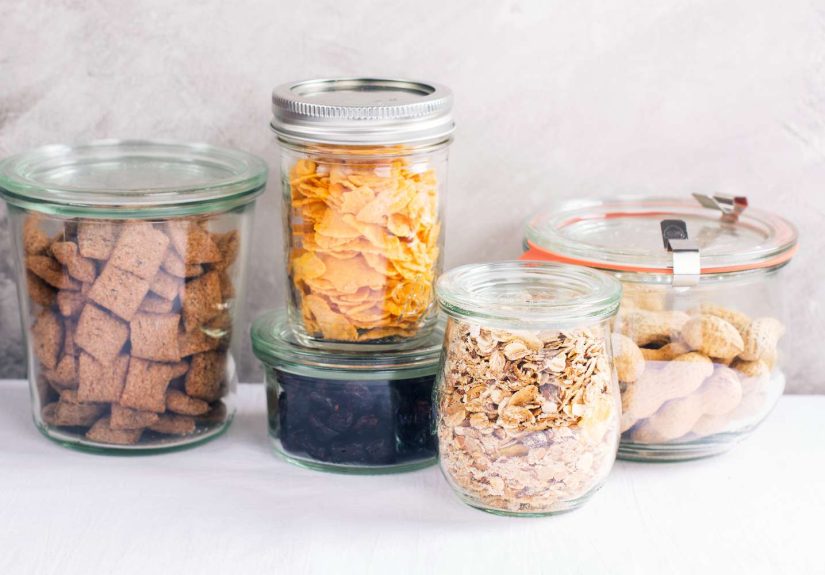
For everyday use and medium-term storage (months), airtight plastic or glass containers are perfect. High-quality dry-food containers emphasize a tight seal to keep oxygen and moisture out and pests away.
Look for:
- A true airtight seal (gasket lid, locking clips, or screw top)
- Food-safe materials (BPA-free plastic, glass, or stainless steel)
- Opaque or tinted containers if cereal will be stored near light
- Shapes that stack easily so you can fit a lot in a small pantry
This option keeps cereal crisp and convenient, but it won’t give the multi-year shelf life that more advanced methods can.
Option 3: Mylar bags with oxygen absorbers (multi-year storage)
If you’re serious about long-term cereal storagethink emergency pantry, prepping, or multi-year stockMylar bags plus oxygen absorbers are the gold standard. Mylar is a metalized plastic that blocks light and gas, and when you remove oxygen inside the bag, cereal stays fresh for much longer.
Key points:
- Use food-grade Mylar bags, usually 5–7 mil thick for durability.
- Add appropriately sized oxygen absorbers (for airy foods like cereal, many guides suggest slightly higher cc ratings because of the space between pieces).
- Seal bags with a heat sealer or a household iron set to a high, dry setting.
- Store sealed bags in a protective outer container (plastic bin or food-grade bucket) to keep out rodents and physical damage.
Step-by-Step: How to Store Cereal Long Term (1–5 Years)
Here’s a practical process you can follow at home.
Step 1: Choose the right cereal
- Prefer lower-fat cereals (simple corn, rice, or wheat-based cereals without a lot of nuts or added oils).
- High-fat granola and nut-heavy cereals are delicious but more prone to rancidity, so they’re better for shorter-term storage or kept in the freezer.
Step 2: Check condition and dates
- Only store cereal that’s well within its best-by date and packaging that’s intact.
- Inspect for any signs of pests or damage. Don’t bother storing anything suspicious.
Step 3: Optional bug-prevention step
Many long-term food storage enthusiasts like to freeze cereal for a couple of days before packing. This can help kill any insect eggs that might be present. After freezing, let the cereal return to room temperature in a dry area before you seal it so you don’t trap condensation.
Step 4: Pack cereal into Mylar bags
- Label each empty bag with the cereal type and date.
- Pour cereal into the bag, leaving a couple of inches of headspace at the top.
- Prepare the correct size oxygen absorber for each bag (for 1-gallon bags of airy foods like cereal, many guidelines recommend around 300–500 cc, though recommendations vary).
- Drop the oxygen absorber in on top of the cereal.
Step 5: Seal the Mylar bag
- Use a heat sealer or a household iron set on high (no steam).
- Press across the top opening to create a solid, continuous seal.
- Check for gaps or thin spots; reseal if needed.
Step 6: Store in a cool, dark, dry place
Place sealed Mylar bags in a plastic storage bin with a locking lid or a food-grade bucket. Then store the container in a space that’s cool (ideally around 50–70°F), dry, and away from sunlight and heat sources.
Where to Store Your Cereal Stash
Not all storage locations are created equal. Even if your packaging is perfect, the room environment still matters.
- Great spots: Interior pantry, closet, under-bed drawers (in sealed bins), cool basement shelves that stay dry.
- Risky spots: Garages that get hot and humid, attics, basements that flood or stay damp, cabinets right above the stove or dishwasher.
General guidelines for dry foods emphasize ventilation, avoiding moisture, and keeping items away from temperature extremes.
Special Considerations for Whole-Grain and Granola Cereals
Whole-grain cereals and granola are nutritious but slightly trickier to store long term. Because they contain more natural oils, they’re more prone to rancidity. Extension publications often recommend cooler storage for whole grains and whole-grain cereals to protect these oils.
For these types of cereal:
- Plan on shorter shelf life at room temperature.
- Use airtight containers in the fridge or freezer if you want them to last significantly longer.
- Rely heavily on your nose and taste budsif it smells or tastes off, let it go.
Common Questions About Long-Term Cereal Storage
Can I freeze cereal?
Yes! Freezing cereal in airtight containers or freezer bags can help preserve flavor and texture, especially for whole-grain or nut-heavy cereals. Just make sure the container is moisture-proof and that you let the cereal come back to room temperature inside the container before opening it (to avoid condensation making it soggy).
Do I always need oxygen absorbers?
No. For short- to medium-term storage (a few months) in airtight containers, oxygen absorbers are optional. They’re most helpful when you’re trying to stretch shelf life into the multi-year range, especially when using Mylar bags.
Is old cereal still safe if it’s just stale?
Usually, yes. Staleness is mostly a quality issue, not a safety issue, as USDA guidance on shelf-stable foods notes. If cereal looks fine and doesn’t smell weird, you can often still eat itit just might not be very enjoyable.
Conclusion: Cereal That Stays Crunchy for the Long Haul
Storing cereal long term isn’t complicated once you understand what you’re fighting: oxygen, moisture, heat, light, and pests. For everyday life, airtight pantry containers keep your flakes fresh and your mornings happy. For serious long-term storage, Mylar bags with oxygen absorbers in a cool, dry, dark place can extend the life of your cereal stash for years.
Think of it this way: your cereal worked hard to get to your bowldon’t let it retire early as a stale, sad snack. Give it a good container, a good location, and a good label, and it’ll be there for you when you want a fast breakfast, a crunchy snack, or a little comfort on a chaotic day.
Real-Life Experiences With Long-Term Cereal Storage
Long term cereal storage sounds technical, but in real homes it comes down to habits, mistakes, and a bit of experimenting. Here are some practical “in the trenches” lessons that often surface when people start treating cereal like a serious pantry staple.
The bulk-buy family experiment
Imagine a family of four that loves cereal but hates how quickly it disappears. One month, they hit a huge sale and buy twelve boxes of their favorite brand. The first time they do this, they just stack the boxes in a warm, bright pantry near the oven. For the first few weeks, everything tastes normal. By month four or five, the last few boxes still “look fine” but taste tired and a little flat. Nothing is technically unsafe, but nobody’s excited to eat it.
The second time they stock up, they change their strategy. Instead of leaving cereal in the original boxes, they:
- Transfer two boxes at a time into airtight pantry containers for everyday use.
- Pack the remaining boxes into Mylar bags with oxygen absorbers and store them in a lidded bin in a cool closet.
Six to eight months later, when they open one of the Mylar-stored bags, the cereal still smells fresh and tastes very close to new. The main lesson they learn: the difference between “we hope this stays good” and “we know this will stay good” is just a few extra steps at the beginning.
The small-apartment snack hoarder
Now picture a single person in a tiny apartment with one overworked cabinet and a fridge that’s already fighting for space. They love cereal not just for breakfast but as a midnight snack. Because storage is tight, bags end up rolled and clipped, shoved in behind other items, and sometimes left half-open.
After tossing several half-full, stale cereal bags, they switch to a different system. They invest in a small set of narrow, stackable airtight containers that fit perfectly in one cabinet. Only one or two kinds of cereal are open at a time, and everything else stays sealed in its original box until it’s ready to rotate in.
They’re not using Mylar bags or oxygen absorbersthere’s no space and no need for multi-year storagebut their “real life” experience is still powerful: limiting the number of open cereals and relying on good airtight containers cuts waste dramatically. They finish each container before opening another, and cereal becomes a reliable comfort food instead of a recurring disappointment.
The emergency-prep cereal test
Finally, consider someone building a basic emergency pantry. They want variety, but they also want to know that if a storm hits, they can feed everyone without cooking. Cereal is a natural choice, but they’re skeptical it will hold up over time. They decide to run their own little experiment.
They buy several identical boxes of cereal. One stays in its original box on a typical pantry shelf. Another goes into an airtight canister and sits in the same pantry. A third is packed into a 1-gallon Mylar bag with an oxygen absorber and stored inside a bucket in a cooler, darker closet.
After a year, they open all three samples:
- Original box: smells a little flat and tastes slightly stale, though still edible.
- Airtight container: smells fresher and keeps a decent crunch, but not quite like new.
- Mylar + oxygen absorber: smells almost identical to a new box, with very good crunch and flavor.
That simple test gives them confidence that their emergency cereal stash is more than theoretical. They know their method works in their climate and with their actual storage spaces.
What these experiences have in common
Across all these scenarios, a few patterns show up:
- Planning beats guessing. When people label bags, track dates, and choose containers intentionally, they have fewer surprises.
- Environment matters. Even with good packaging, a hot garage or steamy kitchen cabinet shortens cereal’s life. Cool, dry, and dark always wins.
- Rotation is simple and powerful. Using the oldest cereal first, not opening too many varieties at once, and checking quality regularly turns storage into a smooth routine instead of a mystery.
In other words, long term cereal storage isn’t about being perfectit’s about being consistent. A few extra minutes when you bring groceries home can easily translate into months or years of better-tasting cereal, less waste, and a pantry that actually works for you.