Table of Contents >> Show >> Hide
- Introduction: When Your Dog Starts Looking Like a Moving Throw Pillow
- Why Long-Haired Dogs Need Regular Trimming
- Tools You Need Before Trimming a Long-Haired Dog
- How to Trim the Coat of a Long Hair Dog: 13 Steps
- Step 1: Choose a Calm Time and Safe Space
- Step 2: Brush the Coat Thoroughly First
- Step 3: Use a Comb to Find Hidden Tangles
- Step 4: Bathe Only After Removing Mats
- Step 5: Decide on the Trim Length
- Step 6: Trim the Body Coat with Clippers
- Step 7: Blend Uneven Areas with Thinning Shears
- Step 8: Carefully Trim Around the Face
- Step 9: Tidy the Ears Without Cutting the Skin
- Step 10: Trim the Paws and Between Paw Pads
- Step 11: Trim the Sanitary Area
- Step 12: Check for Missed Spots and Comb Again
- Step 13: Reward Your Dog and Clean Your Tools
- Common Mistakes to Avoid When Trimming Long Dog Hair
- When to See a Professional Groomer
- How Often Should You Trim a Long-Haired Dog?
- Extra Experience: Real-Life Lessons from Trimming a Long-Haired Dog
- Conclusion
Note: This article is written from synthesized, practical dog-grooming guidance commonly recommended by veterinarians, humane organizations, professional groomers, and pet-care education sources. It is for safe at-home maintenance, not a replacement for a veterinarian or professional groomer when a dog is badly matted, injured, anxious, or difficult to handle.
Introduction: When Your Dog Starts Looking Like a Moving Throw Pillow
Long-haired dogs are gorgeous. They float across the room like royalty, shake their coats like shampoo-commercial stars, and somehow collect every burr, leaf, dust bunny, and mysterious backyard souvenir within a three-mile radius. But that beautiful coat needs regular care. Without brushing and trimming, long fur can tangle, mat, trap moisture, irritate the skin, and turn grooming day into a full-blown drama starring you, your dog, and one very suspicious pair of scissors.
Learning how to trim the coat of a long hair dog at home can help keep your pet comfortable between professional grooming appointments. The goal is not to create a show-ring masterpiece on your first try. The goal is simple: remove excess length, tidy problem areas, prevent mats, and help your dog feel clean, cool, and comfortable.
Before you begin, remember one golden grooming rule: safety beats style every single time. A slightly uneven trim grows out. A nicked ear, irritated skin, or frightened dog is a much bigger problem. Work slowly, use the right tools, reward your dog often, and know when to call a professional groomer.
Why Long-Haired Dogs Need Regular Trimming
Long-haired breeds such as Shih Tzus, Maltese, Yorkshire Terriers, Cocker Spaniels, Lhasa Apsos, Havanese, Collies, Afghan Hounds, and mixed-breed fluffy celebrities often need more coat maintenance than short-haired dogs. Their fur can tangle around the ears, legs, belly, tail, armpits, and sanitary areas. If those tangles tighten, they become mats that pull on the skin and make brushing painful.
Regular trimming helps reduce matting, improves hygiene, keeps paws cleaner, prevents hair from blocking vision, and makes brushing easier. It also gives you a chance to check for fleas, ticks, lumps, hot spots, redness, or skin irritation. In other words, grooming is not just a beauty routine. It is a health check with better lighting and more treats.
Tools You Need Before Trimming a Long-Haired Dog
Gather your supplies before your dog is on the grooming table. Nothing ruins momentum faster than realizing your comb is in another room while your dog is already plotting an escape.
Basic grooming tools
- Pin brush or slicker brush for long coats
- Wide-tooth and fine-tooth metal comb
- Rounded-tip grooming scissors for sensitive areas
- Thinning shears for blending uneven lines
- Pet clippers with guard combs
- Dog-safe shampoo and towel
- Non-slip mat or stable grooming surface
- Treats for rewards and cooperation
- Good lighting
Use sharp, clean grooming tools. Dull scissors pull hair instead of cutting it, and dirty clipper blades can irritate the skin. If you use clippers, make sure the blades are cool. Warm blades can cause discomfort or even clipper burn.
How to Trim the Coat of a Long Hair Dog: 13 Steps
Step 1: Choose a Calm Time and Safe Space
Pick a time when your dog is relaxed, not zooming around the house like a furry lightning bolt. A walk before grooming can help burn off extra energy. Choose a quiet area with good lighting and a non-slip surface. A table can work for small dogs, but only if it is stable and your dog is secure. For larger dogs, the floor may be safer.
Keep the mood calm. Talk in a relaxed voice, offer treats, and avoid rushing. Your dog reads your energy. If you act like you are defusing a bomb, your dog may assume the brush is dangerous technology.
Step 2: Brush the Coat Thoroughly First
Always brush before trimming. Long hair hides tangles, and clippers or scissors can snag in knots. Start with a pin brush or slicker brush, working in sections from the ends of the hair toward the skin. Be gentle. Pulling hard on tangles can make your dog hate grooming faster than you can say “just one more paw.”
Pay close attention to friction zones: behind the ears, under the collar, armpits, chest, belly, back legs, tail base, and around the rear. These areas mat quickly because they move, rub, and collect moisture.
Step 3: Use a Comb to Find Hidden Tangles
After brushing, run a metal comb through the coat. If the comb glides smoothly from skin to tip, the coat is ready for trimming. If it catches, there are still tangles. Work them out gently with your fingers, a comb, or a detangling spray made for dogs.
Never yank through a mat. If a tangle is tight, close to the skin, or painful, stop. Serious mats should be handled by a professional groomer or veterinarian because the skin underneath can be fragile, irritated, or pulled into the mat.
Step 4: Bathe Only After Removing Mats
If your dog needs a bath, brush and detangle first. Water can tighten mats, making them harder to remove. Use lukewarm water and dog-safe shampoo. Avoid getting shampoo in the eyes, ears, and nose. Rinse thoroughly because leftover shampoo can cause itching.
After bathing, towel dry and use a dryer on a low, comfortable setting if your dog tolerates it. The coat should be clean and fully dry before trimming. Wet hair stretches and lies differently, which can lead to uneven cutting. Also, damp fur can clog clipper blades.
Step 5: Decide on the Trim Length
Before cutting, decide what you want to achieve. Are you doing a light tidy-up, shortening the body coat, clearing the eyes, trimming paws, or cleaning the sanitary area? For beginners, a maintenance trim is best. Remove small amounts at a time. You can always cut more, but you cannot glue fur back on. Dogs are forgiving, but they do notice when one ear looks like it made a separate life choice.
For body trimming, clipper guard combs are helpful because they keep the coat more even and reduce the risk of cutting too close. For delicate areas, rounded-tip scissors or professional help may be safer.
Step 6: Trim the Body Coat with Clippers
If you are shortening the body coat, use pet clippers with an appropriate guard comb. Start at the neck and move in the direction the hair grows. Use slow, steady strokes. Do not press hard. Let the clipper do the work.
Keep your free hand on your dog to feel movement and reassure them. Check the blade temperature often by touching it to your wrist. If it feels hot, turn it off and let it cool or switch blades. Take breaks as needed. A calm, unfinished trim is better than a perfect haircut on a stressed dog.
Step 7: Blend Uneven Areas with Thinning Shears
Thinning shears are excellent for softening harsh lines, especially where shorter body hair meets longer leg or chest hair. Hold the shears lightly and make small cuts, then comb the coat to check your progress. This cut-and-comb rhythm helps prevent accidental chunks.
Blending is where patience pays off. Do not chase perfection. Long-haired dogs move, wiggle, sit, sigh dramatically, and sometimes lean into your scissors as if helping. Keep the finish natural and comfortable.
Step 8: Carefully Trim Around the Face
The face is one of the trickiest areas because dogs move suddenly. Use rounded-tip scissors and trim only small amounts. Comb the hair forward and trim what blocks your dog’s vision. Keep one hand steady under the chin if your dog accepts handling there.
Never point scissors toward the eyes. Cut parallel to the face, not directly at it. If your dog jerks, squints, growls, or refuses to stay still, stop and ask a professional groomer for help. Eye-area trims are not the place for bravery points.
Step 9: Tidy the Ears Without Cutting the Skin
Long ear hair can look adorable, but it tangles easily and may drag through food or water. Comb the ear hair straight down and trim the ends carefully. Keep your fingers between the scissors and the ear leather so you always know where the skin is.
Do not cut into thick mats behind or under the ears with scissors. This area is high-risk because mats can sit very close to thin skin. Clippers or professional grooming are safer for tight ear mats.
Step 10: Trim the Paws and Between Paw Pads
Long hair around the feet collects dirt and can make dogs slip on smooth floors. Lift one paw gently, trim the hair that hangs over the edges, and comb upward before snipping small amounts. For the underside, use clippers carefully to remove excess hair between paw pads.
Be gentle with ticklish paws. Some dogs act as if paw trimming is a personal betrayal. Reward often, take breaks, and do one paw at a time if necessary. Four paws do not have to happen in one heroic session.
Step 11: Trim the Sanitary Area
The sanitary trim keeps hair around the rear and genitals shorter so waste does not stick to the coat. This is especially useful for long-haired dogs. Use clippers with care, keeping the blade flat and avoiding skin folds, nipples, and sensitive tissue.
If you are uncomfortable trimming this area, schedule a professional groomer. A quick sanitary trim is usually inexpensive and can save you from both grooming accidents and unpleasant cleanup adventures.
Step 12: Check for Missed Spots and Comb Again
Once the main trim is complete, comb the entire coat again. This reveals uneven spots, hidden tangles, and long hairs that escaped the first round. Step back and look at your dog from different angles. Trim only what truly needs adjusting.
Do not keep “fixing” until the coat is too short. Many beginner trims go wrong during the final five minutes, when confidence rises and judgment takes a coffee break.
Step 13: Reward Your Dog and Clean Your Tools
End the session with praise, treats, play, or a relaxing cuddle. You want your dog to associate grooming with good things. Clean hair from brushes, wipe scissors, and oil clipper blades according to the manufacturer’s instructions.
Make a note of what went well and what was difficult. Maybe your dog tolerated body clipping but disliked paw handling. Maybe the ears need professional help. Each session teaches you how to make the next one easier.
Common Mistakes to Avoid When Trimming Long Dog Hair
Cutting Mats with Scissors
This is one of the biggest safety mistakes. Mats often pull skin upward, and it can be nearly impossible to see where the mat ends and skin begins. Cutting mats with scissors can slice the skin. Use clippers carefully or call a groomer.
Skipping the Comb Check
A coat can look brushed on the surface while hiding tangles underneath. Always use a comb after brushing. If the comb cannot pass through, clippers will not glide smoothly either.
Trimming Too Much Too Fast
Small cuts are safer. Long-haired coats can change shape quickly, especially around the face, feet, and tail. Trim a little, comb, check, and repeat.
Ignoring Stress Signals
Panting, lip licking, yawning, trembling, growling, whale eye, and repeated attempts to leave may mean your dog is stressed. Pause, reward calm behavior, and shorten the session. Grooming should build trust, not become a wrestling match with fur.
When to See a Professional Groomer
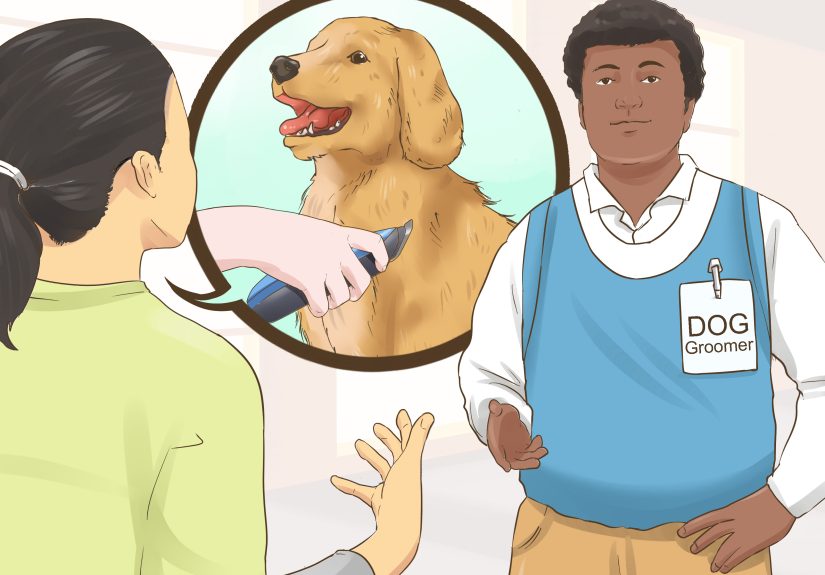
At-home trimming is useful for maintenance, but some situations need expert help. See a professional groomer if your dog has heavy matting, a difficult coat type, severe anxiety, skin problems, or a haircut style that requires advanced technique. See a veterinarian if you notice open sores, bleeding, swelling, strong odor, parasites, painful mats, or sudden skin sensitivity.
Professional grooming is not a failure. It is a smart tool. Even experienced dog owners often rely on groomers for full haircuts, sanitary trims, ear care, and coat resets. Think of it as outsourcing the hard parts so you and your dog can remain friends.
How Often Should You Trim a Long-Haired Dog?
The schedule depends on breed, coat texture, lifestyle, season, and how short you keep the coat. Many long-haired dogs benefit from daily or near-daily brushing and a trim every four to eight weeks. Dogs that hike, swim, wear harnesses, or have cottony coats may need more frequent maintenance.
Instead of waiting for the coat to become a problem, create a routine. Brush small sections regularly. Check ears and paws weekly. Trim around the eyes and feet when needed. Keep the sanitary area clean. A little grooming often is easier than a giant grooming marathon later.
Extra Experience: Real-Life Lessons from Trimming a Long-Haired Dog
Anyone who has trimmed a long-haired dog at home learns quickly that grooming is part skill, part patience, and part comedy show. The first lesson is that dogs rarely stand like statues. They sit when you need them standing, stand when you need them sitting, and turn their heads at the exact moment you are trying to trim one tiny hair near the cheek. This is normal. The secret is not forcing perfection. The secret is working with your dog’s attention span.
One helpful experience is to divide the trim into mini-sessions. For example, do brushing in the morning, paws in the afternoon, and face trimming the next day. Many owners try to complete everything at once because the supplies are already out. But dogs do better when grooming feels manageable. A ten-minute session with treats can be more productive than a one-hour battle that leaves everyone emotionally fluffy.
Another practical lesson is that the comb tells the truth. A long coat may look smooth after brushing, but the comb finds the hidden knots. Behind the ears and under the front legs are especially sneaky. These areas can form tight mats even when the rest of the dog looks beautiful. Make comb checks part of your routine, not just something you do before a haircut.
It also helps to learn your dog’s “easy zones” and “absolutely not” zones. Some dogs love having their backs brushed but hate paw handling. Others tolerate paw trims but become dramatic about the tail. Start with the easy zones to build confidence. Save the difficult areas for when your dog is calm, and reward generously. Over time, touching paws, lifting ears, and combing the tail can become less suspicious.
Lighting matters more than people think. Trimming a cream, gray, black, or mixed-color coat in poor light can make it hard to see skin, mats, and uneven lines. A bright room or grooming lamp helps you cut less and see more. This is especially important around the face, ears, and sanitary area.
One of the best at-home grooming habits is keeping the coat in a simple, realistic style. A long show coat may look stunning, but it requires serious maintenance. If your dog loves mud, rolling in grass, swimming, or sleeping under furniture like a tiny cave creature, a shorter practical trim may be kinder. Comfort should guide the haircut.
Finally, remember that confidence grows slowly. Your first trim may not look professional. The feet may be slightly uneven. The tail may look fluffier on one side. That is okay. Dogs do not check mirrors with judgmental eyebrows. They care about comfort, kindness, and whether snacks are involved. Each grooming session teaches your hands to move more smoothly and teaches your dog that trimming is safe.
Conclusion
Learning how to trim the coat of a long hair dog is a valuable skill for any owner of a fluffy companion. With the right tools, a calm setup, careful brushing, and slow trimming, you can keep your dog comfortable between professional grooming visits. Focus on safety first: never cut tight mats with scissors, avoid rushing around sensitive areas, and stop if your dog becomes stressed or the coat problem is beyond your skill level.
A well-trimmed long-haired dog does not need to look like a magazine model. The real win is a coat that is clean, manageable, mat-free, and comfortable. Add regular brushing, short grooming sessions, and plenty of rewards, and your dog may eventually see grooming as less of a royal inconvenience and more of a spa day with snacks.